Build the Best DIY Dog House for Any Season
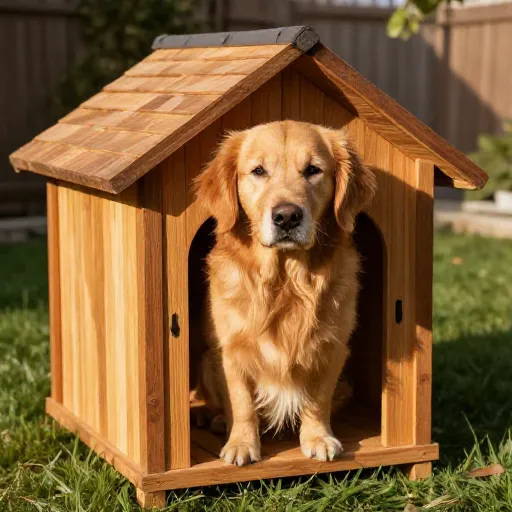
Let’s be real—our dogs deserve way better than a flimsy plastic shell. Building a DIY dog house is one of those projects that feels amazing to finish, not just because you saved money, but because you made something custom for your furry best friend. Whether you have a tiny Chihuahua or a giant Lab, a well-built house can keep them cozy in winter, cool in summer, and dry in every downpour.
The secret isn’t just about nailing wood together. It’s about thinking like your dog. Where do they like to nap? How do they handle heat? Do they love to dig? I’ve built a few of these over the years, and I’ve learned that a little planning goes a long way. Let’s walk through the best ideas so you can create a backyard haven that works all year round.
1. Start with the Right Size, Not the Biggest Size
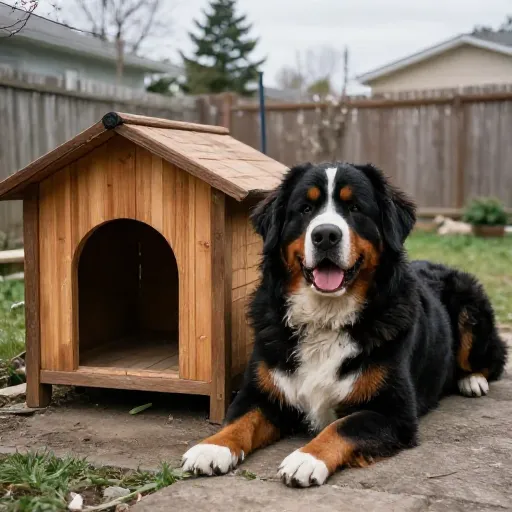
Bigger isn’t better when it comes to dog houses. If the house is too large, your pup’s body heat will just float away into the empty space. They’ll feel chilly in winter and uncomfortable.
Here’s my simple rule: measure your dog from nose to tail and from floor to top of their head. Add a few inches for comfort. The house should be just big enough for them to stand up, turn around, and lie down stretched out.
For the door, make it about 75% of your dog’s height. This keeps wind and rain out while making entry super easy. A snug fit is a happy fit.
2. Choose Insulated Walls for Climate Control
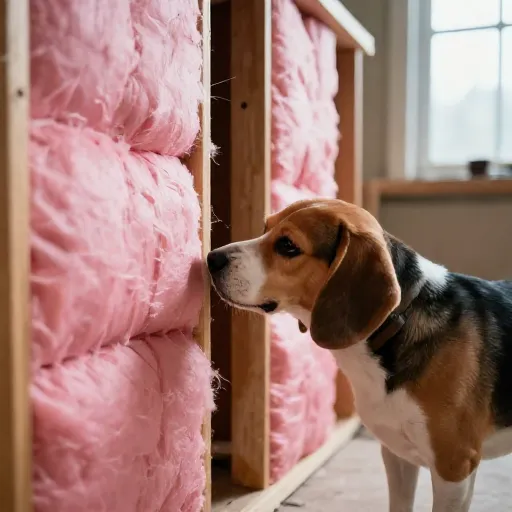
If you live anywhere with real seasons, insulation is your best friend. I use rigid foam board—it’s lightweight, easy to cut, and works like a thermos for your dog.
Sandwich the foam between the interior plywood and exterior siding. This creates a barrier that keeps summer heat out and winter warmth in. It’s a game changer.
Don’t forget the floor! Raise it off the ground with skids or feet. This prevents cold from seeping up from the earth and keeps the inside dry after a rainstorm.
3. Use a Removable Roof for Easy Cleaning
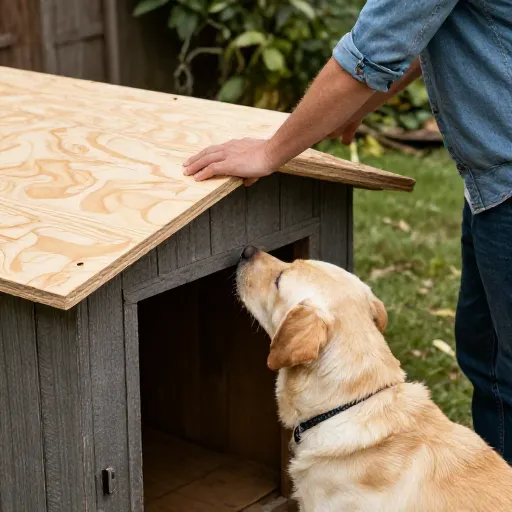
Trust me, you’ll thank yourself later. A hinged or lift-off roof makes cleaning a breeze. You can just pop it open, sweep out the fur, and spray down the inside.
I like to build the roof with a slight overhang on all sides. This acts like an umbrella, keeping rain off the walls and the doorway. Plus, it gives your dog a little shaded spot to sit outside the entrance.
Use heavy-duty hinges and a latch so the roof stays secure in strong winds. You don’t want it flying off during a storm.
4. Create a Draft-Free Door Flap
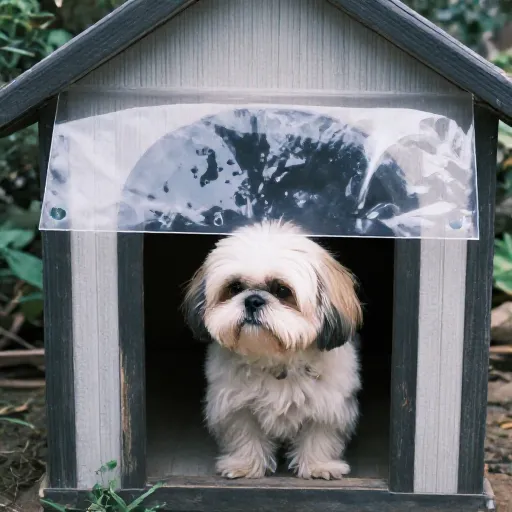
That cute open doorway is a wind tunnel in January. Adding a clear vinyl flap solves this instantly. It blocks the wind and rain while still letting your dog see outside.
Cut the vinyl slightly larger than the door opening and attach it with a strip of wood at the top. Let it hang freely so your pup can just push through with their nose.
For extra cold climates, you can make a small mudroom or a second interior wall. This creates an airlock effect, trapping warm air inside the main sleeping area.
5. Add a Porch or Overhang for Shade
Dogs love to be outside with their humans, even when it’s hot. A small covered porch gives them a place to lounge and watch the yard without baking in the sun.
Extend the roof by about a foot or build a small deck at the entrance. This is also perfect for putting their water bowl under, keeping it cooler for longer.
I’ve found that dogs will use the porch more than the inside during summer. It’s their little observation deck.
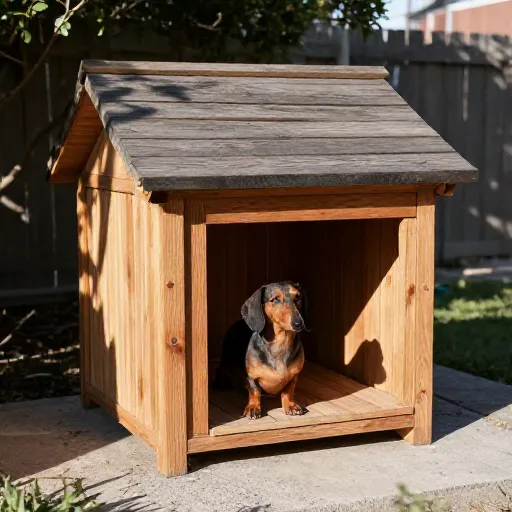
6. Elevate the House Off the Ground
Ground contact is the enemy of a dry dog house. Moisture from rain and snow seeps up through the floor, making everything damp and musty
Use pressure-treated 2x4s as skids underneath the house. This lifts it a few inches off the ground, allowing air to circulate underneath and preventing rot.
It also keeps bugs and critters from making a home under the house. Plus, it’s easier to mow the grass around it.
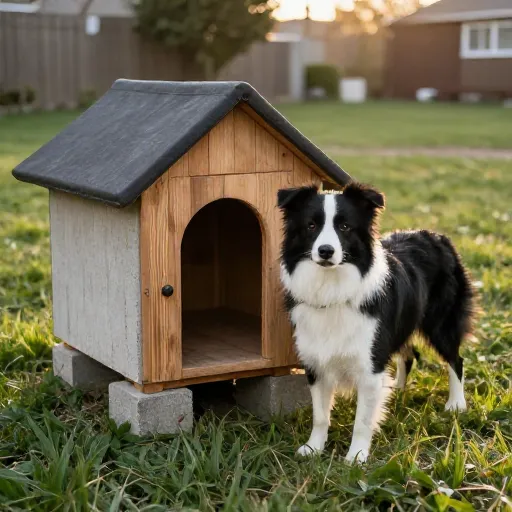
7. Pick Pet-Safe, Weatherproof Paint
Here’s a mistake I made once—using regular exterior paint. It peeled within a year. More importantly, you need to make sure any stain or paint is non-toxic and safe for pets.
Look for water-based, low-VOC paints or natural wood stains. These are safe for your dog if they decide to sniff or lick the walls (which they will).
Apply two coats for a durable finish. This protects the wood from moisture and makes the house look cute in your yard. Choose a color that complements your home’s exterior for that perfect Pinterest vibe.
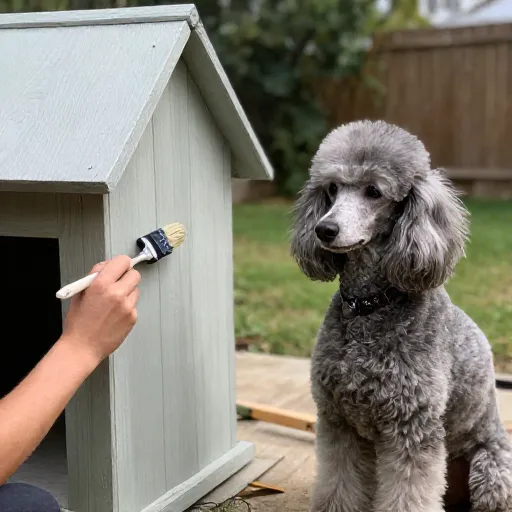
8. Design a Ventilation System for Summer
Insulation keeps heat out, but you also need air movement. A stuffy house is miserable in July. Add a small vent near the top of the walls or on the roof peak.
Hot air rises, so this vent lets it escape naturally. You can cover it with wire mesh to keep bugs out.
For extra airflow, add a small, low vent on one wall and a high vent on the opposite wall. This creates a cross-breeze that keeps the inside fresh and cool.

9. Make the Floor Removable for Winter Bedding
Think of the floor like a tray. If you build it as a separate insert, you can pull it out and swap the bedding easily. This is a lifesaver during shedding season.
In winter, you can put a thick cedar mat or a heated pet pad inside. In summer, you can swap it for a light cotton blanket or just leave it bare for a cool surface.
This also helps with cleaning. Just slide the tray out, shake off the dirt, and wash it down. Your dog gets a clean bed, and you get a happy nose.
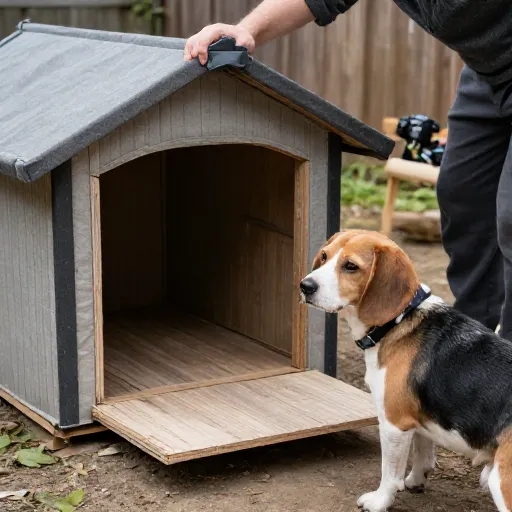
10. Add a “Bump” for a Cozy Nesting Spot
Dogs love to curl up in a ball to feel safe. Adding a small bump-out or a rounded corner inside the house gives them that nesting feeling.
You can simply add a raised platform in one corner, like a low shelf. Dogs love to sleep with their head elevated, and it mimics a den.
If you’re handy, you can build a small, rounded alcove. But honestly, a simple platform or even a thick, fluffy dog bed in the corner works wonders. It’s all about making them feel secure.
Final Thoughts
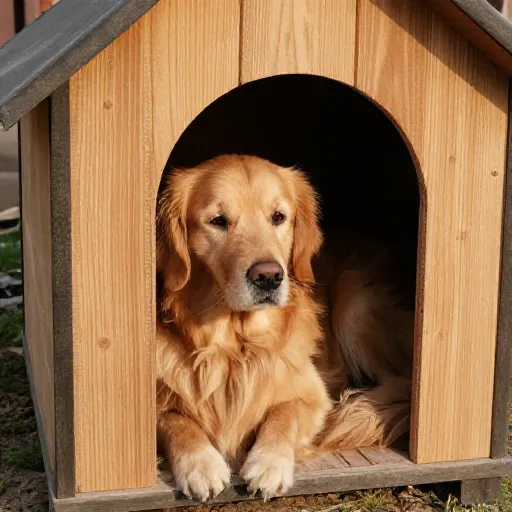
Building a DIY dog house is more than just a weekend project. It’s a way to show your dog how much you care. When you see them happily snoozing inside their custom-made shelter on a rainy day, you’ll feel amazing.
Remember, the best dog house is the one that fits your dog’s needs and your climate. Start with a solid plan, use quality materials, and don’t be afraid to make it your own. Your pup will love it—I promise.
Frequently Asked Questions
1. What is the best material for a dog house?
Plywood is the best overall choice. It’s strong, affordable, and easy to work with. Use exterior-grade plywood for the walls and floor, and cover it with a weatherproof paint or stain.
2. Should a dog house have insulation in summer?
Yes! Insulation isn’t just for winter. Rigid foam board also blocks radiant heat from the sun, keeping the inside cooler during hot summer months. It works both ways.
3. How do I keep my dog warm in winter without electricity?
Use thick bedding like cedar shavings, straw, or a wool blanket. These trap body heat. Just make sure the bedding is dry and changed regularly. The insulated walls and draft flap will do the heavy lifting.
4. How high should the door be off the ground?
The door sill should be a few inches above the floor. This creates a lip that keeps rain and wind from blowing in. It also helps contain bedding inside. Your dog can easily step over it.
5. Can I use an old plastic container as a dog house?
You can, but plastic doesn’t breathe well and can get really hot in summer. Wood is much better for insulation and moisture control. If you use plastic, you’ll need to add vents and shade carefully.