11 Dog Barrier Solutions That Really Work
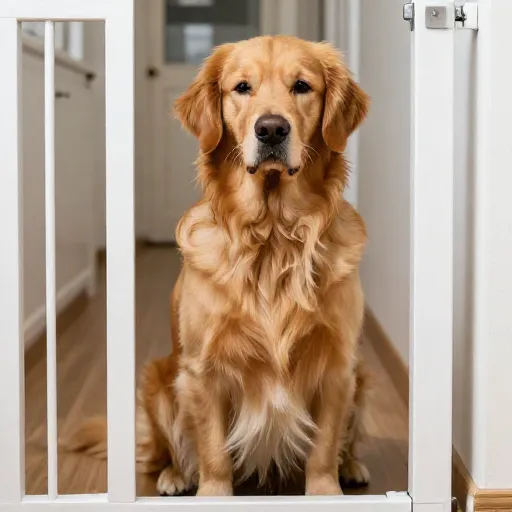
Let’s be honest—our dogs are adorable, but they can also be tiny (or not-so-tiny) escape artists. Whether it’s the living room, the kitchen, or the backyard, keeping them safe and in the right spot can feel like a full-time job. I’ve been through the chewed baseboards, the scratched doors, and the heart-stopping moments when they slip out the front gate.
After testing way too many options (and returning half of them), I’ve found the barriers that actually hold up. These aren’t just flimsy gates you trip over. These are real solutions for real dogs—from tiny puppies to athletic jumpers. Here’s what worked for me, and what will work for you.
1. The Tension-Mounted Gate (The Classic Winner)
If you only buy one barrier, make it a high-quality tension gate. These are the ones that wedge between doorframes without screws. They are perfect for doorways and hallways.
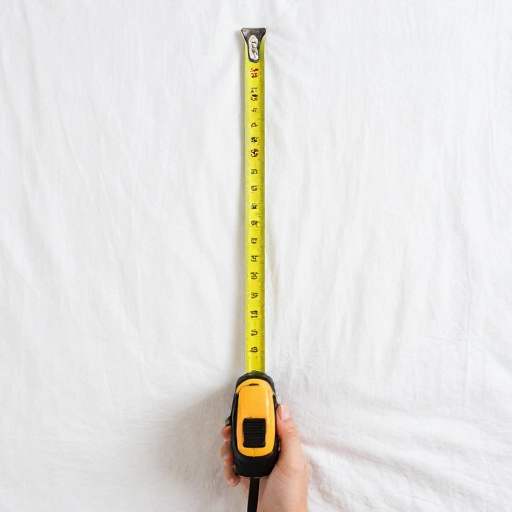
Look for one with a walk-through door so you don’t have to climb over it every time. The key is to measure your doorway width carefully—most brands have an adjustment range, and you want a snug fit.
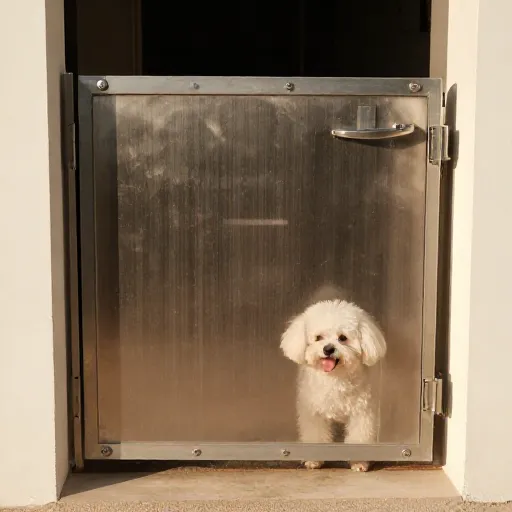
Pro tip: Skip the cheap mesh ones. They sag and puppies learn to pull them down. A solid metal or wood gate with a strong locking mechanism is worth the extra cash.
2. Freestanding Screens (The Lightweight Option)
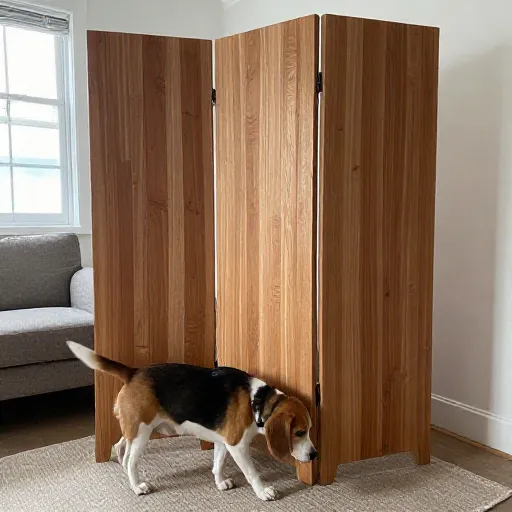
For bigger openings like archways or between living areas, a freestanding screen is a lifesaver. They look like a Japanese room divider but with dog-proof panels.
These are great because you don’t need to drill holes. They fold up and store when you have guests. Just make sure the panels are tall enough—I learned the hard way that a 24-inch screen is just a hurdle for a determined lab.
They’re not for escape artists, but they’re perfect for keeping a curious pup out of the home office while you work.
3. The Tall Pressure Gate (For The Jumpers)
Does your dog clear the baby gate like it’s an Olympic event? You need a tall one, specifically 36 inches or higher.
Many brands make extra-tall pressure gates that still install without tools. The height is a mental barrier as much as a physical one. Most dogs won’t jump if they can’t see over the top easily.
I also recommend looking for one with a solid bottom panel. It prevents smaller dogs from squeezing under the gap if you have uneven floors.
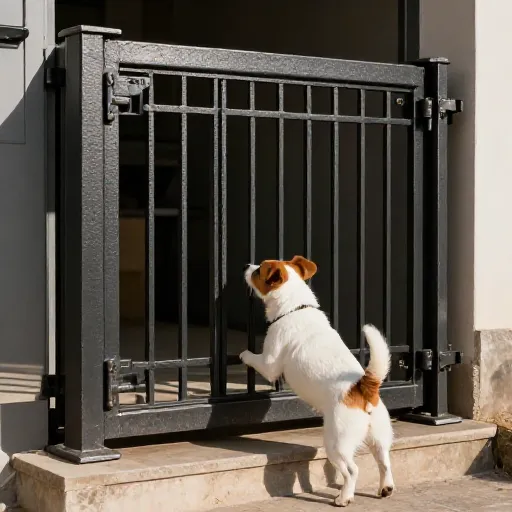
4. Baby Gate with a Pet Door (The Convenience Option)
This is my personal favorite. It’s a standard pressure gate, but it has a small flap or door built into the bottom for your cat or small dog.
You can keep the big dog out of the room, but the cat can still get to the litter box or the food bowl. It’s a game-changer for multi-pet households.
Installation is the same as a regular gate, but the convenience of not having to open the gate for the cat every five minutes is priceless.
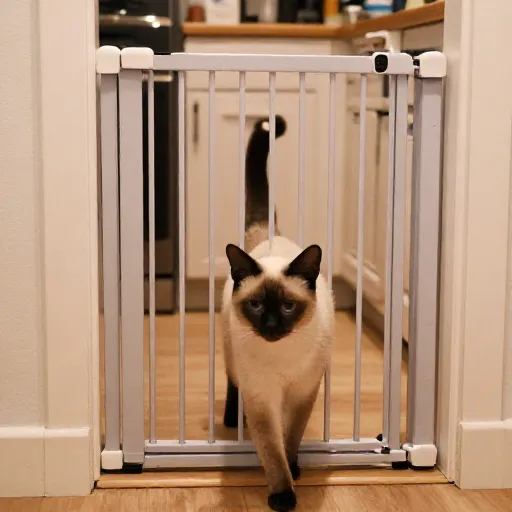
5. Exercise Pens (The Portable Yard)
When you need to contain a dog in an open space—like the backyard or a large living room—an exercise pen (x-pen) is the answer. It’s basically a portable fence you can shape into a circle, square, or any configuration you need.
They are fantastic for puppies who need a safe spot to play while you cook or garden. They fold flat for storage, making them super easy to move around.
Tip: Secure the ends with zip ties or carabiners. Some strong dogs can push the panels apart if the connector is weak.
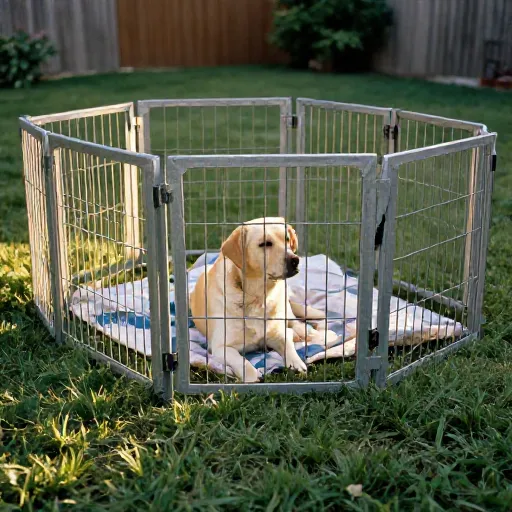
6. The DIY PVC Barrier (The Budget Hack)
If you have a weird-shaped space or just hate spending money, this is for you. Grab some PVC pipes and connectors from the hardware store.
Build a simple rectangle frame that fits your doorway. You can cover it with plastic mesh or wire fencing. It’s not pretty, but it is incredibly sturdy and cheap.
I used this for years in my rental because I couldn’t drill into the walls. It took about 20 minutes to assemble and worked perfectly.
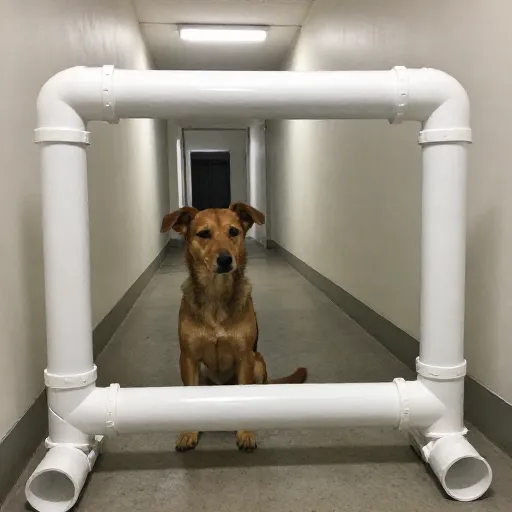
7. The Indoor Fence Panel (The Modular System)
This is different from an x-pen. These are rigid, rectangular panels that you can connect in a straight line. They are perfect for blocking off an entire section of a room.
You can use them to create a barrier across a wide hallway or to section off a fireplace without having to mount anything to the wall.
They are heavier and more stable than mesh alternatives. I like using these because they look more like furniture and less like a cage.
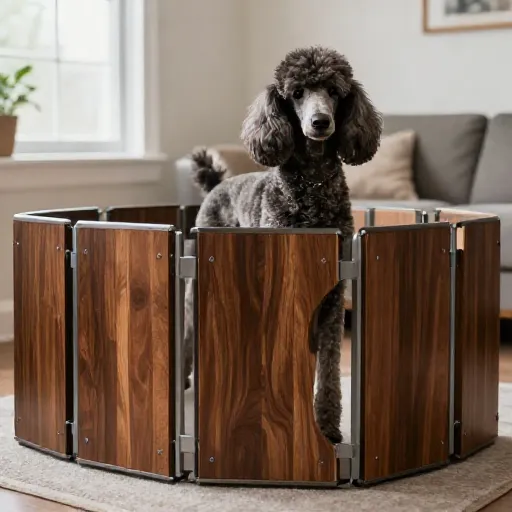
8. The Over-the-Door Gate (For Renters)
Sometimes you don’t have a doorframe to squeeze. If you have a wide opening or a sliding door track, this is your solution.
These gates hang over the top of the door using hooks, so they swing open and closed with you. They are super secure because they don’t rely on pressure.
They are a bit trickier to install, but they are perfect for the top of the stairs or for doorways with molding that sticks out too far.
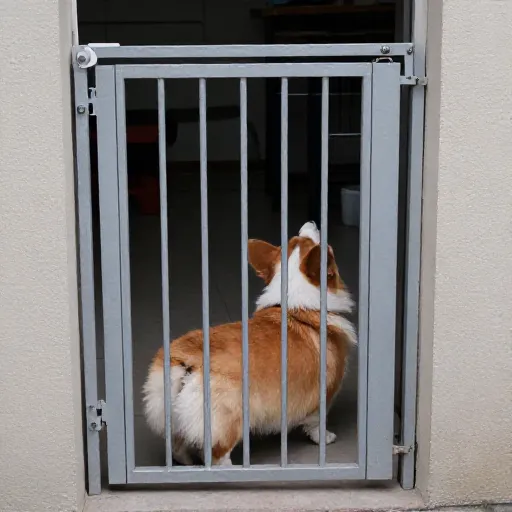
9. The Outdoor Dig-Proof Barrier
Backyard escape artists are the scariest. If your dog digs under the fence, you need a barrier that goes into the ground.
You can buy metal “L” brackets that attach to the bottom of your fence and then bury them a few inches into the soil. This creates a solid barrier that prevents digging.
Alternatively, laying concrete pavers or large rocks along the fence line works wonders. It’s a physical block that makes it hard for paws to get purchase.
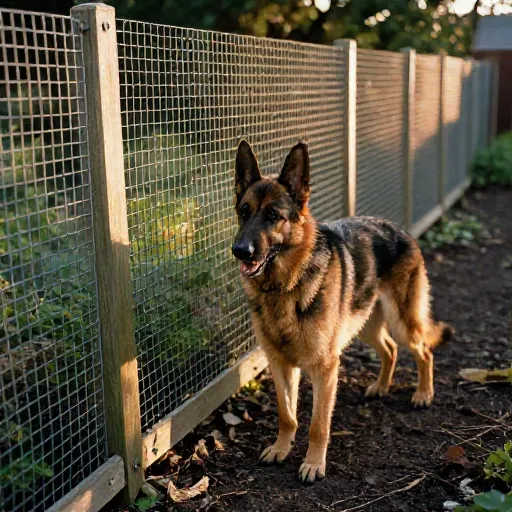
10. The Visual Barrier (The Curtain Trick)
Sometimes, the barrier isn’t about physical strength. It’s about the dog not wanting to go somewhere. A heavy-duty curtain or a shower liner can be hung in a doorway.
Dogs often won’t push through something they can’t see through. It’s a psychological barrier.
This works great for keeping dogs out of the kitchen or a guest room without having to install a bulky gate. Just make sure it’s long enough to touch the floor so they can’t sneak under.
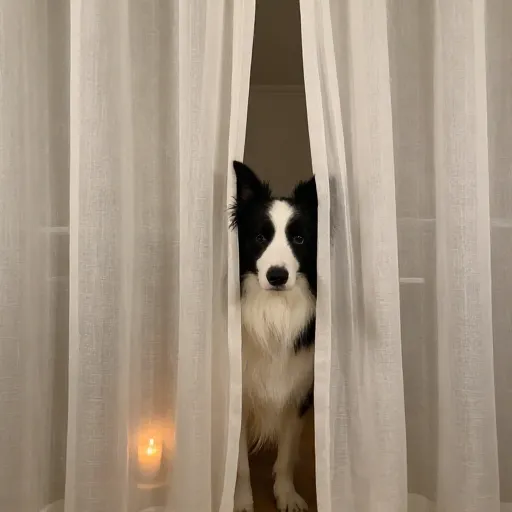
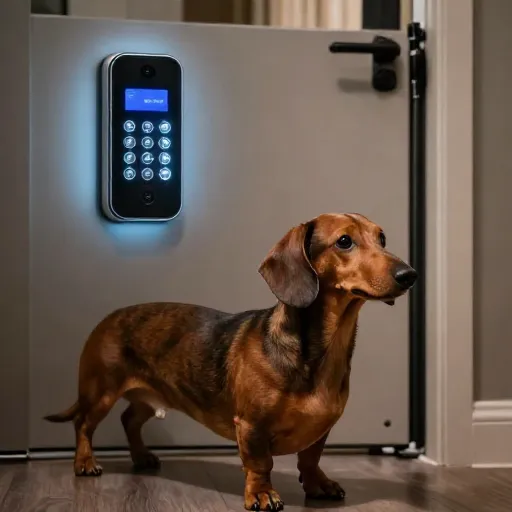
11. The Smart Gate (The Tech Solution)
Yes, they exist. These are battery-powered gates that you can control with your phone or a remote. They are usually mounted on the wall and swing open automatically.
This is a “want” more than a “need,” but it’s amazing if you have your hands full of groceries or a baby.
They are the most expensive option, but they are sleek and built to last. If you have the budget and want the best, this is the end-game solution.
Conclusion
There is no one-size-fits-all dog barrier. It really depends on your dog’s size, persistence, and your home layout.
Start with the tension gate for simple doorways. If your dog is a jumper, go tall. If they are a digger, go underground. The goal is to keep them safe and keep your sanity. Don’t be afraid to combine a couple of these ideas—I use a tall gate and an x-pen inside it to create a super-safe zone.
Once you find the right one, you’ll wonder how you ever lived without it.
FAQ
Q1: Can I use a baby gate for a large dog?
Yes, but you need to look for “extra tall” or “large dog” specific models. Standard baby gates are often too short and wide.
Q2: How do I stop my dog from jumping over the gate?
Get a taller gate (at least 36 inches). Also, don’t give them a launching pad. Move any furniture or boxes away from the gate.
Q3: Are pressure gates safe for stairs?
Yes, but you must install them at the top of the stairs with the screws provided (if applicable). Never rely on pressure alone at the top of a staircase. Many brands recommend hardware mounting for the top of stairs.
Q4: My dog chews on the gate. What do I do?
Spray it with a bitter apple spray. Also, make sure they have plenty of other chew toys. Sometimes they chew because they are bored, not because they want to escape.
Q5: What is the best barrier for a sliding glass door?
You can use a mesh screen that stretches across the opening, or you can use a freestanding screen. Avoid pressure gates because they usually don’t fit the track properly.