10 Best Cat Foods for Urinary Health (That Actually Work)
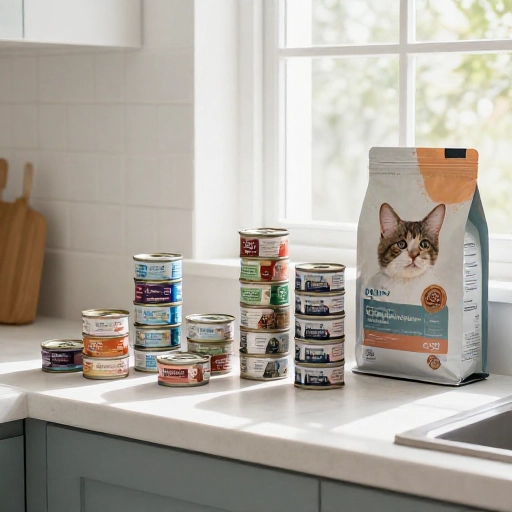
Nothing scares a cat parent more than seeing their furry friend struggle in the litter box. I’ve been there—worrying, googling at 2 AM, and feeling helpless. Urinary issues in cats are common, scary, and often preventable with the right diet.
After talking to vets and trying different foods with my own picky tabby, I put together this list of the 10 best cat foods for urinary health. These choices focus on moisture, balanced minerals, and the right pH levels to keep your cat’s bladder happy. Let’s dive in.
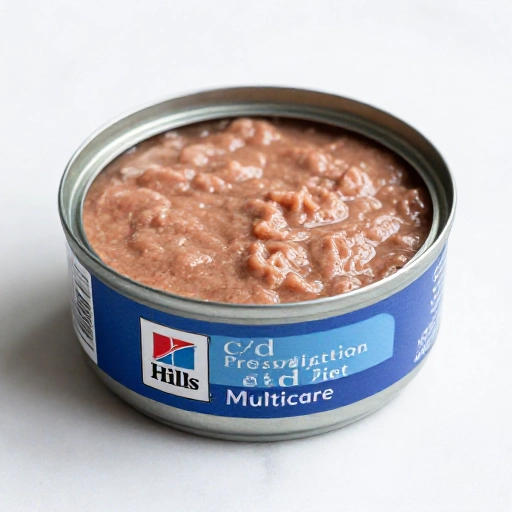
1. Hill’s Prescription Diet c/d Multicare
This is the gold standard for urinary care. Most vets recommend it for cats with a history of crystals or blockages. It works by controlling magnesium, calcium, and phosphorus levels while promoting a healthy urine pH.
My cat loved the chicken flavor. The kibble is small and easy to chew. It’s available in wet and dry forms, but I’d suggest going for the wet version if your cat doesn’t drink much water.
Just remember—this is a prescription diet. You’ll need a vet’s approval to buy it. But if your cat has serious issues, this is often the first choice.
2. Royal Canin Veterinary Diet Urinary SO
Another vet favorite. Royal Canin’s formula creates an environment in the bladder that discourages crystal formation. It also has antioxidants to support the immune system.
What I love about this brand is the texture. They have a “loaf” style wet food that even the pickiest eaters seem to enjoy. The dry kibble is shaped to help control tartar too—a nice bonus.
This food works best when used consistently. Don’t switch back and forth between regular food, or you might undo the benefits.
3. Purina Pro Plan Veterinary Diets UR Urinary St/Ox
If you’re looking for a more affordable prescription option, Purina Pro Plan UR is a solid choice. It’s formulated to reduce struvite and calcium oxalate crystals—the two most common troublemakers.
I was surprised by how much my cat liked the turkey and salmon flavors. The wet food has a gravy texture that adds extra hydration, which is crucial for urinary health.
One tip: introduce this food slowly over a week to avoid tummy upset. Mix a little with their old food and gradually increase the ratio.
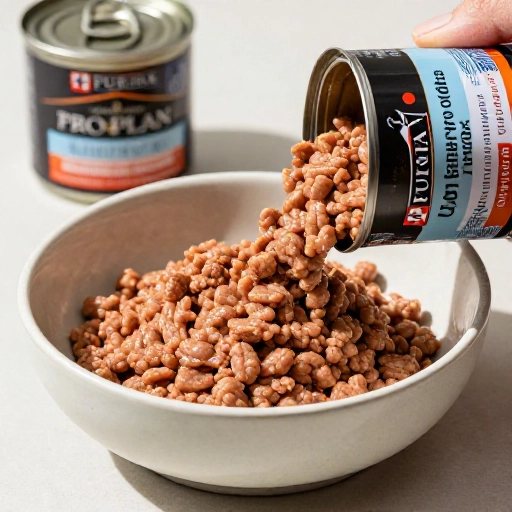
4. Wellness CORE Grain-Free Pate
For cats without a history of severe urinary issues but who need better bladder support, this is a great non-prescription option. It’s high in moisture and low in magnesium.
The pate texture is smooth and easy to digest. My cat actually licks the bowl clean—which never happens with dry food. Plus, it’s grain-free, which some cats tolerate better.
Keep in mind: this food is not for cats with active blockages or recurrent crystals. But for daily maintenance, it’s a wonderful choice.
5. Blue Buffalo Wilderness High Protein Wet Food
Blue Buffalo’s Wilderness line mimics a cat’s natural diet. It’s high in protein and moisture, with controlled mineral levels. The chicken and trout flavor was a hit in my house.
This food uses real meat as the first ingredient, which helps maintain muscle mass. It also has cranberries, which are known to support urinary tract health.
One thing to note: this is a grain-free formula. Some cats thrive on it, while others might need more fiber. Watch your cat’s digestion when switching.
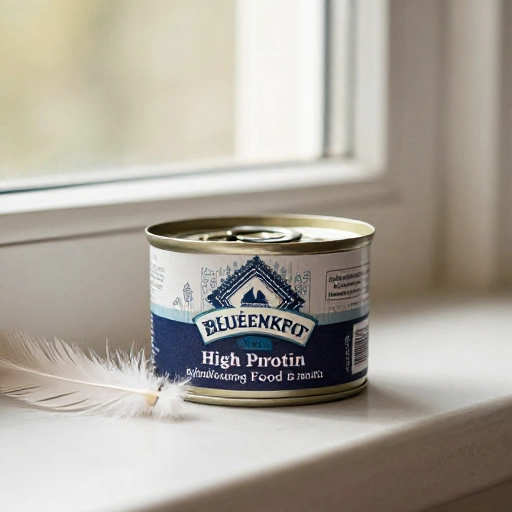
6. Tiki Cat Puka Luau Succulent Chicken
Tiki Cat is all about simple, clean ingredients. Their wet food has very low carbohydrate content and high moisture—perfect for keeping the bladder flushed.
I love that this food comes in a broth rather than a thick gravy. It’s almost like a soup, which encourages cats to drink more. My friend’s cat who hated drinking water finally started getting enough fluids with this.
The downside? It’s a bit pricier than other options. But if your cat is prone to dehydration, it’s worth the extra cost.
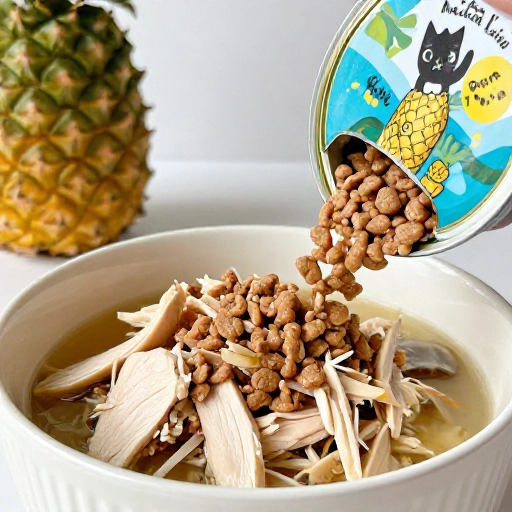
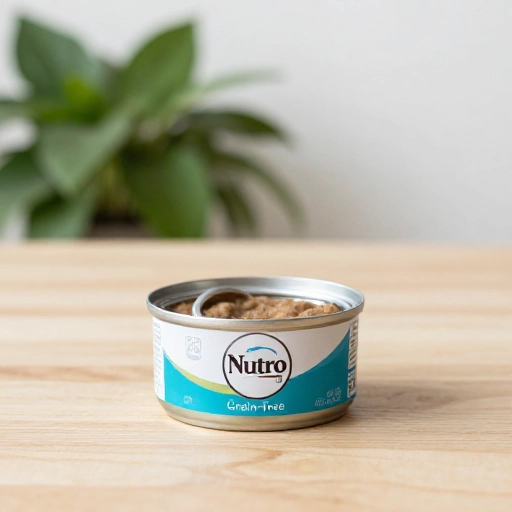
7. Nutro Grain-Free Wet Cat Food
Nutro focuses on simple recipes without artificial colors or preservatives. Their pate formulas are great for urinary health because they’re moisture-rich and have balanced minerals.
My cat has a sensitive stomach, and Nutro never caused any issues. The farm-raised chicken formula is gentle and nutritious. It also has added taurine for heart health.
This is a non-prescription option that works well for cats with mild urinary sensitivities. Just make sure your cat stays hydrated overall.
8. Weruva Cats in the Kitchen
Weruva is known for its human-grade ingredients and high moisture content. Their “Cats in the Kitchen” line has shreds and chunks in broth, which naturally boosts water intake.
The pumpkin and chicken recipe is especially good for urinary health. Pumpkin adds fiber, which helps regulate digestion and can reduce stress on the bladder.
This food is grain-free and low-carb. It’s not a prescription diet, but it’s excellent for prevention. I’d recommend it for younger cats or those with no prior urinary issues.
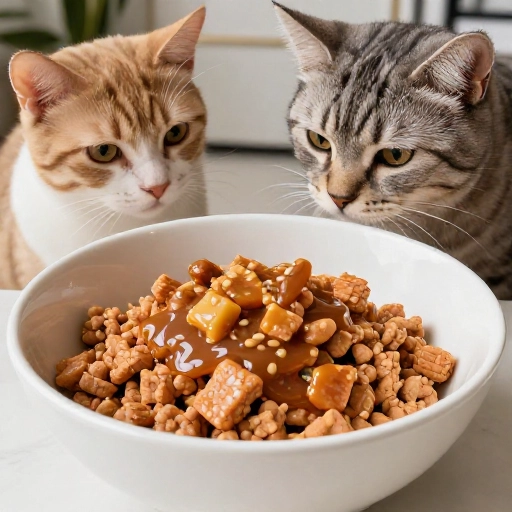
9. Instinct Limited Ingredient Diet Wet Food
If your cat has food allergies along with urinary concerns, this is a lifesaver. It uses a single protein source (like rabbit or duck) and minimal ingredients to reduce inflammation.
Inflammation in the bladder can worsen urinary problems. By using a limited diet, you remove potential triggers. I saw a huge improvement in my cat’s litter box habits after switching.
The rabbit flavor was surprisingly popular in my home. It’s a novel protein, meaning your cat likely hasn’t had it before, so allergic reactions are rare.
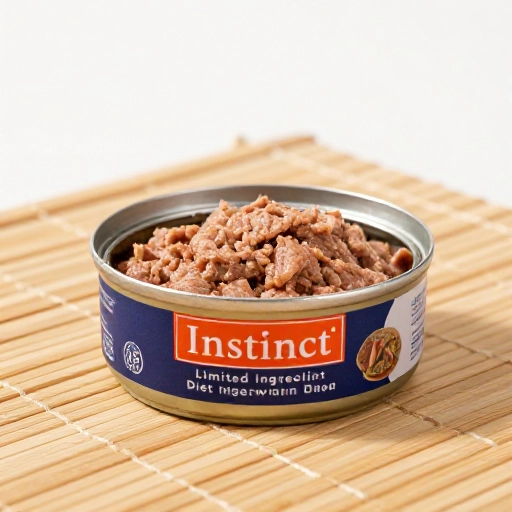
10. Dave’s Pet Food Naturally Healthy Wet Food
Dave’s is an underrated gem. Their wet food is affordable, high-quality, and formulated with urinary health in mind. It has low ash content and balanced pH levels.
I like that this brand is transparent about ingredients. They don’t use fillers or by-products. The chicken pate is smooth and easy to mix with medications if needed.
This is a great budget-friendly option for daily maintenance. It’s not a cure for serious conditions, but it supports overall urinary wellness.
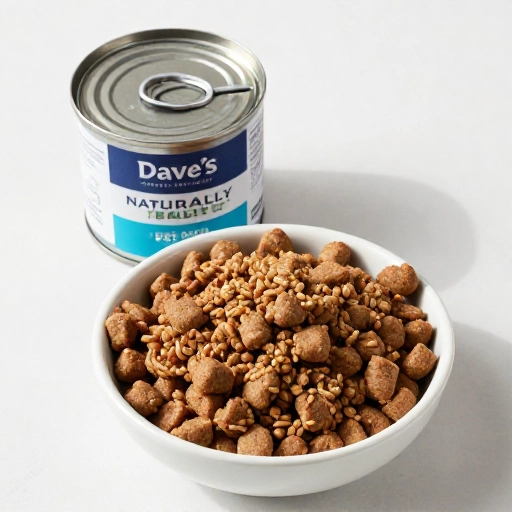
Final Thoughts on Urinary Health in Cats
Feeding the right food is a huge step, but it’s not the only thing that matters. Always make sure your cat has access to fresh water. Consider a pet water fountain—many cats prefer running water.
Watch for warning signs like straining to pee, blood in urine, or peeing outside the box. If you see these, call your vet immediately. Urinary blockages can be life-threatening.
Every cat is different. What works for one might not work for another. Be patient, try different textures, and always transition foods slowly. Your cat’s health is worth the effort.
[[IMG:IMG12]]
Frequently Asked Questions
Can dry food cause urinary problems in cats?
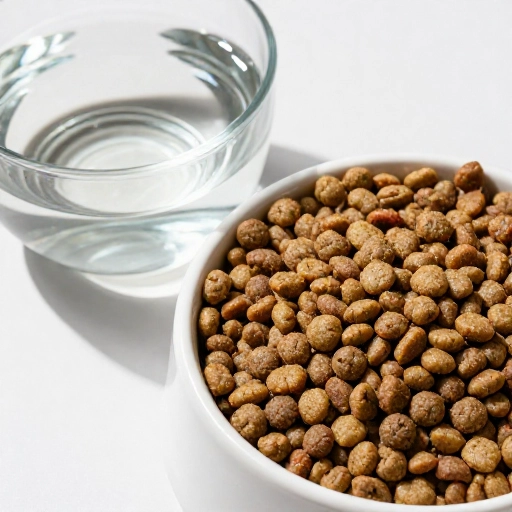
Yes, dry food can contribute to urinary issues because it has very low moisture. Cats on dry food often don’t drink enough water, leading to concentrated urine and crystal formation. Wet food is almost always a better choice for urinary health.
How long does it take for a urinary diet to work?
Most cats show improvement within a week or two. For dissolving existing struvite crystals, it can take 2 to 4 weeks. For calcium oxalate stones, dietary management prevents new ones but doesn’t dissolve existing ones—those may need surgical removal.
Is it safe to switch my cat’s food without a vet’s advice?
If your cat has a history of urinary blockages or crystals, always consult your vet first. They may recommend a prescription diet. For general prevention, you can try non-prescription wet foods, but go slowly to avoid stomach upset.
Can I mix wet and dry food for urinary health?
Absolutely. Many vets recommend a combination. The wet food provides moisture, while the dry food can help with dental health. Just make sure both are formulated for urinary support and that you’re not overfeeding.
What ingredients should I avoid in cat food for urinary health?
Avoid foods high in magnesium, phosphorus, and calcium—these can promote crystal formation. Also, steer clear of artificial preservatives and fillers. High-carb ingredients like corn, wheat, and soy can also stress the urinary system in sensitive cats.