7 Unique Dog Treats to Bake Your Pup Will Actually Love
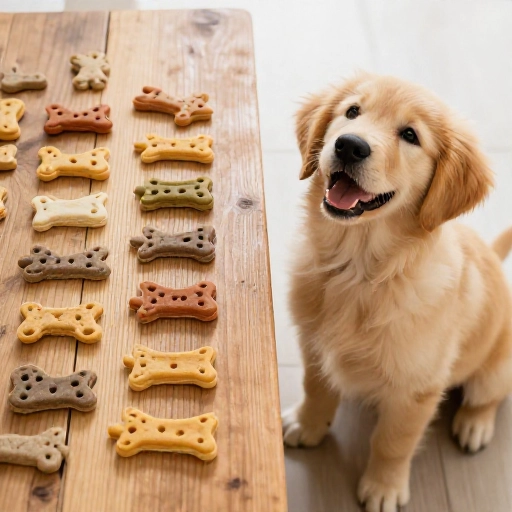
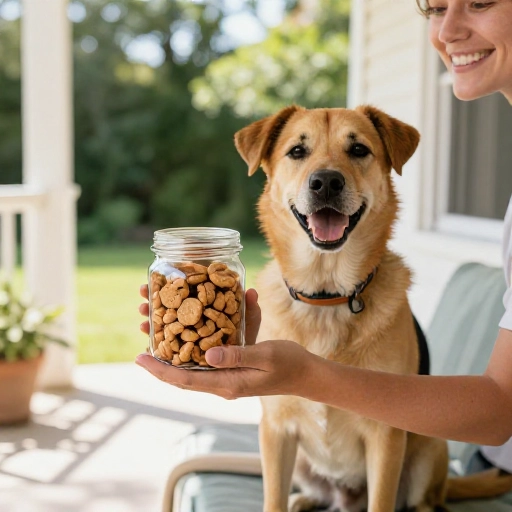
Let’s be honest—store-bought dog treats can get boring. And expensive. And sometimes filled with stuff I can’t even pronounce. That’s why I started baking for my dog, and honestly, it’s become one of my favorite weekend rituals. There’s something so satisfying about pulling a tray of warm, homemade treats out of the oven, knowing exactly what went into every bite.
These seven recipes are anything but basic. We’re talking pumpkin-spiced bites, cheesy sweet potato puffs, and even crunchy carrot cookies that smell good enough for humans. Each one uses simple, dog-safe ingredients you probably already have in your kitchen. No weird fillers, no preservatives—just whole foods that make tails wag.
Whether your pup has allergies, a picky palate, or just deserves something special, I’ve got you covered. Grab your mixing bowl and let’s bake some love.
Equipment You’ll Need
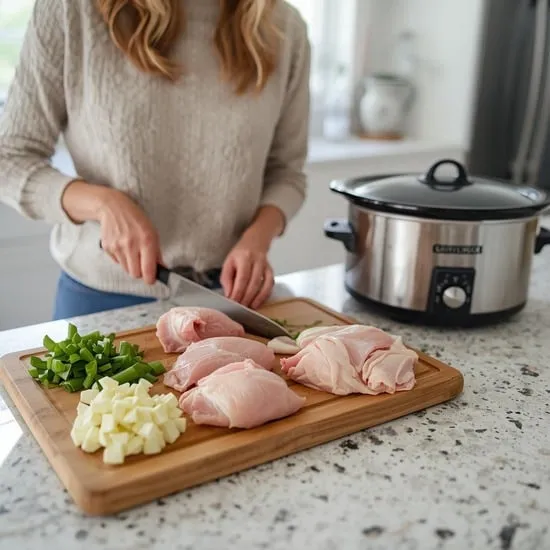
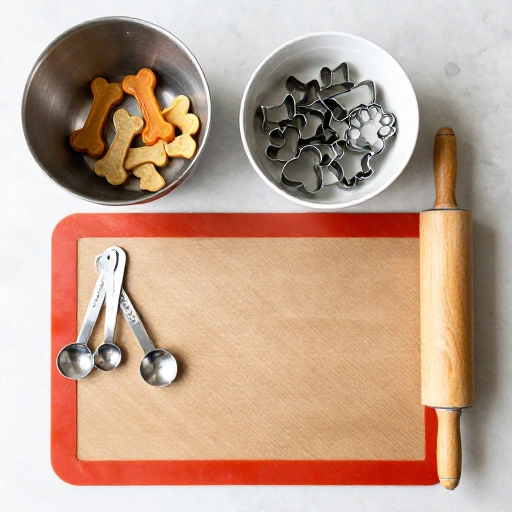
Before we dive into the recipes, let’s gather the basics. Most of these treats come together with simple tools—a mixing bowl, a spatula, and a baking sheet lined with parchment paper. A cookie cutter in a fun shape (bone, paw, star) makes them extra cute, but a knife works too. You might also want a mini muffin tin for the cheesy puffs and a rolling pin if you’re rolling dough. That’s really it. No fancy gadgets required.
7 Unique Dog Treat Recipes
1. Pumpkin-Peanut Butter Swirl Bites
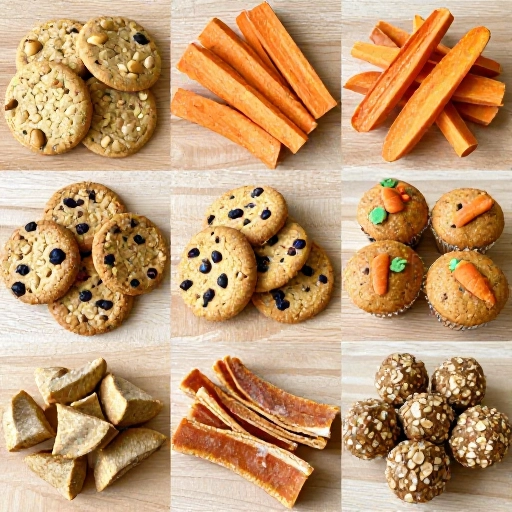
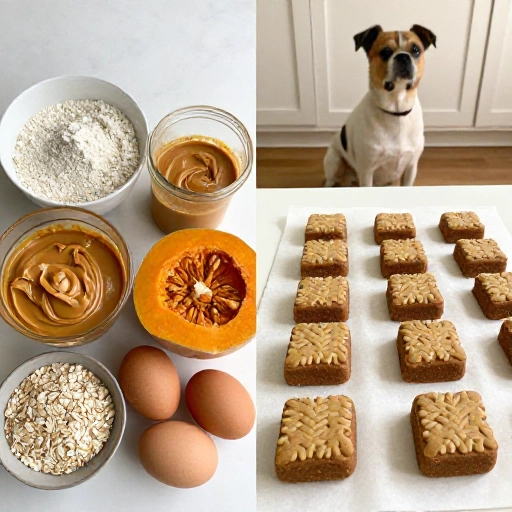
These are my go-to for fall, but honestly, I make them year-round. Mix 1 cup pumpkin puree (not pie filling), ½ cup natural peanut butter (no xylitol), and 2 cups whole wheat flour. Roll into small balls, flatten with a fork, and bake at 350°F for 15 minutes. The swirl pattern makes them look fancy, but they’re ridiculously easy.
2. Sweet Potato & Cheddar Puffs
Your dog will lose their mind over these. Mash 1 cooked sweet potato, mix with 1 cup shredded cheddar, 1 egg, and 1 ½ cups oat flour. Spoon into a mini muffin tin and bake at 375°F for 12 minutes. They’re soft, cheesy, and perfect for training treats.
3. Carrot-Apple Crunch Cookies
These are like little veggie cakes. Grate 1 carrot and 1 apple, then mix with 2 cups spelt flour, ¼ cup coconut oil (melted), and 1 egg. Drop spoonfuls onto a baking sheet and bake at 350°F for 18 minutes. They smell like apple pie, and your pup will think they’re dessert.
4. Blueberry Oatmeal Bites
Blueberries are packed with antioxidants, and dogs love the tiny bursts of flavor. Mix 1 cup rolled oats (blended into flour), ½ cup fresh blueberries, ¼ cup plain yogurt, and 1 egg. Roll into balls and bake at 350°F for 12 minutes. These are soft and perfect for senior dogs.
5. Bacon & Parsley Breath Fresheners
Yes, bacon. But it’s balanced with parsley for fresh breath. Cook 2 strips of bacon until crispy, then crumble. Mix with 1 cup whole wheat flour, ¼ cup chopped fresh parsley, 1 egg, and ¼ cup water. Roll out dough, cut into shapes, and bake at 350°F for 15 minutes. Your dog will thank you. Your nose will too.
6. Coconut & Banana Soft Chews
These are great for dogs who have trouble chewing hard treats. Mash 1 banana, mix with ¼ cup shredded coconut (unsweetened) and 1 ½ cups coconut flour. Add 1 egg and a splash of water if needed. Drop spoonfuls onto a baking sheet and bake at 325°F for 10 minutes. They come out soft and chewy.
7. Spinach & Chicken Savory Stars
For the veggie-loving pup. Blend ½ cup cooked spinach (drained), ½ cup cooked shredded chicken, 1 egg, and 1 ½ cups oat flour. Roll out dough, cut into star shapes, and bake at 350°F for 14 minutes. These are savory, protein-packed, and a great way to sneak in greens.
How to Make These Treats (General Tips)
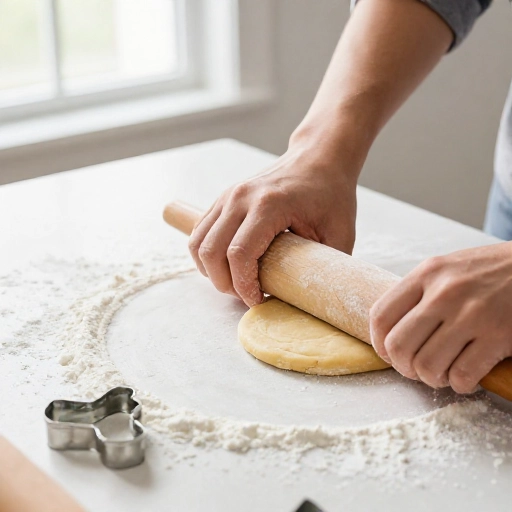
Start by preheating your oven and lining your baking sheet with parchment paper. Most of these doughs come together quickly—just mix dry ingredients first, then add wet ones. If the dough feels too sticky, add a little more flour. If it’s too dry, add a splash of water or broth. Roll or shape as directed, then bake until golden and firm. Let them cool completely before serving. I usually store mine in an airtight container in the fridge for up to two weeks, or freeze them for longer.
Why These Recipes Work
These treats aren’t just tasty—they’re made with whole ingredients that support your dog’s health. Pumpkin aids digestion, blueberries fight inflammation, and sweet potatoes provide vitamin A. Each recipe avoids common allergens like corn, soy, and artificial additives. Plus, baking them yourself means you control the salt, sugar, and fat. Your dog gets a snack that’s basically a tiny health boost in disguise. And honestly, the tail wags are priceless.
Conclusion
Baking for your dog doesn’t have to be complicated or time-consuming. These seven recipes prove that a few simple ingredients can create treats your pup will go crazy for—and you’ll feel good about giving them. Whether you’re making a batch for a special occasion or just because it’s Tuesday, your dog will appreciate the effort. So preheat that oven, get a little flour on your counter, and enjoy the process. Happy baking!
Frequently Asked Questions
1. Can I substitute flours in these recipes?
Yes! Oat flour, spelt, and whole wheat are interchangeable in most cases. For grain-free options, try coconut or almond flour, but note that coconut flour absorbs more liquid—you may need to adjust.
2. How long do homemade dog treats last?
Stored in an airtight container in the fridge, most treats stay fresh for up to two weeks. You can also freeze them for up to three months. Just thaw a few at a time.
3. Are these treats safe for puppies?
Absolutely, but keep portions small. Puppies have sensitive stomachs, so introduce new ingredients slowly. Most of these recipes are gentle and made with whole foods.
4. Can I use canned pumpkin instead of fresh?
Yes—just make sure it’s 100% pure pumpkin, not pumpkin pie filling. The filling has added sugar and spices that can upset your dog’s stomach.
5. My dog has allergies. Which recipe is best?
Try the Blueberry Oatmeal Bites or Coconut Banana Chews—they’re free of common allergens like dairy, wheat, and eggs if you skip the egg. Always check with your vet if you’re unsure.