Dog Food Ingredients to Avoid List for Healthy Pets

As a devoted dog parent, I’ve spent countless hours reading labels and researching what goes into our furry friends’ bowls. Not all dog foods are created equal, and some ingredients can actually harm your dog’s health over time. Understanding what to avoid can make a huge difference in your pup’s overall wellness and longevity.
Many commercial dog foods contain additives, fillers, and low-quality proteins that can cause digestive issues, allergies, or even long-term health problems. By being informed and selective, you can ensure your dog is getting the nutrients they truly need.
Artificial Preservatives and Additives
Artificial preservatives like BHA, BHT, and ethoxyquin are commonly used to extend shelf life in dog foods. While they help maintain appearance and freshness, studies suggest they may have negative impacts on your dog’s health, including cancer risk and organ stress.
Other additives, including artificial colors and flavors, are unnecessary for your dog and can trigger allergies or behavioral issues. Choosing natural or minimally processed foods can help reduce these risks significantly. 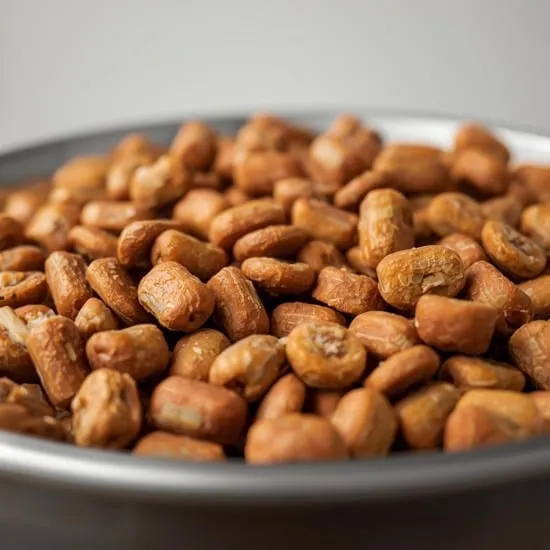
Low-Quality Protein Sources
Many dog foods contain by-products or unnamed meat meals instead of high-quality protein. While these ingredients provide protein, they are often low in essential nutrients and difficult for dogs to digest properly.
Look for named animal proteins, like chicken, beef, or salmon, to ensure your dog is receiving high-quality, bioavailable protein. This supports muscle maintenance and overall health. 
Excess Grains and Fillers
While some grains are okay for dogs, excessive amounts of corn, wheat, and soy can be hard to digest and may contribute to weight gain or allergies. These fillers add bulk but little nutritional value.
Opting for dog foods with controlled or grain-free options can improve digestion and energy levels for your pup. Whole-food ingredients provide more nutrients per serving. 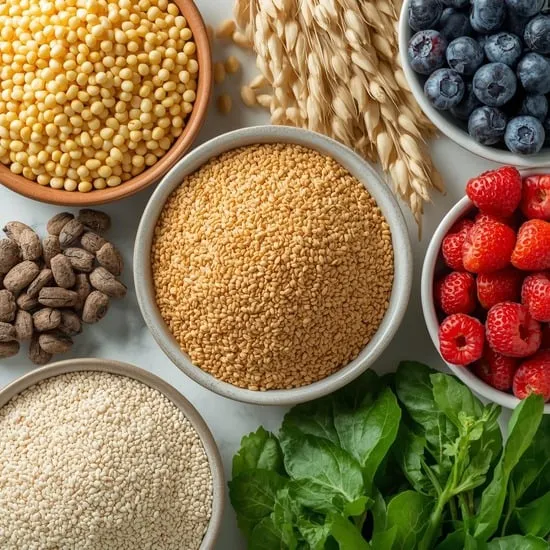
Sugars and Sweeteners
Some dog foods contain sugar, corn syrup, or other sweeteners to enhance taste. These are completely unnecessary for dogs and can lead to obesity, dental problems, and even diabetes over time.
Always check the ingredient list for hidden sugars and prioritize natural flavors from fruits or vegetables when possible. 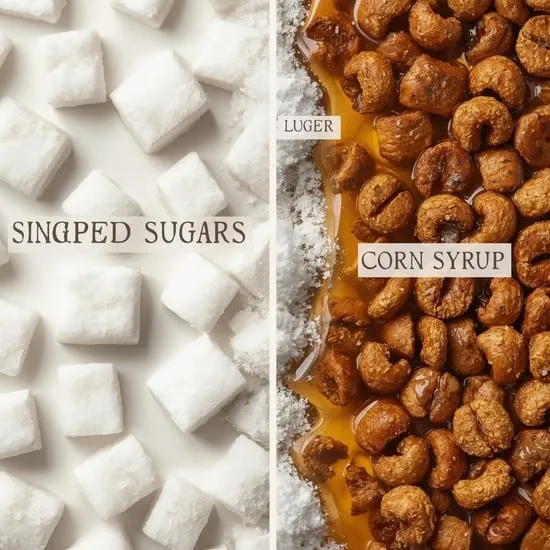
Conclusion
Keeping your dog healthy starts with understanding what goes into their food. Avoiding artificial preservatives, low-quality proteins, excessive fillers, and added sugars can make a big difference in your pup’s wellness.
By choosing high-quality, natural ingredients, you can support your dog’s health, energy, and happiness. A little awareness goes a long way in keeping your furry friend safe and thriving.