Small Dog Clothing Style Tips: Dressing Your Pup With Personality
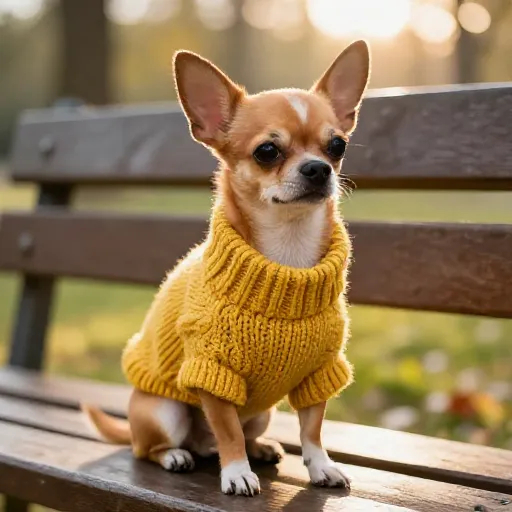
Let’s be honest—dressing up a tiny dog is one of the purest joys in life. Whether you have a Chihuahua, a Yorkie, or a miniature Poodle, their little bodies are basically built for adorable outfits. But style isn’t just about looking cute (though that’s a huge bonus). The right clothing can keep your pup warm, protect their skin, and even calm their nerves.
I’ve dressed my fair share of small dogs, and I’ve learned that fit and fabric matter way more than the price tag. A sweater that’s too tight will make your pup miserable, and a jacket that’s too loose is a tripping hazard. So, let’s talk about how to build a stylish, functional wardrobe for your little sidekick—without turning them into a meme (unless that’s the goal, which is totally valid).
From cozy knits to rain-proof gear, here are my favorite small dog clothing style tips to keep your furry friend looking sharp and feeling amazing.
1. Prioritize the Perfect Fit, Not Just the Size Label
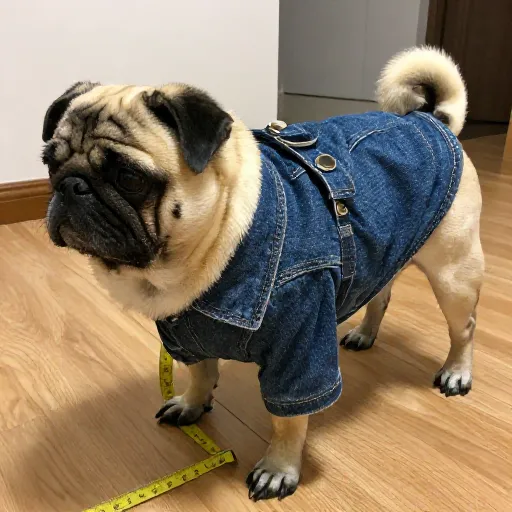
Small dogs come in wildly different shapes. A stocky French Bulldog needs a totally different cut than a slim Italian Greyhound. Always measure your dog’s chest, neck, and back length before buying anything. Most brands have size charts, but they’re just guidelines.
Look for clothing that allows full range of motion. Your pup should be able to sit, walk, and squat without fabric bunching up around their legs. A good rule of thumb: you should be able to fit two fingers comfortably between the fabric and your dog’s body.
If you’re shopping online, read reviews from other small dog owners. They often mention if a size runs small or large.
2. Go for Soft, Stretchy Fabrics for Everyday Wear
For daily walks or lounging around the house, jersey cotton and bamboo blends are your best friends. They’re breathable, soft, and don’t cause static cling. Avoid rough wools or stiff canvas unless it’s a special occasion.
Stretchy fabrics are especially important for small dogs with delicate frames. They move with your pup instead of restricting them. Look for sweaters with a bit of spandex or elastane mixed in.
Also, check the seams. Flat seams are a lifesaver—they prevent chafing on sensitive skin, especially under the armpits.
3. Layer Like a Pro for Changing Weather
Small dogs lose body heat fast, so layering is key for fall and spring. Start with a thin, moisture-wicking base layer, then add a fleece or knit sweater on top. This traps warmth without making your pup feel like a stuffed sausage.
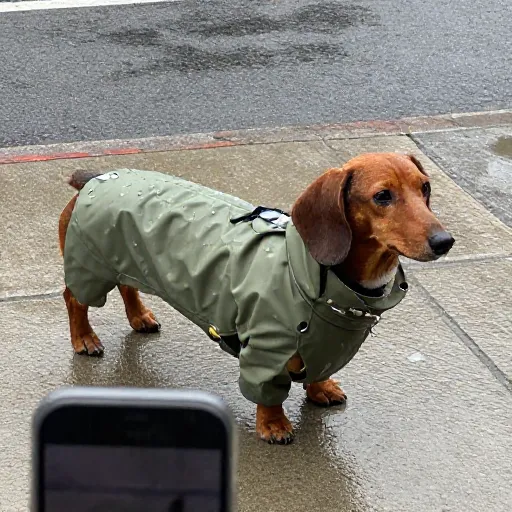
For rainy days, use a waterproof shell over the sweater. This keeps the inner layer dry and warm. Look for jackets with a hood or a high collar for extra protection.
In deep winter, add a puffer vest under a coat. It’s the doggy equivalent of a puffy jacket, and it keeps the core warm while allowing leg movement.
4. The Magic of Velcro and Snap Closures
Small dogs are wiggly. If you’re wrestling with buttons or complicated zippers, you’re going to lose. Velcro straps are your best bet for quick changes. They’re adjustable and easy to fasten even when your pup is bouncing with excitement.
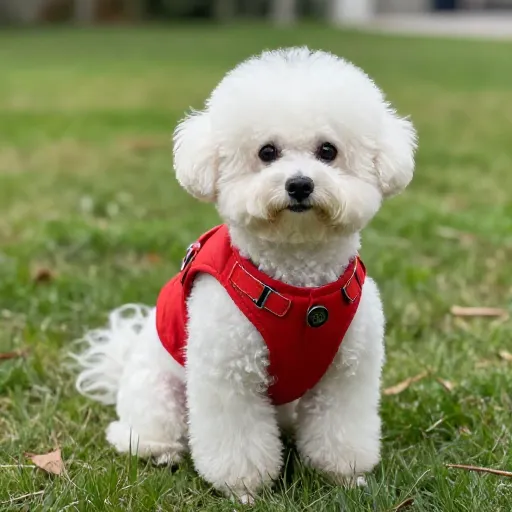
Snap buttons are another great option, especially for harness-compatible clothing. Look for designs that open at the chest so you can clip on a leash without removing the outfit.
Steer clear of pull-over sweaters if your dog hates having stuff over their head. A front-closing design is much more cooperative.
5. Match the Outfit to Your Dog’s Lifestyle
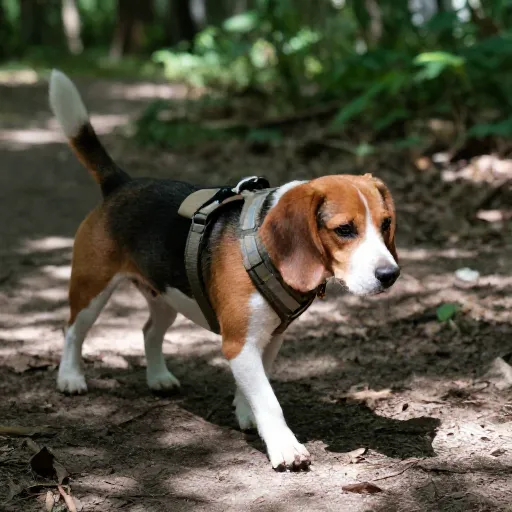
Does your pup go on rugged hikes or prefer stroller rides? Dress for the activity. For active dogs, choose durable, easy-to-clean fabrics like ripstop nylon or fleece. For couch potatoes, soft knit cardigans are perfect.
If you live in a city, consider a harness-friendly jacket with reflective strips for evening walks. Safety is always in style.
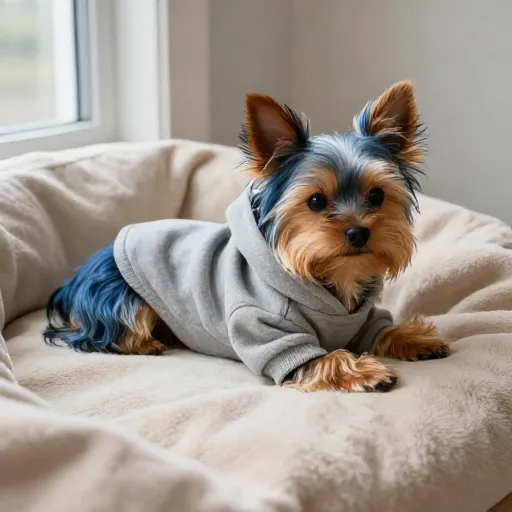
For indoor pups who get chilly on tile floors, a cozy hoodie is perfect. It keeps them warm without the bulk of a winter coat.
6. Express Personality With Colors and Patterns
Have fun with it! Your dog’s coat color matters when picking shades. For example, deep jewel tones like burgundy or emerald pop beautifully on white or cream dogs. For black or brown pups, pastels and bright colors like coral or mint look stunning.
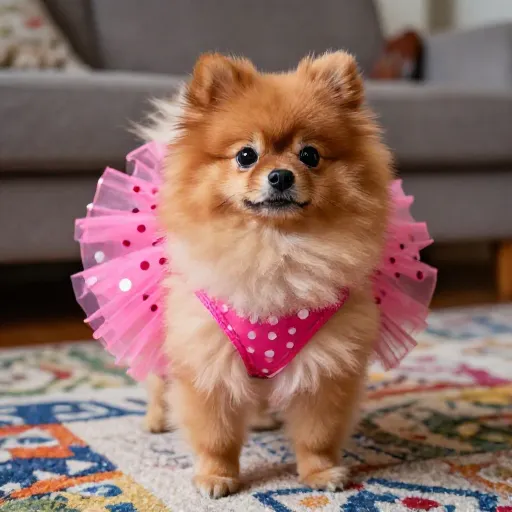
Prints are a great way to show off personality. Plaid, polka dots, and tiny floral patterns are always Pinterest favorites. Just make sure the pattern isn’t too busy that it hides your dog’s adorable face.
Don’t be afraid of classic neutrals like camel or gray. They’re easy to mix and match and look chic in any setting.
7. Don’t Forget Boots for Extreme Weather
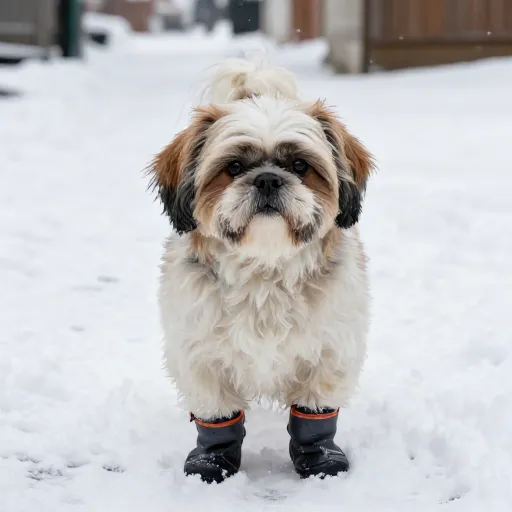
Most small dogs hate boots at first, but they’re essential for hot pavement or icy sidewalks. Look for boots with a flexible sole and a wide opening. Avoid stiff, heavy boots that make your dog walk funny.
Get your pup used to them indoors before heading out. Reward them with treats for wearing them. Once they realize the boots keep their paws comfy, they’ll tolerate them.
For indoor use, socks with grippy bottoms are a cute alternative. They help on hardwood floors and keep paws warm.
8. Accessorize Sparingly—and Safely
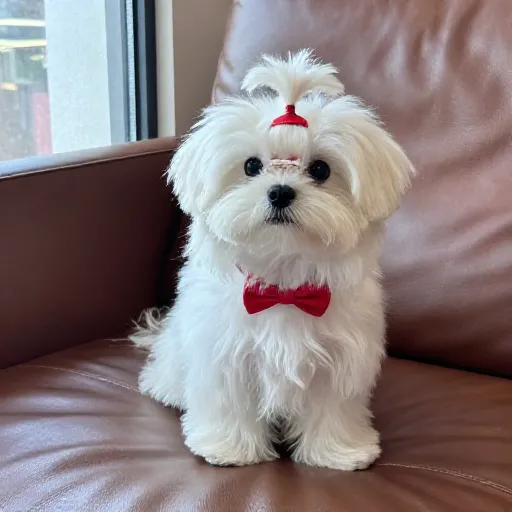
A tiny scarf or a little bow tie can elevate an outfit instantly. But safety first. Never use accessories that dangle too much; they can get caught on things. Opt for snap-on bows or collars with built-in charms.
Bandanas are always a smart choice. They’re lightweight, easy to tie, and don’t restrict movement. Plus, they’re super quick to swap out for a fresh look.
If you’re doing a themed photoshoot, keep accessories minimal. Your dog’s face should be the star, not a giant hat.
9. Keep a Capsule Wardrobe for Your Pup
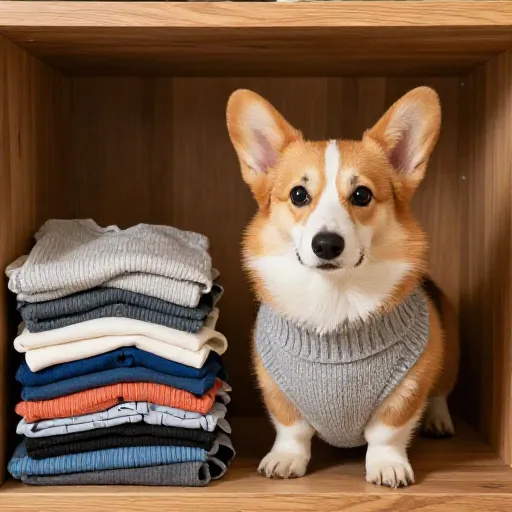
You don’t need 50 outfits. A capsule wardrobe works wonders. Aim for: two lightweight sweaters, one fleece jacket, one waterproof coat, and one special occasion outfit. That covers almost every scenario.
Neutral pieces are more versatile. You can change the look with different bandanas or collars. This saves money and closet space.
Rotate the outfits regularly so your pup doesn’t get bored. It also lets you notice if something doesn’t fit anymore.
10. Watch for Signs of Discomfort
Even the cutest outfit isn’t worth a miserable dog. Watch for signs like excessive scratching, trying to bite the clothes, or refusing to walk. These are signals that something is wrong.
Check for red marks or bald spots after wearing. If you see any, adjust the fit or switch fabrics. Some dogs have sensitive skin that reacts to certain dyes.
Always take clothing off at night. Your pup needs time to air out and groom themselves without restrictions.
Conclusion
Dressing your small dog is a chance to bond and have fun. The key is balance: prioritize comfort, choose quality fabrics, and let your pup’s personality shine through. Start with a few essential pieces, test them out, and build from there.
Remember, your dog doesn’t care about fashion trends. They care about feeling safe and loved. When they look good and feel good, you’ll both enjoy every walk and every cuddle session even more.
So go ahead—pick that adorable little sweater and snap some photos. Your Pinterest feed will thank you.
FAQ
Do small dogs really need clothes?
Yes, especially for breeds with thin coats or those that are prone to shivering. Clothing helps regulate body temperature and protects sensitive skin from the elements.
How do I know what size to buy?
Measure your dog’s neck, chest (right behind the front legs), and back length (from the base of the neck to the base of the tail). Compare these to the brand’s size chart.
Can I leave clothes on my dog all day?
It’s best to remove clothing when your dog is unsupervised or sleeping. This prevents overheating and gives their skin a break.
What materials should I avoid?
Avoid rough acrylics, itchy wools, and anything with heavy embellishments that could be chewed off. Stick to breathable natural fibers or high-quality synthetics.
How do I wash dog clothes?
Use a gentle, fragrance-free detergent. Wash in cold water and air dry. Avoid fabric softeners, as they can irritate your dog’s skin.