10 Garage Kennel Designs for Dogs That Are Actually Genius
Let’s be real for a second. Your garage is probably a dumping ground for old paint cans, holiday decorations, and that treadmill you swore you’d use. But what if I told you it could be the coolest hangout spot for your pup? Turning your garage into a kennel isn’t just about giving your dog a place to sleep—it’s about giving them a safe, cozy den that keeps them out of trouble when you’re not home.
I’ve spent way too many hours scrolling through Pinterest boards and DIY forums to find the best ways to make this work. Whether you have a tiny one-car garage or a massive workshop, there’s a design here for you. These aren’t just cages—they’re spaces your dog will actually love. Let’s dive into my favorite setups that are practical, stylish, and totally doable on a budget.
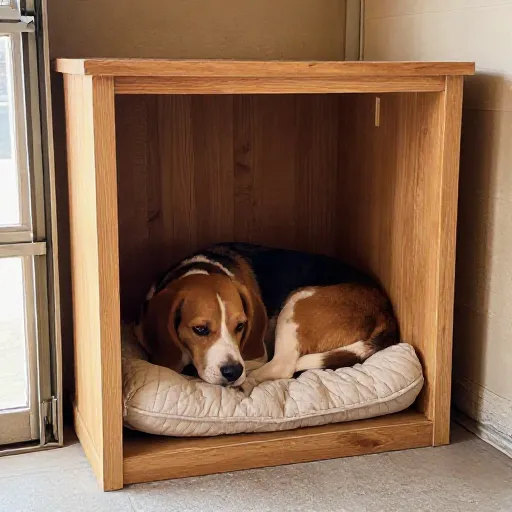
1. The Cozy Corner Alcove
If your garage is packed with stuff, you don’t need a huge footprint. Look at the corners—they’re usually wasted space. I love building a custom triangular kennel that tucks right into a corner, using two walls as the sides. This instantly gives your dog a secure spot without blocking your walking path.
Use a simple metal dog panel or even a wooden gate to close off the third side. Add a soft mat and a low-heat lamp (if it gets chilly) and you’re set. It’s the perfect spot for a dog that likes to feel tucked in and safe.
Pro tip: Paint the inside walls with washable, semi-gloss paint. Muddy paws and drool wipe off in seconds.
2. The Elevated Platform Kennel
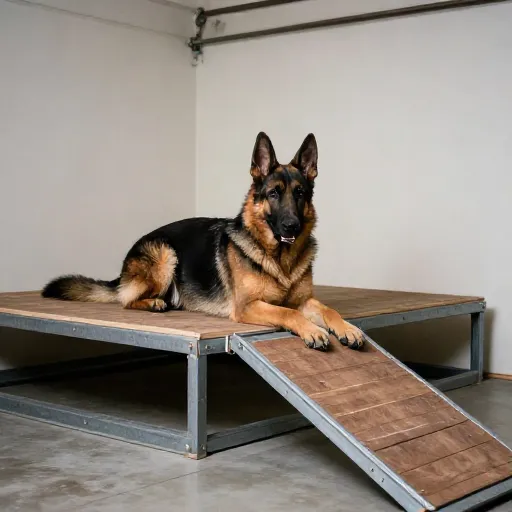
Garage floors are cold in winter and hard on joints. One of my favorite tricks is building a raised platform inside the kennel. It’s basically a sturdy wooden frame with a plywood top, sitting about six inches off the ground. This keeps your dog off the cold concrete and gives them a clear “bed” area.
You can even add caster wheels to the platform so you can roll it out for easy cleaning. Pair it with a crate liner or a thick memory foam dog bed. The height difference also creates a natural separation between the sleeping zone and a potty pad area (if you use one).
This design is a game-changer for older dogs who struggle with cold floors.
3. The Crate-In-A-Cabinet Hack
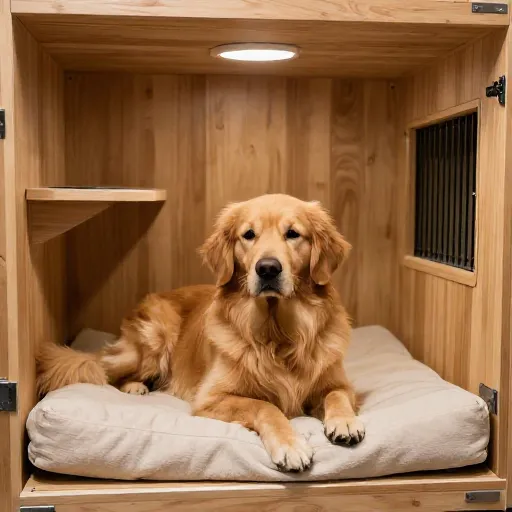
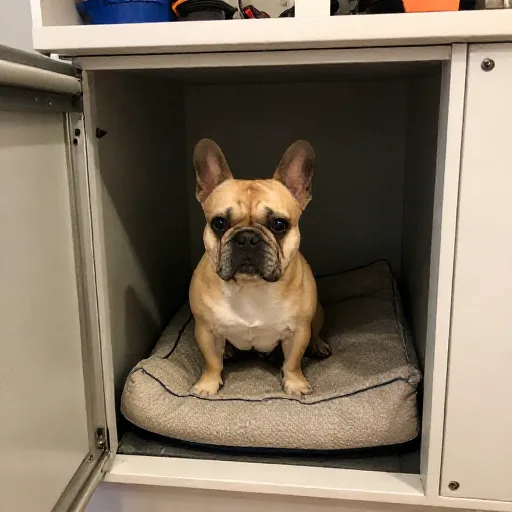
This one is for the neat freaks out there. I’m talking about building a wooden cabinet around a standard wire crate. You basically frame the crate with plywood and add a hinged door on the front. It looks like a built-in storage unit, but it’s your dog’s private suite.
This hides the “kennel” look entirely. You can even paint it to match your garage cabinets or tool chests. It’s surprisingly easy to DIY—just measure your crate and build a simple box around it.
Inside, keep the crate door open so your dog can come and go. The solid wood walls make it feel extra den-like and blocks out drafts.
4. The Two-Bay Suite for Multiple Dogs
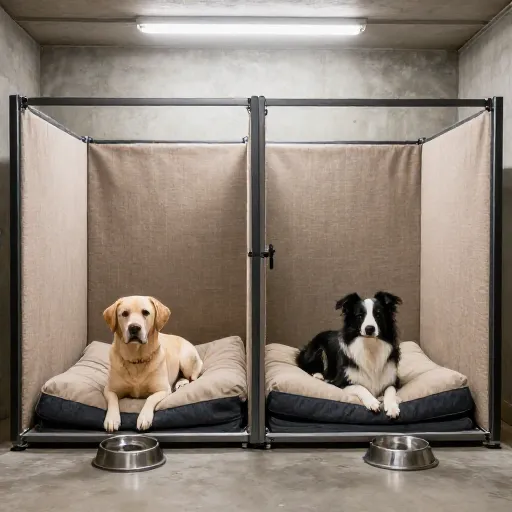
Got a pair of troublemakers? You need a double-wide setup. Instead of two separate crates, build one large frame and split it down the middle with a removable divider panel. This gives each dog their own space to eat and sleep, but they can still see each other through the mesh or wire divider.
This is brilliant for keeping the peace during meal times. You can slide the divider out when you’re supervising them to let them play together in the bigger space. It’s all about flexibility.
Make sure each side has its own water bowl holder to avoid any arguments over resources.
5. The Mudroom-Inspired Entry Kennel
Think of this as a giant mudroom for your dog. You build a kennel right next to the garage entry door. The genius part? You install a dog door on the exterior wall, so your pup can go outside to do their business and then come back into their kennel to chill.
Inside the kennel, keep a towel rack for muddy paws and a rubber mat to catch dirt. This keeps the rest of your garage (and house) clean. It’s a massive time-saver for rainy days.
You’ll need to seal the dog door properly to keep bugs and drafts out, but it’s totally worth it for the convenience.
6. The Industrial Pipe Frame Kennel
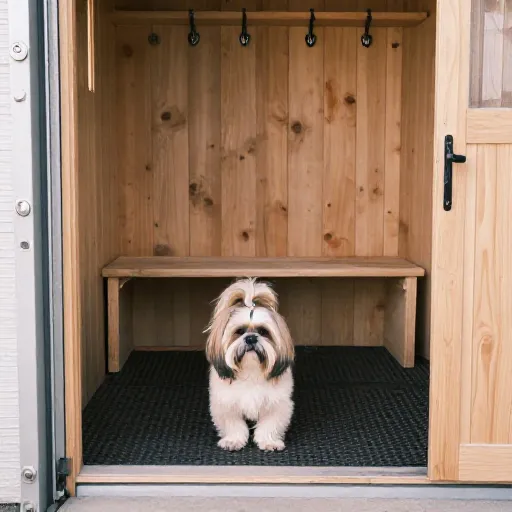
Okay, this one is purely aesthetic. If you love the modern farmhouse or industrial look, skip the wood and use black iron pipes. You can build a super sturdy kennel frame using plumbing pipes and flanges. It looks incredible and is practically indestructible.
Attach wire mesh or welded wire panels to the inside of the pipe frame. The pipes make a great place to hang toys or a water bowl hook. It’s a bit more expensive than wood, but it lasts forever and looks like something out of a magazine.
Just be sure to sand down any sharp edges on the pipe threads before assembling.
7. The Pallet Wood Rustic Den
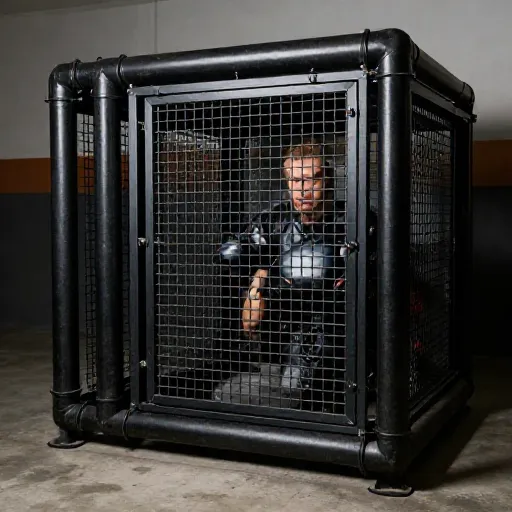
On a budget? Hit up your local hardware store or recycling center for free pallets. You can dismantle them and build a rustic, barn-style kennel. This look is super charming and fits perfectly in a garage that has that “workshop” vibe.
The key is to sand the wood down really well to avoid splinters. You can leave the wood natural or stain it a dark walnut color for a richer look. Pair it with a galvanized steel water bucket for that farmhouse feel.
Use sturdy hinges and a latch that a clever dog can’t figure out. Trust me—they are smarter than we think.
8. The Climate-Controlled Comfort Zone
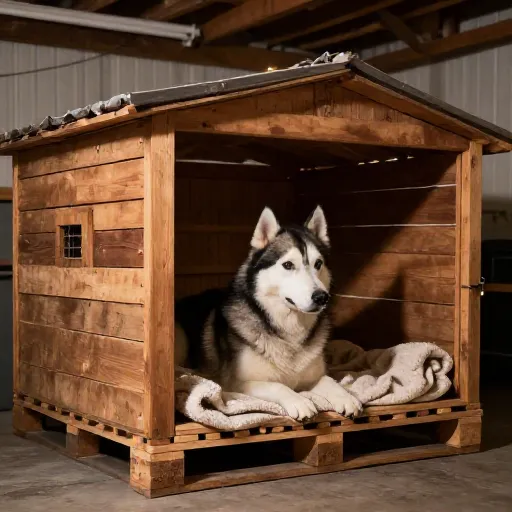
Garages can get brutally hot in the summer. If you’re leaving your dog out there for a few hours, you need to address the temperature. I highly recommend installing a mini-split AC unit or at least a high-velocity fan that’s pointed directly at the kennel.
I like building the kennel in the shadiest part of the garage, away from any windows. You can also add reflective insulation panels to the kennel roof to deflect heat. For winter, a heated dog mat is a lifesaver.
This is less about the “design” and more about the comfort. But trust me, a dog won’t use the kennel if they’re miserable inside it.

9. The Walk-In Closet Kennel
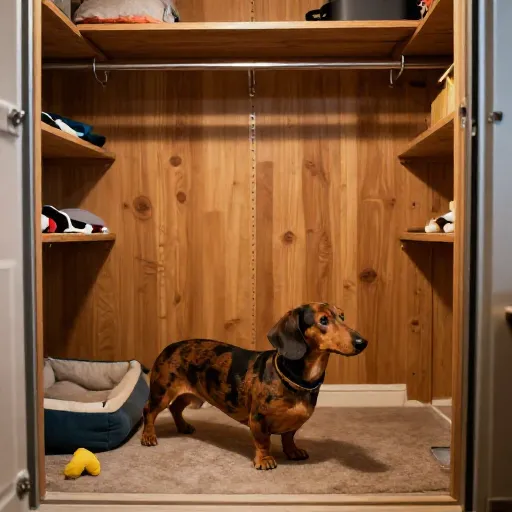
If you have a spare nook or a space under a workbench, turn it into a walk-in closet for your dog. This isn’t a cage—it’s a room. You can hang a curtain or install a Dutch door (half door) to close it off.
Inside, you can fit a full-size dog bed, a crate for them to hide in, and a low shelf for their toys. It’s like a tiny apartment for your pup. This is great for dogs that are anxious and need multiple “zones” to choose from.
You can even add a little wall-mounted light or a photo frame. It’s a bit extra, but your dog deserves the luxury.
10. The Rolling Cage on Locking Casters
This is the ultimate space-saver. Build a standard wooden or wire kennel, but mount it on a sturdy plywood base with four heavy-duty locking casters. Now you can roll the entire kennel out of the way when you need to park a car or work on a project.
When it’s time for your pup to hang out, just roll it into a central spot so they can see what you’re doing. The casters make cleaning a breeze—just roll it outside and hose it down.
Make sure the casters lock on at least two wheels so the kennel doesn’t slide around when your dog is jumping inside.
Final Thoughts
Building a garage kennel is one of the best projects you can take on. It gives your dog a secure place to relax and keeps your home free from chewed-up shoes and accidents. I promise, once you see how happy your dog is with their own space, you’ll wonder why you didn’t do it sooner.
Take your time measuring your space and think about your dog’s specific needs—do they like to burrow? Do they get hot easily? Answering those questions will guide your design. And remember, the best kennel is the one your dog actually wants to go into voluntarily.
Frequently Asked Questions
Q: Is it safe to keep my dog in the garage all day?
It can be safe if the temperature is controlled and the space is well-ventilated. Never leave them without water, and make sure the garage is dog-proofed (no chemicals or sharp tools within reach). It’s better for shorter periods or overnight, not 24/7.
Q: What’s the best flooring for a garage kennel?
I love using interlocking rubber gym mats. They’re soft on joints, waterproof, and super easy to clean with a hose. Skip carpet—it holds odors and is impossible to sanitize.
Q: How big should my garage kennel be?
Your dog should be able to stand up, turn around, and lie down stretched out comfortably. For most medium dogs, a 4×6 foot area is great. Larger breeds need closer to 5×8 feet.
Q: Can I use a regular dog crate instead of building a kennel?
Absolutely! A giant wire crate is a fast and easy option. But building a kennel gives you more room for a bed, water bowl, and toys. Plus, it looks way nicer than a metal cage.
Q: How do I stop my dog from barking in the garage?
Boredom is the enemy. Provide a puzzle toy or a safe chew bone inside the kennel. Covering the kennel with a sheet on one side can also help them feel more secure and less reactive to noises outside.