12 Interactive DIY Dog Toys for Mental Stimulation (Cheap, Easy & Beginner-Friendly)
A bored dog is a creative dog — and usually that creativity shows up as chewed shoes, shredded couch cushions, or barking at nothing at 6 p.m. I learned this the hard way with my own pup, who could destroy a $15 pet store toy in about four minutes flat.
So I started making toys at home. Not fancy ones. Just things built from stuff I already had: cardboard, an old towel, a muffin tin, a few treats. The surprise? My dog loved them more than anything I bought.
Below are 12 interactive DIY dog toys for mental stimulation that actually work. They’re cheap, quick to put together, and they tap into your dog’s natural instincts — sniffing, digging, licking, chewing, and problem-solving. Pick two or three to start, and watch your dog’s brain light up.
1. The Muffin Tin Treat Puzzle
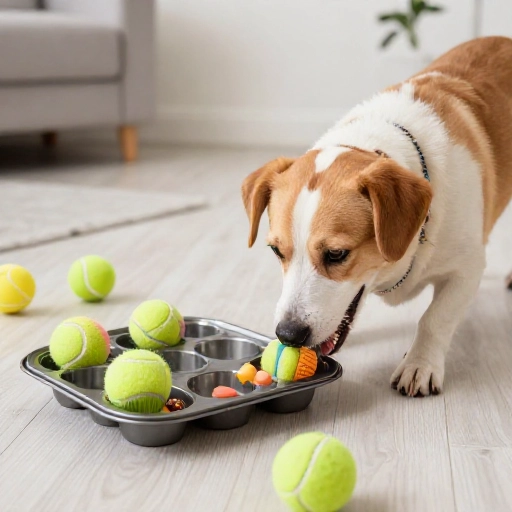
This one is my go-to when I need 15 minutes of quiet. Grab an old muffin tin, drop a treat or a bit of kibble into each cup, then cover every cup with a tennis ball. Set it on the floor and let your dog figure out how to nose the balls out of the way.
At first, most dogs just stare at it. Then the lightbulb moment hits and they start batting the balls across the kitchen. It’s genuinely fun to watch.
Upgrade it later by covering some cups with fabric scraps instead of balls, so your dog has to use paws and teeth to dig them out. Always supervise, and skip this one if your dog is a serious ball swallower.
2. A Snuffle Mat Made from Fleece Scraps
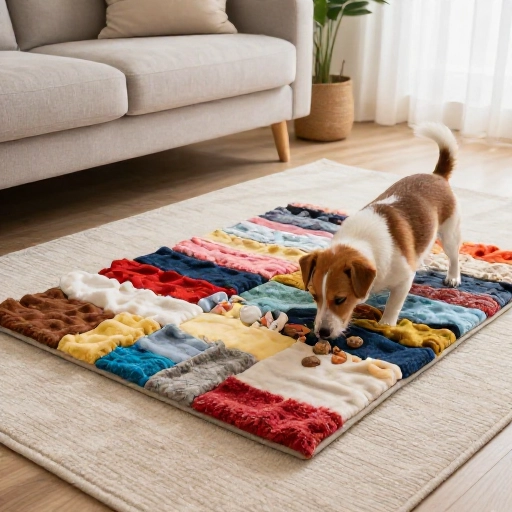
Dogs were born to sniff, and sniffing is surprisingly tiring work. A snuffle mat lets them hunt through fabric folds for scattered kibble, and it slows down fast eaters too.
You can make one with a rubber sink mat (the kind with holes) and strips of fleece. Push each strip through a hole, tie a knot, and keep going until the whole thing looks like a shaggy jungle. Toss a handful of treats in and shake it around.
No sewing, no glue, and it survives the washing machine. If you’d rather not DIY, this is also the easiest one to fake — a crumpled blanket on the floor works in a pinch.
3. Frozen Broth Pops for Licking
Licking is calming for dogs. It releases feel-good brain chemicals and gives anxious pups something to focus on instead of the mail carrier.
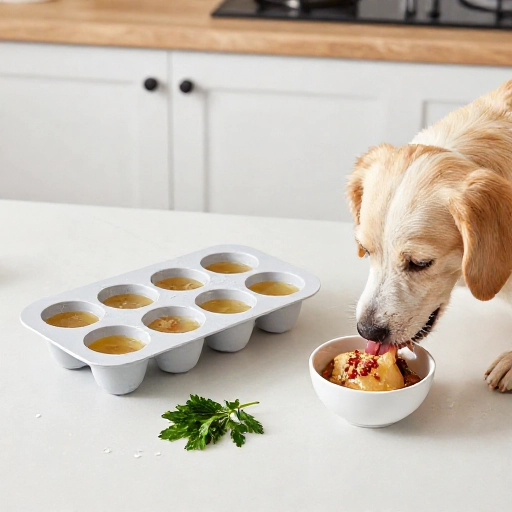
Here’s my recipe: mix low-sodium dog-safe broth with a spoonful of plain yogurt or pumpkin puree, pour it into silicone molds or paper cups, drop a few treats in, and freeze overnight.
On hot days I hand one over outside and my dog is occupied for a solid 20 minutes. Just double-check your broth has no onion or garlic powder — those are toxic to dogs.
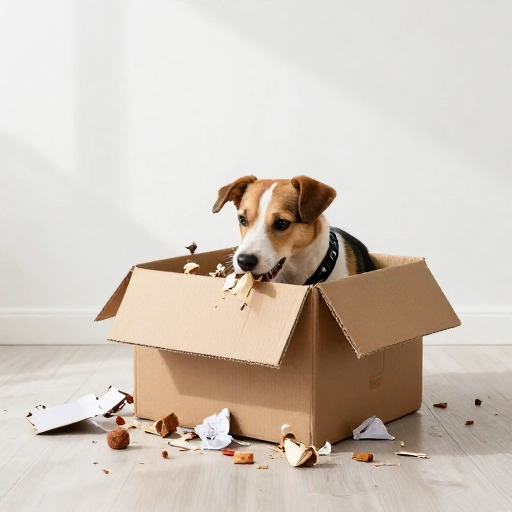
4. The Cardboard Destruction Box
Some dogs don’t want a puzzle. They want to rip something apart. Give them a legal outlet for that.
Take a cardboard box, toss in crumpled paper, a few treats, and a toy or two, then tape it shut. Your dog gets to shred, dig, and hunt — all the destruction without the guilt.
I like to layer it: small box inside a bigger box, treats tucked in the gaps. It adds an extra problem-solving step.
Rules: remove tape and staples first, and only do this with dogs who swallow cardboard rather than spit it out.
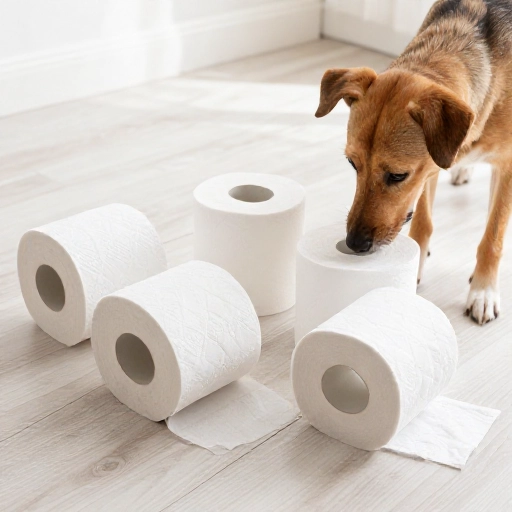
5. Treat-Stuffed Toilet Paper Rolls
Save your empty cardboard tubes. Fold one end shut, drop in kibble, then fold the other end. Hand it over and watch your dog pinch, chew, and shake until the food falls out.
This is the cheapest toy on the list — basically free — and it’s perfect for a quick boredom buster while you’re cooking dinner.
For a tougher version, tuck the stuffed rolls inside a box or a paper bag so your dog has to unwrap first, then unroll.
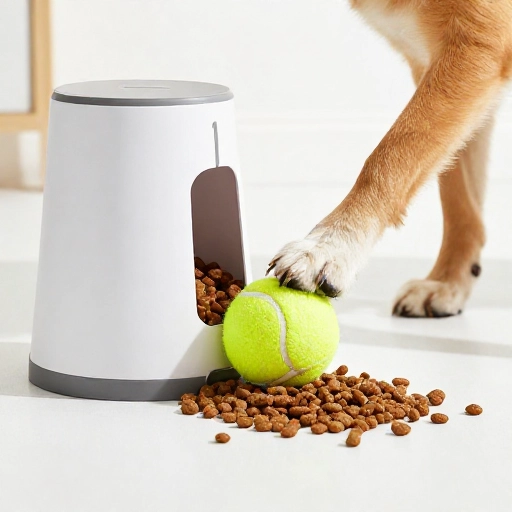
6. Tennis Ball Treat Dispenser
Cut a small slit in an old tennis ball (about an inch), squeeze it open, and drop in a few kibble pieces. Your dog has to roll and paw it around until the food tumbles out.
It’s simple, but the rolling motion keeps the game moving and turns mealtime into a mini workout.
Make the slit small enough that treats come out slowly — that’s the whole point. And retire the ball once it’s chewed into a choking hazard.
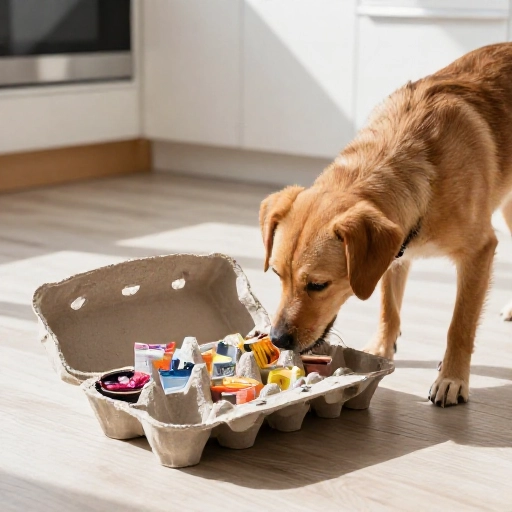
7. Egg Carton Treasure Hunt
A cardboard egg carton is basically a ready-made puzzle. Place a treat in each cup, close the lid, and set it down.
Dogs who are new to puzzles might need you to pop the lid open the first time. After that, most figure out they can just squash the whole thing with a paw.
Bonus: this one works great for small dogs and puppies because it’s lightweight and low-risk.
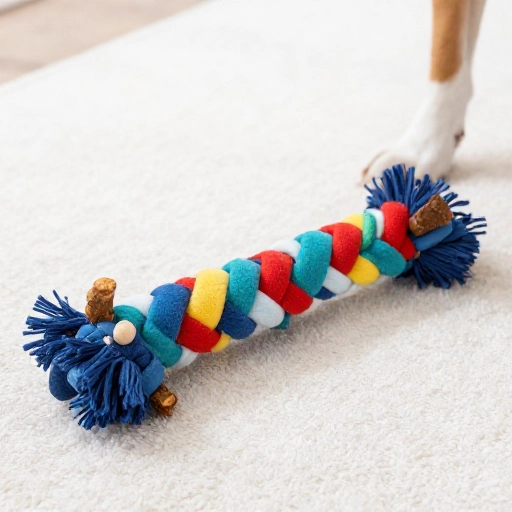
8. Fleece Braid Tug Toy with Hidden Treats
Tug is a great bonding game, and you can make a sturdy braid with three strips of fleece. Knot the ends tight and you’re done in about five minutes.
To add a mental challenge, tuck small treats into the knots along the braid. Your dog has to work them loose while also getting to shake and tug.
Teach a “drop it” cue early and use this one as a reward game, not a wrestling match. Keep it gentle and stop if your dog gets over-aroused.
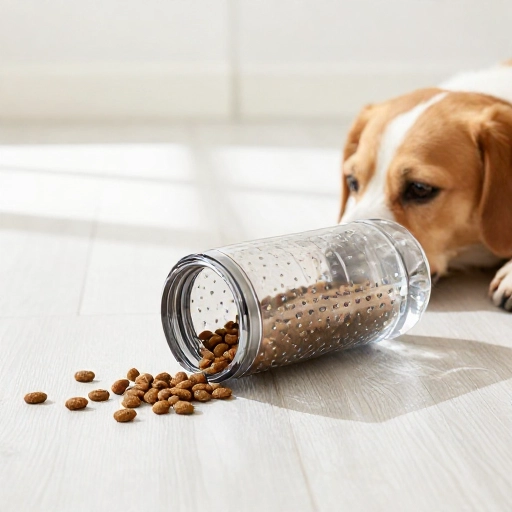
9. Water Bottle Kibble Tumbler
Take a clean, empty plastic bottle, punch a few holes in the sides, and fill it with kibble. Your dog rolls it around the room and food sprinkles out through the holes.
It’s loud, chaotic, and my dog’s absolute favorite thing on a rainy day.
Safety first: peel off the label and the plastic ring, supervise the whole time, and throw it out once it’s cracked. Never leave a plastic bottle with a dog who shreds and swallows plastic.
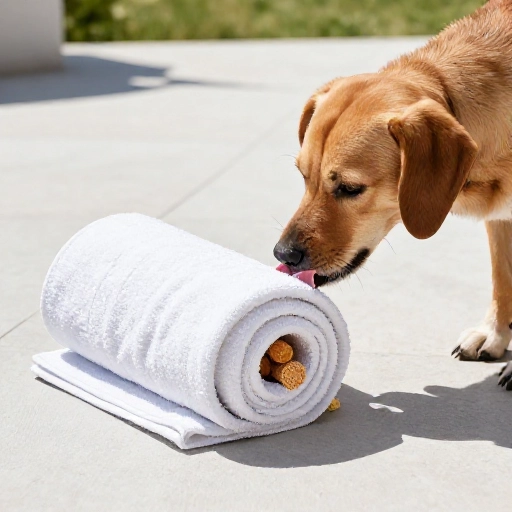
10. Frozen Towel Roll-Up
Soak a towel in water or broth, lay it flat, scatter treats across it, then roll it up and freeze it.
Your dog has to unroll the whole thing to get to the good stuff — and the cold texture feels great on sore gums, especially for teething puppies.
This is also a nice one for crate training, since it gives your dog something to do while settling down.
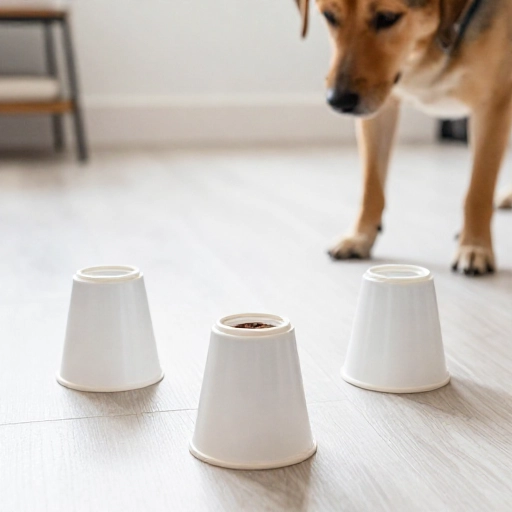
11. The Cup Shell Game
Three paper cups, one treat, endless entertainment. Show your dog the treat, cover it with a cup, then shuffle a couple of cups around slowly.
Start easy — don’t move them at all — and reward your dog for nudging the right cup. Build up the shuffling as they catch on.
This is a real brain workout because it involves memory, scent, and impulse control all at once. Short sessions of two or three minutes are plenty.
12. Ice Cube Treasure Blocks
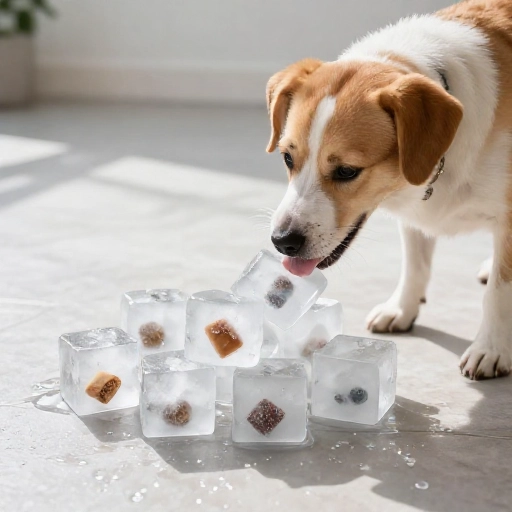
Freeze kibble inside ice cubes or a small plastic container of water. Pop the block onto a towel or in a shallow tray and let your dog lick and paw it loose.
It’s messier than the other ideas, so I usually save it for the backyard or a tiled floor.
Great for hot summer days, and the slow melting means the game lasts a lot longer than you’d expect. Skip it for dogs who gulp chunks of ice without chewing.
Wrapping It Up
You really don’t need a fancy toy budget to keep your dog’s brain busy. A muffin tin, a cardboard box, and a bag of kibble can do more for mental stimulation than a shelf full of squeaky toys.
My advice: rotate three or four of these at a time and swap them out every week or so. Novelty is what keeps the game interesting, and it stops your dog from getting bored of the same puzzle.
Keep sessions short, end on a win, and always supervise new toys the first few times. Ten minutes of sniffing and problem-solving usually wears my dog out more than an hour of fetch.
FAQ
How often should I give my dog interactive toys?
A few times a day works well for most dogs — a food puzzle at mealtime, a snuffle mat in the afternoon, and something frozen in the evening. Ten to fifteen minutes per session is usually plenty.
Are DIY dog toys safe?
Yes, as long as you supervise and use dog-safe materials. Skip anything with staples, tape, glue, painted cardboard, or small parts your dog could swallow. Toss toys once they’re torn or cracked.
Which DIY toy is best for a puppy?
Egg carton puzzles, toilet paper rolls, and the frozen towel roll-up are all gentle options for puppies. They’re soft, low-risk, and easy for small mouths to handle.
My dog ignores the puzzle — what should I do?
Make it easier. Leave treats partly visible, open the flaps for them, or use higher-value food. Some dogs need you to demonstrate once before they get it.
Can mental stimulation replace walks?
Not entirely — dogs still need physical exercise and sniff time outside. But brain games do tire them out fast, so they’re a great addition on rainy days or when you’re short on time.