Puppy Vaccination Timeline: A Simple Guide for New Pet Parents
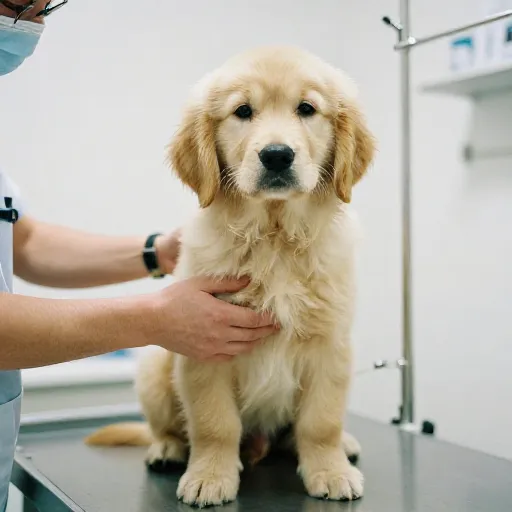
Bringing home a new puppy is pure joy—those tiny paws, that wobbly walk, and the sudden urge to chew everything in sight. But along with the cuddles comes real responsibility, and one of the most important things you can do is get your puppy’s vaccinations on track. I remember staring at my first puppy’s vet paperwork feeling completely overwhelmed, so I get it. Let’s break this down together in plain, friendly language.
The puppy vaccination timeline isn’t about being perfect. It’s about protecting your little buddy during those fragile early months when their immune system is still learning how to be strong. Each shot builds on the last one, like layering a shield. And once you understand the rhythm, it all feels much easier than you’d think.
Every puppy is a little different, but the general schedule is well tested and trusted by vets across the country. I’ll walk you through what to expect, when to book appointments, and how to handle the in-between moments. No medical jargon, no guilt trips—just the friendly facts you need to feel confident.
Why Vaccinations Matter More Than You Think
When your puppy comes home, they’re not just cute—they’re also incredibly vulnerable. Those first few weeks of life are when they’re most at risk for serious diseases like parvovirus and distemper, which can be fatal. Vaccines give their immune system a fighting chance without ever making them actually sick.
Think of it like a practice round for their body. The vaccine teaches their immune system to recognize a threat, so if the real virus ever shows up, they’re ready to fight it off. That early protection is what lets your pup safely start exploring the world—sniffing, rolling, and meeting other dogs.
I know it’s tempting to just stay home and avoid the risk, but socializing is also crucial for a well-rounded pup. The vaccination timeline is what makes that socialization possible, without turning your yard into a danger zone.
When to Start: The First Vet Visit
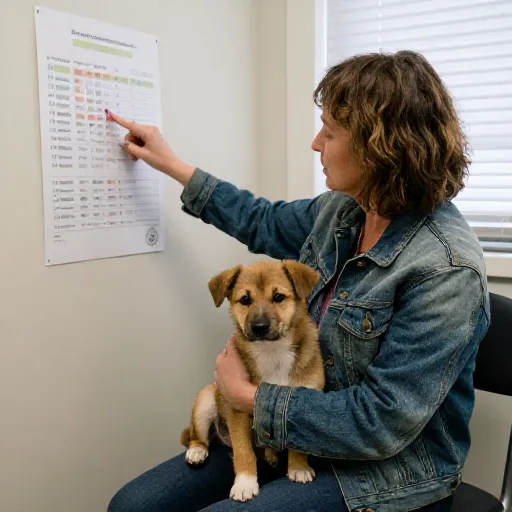
Your puppy’s vaccination journey typically begins between 6 and 8 weeks of age. That’s when maternal antibodies start to fade, leaving your pup open to infections. It’s the perfect window for the first round of core vaccines.
At your first vet visit, they’ll do a full wellness check—weight, heart, a peek at those baby teeth—then talk through the exact timeline for your area. Every region has slightly different risks, so your vet’s advice is your best guide.
Don’t wait until your puppy “looks ready” or seems older. The earlier you start, the smoother everything goes. I made the mistake of waiting an extra week with my second pup, and honestly, it just delayed the fun stuff like puppy classes.
Core Vaccines Explained Simply
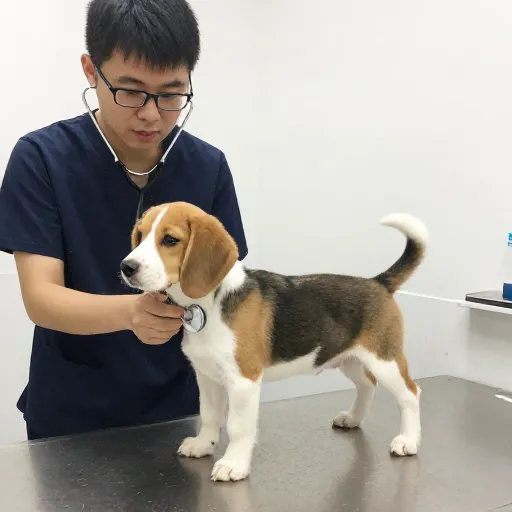
Core vaccines are the non-negotiables. They protect against the most common and dangerous diseases that affect puppies everywhere. The big ones are distemper, parvovirus, adenovirus (hepatitis), and rabies. These are the shots your vet will recommend for every single puppy.
Distemper attacks the respiratory and nervous systems, while parvo is a ruthless gut virus that causes severe vomiting and diarrhea. Both are highly contagious and often deadly for young puppies. Adenovirus affects the liver, and rabies is zoonotic—meaning it can spread to people too.
Thankfully, most puppies breeze through these with just a quick poke and a treat. The protection they get in return is priceless. I always think of it as giving my pup a tiny shield that grows stronger with every visit.
The 6-8 Week Mark: First Shots
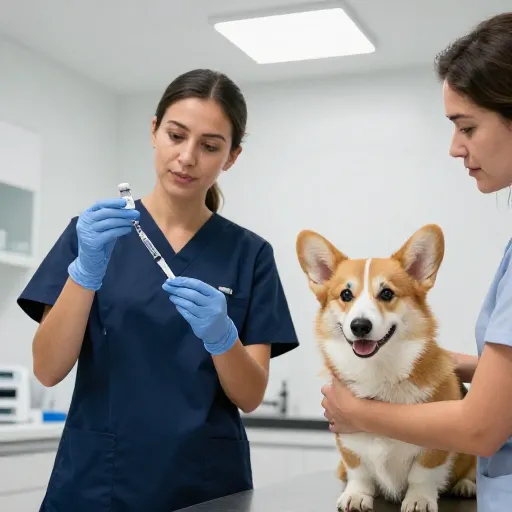
Right around 6 to 8 weeks, your puppy will get their first combination vaccine—often called a 5-in-1 or DHPP shot. It covers distemper, hepatitis, parainfluenza, and parvovirus all at once. That’s a lot of protection in one little needle.
Your vet might also start the first round of core vaccines and talk about deworming, which isn’t a vaccine but is equally important at this stage. Keep things calm and bring a few treats to make the experience positive.
After this first shot, your puppy still isn’t fully protected. It’s just the beginning of the process, so don’t go running to the dog park yet. Think of it as the first brick in a very important wall.
10-12 Weeks: Booster Shots
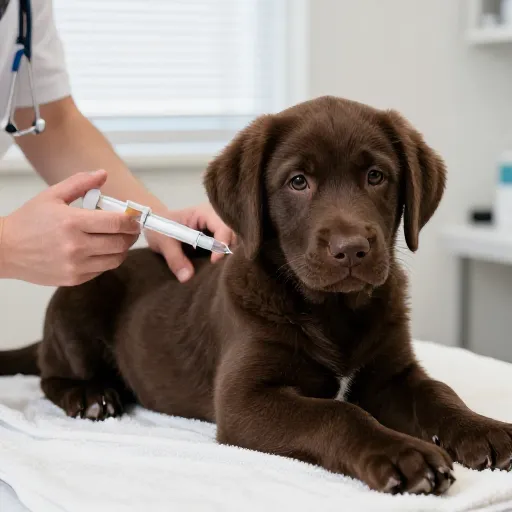
Around 10 to 12 weeks, your puppy heads back for their second round of boosters. This is the follow-up that really kicks the immune system into gear. The antibodies from the first shot start to fade, and this booster helps build a stronger, longer-lasting response.
At this stage, your vet might also discuss non-core vaccines, depending on your lifestyle and location. If your pup spends time in boarding kennels or around lots of other dogs, they might suggest the Bordetella (kennel cough) shot.
For me, this visit always feels a little easier because the puppy knows what’s coming. My little guy actually started wagging his tail at the vet’s office door after the first two trips. They’re smart—they figure out that treats and snuggles follow the scary part!
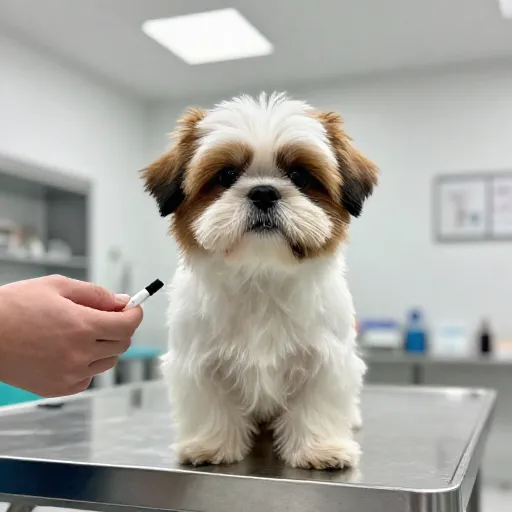
14-16 Weeks: Final Puppy Shots
This is the big one—the final round of the core vaccine series. Between 14 and 16 weeks, your puppy gets their last DHPP booster, and this is what officially makes them “fully vaccinated” in the eyes of most trainers and doggy daycares. It’s the golden ticket.
After this visit, you can usually start letting your pup socialize in safe, controlled settings. Some vets recommend waiting another week or two to be extra safe, but this is the moment you’ve been working toward.
I remember the wave of relief that washed over me when my vet said, “You’re all done until the rabies shot.” It felt like the finish line was finally in sight. And honestly, the freedom of taking your pup out into the world without constant worry is such a gift.
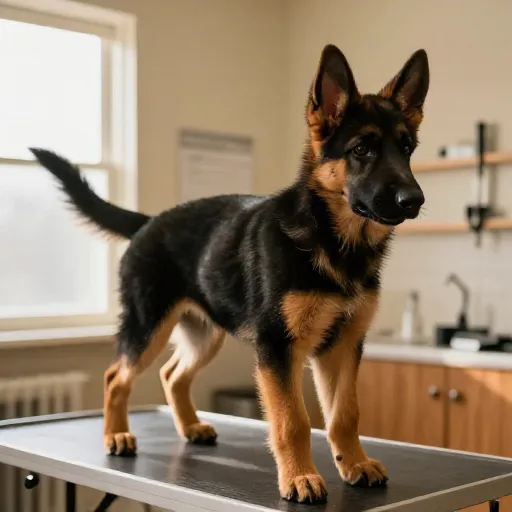
Rabies Vaccine: Timing and Rules
The rabies vaccine is a bit different from the others. It’s usually given between 12 and 16 weeks, depending on your local laws. In many places, rabies shots are required by law, and you’ll need proof of vaccination for licensing and travel.
This vaccination is also a one-shot deal for a while. After the first one, your pup gets a booster every one to three years, depending on state regulations. Your vet will keep you on the right schedule.
The rabies shot itself can feel a little more intense because it’s given separately from the combination vaccines. But like everything else, a little peanut butter goes a long way during the process. My vet smears a tiny bit on the table to distract—it works like a charm.
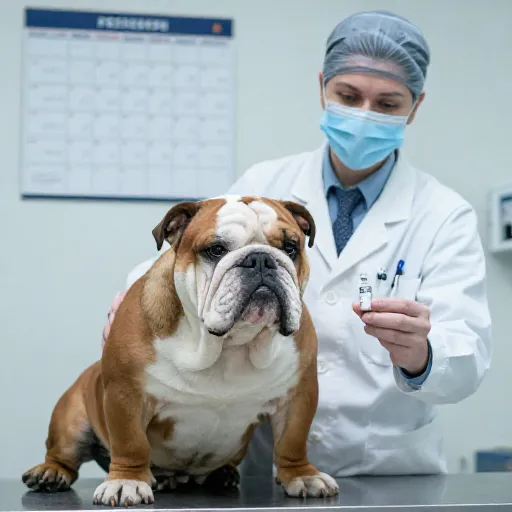
Non-Core Vaccines: What’s Optional
Not every puppy needs every vaccine. Non-core vaccines are tailored to your puppy’s risk factors. Lifestyle, geography, and how often you travel all play a role. Common ones include Bordetella (kennel cough), Leptospirosis, Lyme disease, and Canine Influenza.
If your pup is a homebody who rarely meets other dogs, some of these might be unnecessary. But if you love hiking, boarding, or trips to the groomer, your vet might recommend adding one or two to the standard schedule.
I live near a lot of wooded areas, so my vet suggested the Lyme vaccine for my pup. It gave me so much peace of mind when we hit the trails. Just ask your vet what they’d do if it were their own dog—you’ll get a great honest answer.
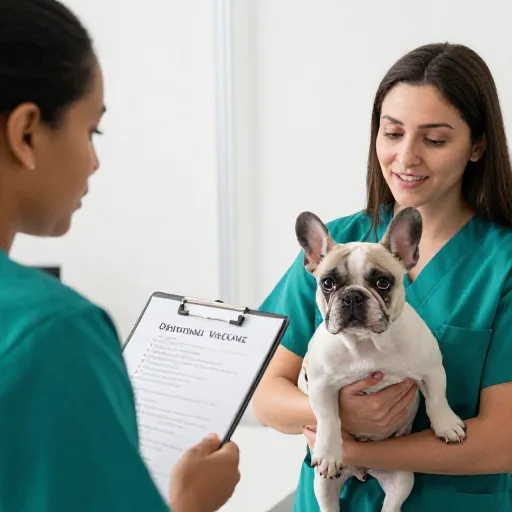
Vaccine Side Effects to Watch For
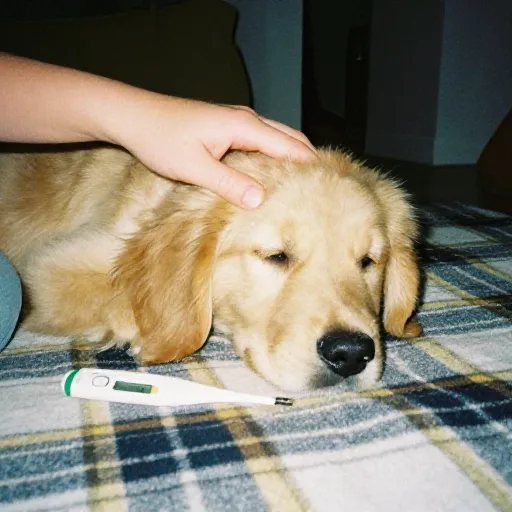
Most puppies handle vaccines like champs. A little sleepiness, a slightly sore spot, or a lower appetite for a day is totally normal. It’s their body’s way of building up that protective response.
Rarely, some puppies can have a more serious reaction—swelling around the face, hives, difficulty breathing, or vomiting. If that happens, call your vet immediately. But try not to stress about it; severe reactions are extremely uncommon.
I always block out a quiet day after vaccination visits. We do lots of cuddles, short walks, and gentle play. It’s a great excuse to slow down and bond with your new best friend.
Keeping Records and Booster Schedules
Once the puppy series is complete, your work isn’t over. Your pup will need booster shots throughout their life to stay protected. Most adult dogs get a DHPP booster every three years, and rabies follows its own local schedule.
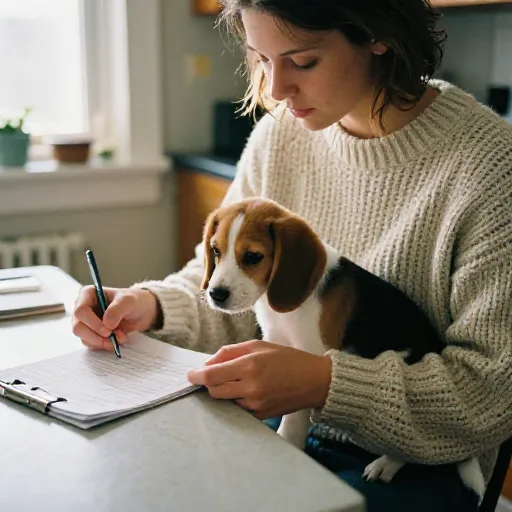
It’s a good habit to keep all vaccination records in one place. Get a folder or snap a photo of each vet visit summary. You’ll need these for boarding, grooming, training classes, and even travel.
Setting reminders on your phone is a lifesaver. I sync my pup’s booster dates to my calendar the moment I leave the vet’s office. A little organization now saves a ton of scrambling later, trust me.
Conclusion
Walking through the puppy vaccination timeline feels like a rite of passage for every pet parent. It’s a few months of appointments, a couple of worried looks, and a whole lot of love in between. But when that final shot is done, you’ll feel such a sense of pride and relief.
Your puppy isn’t just growing bigger—they’re growing stronger and safer every single day. And you’re the one who made that happen. So give yourself a pat on the back, give your pup an extra treat, and enjoy the beautiful, adventure-filled life ahead of you both.
Frequently Asked Questions
Can I take my puppy outside before all vaccinations are complete?
You can take your puppy into your own yard and around safe, low-traffic areas. Just avoid places where unknown dogs gather, like public parks or sidewalks, until your vet confirms you’re good to go—usually a week after the final shots.
How much do puppy vaccinations cost?
Costs vary a lot by region and vet clinic. On average, expect to pay around $20 to $50 per core vaccine visit. Some shelters and low-cost clinics offer package deals for the whole series, which can save you money.
What if I miss a vaccination appointment?
Don’t panic. Just call your vet and reschedule as soon as possible. Depending on how late you are, they may need to restart part of the series or simply give the next booster. The most important thing is getting back on track quickly.
Do indoor puppies really need vaccines?
Yes. Many dangerous viruses can be brought into your home on your own shoes or clothing. You might carry parvo from a walk, and that’s all it takes to make your puppy sick. Vaccines protect even the most homebound indoor pups.
Can vaccines make my puppy sick?
Mild symptoms like tiredness, low appetite, or a sore spot are normal. Severe reactions are very rare. If anything worries you, always check with your vet—that’s what they’re there for. A little caution is always a good thing.