Natural Yeast Remedies Your Dog Will Love!

If your furry best friend has been scratching more than usual, licking their paws raw, or sporting a funky odor that bath time just can’t fix, yeast might be the culprit. It’s a super common issue for pups, especially in warm weather or if they love a good swim. But before you rush to the vet for pricey creams, there are some amazing, natural remedies you can try right at home.
I’ve been down this bumpy road with my own golden retriever, and honestly, the simplest kitchen staples turned out to be our saving grace. These aren’t just random tricks; they are gentle, soothing, and surprisingly effective for tackling those itchy yeast hotspots. Let’s dive into the natural toolbox and get your pup feeling comfortable and happy again!
1. The Magic of Raw Apple Cider Vinegar
This is the holy grail of yeast fighters. The acidity in raw, unfiltered apple cider vinegar (ACV) creates an environment where yeast simply can’t survive. It’s like changing the pH balance on your dog’s skin to kick the bad guys out.
For itchy paws, make a 50/50 mix of ACV and water in a spray bottle. Spritz their paws a couple of times a day and let them air dry. If your dog has raw, broken skin, dilute it a bit more so it doesn’t sting.
You can also add a splash (about a teaspoon for a medium dog) to their water bowl. It works from the inside out, but make sure they have plenty of fresh water available too!
2. Soothing Coconut Oil for Topical Relief
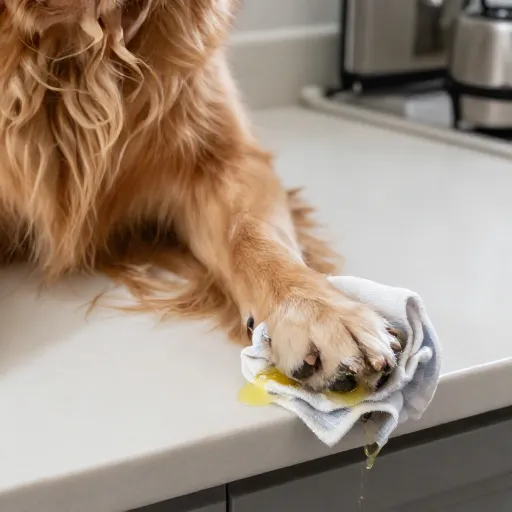
Coconut oil is a powerhouse. It’s naturally antibacterial and antifungal, but the best part is how incredibly soothing it is for hot, angry skin. My dog actually thinks it’s a treat when I rub it on his belly.
Just scoop a little bit of solid coconut oil and warm it between your hands. Massage it gently into the affected areas—ears, paws, and belly. It helps reduce the inflammation and creates a protective barrier against more dirt and moisture.
It’s safe for them to lick, which is a huge bonus. Start slow, though, because too much can cause an upset tummy if they gobble it down.

3. Plain Yogurt for a Happy Gut
Most yeast overgrowths start in the gut. The key is to get good bacteria back in there to crowd out the yeast. Plain, unsweetened yogurt with live active cultures is your best friend here.
Stay far away from anything with sugar or artificial sweeteners (especially xylitol, which is toxic to dogs!). Just a spoonful of plain Greek yogurt mixed into their dinner can do wonders for their digestive health.
I like to use it as a topper on his kibble. It’s a cool, creamy treat that helps balance his system, which in turn clears up his skin.

4. Calendula Tea Compress for Hot Spots
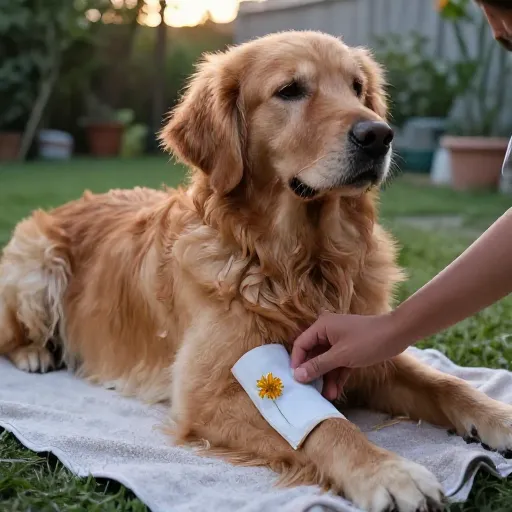
If your dog has specific, angry hot spots, a cool compress with calendula tea is like a spa day for their skin. Calendula is a gentle herb that promotes healing and reduces swelling.
Brew a strong cup of calendula tea, let it cool completely in the fridge, and then soak a clean cloth in it. Hold the cool cloth on the affected area for about five minutes. It feels amazing on a hot, itchy spot.
You can do this a few times a day. The coolness stops the itching instantly, and the herb helps the skin repair itself. It’s such a gentle way to bring relief without any harsh chemicals.
5. Aloe Vera for Instant Cooling
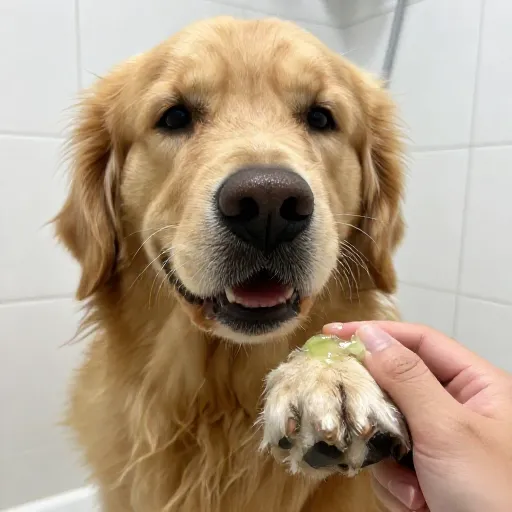
When your pup is scratching like crazy, they need immediate relief. Pure aloe vera gel is perfect for this. It’s cooling, hydrating, and has natural anti-inflammatory properties.
Make sure you use 100% pure aloe vera gel, not the green dyed stuff with added alcohol. You can even snap a leaf off an aloe plant if you have one! Apply a thin layer to the itchy areas.
It doesn’t smell like much, so your dog won’t be weirded out by it. It’s a great quick fix to stop the scratch cycle and let the skin start healing.
6. The Power of Probiotics in Their Bowl
While yogurt is great, a high-quality canine probiotic supplement is a game-changer for chronic yeast issues. It’s a more concentrated dose of those good bacteria we talked about.
You can find probiotic powders specifically made for dogs. They usually come in a flavorless powder that you just sprinkle over their food. It’s incredibly easy to give.
Think of it as a daily shield. A healthy gut microbiome means the yeast doesn’t stand a chance. It’s the best long-term strategy to keep the itchies away for good.

7. Rinse with Chamomile for Calm Skin
Chamomile isn’t just for calming humans before bed; it’s fantastic for irritated dog skin too. It has natural soothing properties that reduce redness and that maddening itch.
Brew a big pot of chamomile tea (make sure it’s only chamomile, no added caffeine), let it cool, and use it as a final rinse after your dog’s bath. Pour it over their coat and don’t rinse it off.
It leaves a very light, pleasant scent and helps reduce any inflammation. It’s a great, simple step to add to your regular grooming routine.

8. Epsom Salt Soaks for Sore Paws
If your dog is constantly licking their paws, they are probably sore and inflamed. An Epsom salt soak is a fantastic way to draw out the yuck and reduce swelling.
Fill a shallow basin or tub with warm water and dissolve a handful of Epsom salts. Let your dog stand in it for about five minutes. It’s not always their favorite thing, but the relief it brings is worth it.
After the soak, pat their paws dry completely. Make sure you dry between the toes really well, as moisture is what feeds the yeast in the first place.

9. A Raw Diet Boost
Sometimes, yeast feeds on the carbs and sugars in processed dog food. Switching to a raw diet or adding raw, whole foods can starve the yeast out. It’s a bigger change, but the results can be amazing.
Adding things like raw green beans, broccoli, and even a little bit of raw meat to their diet cuts out the processed fillers. It’s about giving their body the fuel it needs to fight off the infection naturally.
If you aren’t ready for a full switch, just swapping out their treats for raw veggies can help tip the balance in their favor. It’s all about reducing the sugar load.

10. Keep Those Ears Clean with Grapefruit Seed Extract
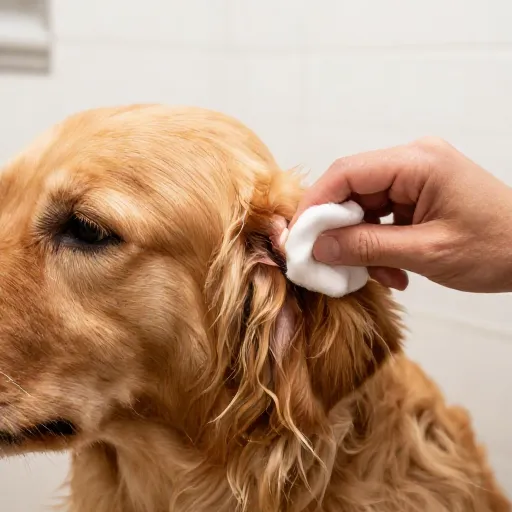
Ear infections are super common with yeast issues. Instead of harsh chemical cleaners, you can make a super gentle natural one at home using grapefruit seed extract.
Mix a few drops of grapefruit seed extract with a little bit of water or olive oil. Use a cotton ball to gently wipe the inside of their ear flap and the visible part of the ear canal.
It’s a strong natural antifungal that doesn’t sting. You’ll notice less head shaking and scratching at the ears within a few days of regular cleaning.
Conclusion
Dealing with yeast is definitely a marathon, not a sprint, but these natural remedies can make the journey so much easier for you and your pup. Remember, consistency is key. You won’t see results overnight, but with a little patience and some kitchen magic, you’ll see that happy, comfortable doggy smile again.
Always listen to your dog and adjust based on what they seem to enjoy. And of course, if the issue seems severe or doesn’t improve, it’s always a good idea to check in with your vet to rule out any underlying allergies or conditions.
Frequently Asked Questions
Q: How do I know if my dog has a yeast infection?
A: The most common signs are a musty or “Frito” smell, excessive scratching, licking paws, red or greasy skin, and dark brown waxy build-up in the ears. If you notice these signs, it’s likely yeast.
Q: Can I use apple cider vinegar on open sores?
A: It’s best to avoid it on raw, broken skin because it will sting. Dilute it heavily with water, or wait until the skin starts to heal before applying it.
Q: How long will it take for these natural remedies to work?
A: It usually takes at least 1-2 weeks of consistent treatment to see a noticeable difference. Because you are balancing the body, it takes time. Be patient and stick with it!
Q: Are these remedies safe for puppies?
A: Most of these are gentle enough for puppies, but their systems are more sensitive. Always use a stronger dilution and watch for any adverse reactions. When in doubt, ask your vet first.
Q: Can I treat a yeast infection with just one of these remedies?
A: You can, but a combination approach usually works best. For example, using coconut oil topically while adding probiotics to their food tackles the problem from both the inside and the outside.