10 Veterinary Clinic Design Reception Areas That Wow Pet Parents
Let’s be honest—nobody walks into a vet clinic feeling totally relaxed. Not the humans, and definitely not the cats. The reception area sets the entire tone for the visit. It’s the first thing clients see after a stressful car ride with a nervous pup, and it’s where they wait for news that could be good or scary.
I’ve walked into my fair share of clinics, and I can tell you the ones that get it right make all the difference. When you design a reception space that feels calm, clean, and welcoming, you instantly lower everyone’s heart rate. Let’s look at ten design ideas that balance function, comfort, and style without breaking the bank.
Whether you are remodeling, building new, or just refreshing a tired corner, these ideas will help you create a space that pet parents actually want to come back to. Trust me, a thoughtful reception area is marketing money can’t buy.
1. The “Low And Slow” Front Desk
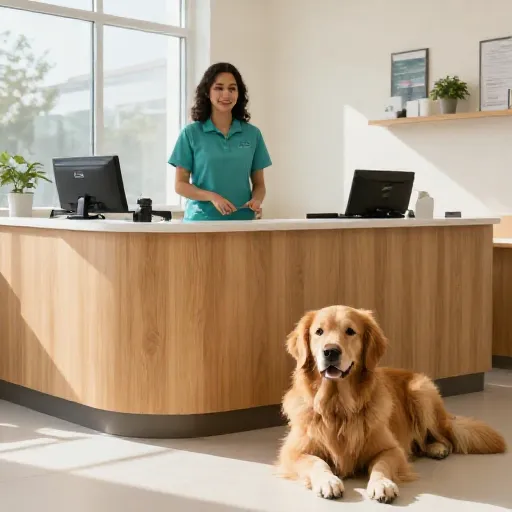
Forget the towering fortress where you feel like you’re speaking to a giant. The best modern vet clinics have low, open reception desks. This is a game-changer. When the counter sits lower, the client feels welcome, and the pet can actually see the staff. That visual connection makes a huge difference for a scared animal.
Think about adding a small shelf or built-in nook at the base of the desk. This gives you a place to drop a treat jar or a water bowl without cluttering the main workspace. It’s a tiny detail that screams “we get it.”
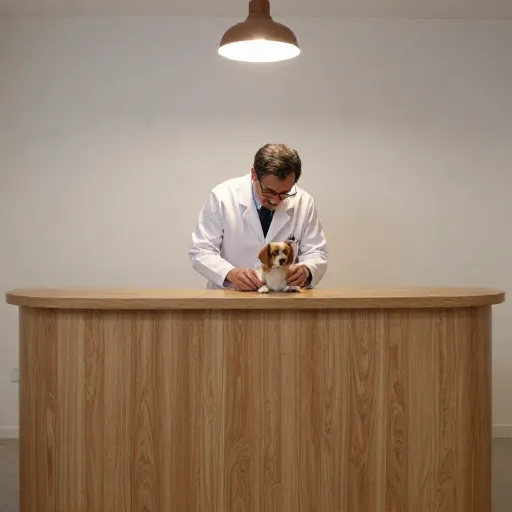
Also, consider rounded edges on the desk. You will have dogs pulling on leashes and cats in carriers swinging around. A rounded corner protects the pets and your staff from accidental bumps.
2. Zoned Waiting Areas (Dogs vs. Cats)
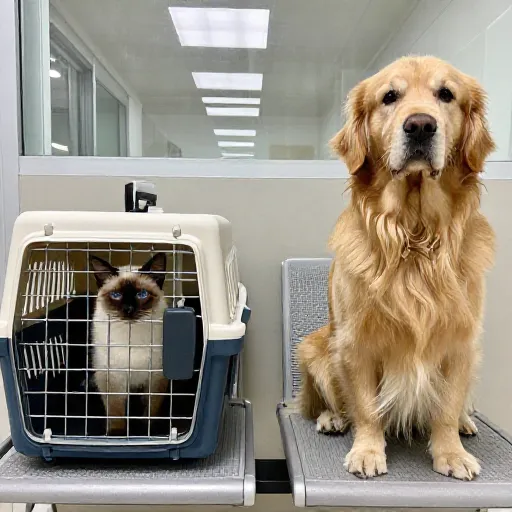
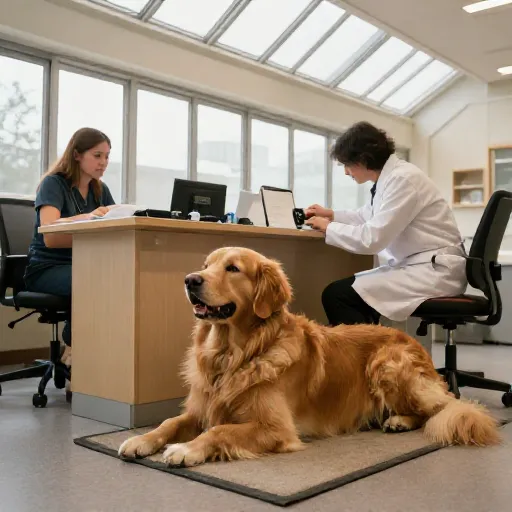
This is my absolute favorite trend. You simply cannot mix a barking Golden Retriever with a hissing Siamese cat in the same waiting zone. It’s a recipe for disaster. Create separate visual zones, even if they are in the same room. Use low partitions, plants, or even just different colored flooring to delineate the space.
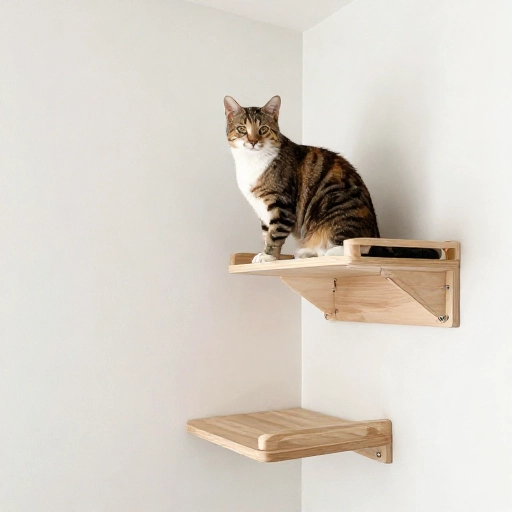
The cat side should feel like a quiet sanctuary. Place it away from the main entrance door. Add high shelves or cubbies where cat carriers can be placed up high, off the ground. Cats feel safer when they are elevated.
On the dog side, think about the flow. You want space for a 100-pound Lab to sit comfortably without being on top of a nervous Chihuahua. Make sure there’s enough room between benches to maneuver strollers and carriers.
3. The “Bio-File” Wall (Living Green)
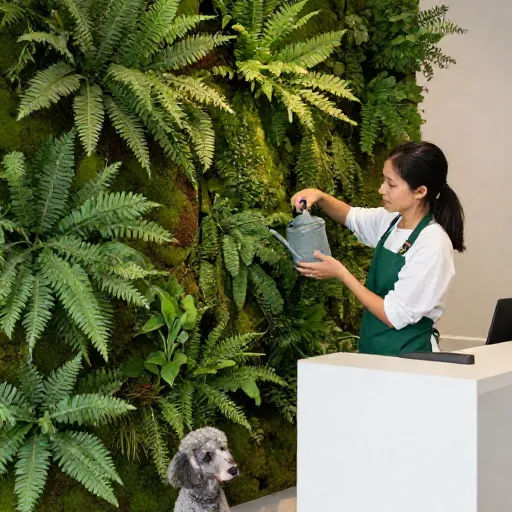
Plants aren’t just for looks—they are natural air purifiers and stress reducers. But in a vet clinic, you need to be smart about your greenery. Avoid toxic plants like lilies or sago palms, which are dangerous if ingested. Stick to safe options like spider plants, Boston ferns, or artificial succulents if you don’t have a green thumb.
I love the idea of a vertical living wall. It saves floor space and creates a beautiful, textured backdrop for the room. It also helps with acoustics, absorbing some of the noise that bounces around a waiting room.
If real plants aren’t feasible, high-quality artificial ones are totally fine. The goal is the visual calm of green, not the maintenance headache. Just make sure they don’t look dusty.
4. Dog-Friendly Flooring Choices
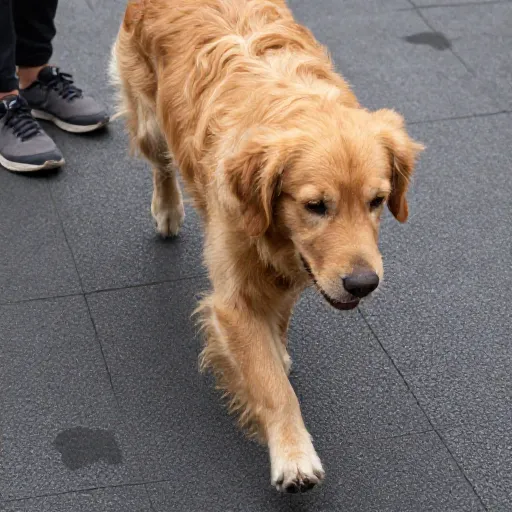
Let’s talk about the floor. You need something that handles claws, muddy paws, and the occasional accident. Porcelain tile is a top pick because it’s durable and easy to sanitize. But, it’s hard on aging joints. If you can, add some soft area rugs or runners in the seating zones to give pets traction.
Luxury vinyl plank (LVP) is another great option. It looks like wood but is waterproof and scratch-resistant. Plus, it’s softer underfoot than tile, which helps both the pets and your staff who stand for hours.
Avoid high-gloss finishes. They look pretty but become slippery when wet. Go for a matte or textured finish to keep everyone steady on their feet.
5. Smart Storage That Hides The Mess
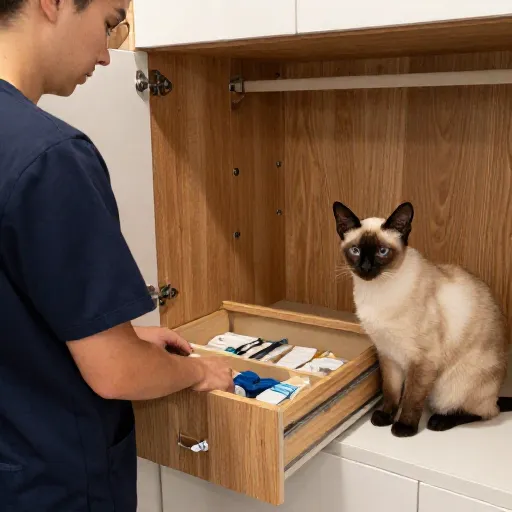
Reception areas get cluttered fast. You have brochures, business cards, leashes, and the ever-present pile of paper forms. The magic trick is to design storage that looks built-in and seamless. Think about pull-out drawers under the seating benches for extra leashes or waste bags.
Use floating shelves to display retail products like dental chews or grooming supplies. But keep them high up, out of the reach of curious noses and mouths. You want to showcase products without turning the lobby into a storefront.
Hidden bins are essential. Provide a designated spot for owners to drop off dirty leashes or dirty towels. A simple, sleek metal bin with a foot pedal keeps things tidy and hands-free.
6. Calming Color Palettes
Forget the sterile white and harsh neon of old-school clinics. We are moving towards warm, muted earth tones and soft pastels. Sage green, dusty blue, and warm terracotta are fantastic choices. These colors evoke nature and comfort, which helps lower anxiety.
Use accent walls sparingly. You don’t want the space to feel like a rainbow exploded. Pick one feature wall behind the reception desk and use a bold wallpaper or a deep paint color. Keep the rest of the walls light to make the room feel larger.
Don’t forget the ceiling! Painting it a soft, light blue can mimic the sky and make the room feel more open. It’s a subtle trick that interior designers use often.
7. The Distraction Zone (For Kids & Pets)
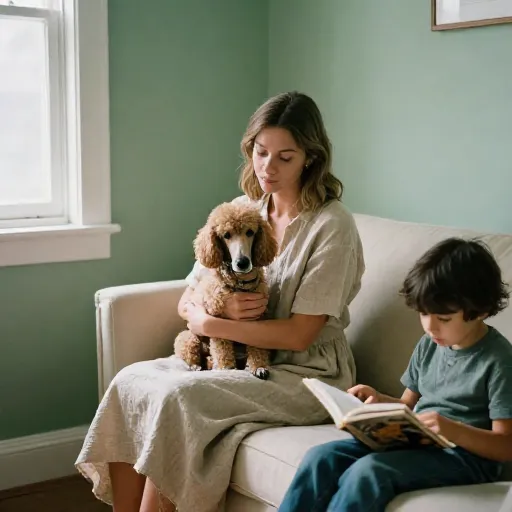
Waiting is boring. For kids, it’s torture. For dogs, it’s stressful. Create a designated “distraction zone” to keep everyone occupied. For the humans, a small, low table with a few toys or books is perfect. It keeps little hands busy so parents can focus on the vet.
For the pets, consider a “sniffing wall.” This is a simple DIY project where you attach different textures—soft fleece, rubber mats, or rope—to a vertical board at dog nose height. Letting dogs sniff and investigate these textures is mentally enriching and burns nervous energy.
Just remember to keep this zone easily cleanable. Wipeable surfaces and washable toys are non-negotiable in a vet setting.

8. Bright, Natural Lighting (With A Plan B)
Natural light is a huge win for any space. It boosts mood and makes the room look cleaner. If you have big windows, use sheer curtains to soften the harsh sun while maintaining the bright feel. Avoid heavy blinds that make the room feel like a cave.
But here’s the catch—you also need a plan for the anxious pets. Sometimes, a dog gets too stimulated by seeing other animals outside. Install adjustable blinds or use frosted window film on the lower half of the glass. This allows light in but blocks the visual stimuli.
For artificial lighting, avoid fluorescent bulbs. They flicker and hum, which can agitate sensitive animals. Opt for warm LED recessed lighting or track lighting that feels softer.
9. A Dedicated “Quiet Room” Nook
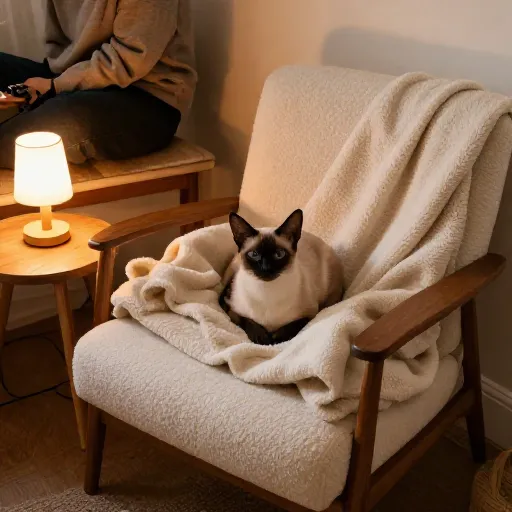
Not every pet is ready to sit in the main waiting area. Sometimes, you need a quiet place to wait. If you have the square footage, create a small, separate “quiet room” adjacent to the lobby. It’s a soundproofed room with a comfy chair and a few calming pheromone diffusers.
This room is perfect for nervous cats, aggressive dogs, or clients who are grieving or have just received bad news in a follow-up visit. It offers privacy and dignity.
If you don’t have a separate room, create a “quiet nook” in a corner. Use a tall plant or a room divider to create a semi-private space. Add a soft, plush bench and a sign that says “Reserved for pets needing quiet.”
10. Scent Control (The Secret Weapon)
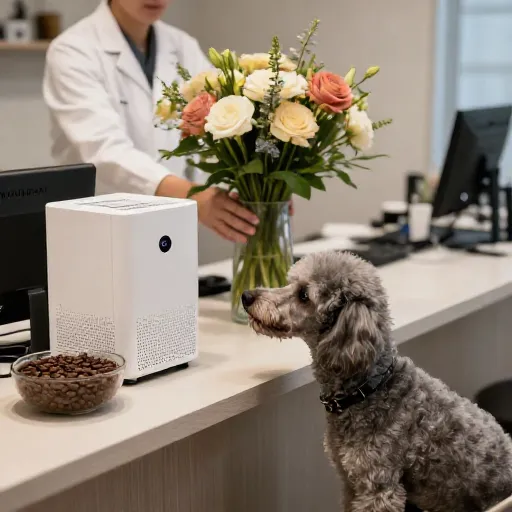
Let’s be real—vet clinics can smell like fear, disinfectant, and wet dog. You cannot eliminate the smell completely, but you can absolutely manage it. The best way is with high-quality, commercial-grade air purifiers with HEPA filters. This isn’t just for smell; it’s for health, reducing airborne allergens and pathogens.
Don’t rely on heavy air fresheners or plug-ins. Those synthetic scents can be overwhelming and even toxic to birds and small animals. Instead, use a subtle, natural odor neutralizer. Baking soda-based carpet powders are safe and effective.
Place discreet, covered trash cans around the room. Make it easy for clients to dispose of waste bags immediately. A visible trash can with a lid encourages proper disposal and keeps the smell contained.
Final Thoughts
Designing a vet clinic reception area is about so much more than just looking pretty. It’s about creating a space that communicates empathy and competence. When you put yourself in the shoes (or paws) of your clients, you make better design choices.
Start with the basics—the layout, the floor, the light—and then add the special touches. The low desk, the calming colors, the hidden storage. These elements work together to build trust and reduce stress. Remember, a calm pet makes a calm owner, and a calm owner is a loyal client.
Take your time, pick a few of these ideas that fit your space and budget, and start small. You don’t have to do it all at once. Even small changes can make a huge impact on the overall vibe of your clinic.
Frequently Asked Questions
What is the best flooring for a vet clinic reception area?
Luxury vinyl plank (LVP) or high-quality porcelain tile are the best options. They are durable, waterproof, and easy to clean. Add soft rugs in seating areas for extra comfort and traction.
How do I keep the reception area smelling fresh without harsh chemicals?
Invest in a good HEPA air purifier with a carbon filter. Use baking soda-based carpet powders and ensure all trash bins have tight-fitting lids. Avoid plug-in air fresheners, as they can be harmful to birds and small pets.
Should I separate dogs and cats in the waiting room?
Yes, absolutely. It is highly recommended. Even visual separation with partitions or plants reduces stress significantly for cats. Use different zones with clear visual cues like color or signage.
What colors are best for a calming vet clinic atmosphere?
Soft, muted tones like sage green, dusty blue, warm beige, and terracotta are excellent. They evoke feelings of nature and comfort. Avoid stark white and bright red or yellow, which can increase anxiety.
How can I make a small reception area feel bigger?
Use light, neutral colors on the walls. Keep furniture off the floor by using floating shelves for storage. Use mirrors to reflect light and space. Avoid bulky, oversized chairs and opt for slimmer profiles.