12 Fun Recall Words That Can Improve Your Dog’s Training
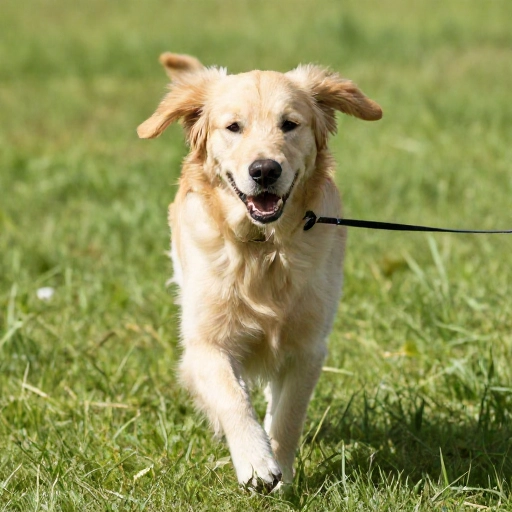
Let’s be real—getting your dog to come back when called can feel like a magic trick. One minute they’re sniffing a bush, the next they’re chasing a squirrel like it’s the last bus home. I’ve been there, waving a treat bag and whispering “come” like it’s a secret password. But here’s the thing: the word itself matters more than you think.
Switching up your recall cue from a boring “come” to something unexpected can grab your dog’s attention in a whole new way. Dogs are smart, but they’re also easily bored. A fun, fresh word can make recall feel like a game instead of a chore. In this post, I’m sharing 12 playful recall words that actually work—plus how to teach them without pulling your hair out.
Whether you have a stubborn pup or a super-enthusiastic one, these ideas will make training feel lighter, more joyful, and way more effective. Ready to add some sparkle to your dog’s recall? Let’s jump in.
1. “Treat Party”
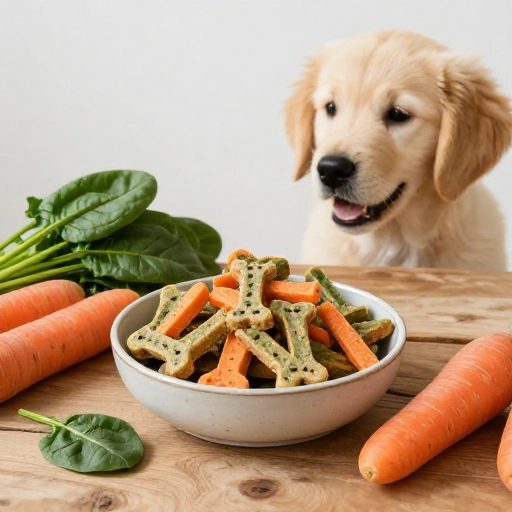
This one is pure magic. The second your dog hears “treat party,” they’ll think a celebration is happening right where you are. It’s not just about one treat—it’s about a handful of tiny, smelly goodies raining down like confetti.
Start by saying “treat party” while dropping a small handful of kibble or training treats at your feet. Do this a few times indoors. Then, move to the yard. Say it only when you’re sure your dog is already looking your way. Over time, they’ll learn that this phrase means instant fun and food.
Pro tip: Keep the treats extra special—freeze-dried liver or cheese bits work like a charm. You want your dog to think “treat party” is the best thing ever.
2. “Pizza!”
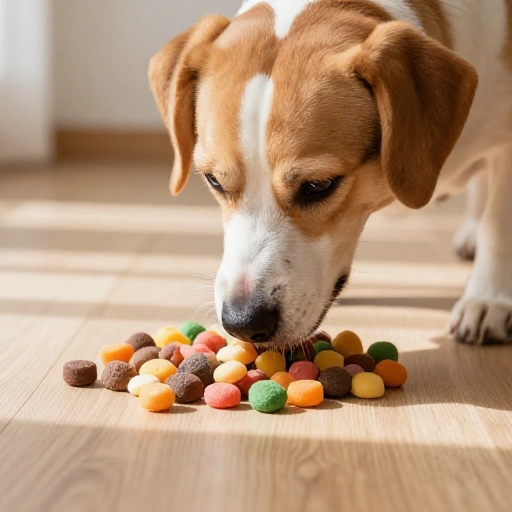
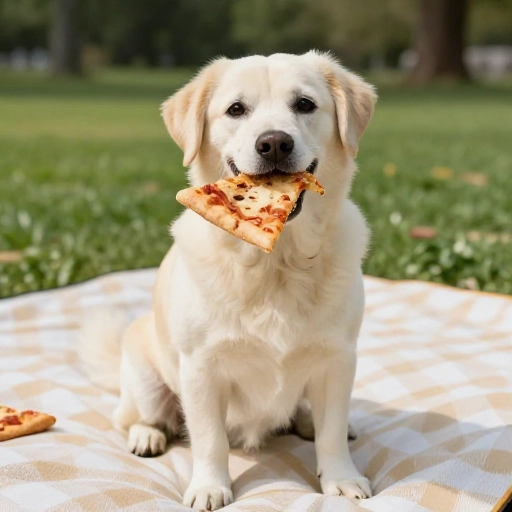
Yes, pizza. Dogs hear this word often enough in the kitchen to know it’s something good. Use it as a recall word and you’ll get a dog who sprints toward you like they’re about to get a slice of pepperoni.
The trick is to pair “pizza!” with a high-value reward immediately. Say it in a super excited voice, then give your dog a piece of chicken or cheese. Do this five times in a row, then test it in a low-distraction area.
This word works because it’s unexpected. Your dog won’t associate it with boring commands. Just don’t use it when you’re actually eating pizza—that’s a recipe for confusion.
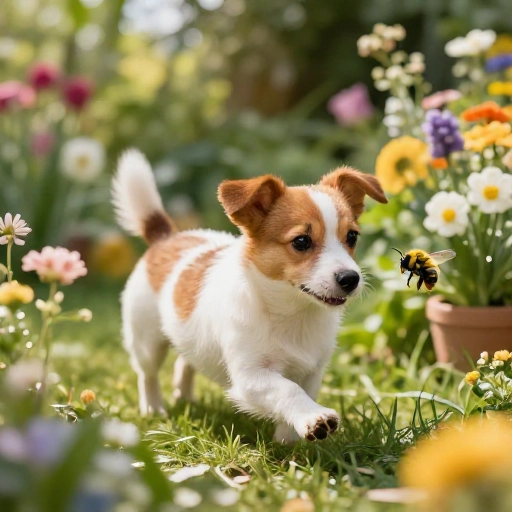
3. “Bumblebee”
This one sounds silly, but that’s exactly why it works. Dogs pay attention to words that sound unique. “Bumblebee” has a bouncy rhythm that stands out from normal conversation.
To teach it, say “bumblebee” and then run backward while clapping. Most dogs will chase you out of pure curiosity. When they catch up, reward with a small treat and a ton of praise. Repeat until they associate the word with chasing you for good stuff.
I love this for energetic dogs who get distracted easily. The playful sound breaks their focus on whatever else is going on.
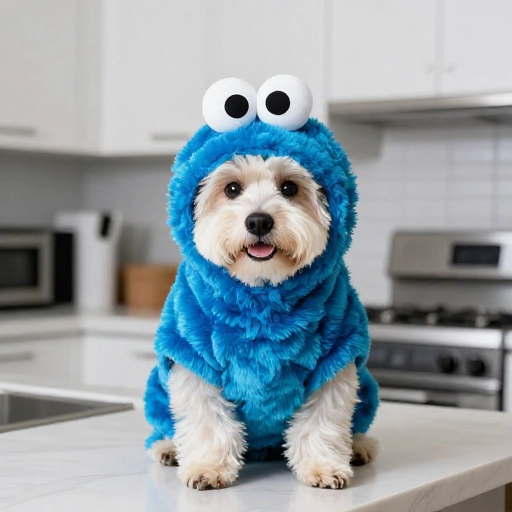
4. “Cookie Monster”
If your dog loves cookies (or any crunchy treat), this recall word is gold. It’s fun to say and even more fun for them to hear. It signals that a crunchy, delicious reward is coming.
Start by saying “cookie monster” in a goofy voice while holding a biscuit. Let your dog see it and sniff it. Then toss the treat a few feet away. When they come back to you, say it again and give another treat. Build up distance gradually.
This word is especially great for dogs who are motivated by food but get bored with repetitive training. Mix it up and watch their ears perk up every time.
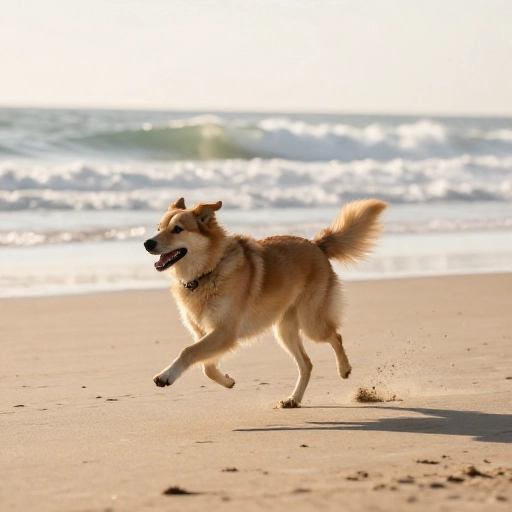
5. “Zoom Zoom”
Got a speed demon? “Zoom zoom” taps into your dog’s natural instinct to run. It’s perfect for off-leash areas where you want a quick, happy return.
Teach this by saying “zoom zoom” right before you start a short sprint. Your dog will likely chase you. When they catch up, reward with play or a treat. The goal is to make the recall feel like a game of chase.
This works best for dogs who love movement. If your pup is more of a sniffer than a runner, pick a different word from this list.
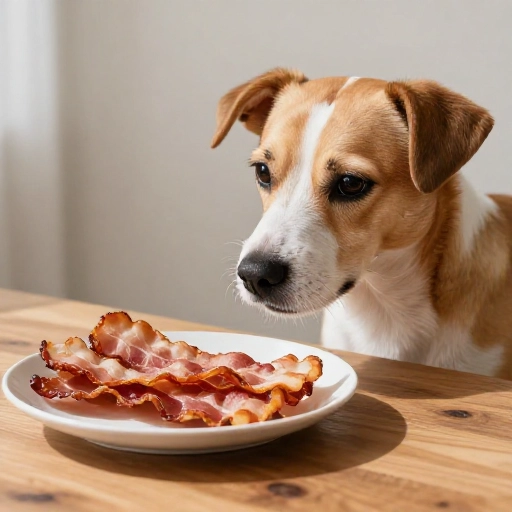
6. “Bacon Time”
Bacon is basically dog crack. Even the smell alone can make a stubborn dog reconsider their life choices. Use “bacon time” as a recall word and you’ll have a super reliable response.
Say it in a cheerful tone, then offer a tiny piece of real bacon or a bacon-flavored treat. Repeat this several times in different locations. The key is consistency—always follow through with something amazing.
A word of caution: keep bacon treats small. A little goes a long way, and you don’t want a tummy ache. But for training, it’s unbeatable.
7. “Peanut Butter”
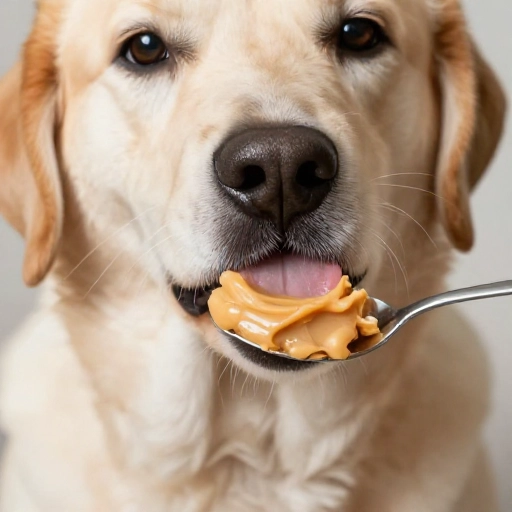
Peanut butter is another crowd-pleaser. Most dogs go wild for it. Using “peanut butter” as a recall cue can be incredibly effective, especially if your dog is a picky eater.
Start by saying “peanut butter” while smearing a tiny bit on a spoon or your finger. Let your dog lick it off. Then practice at a short distance. Gradually increase the distance and distractions.
This word works well because it’s specific. Your dog learns that “peanut butter” means a taste of something creamy and delicious. Just make sure the peanut butter is xylitol-free.
8. “Chicken Dance”
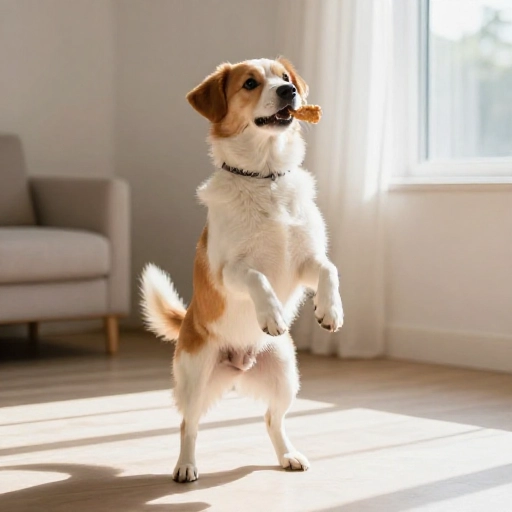
This one combines sound and movement. Say “chicken dance” and then do a little silly wiggle. Dogs respond to body language, so adding a fun motion makes the recall even more engaging.
Practice this indoors first. Say the phrase, flap your arms like wings, and then reward your dog when they come to you. After a few tries, they’ll associate the words with a fun interaction.
This is great for shy or nervous dogs because it feels playful, not demanding. It turns recall into a bonding moment.
9. “Squeaky Time”
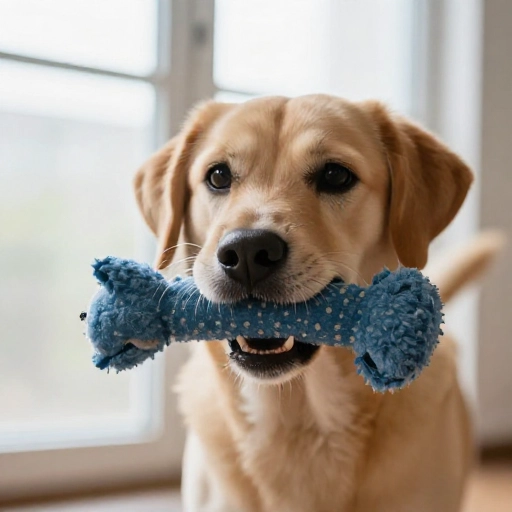
If your dog loves squeaky toys, this recall word is a no-brainer. “Squeaky time” signals that a toy is about to appear and make noise.
Start by saying “squeaky time” and then squeak a toy. When your dog comes over, let them play with it for a few seconds. Then ask for a sit and reward with a treat. Over time, they’ll learn that the phrase means fun, not just work.
This is perfect for toy-motivated dogs. It’s also a great way to break up treat-heavy training sessions.
10. “Biscuit Run”
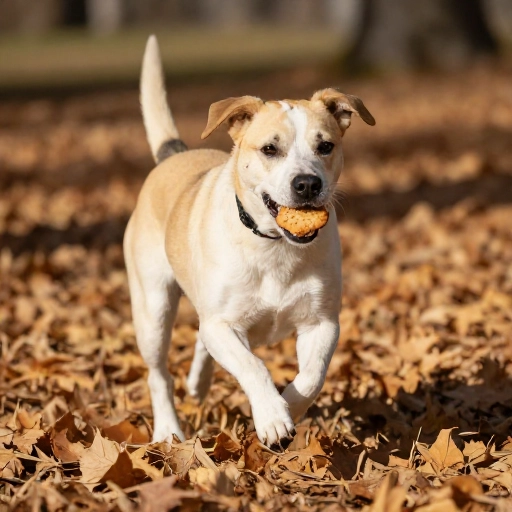
This one is simple and effective. “Biscuit run” tells your dog to race to you for a crunchy reward. It’s straightforward and easy for them to remember.
Say it in a bright voice while holding a biscuit. When your dog runs to you, give them the treat and lots of praise. Practice in different spots around your house and yard.
The beauty of this word is that it’s clear. No confusion, no fuss. Just a happy dog sprinting your way.
11. “Happy Feet”
“Happy feet” is a recall word that pairs well with a little tap dance. The rhythmic sound and movement grab your dog’s attention fast.
Say “happy feet” while tapping your feet on the ground. Most dogs will look at you out of curiosity. When they come closer, reward with a treat. Repeat until they associate the phrase with coming to you for something good.
This is particularly useful for dogs who are easily distracted by sounds. The tapping adds an auditory cue that stands out.
12. “Wiggle Butt”
This one is just plain fun. “Wiggle butt” is a playful phrase that makes most dogs perk up. It’s lighthearted and perfect for casual recall practice.
Say “wiggle butt” while wiggling your hips. Your dog will likely find it amusing. When they come to you, give a treat and a scratch behind the ears. Use this word in low-stakes situations, like when you’re in the backyard.
It’s not the most formal recall, but it builds a happy association. Sometimes that’s all you need.
Conclusion
Training your dog to come when called doesn’t have to be a battle. A little creativity goes a long way. By swapping out a tired word for something fresh and fun, you can reignite your dog’s enthusiasm and strengthen your bond.
Start with one or two of these words and practice in short, positive sessions. Remember, the key is consistency and high-value rewards. Your dog will learn that running to you is always a good thing.
So go ahead—try “pizza” or “bumblebee” next time you’re at the park. You might be surprised how fast your pup comes flying back. Happy training!
Frequently Asked Questions
1. Can I use more than one recall word?
Yes, but it’s best to stick with one main word for safety. You can have a few fun words for different situations, like “treat party” for the yard and “pizza” for the park. Just make sure each word is clearly linked to a specific reward.
2. What if my dog ignores the new word?
Start in a quiet place with no distractions. Use a super exciting tone and a high-value treat. If your dog still ignores you, try a different word. Some dogs respond better to sounds than others.
3. How long does it take to teach a new recall word?
It depends on your dog. Some pick it up in a few days, others take a week or two. The key is short, daily practice sessions. Keep them fun and end on a positive note.
4. Should I stop using “come” altogether?
Not necessarily. You can keep “come” for everyday situations. Use your fun recall word for high-distraction moments or when you want extra enthusiasm. Just don’t mix them up in the same session.
5. Can I use these words for a puppy?
Absolutely. Puppies learn fast and love playful words. Start with simple ones like “pizza” or “cookie monster.” Keep sessions very short and always reward with something delicious. It builds a strong foundation for life.