10 Genius Puppy Pen Setups for Indoor Training That Actually Work
Bringing home a new puppy is pure joy, but let’s be real—house training can be a messy, stressful marathon. I remember those first few weeks of constant supervision and cleaning up accidents on the rug. That’s when I discovered the magic of a well-planned puppy pen setup. It’s not just a cage; it’s your secret weapon for sanity.
A good puppy pen creates a safe, controlled zone where your pup can learn potty habits, play without destroying your baseboards, and get some quiet time. The key is setting it up right for your home and your puppy’s personality. After trying all sorts of layouts, I’ve rounded up ten of my absolute favorite setups that make indoor training so much easier.
1. The Classic Kitchen Hub Setup
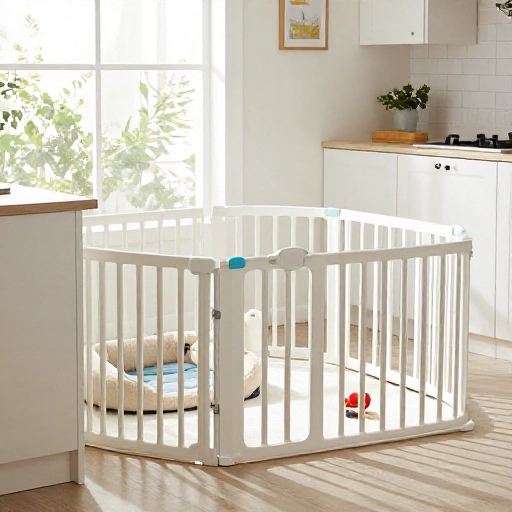
This is the setup I started with, and it’s a lifesaver for busy mornings. Place your pen in the kitchen where the floor is easy to clean. This spot keeps your puppy near the family action but off the carpet.
Inside, put a comfy bed on one side and a potty pad or a small patch of fake grass on the opposite end. Puppies naturally avoid soiling their sleeping area, so this separation teaches bladder control fast. Keep a bowl of fresh water in the middle, but don’t leave food in there all day.
The best part? You can sip your coffee while your pup naps safely a few feet away. You’ll be amazed how quickly they learn that the kitchen tile means no accidents allowed.
2. The Living Room Play Zone
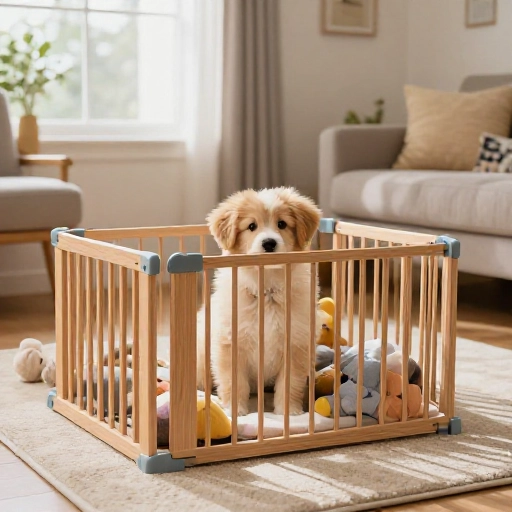
If you spend most of your time in the living room, bring the pen there. Your puppy needs to see you to feel secure. Set up a larger pen with soft blankets, a few chew toys, and a designated potty corner.
I like to rotate toys every few days to keep things interesting. A tired puppy is a good puppy, so make sure there’s room for a gentle game of tug or a stuffed Kong session. Just keep the pen away from loose cords and heavy furniture they could knock over.
This setup helps your dog learn to settle while you watch TV or work. It’s the perfect middle ground between crating and free-roaming.
3. The Bedroom Overnight Pen
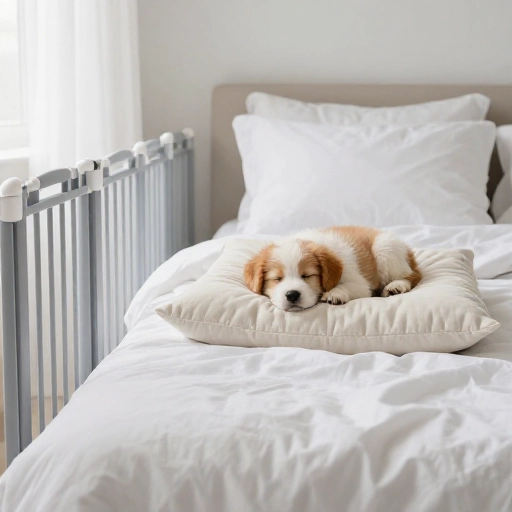
For the first few weeks, having your puppy sleep in your bedroom is a game-changer. Set up a small pen right next to your bed so they can hear you breathing. This reduces crying and builds trust.
Inside, put a small crate with the door open as a cozy den, plus a potty pad on the far side. If your puppy whines at 3 a.m., you can quietly guide them to the pad without stumbling downstairs.
As they grow, you can move the pen further from the bed. Eventually, they’ll sleep through the night without any potty breaks. This simple shift made my nights so much calmer.
4. The Two-Zone Potty Training Pen
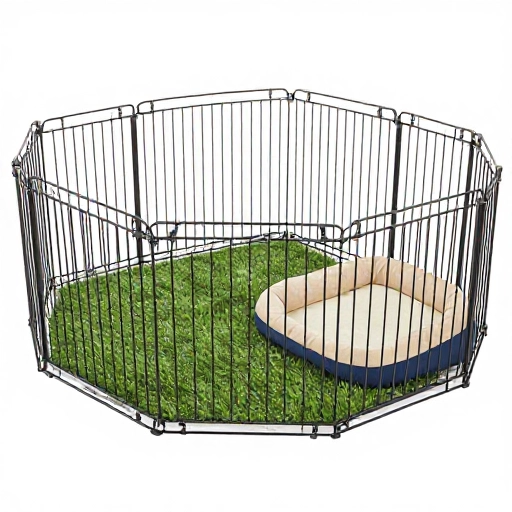
This is my go-to recommendation for stubborn pups. Divide the pen into two clear sections using a low barrier or just the shape of the pen itself. One side is for sleeping and eating, the other is for potty breaks.
Place a washable pee pad or a tray with sod in the potty zone. Keep the sleeping side lined with soft towels or a crate mat. The physical separation teaches your puppy that they have a “bathroom” area and a “living room” area.
It sounds basic, but that visual cue speeds up house training by weeks. Plus, it’s easy to clean—just swap out the pad or rinse the tray.
5. The Foldable Outdoor Patio Pen
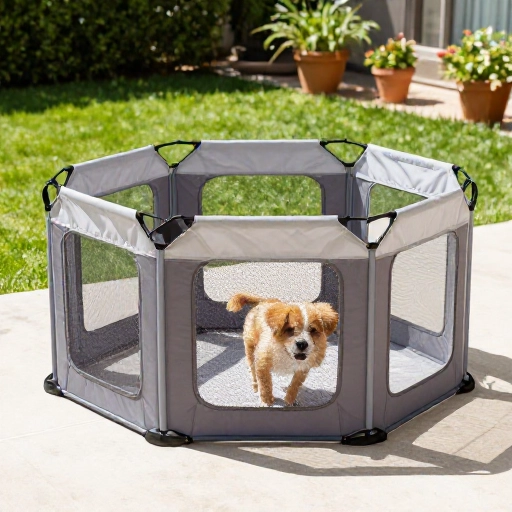
If you have a sliding glass door, this setup is pure genius. Place a foldable pen just outside the door, then leave it slightly ajar. Your puppy can run out to potty on real grass and run back inside for cuddles.
Inside the pen, keep a bed and water. This is perfect for warm days when you want fresh air but can’t watch them every second. It also helps with crate training because the outdoor space feels like an extension of their den.
Just make sure the pen is secure and shaded. I use a small tarp clipped on top for sun protection. Your pup will love the freedom, and you’ll love fewer accidents on your carpet.
6. The Multipurpose Hallway Corridor
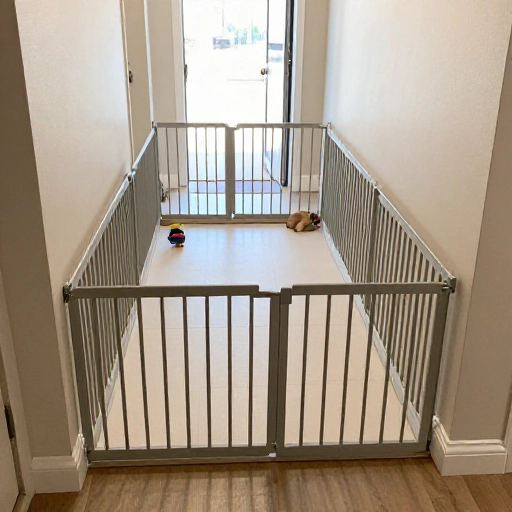
Narrow hallways are underrated for puppy pens. Use a gate at each end of a short, wide hallway to create a long, narrow play space. This setup works wonders for active breeds who need to dash around a bit.
Line the floor with washable runner rugs or vinyl mats. Put a bed at one end and a potty area at the other. The long shape encourages them to move between zones, which is great for mental stimulation.
I found my lab mix loved this because she could run a few steps, flop down, then trot to the pad. It’s also easy to supervise from the kitchen or living room.
7. The Crate-and-Pen Combo
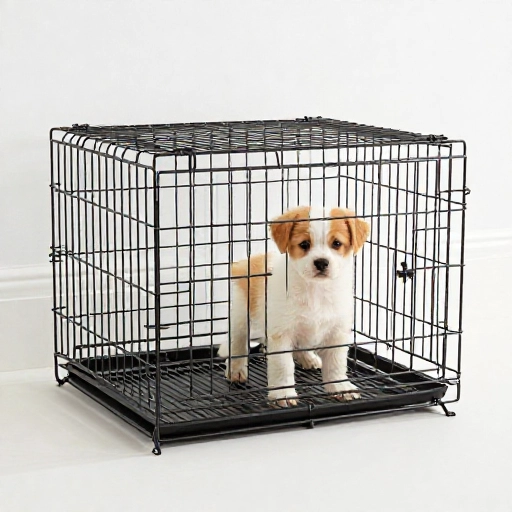
This is the ultimate training station. Place a wire crate inside a larger pen, leaving the crate door open. The crate becomes the cozy bedroom, and the pen area is the playroom and potty zone.
During the day, your puppy can wander in and out of the crate. At night, you can close the crate door for safe sleeping. This combo builds positive crate association while still giving them space to move.
I used this for my anxious rescue pup. She would nap in the crate voluntarily within two days. It’s the best of both worlds: structure and freedom.
8. The Tiny Apartment Setup
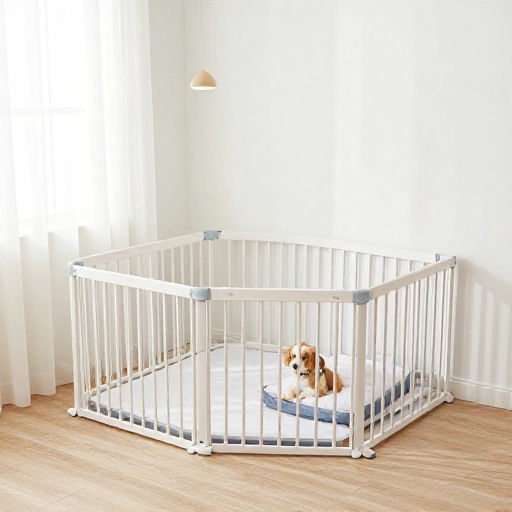
Living in a small space? No problem. Use a round or hexagonal pen that fits in a corner. Keep it compact—just big enough for a bed, a small water bowl, and one potty pad.
Place it near a window so your pup can watch the outside world. That natural light and activity keeps them entertained without needing more floor space. Use a fleece blanket on the bottom for comfort and easy washing.
This setup is all about efficiency. You can still train effectively without dedicating a whole room to your puppy. I swear by this for city dwellers.
9. The Toy-Filled Enrichment Pen
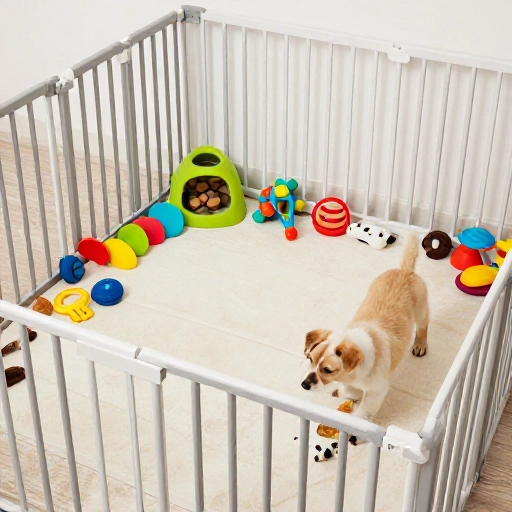
Some puppies get bored fast, and a bored puppy is a destructive puppy. Turn your pen into an enrichment hub by scattering safe toys, a snuffle mat, and a chew bone. Add a few cardboard boxes or empty plastic bottles (supervised).
Rotate the enrichment items daily to keep things fresh. I love hiding a few kibble pieces in a towel for my pup to sniff out. This mental workout tires them out way more than a run around the block.
Keep the potty area separate and small. The goal here is to make the pen a fun place where your puppy wants to hang out—not just a boring timeout zone.
10. The Travel-Ready Portable Pen
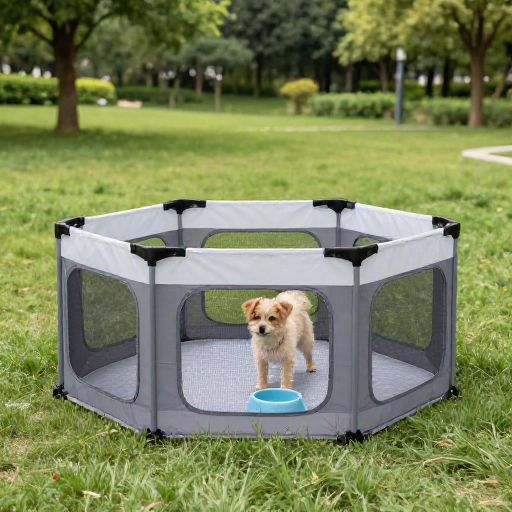
For families on the go, a pop-up fabric pen is your best friend. It folds flat and sets up in seconds. Use it at a friend’s house, a vacation rental, or even in the yard.
Inside, bring a familiar bed and one favorite toy. The familiar scents help your puppy feel safe anywhere. I stash a roll of pee pads and a small water bottle in the carry bag so I’m always prepared.
This setup makes training consistent even when you’re not home. Your puppy learns that the pen means “chill time” no matter where you are.
Conclusion
Finding the right puppy pen setup doesn’t have to be complicated. The best one is the one that fits your space, your schedule, and your pup’s personality. Start simple, move things around as needed, and don’t be afraid to get creative.
Remember, the goal is to make training feel easy for both of you. A safe, cozy pen builds confidence and good habits. Your puppy will thank you with fewer accidents and more tail wags.
Frequently Asked Questions
How big should my puppy pen be?
It should be large enough for a bed, a water bowl, and a potty area, but not so big that your puppy can sleep in one corner and potty in another without moving. For most small to medium breeds, a 36-inch by 36-inch pen is a good start. You can always expand as they grow.
Can I use a pen instead of a crate?
Yes, many people use a pen as a larger alternative to a crate. It gives your puppy more freedom while still keeping them contained. For overnight sleeping or travel, a crate inside the pen can offer extra security. It’s totally up to your dog’s needs.
How long can a puppy stay in a pen during the day?
Puppies under 6 months old should not be in a pen for more than 2–3 hours at a time during the day. They need frequent potty breaks, playtime, and social interaction. Use the pen for naps or short periods when you can’t supervise directly.
What should I put inside my puppy’s pen?
At minimum, include a comfortable bed, a water bowl, and a designated potty area (pad or tray). Add a few safe chew toys and a stuffed Kong for mental stimulation. Avoid putting food bowls inside unless you’re feeding meals there, as free feeding can confuse potty training.
My puppy cries in the pen—what do I do?
First, make sure they don’t need to potty or aren’t hungry or thirsty. If they’re just fussy, try covering part of the pen with a light blanket to create a den-like feel. Leave a worn t-shirt with your scent inside. Never let them out while they’re crying—wait for a quiet moment. Consistency is key.