14 Pet Park Design Tips That Will Make Your Dog Park The Talk Of The Town
I’ve spent years dreaming up the perfect outdoor space for our furry friends, and let me tell you—designing a pet park is so much more than just throwing up a fence and some grass. It’s about creating a safe, stimulating, and social environment where both dogs and their humans feel welcome. Whether you’re planning a community dog park or a private backyard haven, the details really matter.
From smart surfacing to clever zoning, these 14 pet park design tips are exactly what you need to get started. I’ve gathered them from real park planners, vet behaviorists, and plenty of muddy-paw experience. Grab your notebook—you’ll want to save these ideas for your next project.
1. Start With Double-Gated Entry Systems
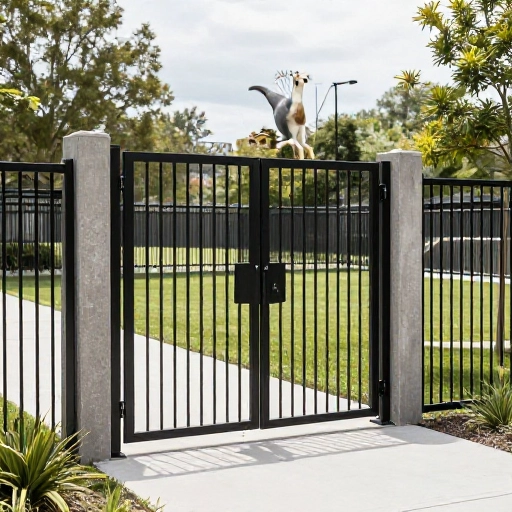
Nothing stresses a dog owner out more than a dog slipping out the gate. A double-gated entry (also called a “sally port”) is non-negotiable. This means two gates with a small holding area in between. You enter the first gate, close it behind you, then open the second gate to enter the main park.
This simple design prevents escapes and gives dogs a moment to calm down before entering the busy park. Make sure the gates swing inward and have secure, paw-proof latches. I always recommend self-closing hinges too.
2. Zone Your Park For Different Dog Sizes
This is one of the most important pet park design tips you’ll ever hear. Large and small dogs have very different play styles. A high-energy Great Dane can unintentionally scare or injure a tiny Chihuahua, even if nobody means any harm.
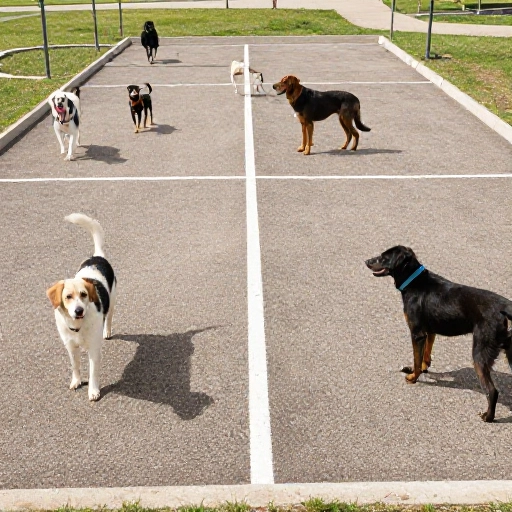
Create at least two separate, fenced areas: one for dogs under 25 pounds and one for larger breeds. Some parks even add a third “shy dog” or senior dog zone. Each area should have its own gate, water station, and seating so no one feels left out.
3. Choose The Right Surface For Safety And Drainage
Grass looks beautiful, but it turns into a muddy mess fast. I’ve seen too many parks become unusable after one rainstorm. Instead, consider a mix of surfaces. Pea gravel, engineered wood fiber, or artificial turf with proper drainage are all great options.
Sand is popular but gets hot and dusty. Rubber mulch is soft for landings but can be messy. Whatever you choose, make sure the ground has at least 6 inches of drainage base underneath. Your local dogs’ paws (and their owners’ shoes) will thank you.
4. Provide Plenty Of Shade Structures
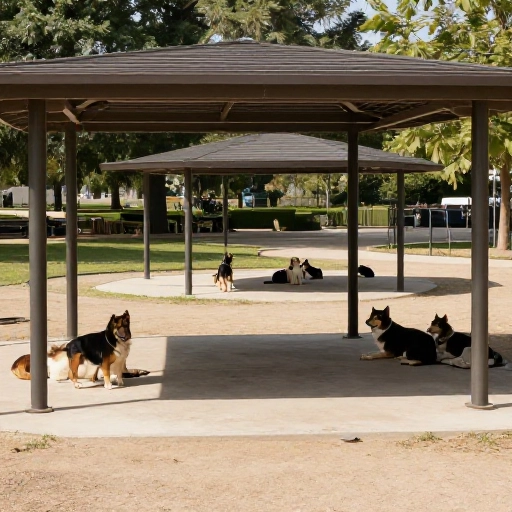
Dogs can overheat quickly, even on mild days. A park without shade is a park that empties out by 10 AM. Plan for shaded areas that cover at least 30% of the total space. This can be natural shade from large trees, or built structures like shade sails, pergolas, or covered pavilions.
Place shade near seating areas and water stations. And remember—shade moves throughout the day, so consider the sun’s path when positioning your structures.
5. Install Easy-Access Water Stations
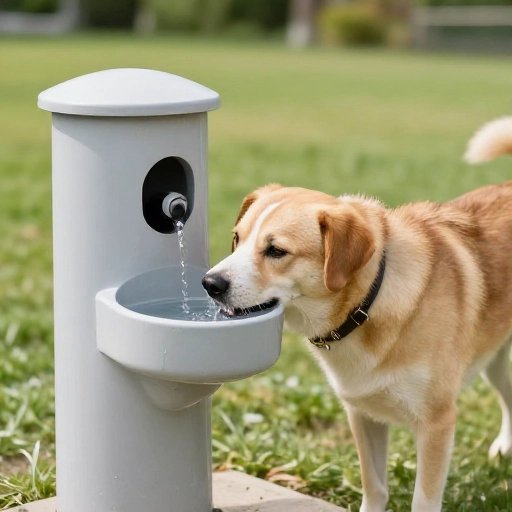
Hydration is everything. Place water stations at multiple points throughout the park. Use elevated, spill-proof bowls or automatic dog water fountains. These are easier to clean and keep water fresh.
Don’t forget a drainage system around the water area to prevent puddles. And always include a small sign reminding owners to bring their own water bottles too. A well-hydrated dog is a happy, safe dog.
6. Add Fun, Safe Agility Equipment
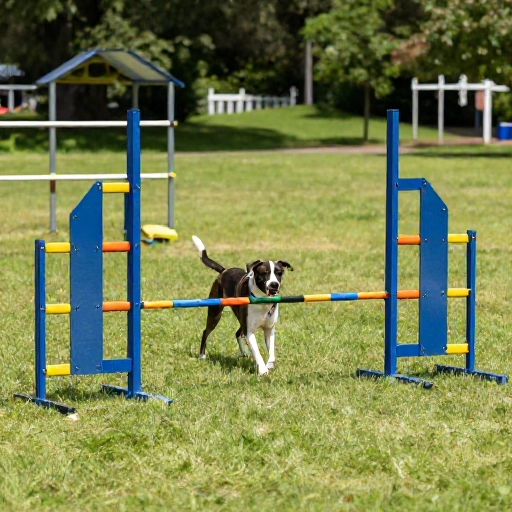
Dogs love to climb, jump, and tunnel. Adding a few pieces of agility equipment can turn a boring field into an adventure zone. Think low jumps, weave poles, tunnels, and A-frames. Keep everything low to the ground (no higher than 3 feet) to prevent injuries.
Use non-slip surfaces on ramps and platforms. And here’s a pro tip: rotate equipment every few months to keep things exciting. Dogs get bored too!
7. Create Separate “Chill Zones”
Not every dog wants to run wild. Some just want to sniff around or lie in the sun. Designate quiet areas away from the main play zones. These can have benches, soft ground cover, and even a few bushes for privacy.
These zones are perfect for older dogs, recovering pets, or anxious pups. They also give owners a peaceful spot to sit and chat without being in the middle of the action.
8. Use Durable, Dog-Friendly Fencing
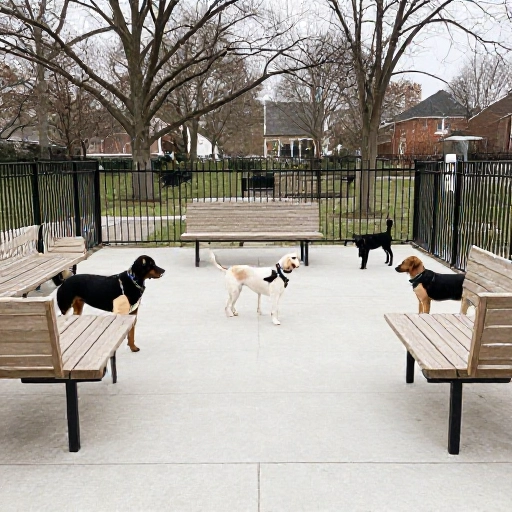
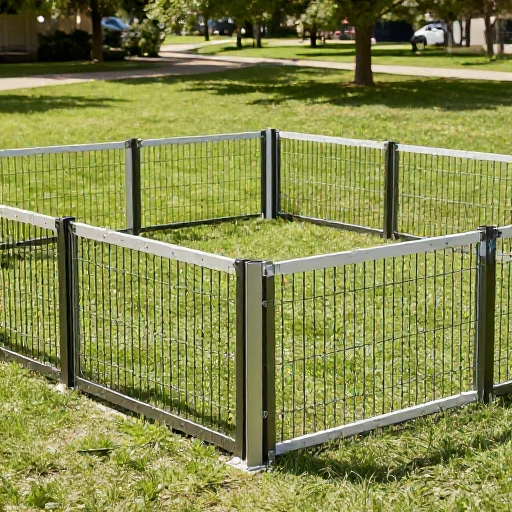
Fencing is the backbone of any pet park. It needs to be tall enough (at least 5–6 feet) to prevent jumping, and buried a few inches into the ground to stop digging. Chain-link is classic, but powder-coated steel or welded wire is stronger and safer.
Check for sharp edges or gaps where small dogs could squeeze through. Add a “no-climb” lip at the top if you have athletic breeds. And always, always check your fence line weekly.
9. Include Waste Stations At Every Turn
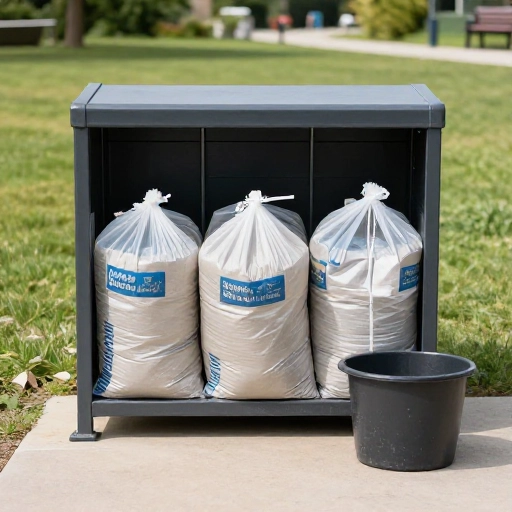
Let’s be honest—nobody likes a messy park. Place waste bag dispensers and trash cans every 50 to 100 feet. Make them visible and easy to use. A bright color like yellow or green helps owners spot them quickly.
Consider adding a dedicated “poop bag” disposal bin that’s separate from regular trash. And put a small sign reminding owners that a clean park is a fun park. Trust me, your maintenance crew will love you.
10. Design Human-Friendly Seating
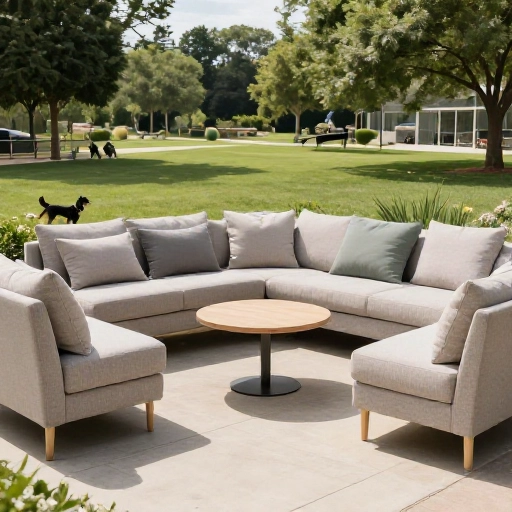
Pet parks aren’t just for pets. Owners need comfortable places to sit, watch, and socialize. Place benches and chairs in shaded areas with a clear view of the play zones. Group seating in small clusters to encourage conversation.
Add a few picnic tables for people who want to bring coffee or snacks. And don’t forget a few hooks or cubbies for leashes, jackets, and bags. Happy owners mean longer visits and better community.
11. Plan For Good Lighting And Visibility
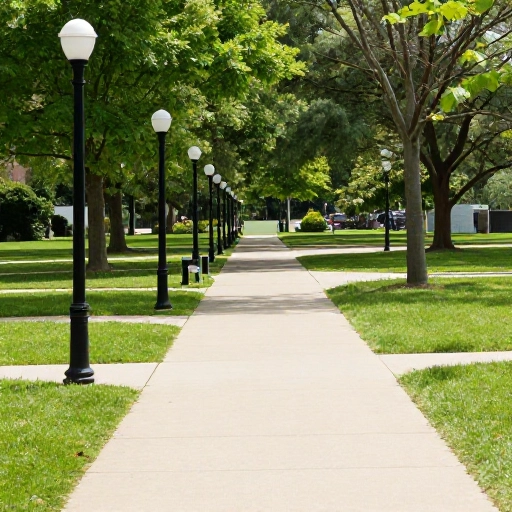
If your park will be open in the early morning or evening, lighting is essential. Use warm, soft LED lights that don’t glare into dogs’ eyes. Place lights along pathways, near gates, and around seating areas.
Good lighting also helps owners keep an eye on their dogs as they run around. Motion-sensor lights near the entrance are a great safety bonus. A well-lit park feels safer and stays cleaner.
12. Incorporate Natural Landscaping
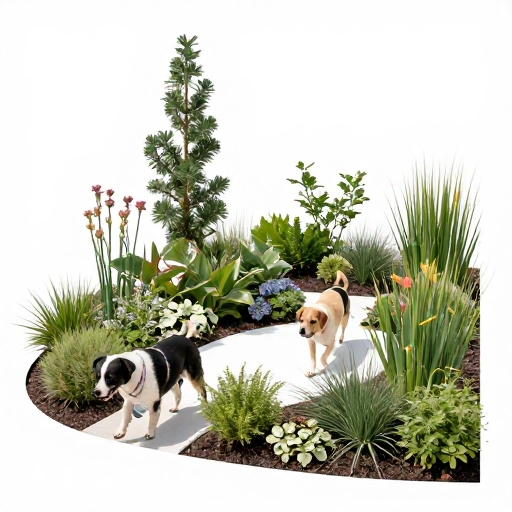
Dogs love to explore different textures and smells. Plant a mix of dog-safe shrubs, ornamental grasses, and flowers. Avoid toxic plants like azaleas, lilies, or sago palms. Lavender and rosemary are great choices—they smell nice and are safe.
Create winding paths with different ground covers like mulch, stone, and grass. This keeps dogs mentally stimulated and adds visual interest for humans. Natural landscaping also helps with drainage and erosion control.
13. Add A Separate “Training” Or “Time-Out” Area
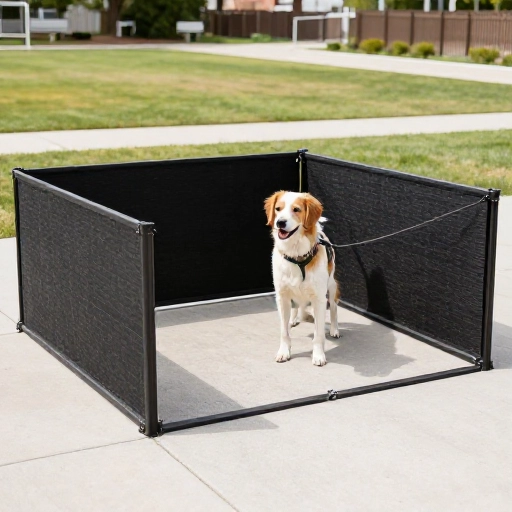
Every park needs a quiet corner for training or calming down. This small, fenced enclosure allows owners to work on basic commands without distractions. It’s also a great spot for a dog that needs a break from the group.
Keep this area simple—maybe one bench and some soft ground. A small gate separates it from the main park. This simple addition can prevent fights and help shy dogs build confidence.
14. Include A Welcome Kiosk With Park Rules
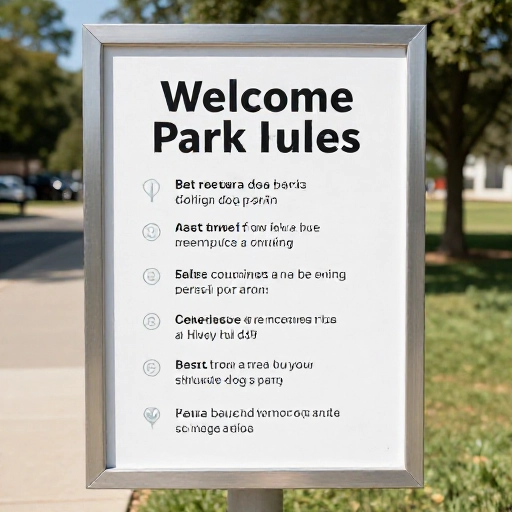
First impressions matter. Place a large, readable sign at the entrance with park rules, hours, and emergency contact info. Use icons and pictures so it’s easy to understand for everyone. Include a map showing the different zones and amenities.
Add a bulletin board where owners can post lost-and-found notices or upcoming events. A welcome kiosk sets the tone for a respectful, friendly park. It’s a small detail that makes a huge difference.
Conclusion
Designing a pet park is one of the most rewarding projects you can take on. When you plan with both dogs and humans in mind, you create a space that builds community, promotes health, and brings endless joy. These 14 pet park design tips are your blueprint for success.
Remember, the best parks are safe, clean, and fun for everyone. Start with the basics, listen to your community, and always keep the dogs’ well-being first. I can’t wait to see what you build—your future park visitors (both two-legged and four-legged) are going to love it.
Frequently Asked Questions
What is the best surface for a dog park?
Engineered wood fiber or pea gravel with proper drainage is often the best choice. It’s soft on paws, drains well, and doesn’t get too hot. Avoid plain grass in high-traffic areas—it quickly turns to mud.
How big should a pet park be?
For a small community park, aim for at least 1,000 square feet per zone. Larger parks can be 2–3 acres total. The size depends on how many dogs you expect and whether you’ll have separate areas for different sizes.
How do I keep the park clean?
Place plenty of waste stations around the park, and have a regular maintenance schedule. Encourage owners to clean up after their dogs with friendly signage. Some parks also host volunteer cleanup days.
What plants are safe for dog parks?
Safe choices include lavender, rosemary, sunflowers, and most ornamental grasses. Avoid toxic plants like azaleas, lilies, oleander, and sago palms. Always check with a local nursery for dog-safe options in your area.
Can I build a pet park on a budget?
Yes! Start with the basics: good fencing, a double gate, and water access. Add seating and waste stations next. You can always expand with agility equipment and landscaping later. Community volunteers can help keep costs down.