13 Easy DIY Pet Ramps for Bed & Stairs You Can Build This Weekend
Watching your best friend struggle to jump onto the bed or navigate the stairs is heartbreaking. I remember when my senior dog started hesitating before every leap. My heart sank. A pet ramp can give them freedom and confidence back, but store-bought ones cost a fortune. That’s why I started building my own. Trust me, if I can do it, you can too.
These 13 DIY pet ramp ideas use simple materials you probably already own. Most take just a couple of hours. Your furry family member will be back by your side in no time—no more painful jumps or scary stairs. Let’s build something that makes their tail wag.
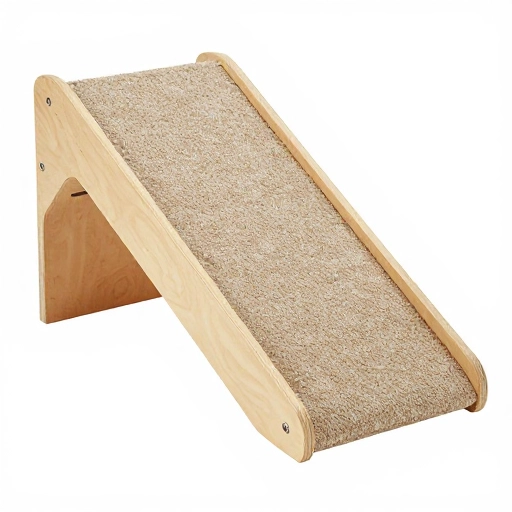
1. The Classic Plywood and Carpet Ramp
This is the ramp I built first. It’s simple, sturdy, and works for beds and low stairs. You need one sheet of ¾-inch plywood and some leftover carpet.
Cut the plywood to your desired length. I made mine 4 feet long for a high bed. Staple carpet to the top for grip. Add small wooden cleats on the bottom edge to keep it from sliding. That’s it. My dog ran up it the same day.
2. The Foldable Tri-Fold Ramp for Travel
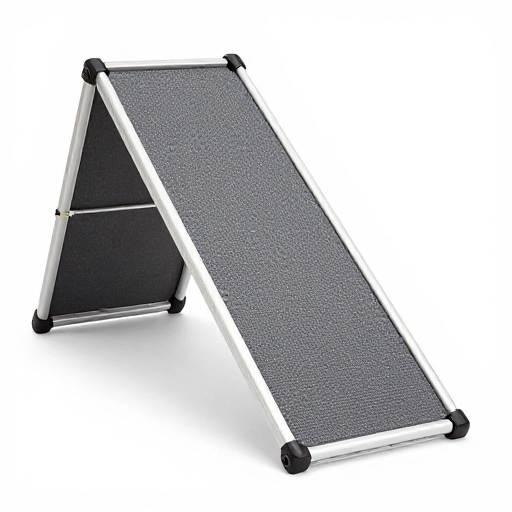
We travel a lot, so a permanent ramp doesn’t work. This three-panel ramp folds flat for the car. Use three pieces of ¼-inch plywood hinged together.
Each panel is about 2 feet long. Cover them with outdoor carpet. Add a handle on the top panel for carrying. It folds into a neat rectangle. I keep ours under the back seat. Perfect for hotel beds or RV steps.
3. The Storage Stair Ramp with Drawers
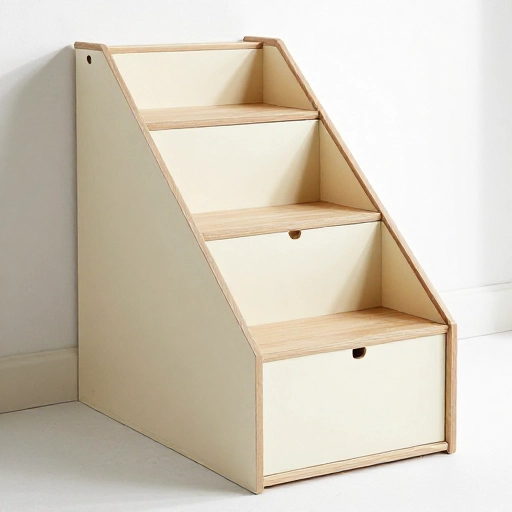
If you have stairs leading to a room, turn them into a ramp with hidden storage. Build a box ramp that fits over your existing steps.
Use 2x4s for the frame and plywood for the top. Install shallow drawers underneath. The ramp surface is sloped, so your pet can walk up easily. My cat loves napping on top, and I store her toys in the drawers. It’s two solutions in one.
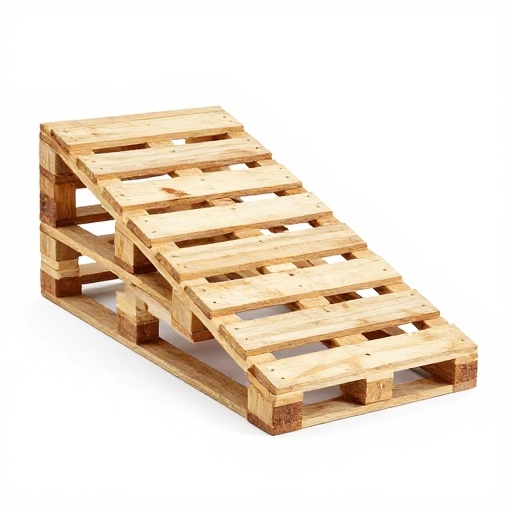
4. The Upcycled Pallet Ramp for Outdoors
Free pallets are everywhere. This ramp is great for getting your dog into a truck or onto a high porch. Look for heat-treated pallets (stamped “HT”) without chemicals.
Disassemble the pallet and use the planks. Build a simple frame, then screw the planks on with small gaps between them. The gaps give traction. Add rubber feet to the bottom. It’s rustic, rugged, and costs almost nothing.
5. The Lightweight Foam and Fabric Ramp
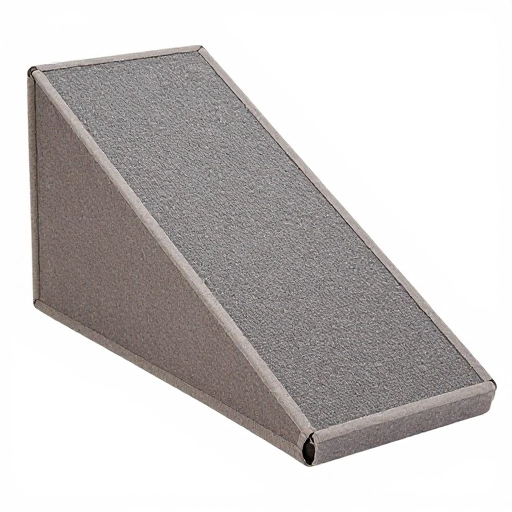
For a tiny dog or a cat, heavy wood is overkill. I made this using high-density upholstery foam and sturdy fabric. It’s basically a pet-friendly wedge pillow.
Cut the foam into a triangular shape. Wrap it tightly with canvas or denim. Sew or staple the fabric closed. It’s soft, silent, and easy to move. My friend’s elderly Chihuahua uses this for the sofa. She carries it to different rooms.
6. The L-Shaped Ramp for Tall Beds
A straight ramp for a high bed takes up too much floor space. The L-shaped ramp has a landing in the middle. My dog stops on the platform, then goes up the next section.
Build two short ramps connected by a square platform. The platform rests on a small leg. Cover everything with carpet. It fits neatly next to the bed. My cat uses the platform as a lookout spot.
7. The Under-Bed Slide-Out Ramp
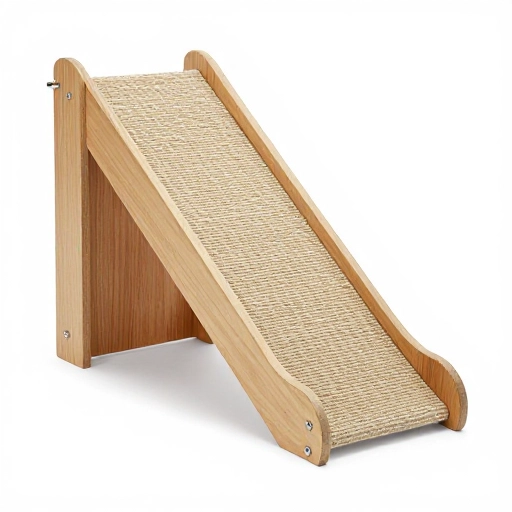
This one is genius if you have space under your bed frame. Build a ramp that slides out from under the bed when needed.
Use a piece of plywood with a lip on the top edge. Attach small wheels to the bottom. When not in use, push it under the bed. Pull it out when your pet wants up. It hides completely. No tripping hazard, no clutter.
8. The Bookshelf Conversion Ramp
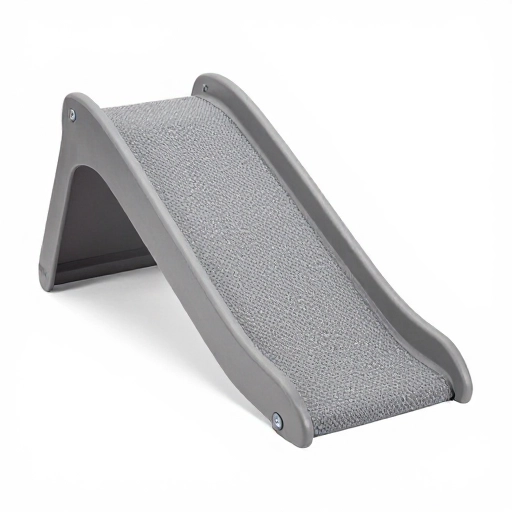
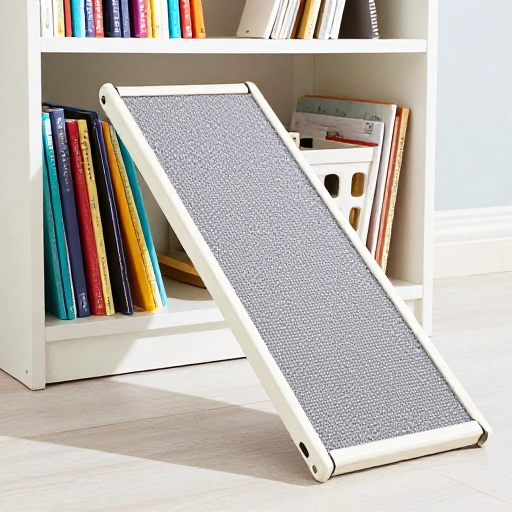
I turned an old bookshelf into a pet ramp for the sofa. It was so easy. Remove the shelves and turn it on its side. The back becomes the ramp surface.
Cut a piece of thick cardboard or thin wood to match the slanted angle. Cover it with carpet. The bookshelf sides act as guardrails. My dog feels safe walking between the walls. Plus, it still holds books on the other side.
9. The Carpet Runner Stair Ramp
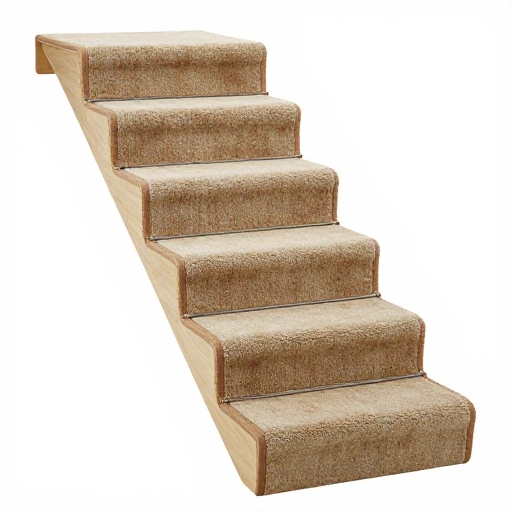
If you have a few stairs, you don’t need a full ramp. Just create a gentle slope over them. This uses a thick carpet runner and non-slip padding.
Lay the runner down over the stairs. Secure it with carpet tape or staples. Add wooden wedges under the runner to smooth out the step edges. It makes a gentle incline. My older dog walks down it like a runway.
10. The MDF and Felt Ramp for Cats
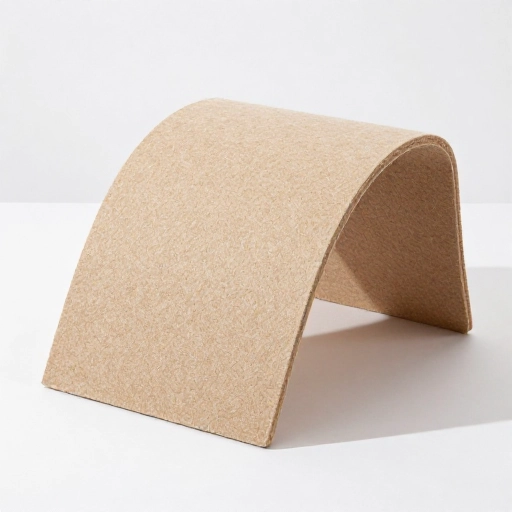
Cats need narrow ramps with soft surfaces. Use medium-density fiberboard (MDF) and felt sheets. Cut the MDF into a long, narrow strip.
Glue felt to the top. Attach it to the bed frame with a hinge so it swings up when not needed. My cat loves the soft texture. She uses it to reach the windowsill too. It’s quiet and blends with furniture.
11. The Repurposed Wooden Ladder Ramp
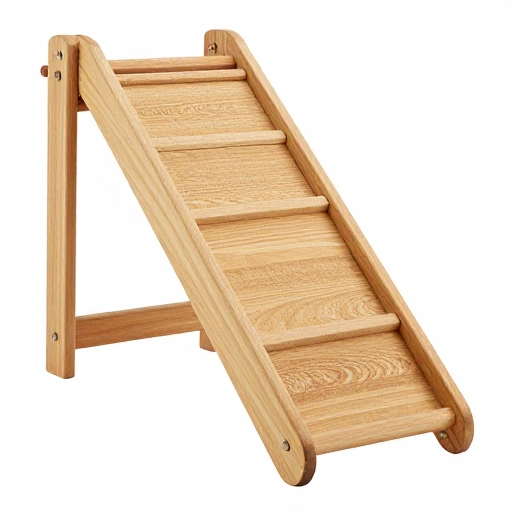
An old wooden ladder makes a perfect rustic pet ramp. I found one at a garage sale for five dollars. Place it at a gentle angle against your bed or sofa.
Weave a thick rope or fabric between the rungs to create a solid surface. The rungs provide natural traction. My dog uses the sides as handrails. It looks charming and farmhouse-style.
12. The Zero-Gravity Chair Ramp for Recovery
After surgery, pets need a very gentle slope. This ramp uses a zero-gravity chair frame you can find cheaply. Remove the fabric seat and replace it with a flat board.
Cover the board with a yoga mat for cushion and grip. The chair frame adjusts to different angles. It’s perfect for post-op recovery because you can change the incline. My dog used this after her knee surgery. It was a lifesaver.
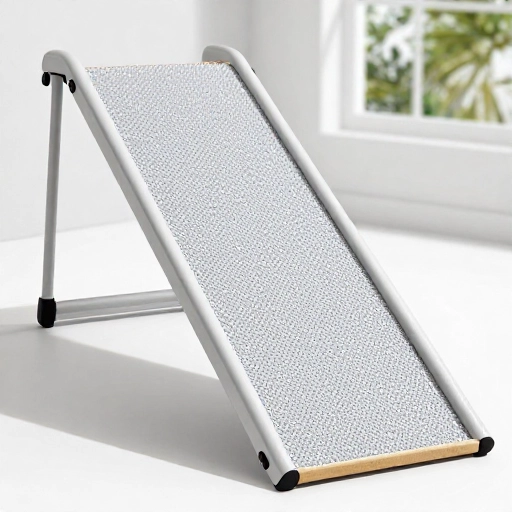
13. The Hinged Wall-Mount Ramp for Small Spaces
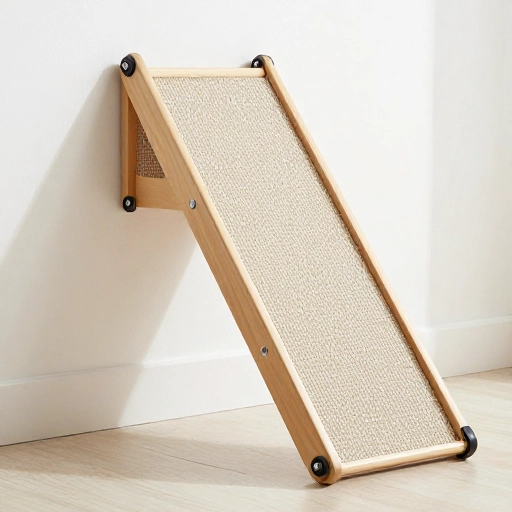
No floor space? Mount the ramp to the wall. This one folds down when needed and flips up flush against the wall when not.
Use a piece of plywood attached to a wall stud with heavy-duty hinges. Add a chain or rope to hold it at the correct angle. Cover with carpet. When flipped up, it looks like a small shelf. My cat jumps from the ramp to her cat tree.
Conclusion
Your pet deserves comfort and independence. These 13 DIY ramps prove you don’t need expensive gear or advanced skills. You just need a little time and care. I built my first ramp with scrap wood and a staple gun. My dog stopped crying at night. That feeling is priceless.
Pick the project that matches your pet’s size and your space. Start small. You’ll be amazed at what you can create. Your best friend is worth every minute.
Frequently Asked Questions
What is the best angle for a pet ramp?
Aim for a 20 to 25-degree angle. That’s gentle enough for old joints but short enough to fit in a room. Measure your bed height and use a calculator to find the right length.
What material gives the best traction?
Carpet is great but can collect fur. Yoga mats or rubber shelf liners provide excellent grip and are easy to clean. I prefer outdoor carpet for ramps used near doors.
How do I get my pet to use the new ramp?
Start with treats. Place them at the bottom, then a few steps up. Never force them. Let them explore. My dog took three days to trust it. Now she runs up without thinking.
Can I build a ramp without power tools?
Yes. You can use a handsaw, hammer, and nails. Many of these projects use simple cuts. Ask a hardware store to cut plywood for you. They often do it free.
How do I make a ramp non-slip for hardwood floors?
Add rubber furniture pads or a non-slip rug gripper under the bottom edge. Some builders attach a small lip that hooks under the bed frame. That prevents any sliding.