17 Vet-Approved Homemade Cat Food Recipes for Balanced Nutrition
When I started cooking for my cat, I was nervous. Would I mess up the nutrients? Would she even eat it? After lots of late-night research and a few happy meows, I found that homemade cat food doesn’t have to be scary. It just needs to be balanced.
These 17 recipes are inspired by what veterinarians and pet nutritionists recommend. Every recipe includes protein, healthy fats, and essential vitamins. Always check with your own vet before switching your cat’s diet, especially if they have health issues.
Let’s get cooking for your furry friend. These meals are simple, wholesome, and full of love.
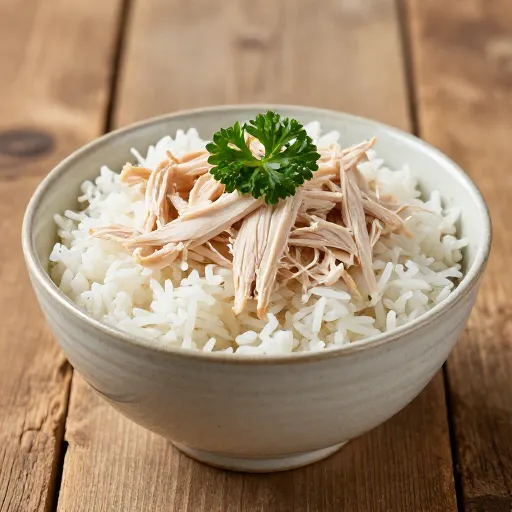
1. Simple Chicken and Rice Bowl
Boil boneless, skinless chicken breast until fully cooked. Shred it finely. Mix with plain white rice and a splash of chicken bone broth (no onions or garlic).
Add a pinch of taurine powder. This is a gentle recipe perfect for sensitive stomachs.
Serve warm, not hot. Leftovers keep in the fridge for three days.
2. Turkey and Pumpkin Mash
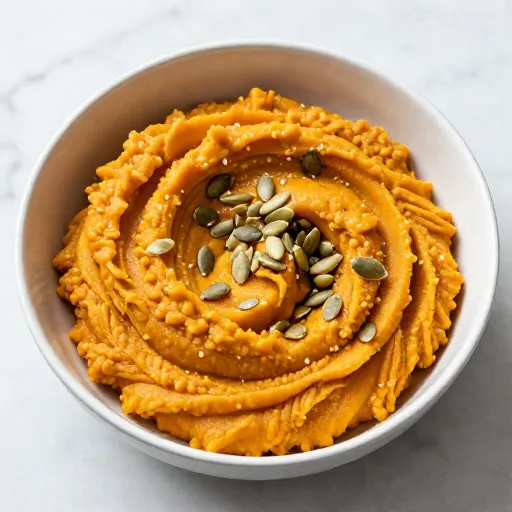
Cook ground turkey in a pan with no oil. Drain any fat. Mix with canned pumpkin (not pie filling).
Plain pumpkin is great for digestion. Stir in a little fish oil for omega-3s.
Your cat will lick the bowl clean. This is a fiber-rich meal that helps with hairballs.
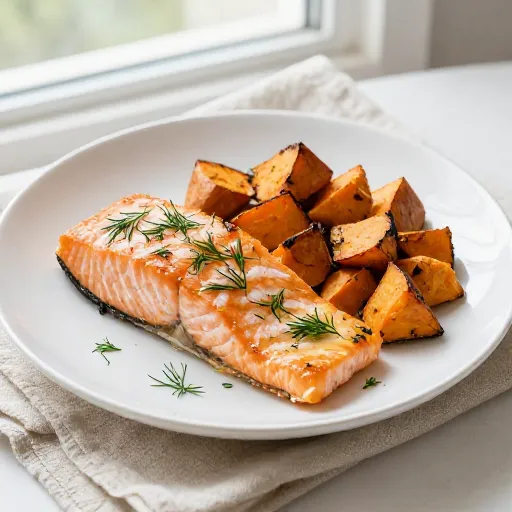
3. Salmon and Sweet Potato Feast
Bake or poach fresh salmon. Remove all bones. Mash with steamed sweet potato until smooth.
Salmon is high in healthy fats. Sweet potato gives gentle carbs and vitamin A.
Don’t overdo the sweet potato. A small amount goes a long way.
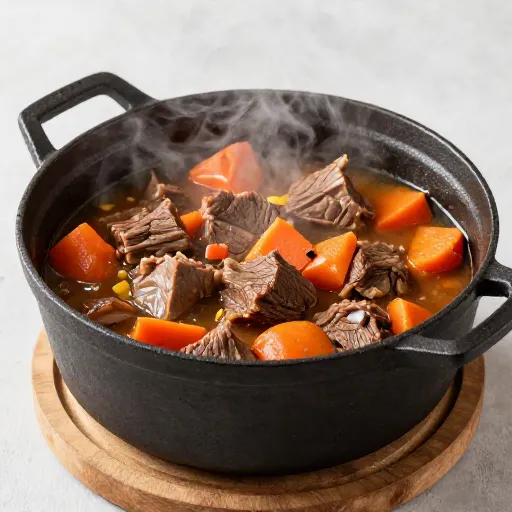
4. Beef and Carrot Stew
Simmer lean beef cubes in water until tender. Add finely grated carrot. Cook until soft.
Blend or chop into tiny pieces. Add a sprinkle of vitamin B supplement if your vet says yes.
This stew is hearty and warming for colder months.
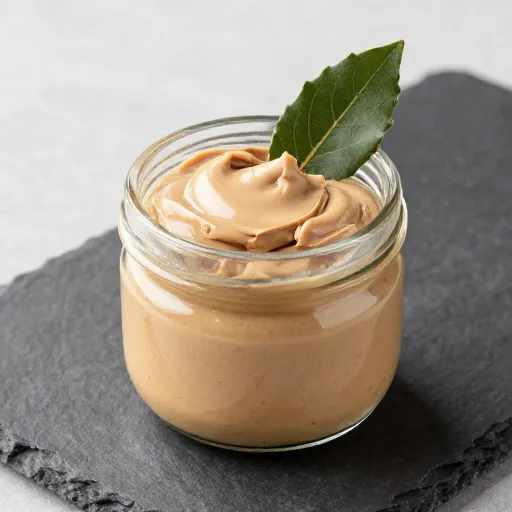
5. Chicken Liver Pâté
Cook chicken liver in a little water. Do not overcook. Blend with plain yogurt or pumpkin.
Liver is packed with iron and B vitamins. But only serve this once a week.
Too much liver can cause vitamin A overload. Keep portions small.
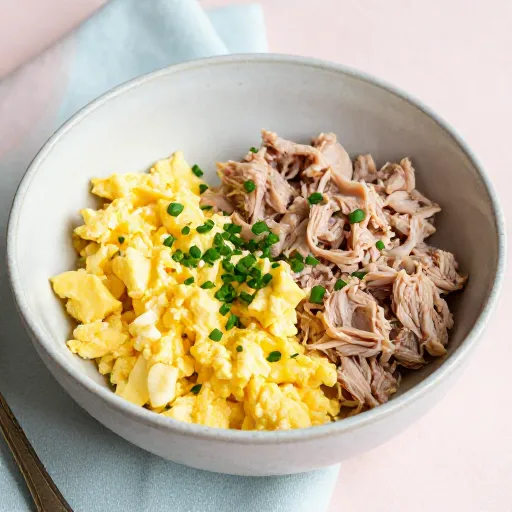
6. Tuna and Egg Scramble
Drain canned tuna in water. Scramble one egg with no butter or oil. Mix together.
Eggs add protein and biotin. Tuna gives irresistible flavor.
Use tuna sparingly. Too much can lead to mercury concerns. Once a week is plenty.
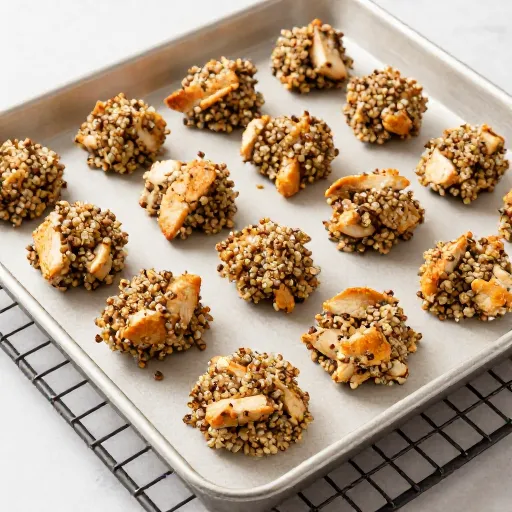
7. Quinoa and Chicken Bites
Cook quinoa until fluffy. Shred cooked chicken breast. Combine with a little plain goat milk.
Quinoa is a gluten-free grain with all essential amino acids. Great for cats who can’t handle rice.
Mix well and form small meatball-sized portions.
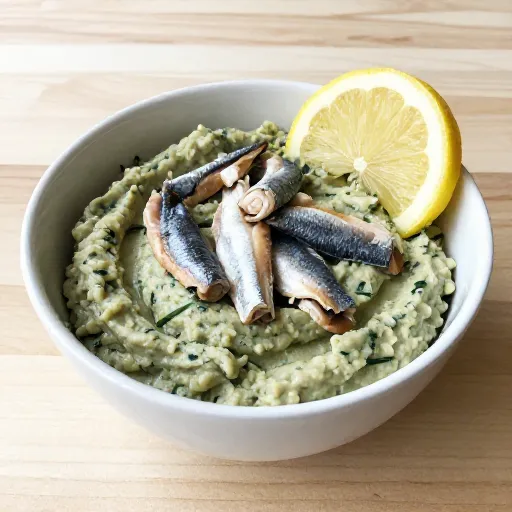
8. Sardine and Spinach Puree
Use sardines packed in water (no salt). Drain and mash. Steam spinach until wilted, then chop fine.
Sardines are rich in omega-3s. Spinach adds iron and fiber.
Start with a tiny amount of spinach. Some cats are picky about greens.
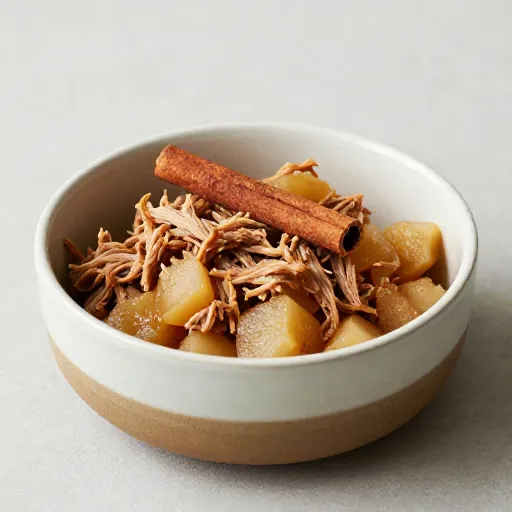
9. Pork and Apple Compote
Cook lean ground pork. Grate a small apple (peeled). Sauté apple in water until soft. Mix with pork.
Pork is a novel protein for cats with allergies. Apple adds a touch of sweetness and vitamin C.
Remove apple seeds first. They are not safe for pets.
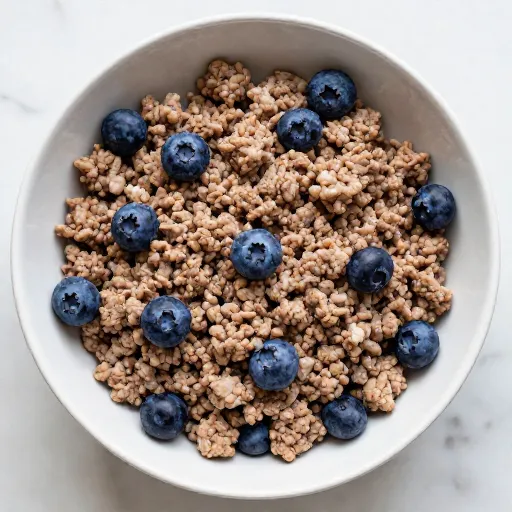
10. Lamb and Blueberry Bowl
Brown ground lamb. Drain fat. Add fresh or frozen blueberries (mashed). Cook briefly.
Blueberries are full of antioxidants. Lamb is rich and flavorful.
Only use a few blueberries. Too many can upset a cat’s stomach.
11. Rabbit and Carrot Casserole
Simmer rabbit meat until tender. Shred. Mix with cooked carrot puree and a drop of fish oil.
Rabbit is lean and hypoallergenic. Great for cats with food sensitivities.
This recipe feels gourmet but is simple to make.
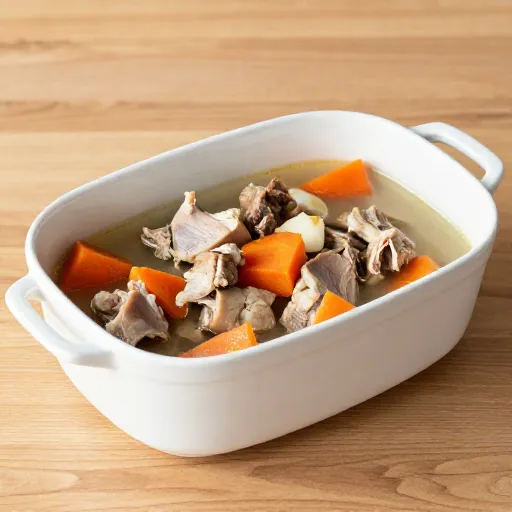
12. Mackerel and Zucchini Mix
Use canned mackerel in water. Drain. Grate zucchini and steam until soft. Combine.
Mackerel is oily and smelly in a good way. Cats love it. Zucchini adds moisture.
This meal is hydrating and low in calories.
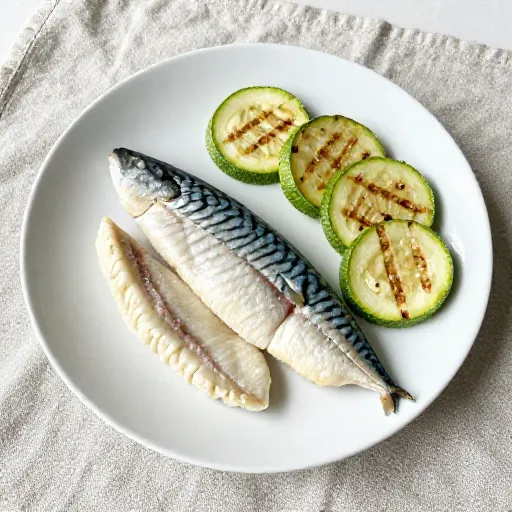
13. Duck and Green Bean Dinner
Cook duck breast without seasoning. Slice thin. Steam green beans until tender, then chop.
Duck is rich and tasty. Green beans provide crunch and fiber.
Cut green beans into tiny pieces to avoid choking.
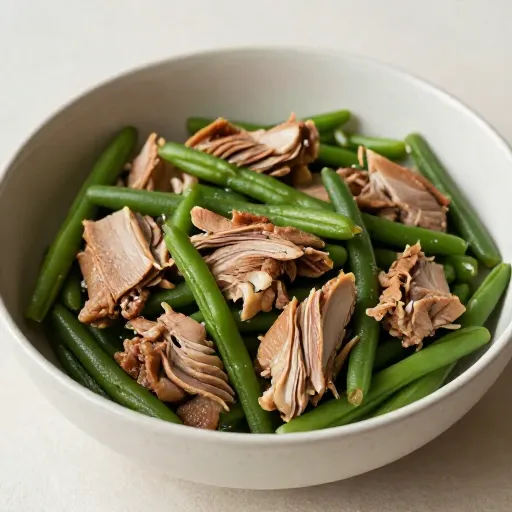
14. Venison and Butternut Squash
Cook ground venison. Roast butternut squash and mash. Mix together with a little water.
Venison is a lean, novel protein. Squash is gentle on digestion.
This is a great option for cats with food allergies.
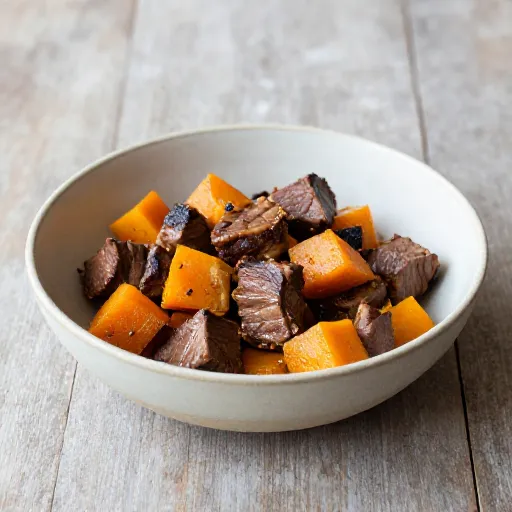
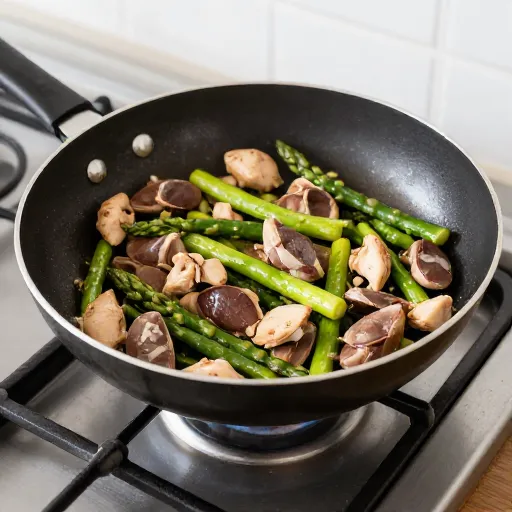
15. Chicken Heart and Asparagus
Cook chicken hearts in water. Steam asparagus until soft. Blend both into a coarse puree.
Hearts are rich in taurine, which cats need for heart health. Asparagus adds a mild green taste.
Only use asparagus occasionally. It’s a treat, not a staple.
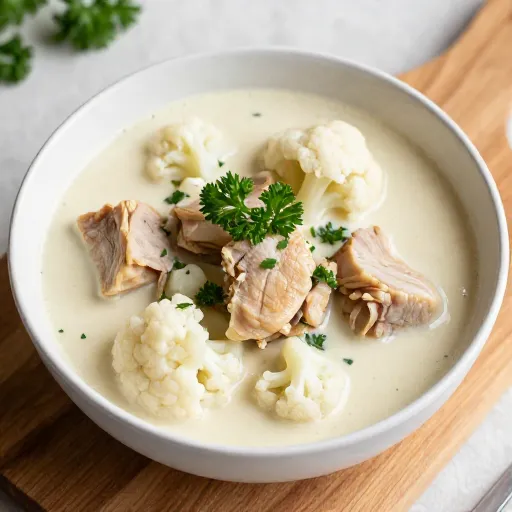
16. Cod and Cauliflower Chowder
Poach cod fillet. Steam cauliflower until tender. Blend with water or unsalted fish broth.
Cod is low in fat and easy to digest. Cauliflower adds bulk without many calories.
This chowder is light and soothing for older cats.
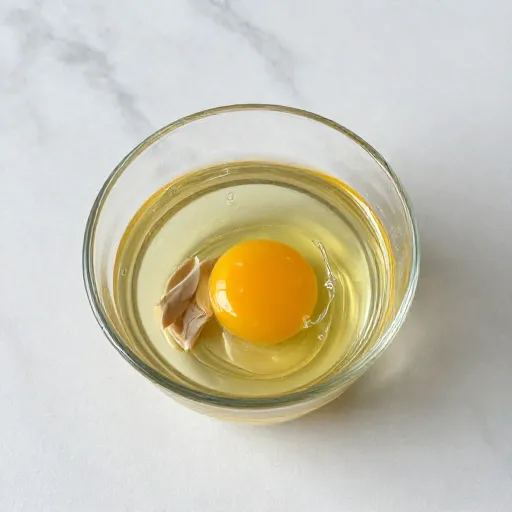
17. Egg Yolk and Chicken Broth
Hard boil an egg. Remove the white. Mash the yolk with warm chicken broth.
Egg yolks are full of healthy fats and choline. Use only the yolk for cats.
This is a quick meal topper or a snack. Not a full meal on its own.
Conclusion
Homemade cat food can be a wonderful way to show your cat you care. These 17 recipes are a starting point. Always rotate proteins and add supplements as your vet recommends.
Your cat’s health starts with what’s in the bowl. Cook with love, but also with knowledge. Your vet is your best partner in this journey.
Try one recipe this weekend. Watch your cat’s happy tail. You’ve got this.
Frequently Asked Questions
1. Do I need to add supplements to homemade cat food?
Yes. Cats need taurine, vitamin B, and other nutrients not always found in home-cooked meals. Ask your vet for a balanced supplement.
2. Can I feed homemade food every day?
You can, but only if the recipe is fully balanced. Most vets recommend mixing homemade with high-quality commercial food.
3. How long does homemade cat food last in the fridge?
Store in airtight containers for up to three days. Freeze portions for up to one month.
4. What human foods are toxic to cats?
Onions, garlic, grapes, raisins, chocolate, and raw egg whites. Always double-check ingredients.
5. My cat is picky. How do I introduce new food?
Mix a tiny amount of new food with their current food. Increase slowly over a week. Patience works best.