10 Therapy Dog Training Tips You Absolutely Need to Know
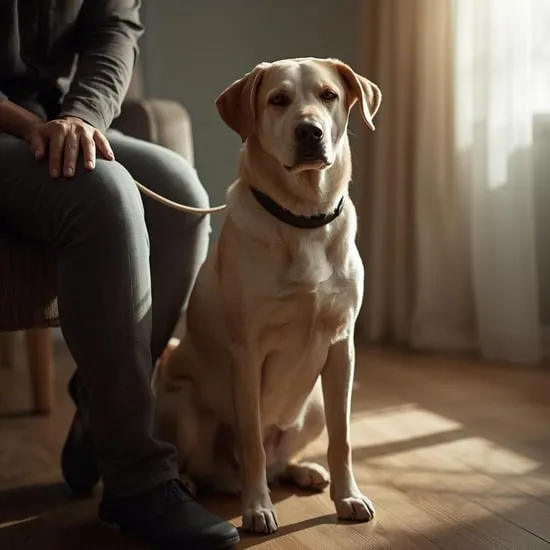
When I first thought about therapy dog work, I felt equal parts excitement and fear. I wondered if my dog was calm enough, gentle enough, and if I even knew what I was doing.
What helped me most was learning real therapy dog training tips from experience, not perfection. These are the therapy dog training tips you absolutely need to know if you’re serious about this journey 🐾.
1. Start With a Calm, Confident Foundation
One of the most important therapy dog training tips is building calm behavior first. Therapy dogs must feel safe and steady in new environments.
I focused on confidence before commands. Calm walks, relaxed greetings, and exposure to different sounds helped my dog stay grounded.
2. Socialization Is Non-Negotiable
Therapy dog training tips always begin with socialization. Your dog needs to be comfortable around people of all ages and abilities.
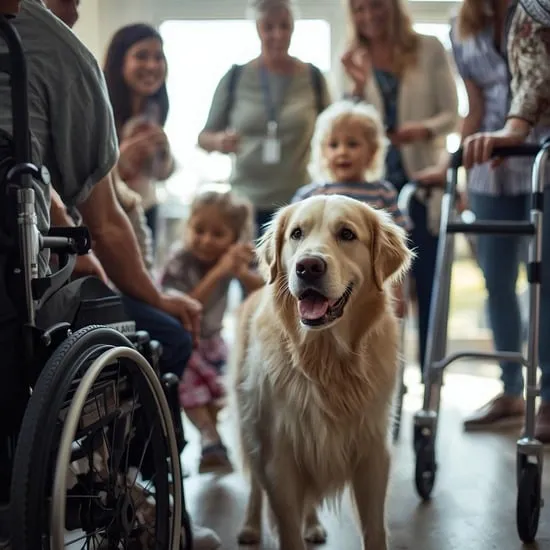
I introduced wheelchairs, walkers, hats, and different voices slowly. This made real visits feel natural instead of overwhelming.
3. Master Basic Obedience First
Sit, stay, down, and leave it are essential therapy dog training tips you absolutely need to know. These commands form the backbone of trust.
Without solid basics, advanced therapy work becomes stressful. Consistency turned obedience into second nature.
4. Teach Gentle Greetings
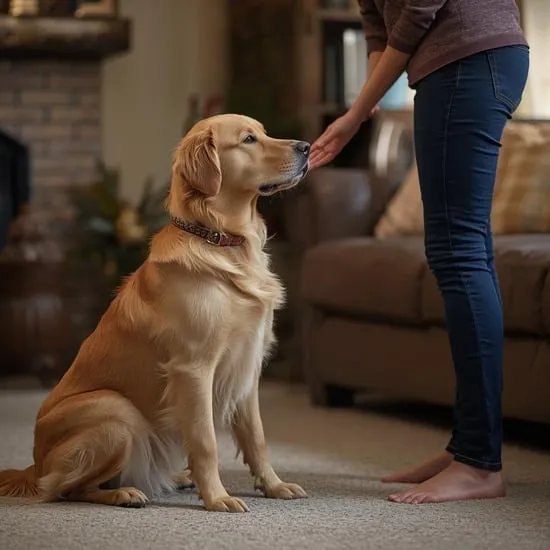
Jumping or excitement can be unsafe in therapy settings. One of the most valuable therapy dog training tips is teaching polite greetings.
I rewarded calm sitting instead of enthusiasm. Over time, my dog learned that calm behavior earned attention ❤️.
5. Build Focus in Distracting Environments
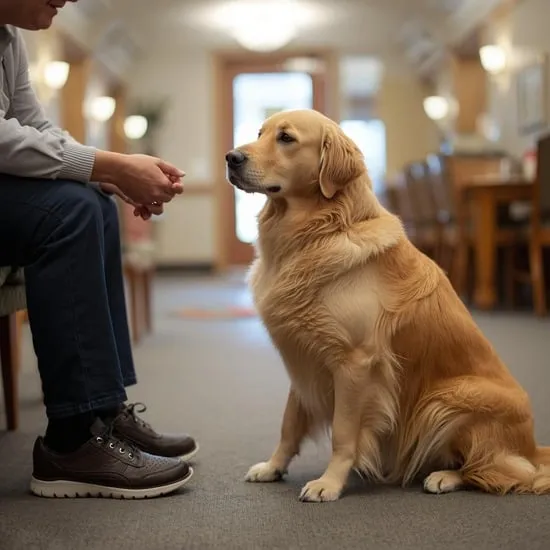
Hospitals, schools, and care homes are full of distractions. Therapy dog training tips must include focus-building exercises.
I practiced in busy parks and stores that allowed dogs. This helped my dog tune into me no matter what was happening.
6. Desensitize Touch and Handling
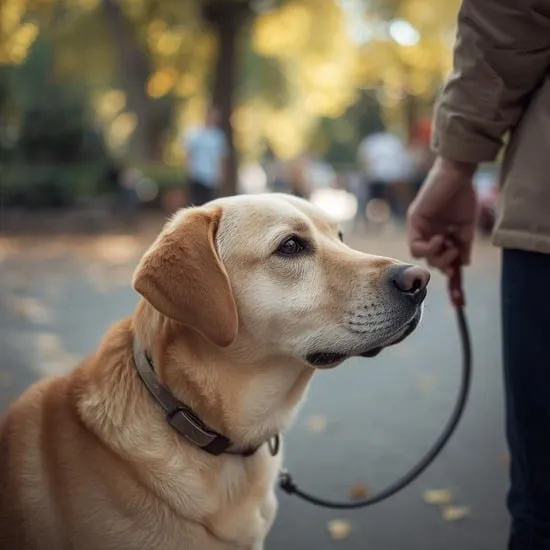
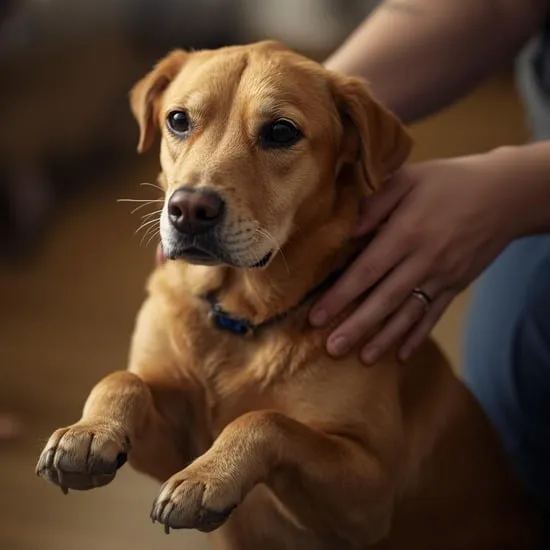
Therapy dogs are touched in unexpected ways. One of the therapy dog training tips you absolutely need to know is handling tolerance.
I gently practiced ear touching, hugging simulations, and paw handling so nothing felt surprising or stressful.
7. Train Emotional Regulation, Not Just Commands
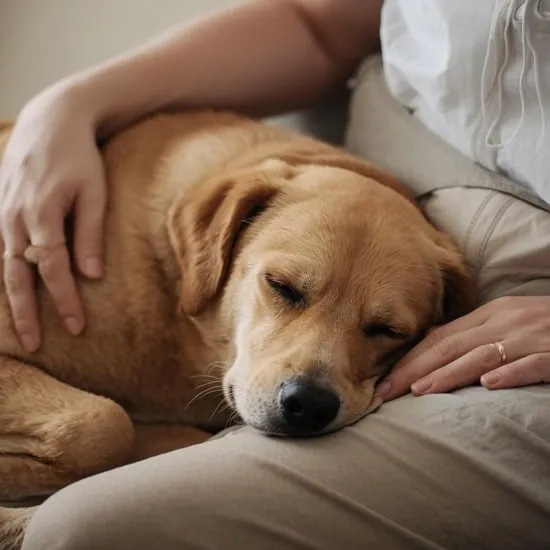
True therapy dog training tips focus on emotional control. A calm emotional state matters more than flashy tricks.
We practiced calm breathing moments and slow rewards. This helped my dog learn when to relax and reset.
8. Short, Positive Sessions Work Best
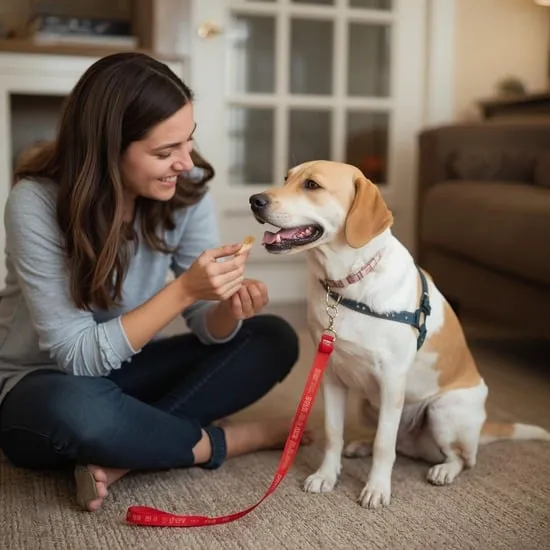
Long training sessions caused burnout for both of us. One of the therapy dog training tips I learned the hard way was keeping it short.
Five to ten minutes of focused training worked better than exhausting routines. Progress came faster this way.
9. Practice Real-Life Scenarios
Therapy dog training tips must go beyond home practice. I simulated visits by sitting quietly with friends and family.
This helped my dog learn patience and presence, which are essential in therapy settings.
10. Know When Your Dog Needs a Break
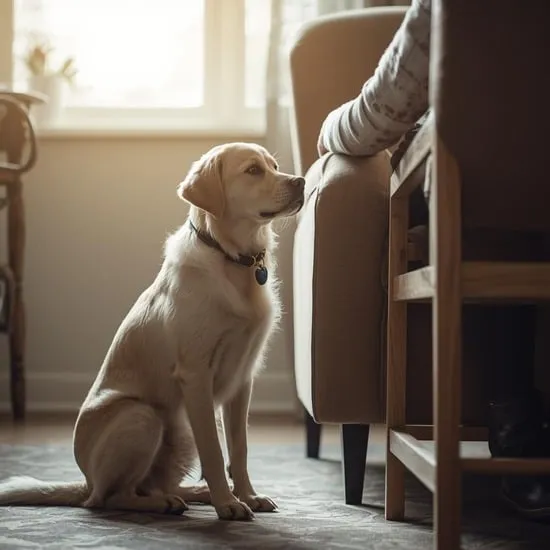
One of the most important therapy dog training tips is respecting your dog’s limits. Therapy work should never feel forced.
I learned to watch body language and end sessions early when needed. A happy dog makes the best therapy dog 🐶.
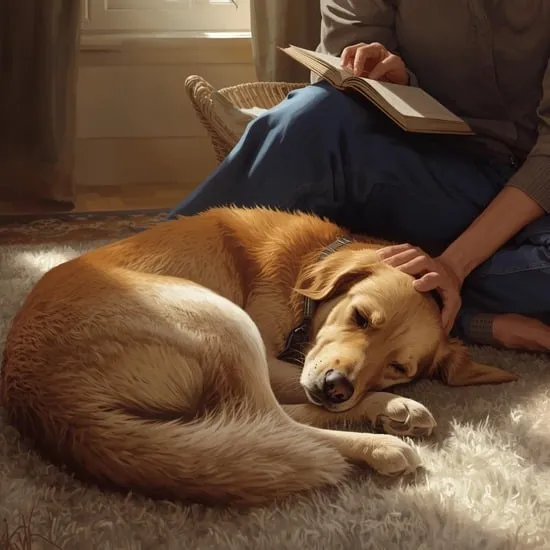
Therapy dog training isn’t about perfection. It’s about empathy, patience, and connection.
If you’re on this path, trust the process. With the right therapy dog training tips and a lot of heart, you and your dog can make a real difference ❤️.