Cat Hairballs: What’s Normal & What’s Not
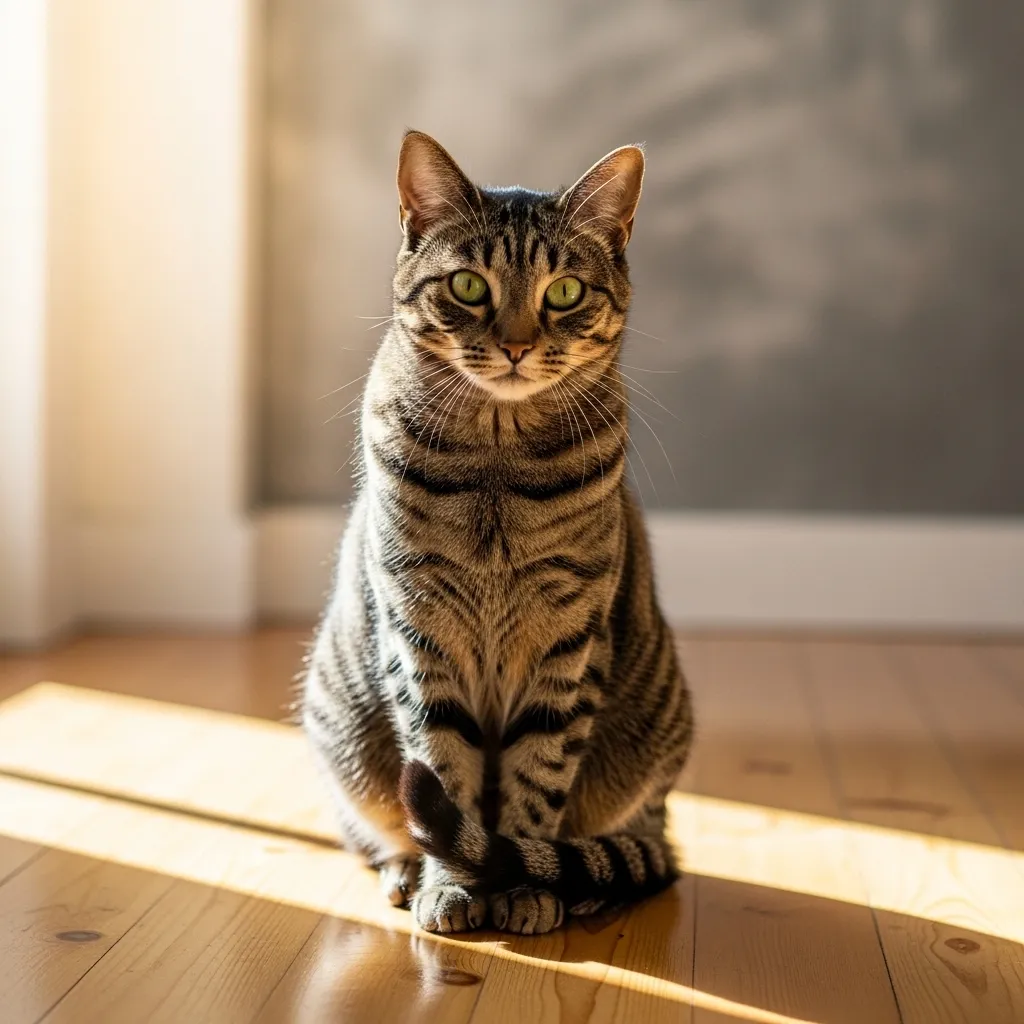
If you’re a cat parent, you’ve probably woken up to that wet, gagging sound in the middle of the night. Hairballs are one of those messy realities of living with a feline. But how do you know when it’s just a normal grooming side effect, and when it’s a sign of something more serious?
I’ve been there myself—staring at a sad little pile on the rug, wondering if I should call the vet. Over the years, I’ve learned that not every hairball is the same. Some are harmless, while others can point to a deeper health issue.
Let’s talk about what’s typical, what’s not, and how you can help your cat feel better. No judgment here—just real talk from one cat lover to another.
What Exactly Is a Hairball?
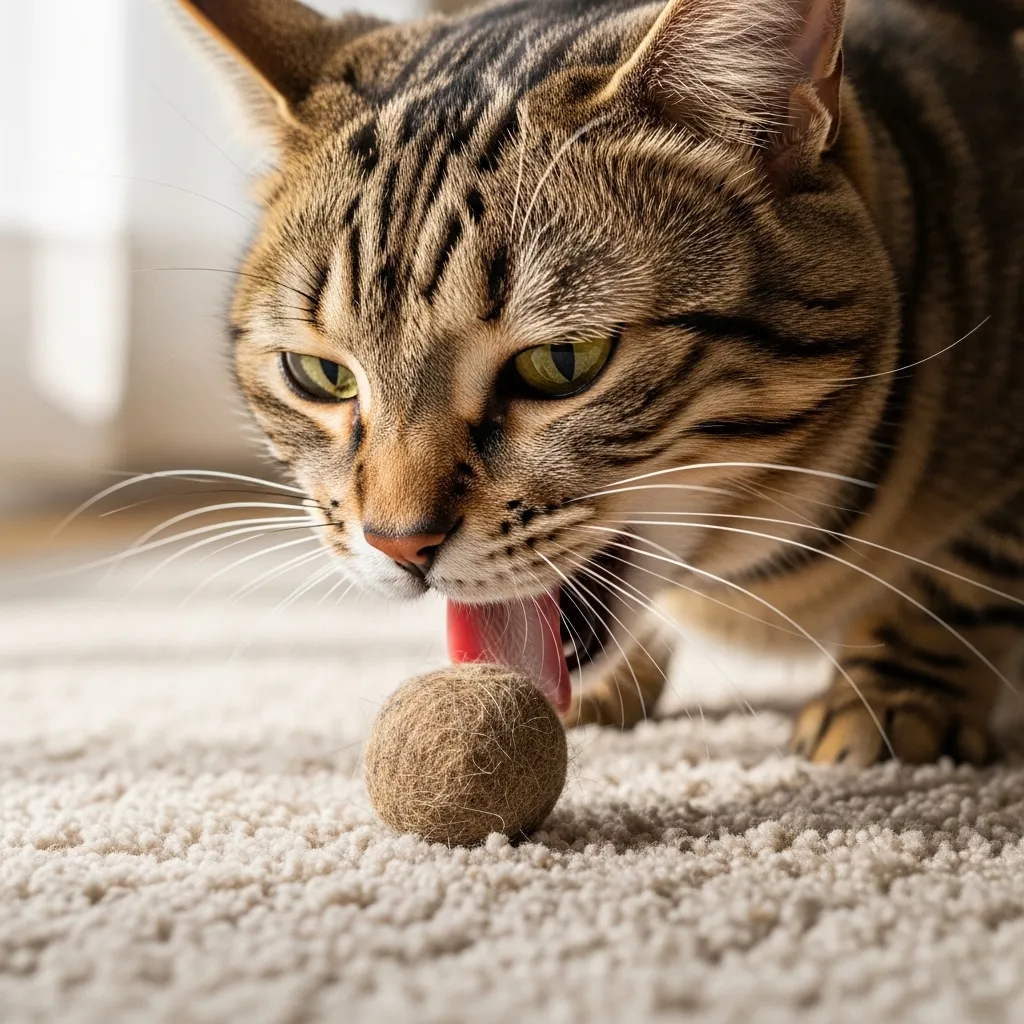
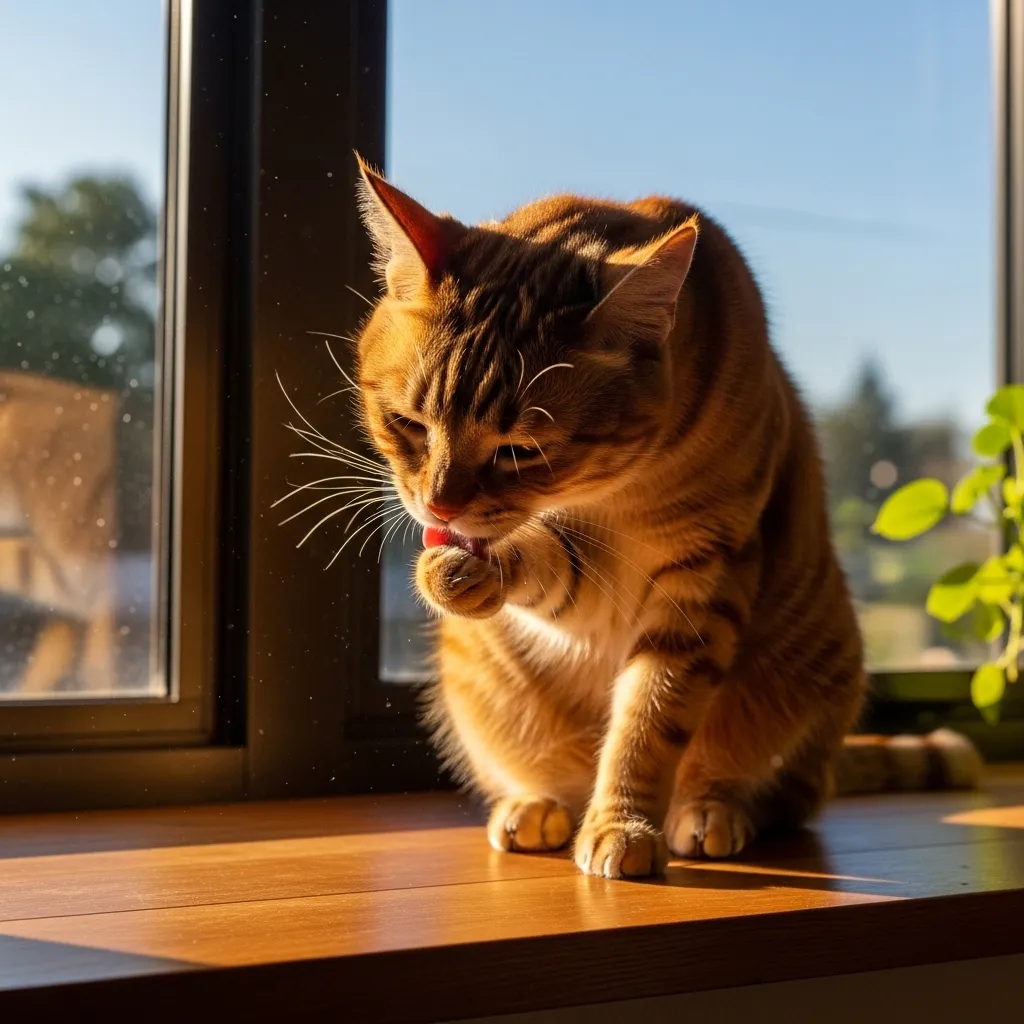
A hairball is exactly what it sounds like: a clump of fur your cat swallowed while grooming. Cats have tiny barbs on their tongues that catch loose hair, and most of that hair passes through the digestive system without issue. But sometimes, hair collects in the stomach instead.
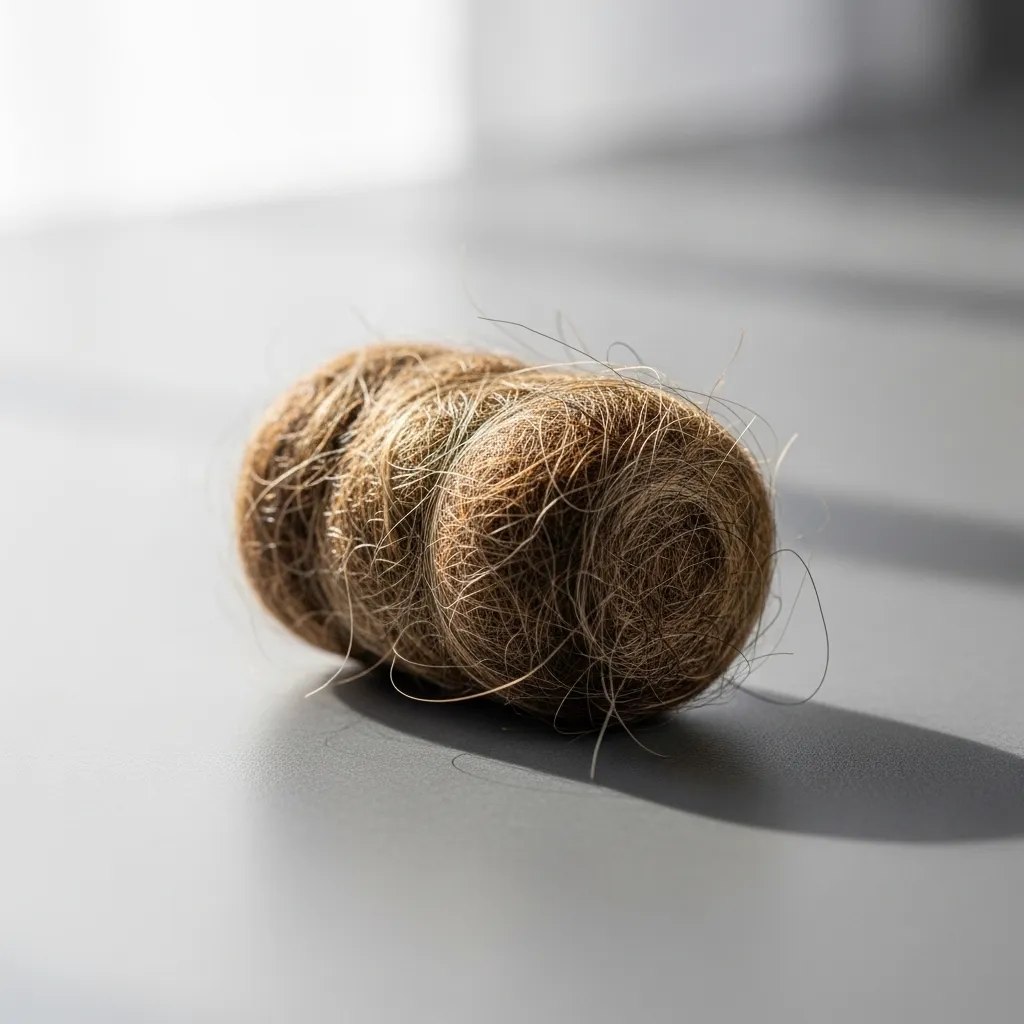
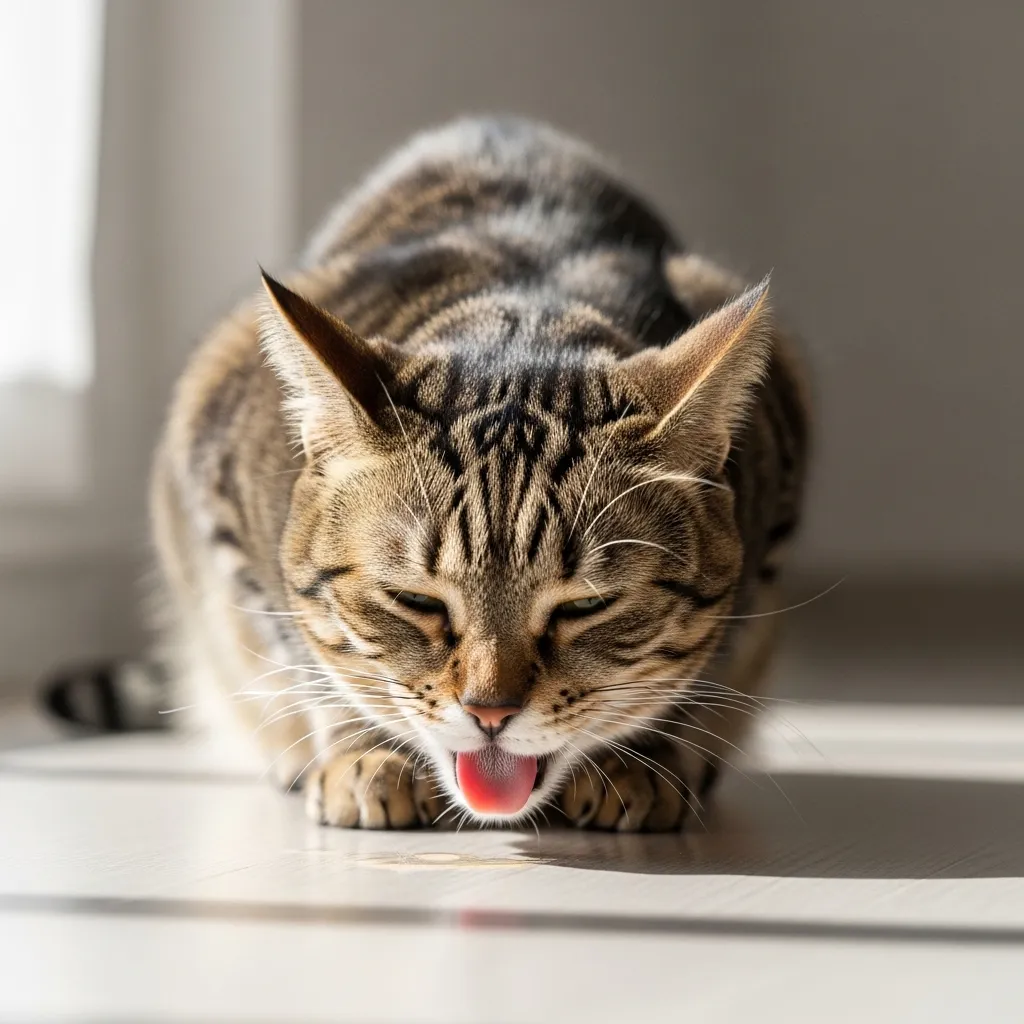
When that happens, your cat will cough, gag, or retch until the hairball comes up. It usually looks like a wet, tube-shaped mass of fur. Some people mistake it for vomit, but it’s actually a little different.
Most cats throw up a hairball once every week or two. If it’s more frequent, it might be time to pay closer attention.
What Does a Normal Hairball Look Like?
A normal hairball is usually dark brown or the same color as your cat’s fur. It’s compact and shaped kind of like a cigar. You might see a little bit of foam or clear liquid around it, but nothing too alarming.
Your cat will likely cough a few times before bringing it up, then act totally fine afterward. They might walk away, clean their face, and go back to napping like nothing happened.
If your cat seems distressed, in pain, or keeps trying to vomit without producing anything, that’s a different story. That’s when you want to start watching more closely.
How Often Is Too Often?
I know it can feel like your cat is leaving hairballs everywhere. But the general rule is this: once or twice a month is normal for most cats. If your cat is coughing up hairballs every week or multiple times a week, something might be off.
Frequent hairballs can mean your cat is swallowing too much fur. This can happen if they’re over-grooming, shedding heavily, or if their digestive system isn’t moving things along as it should.
Some cats also have a sensitivity to certain foods that makes digestion slower. If you notice a pattern, it’s worth mentioning to your vet.
Signs That Something Is Wrong
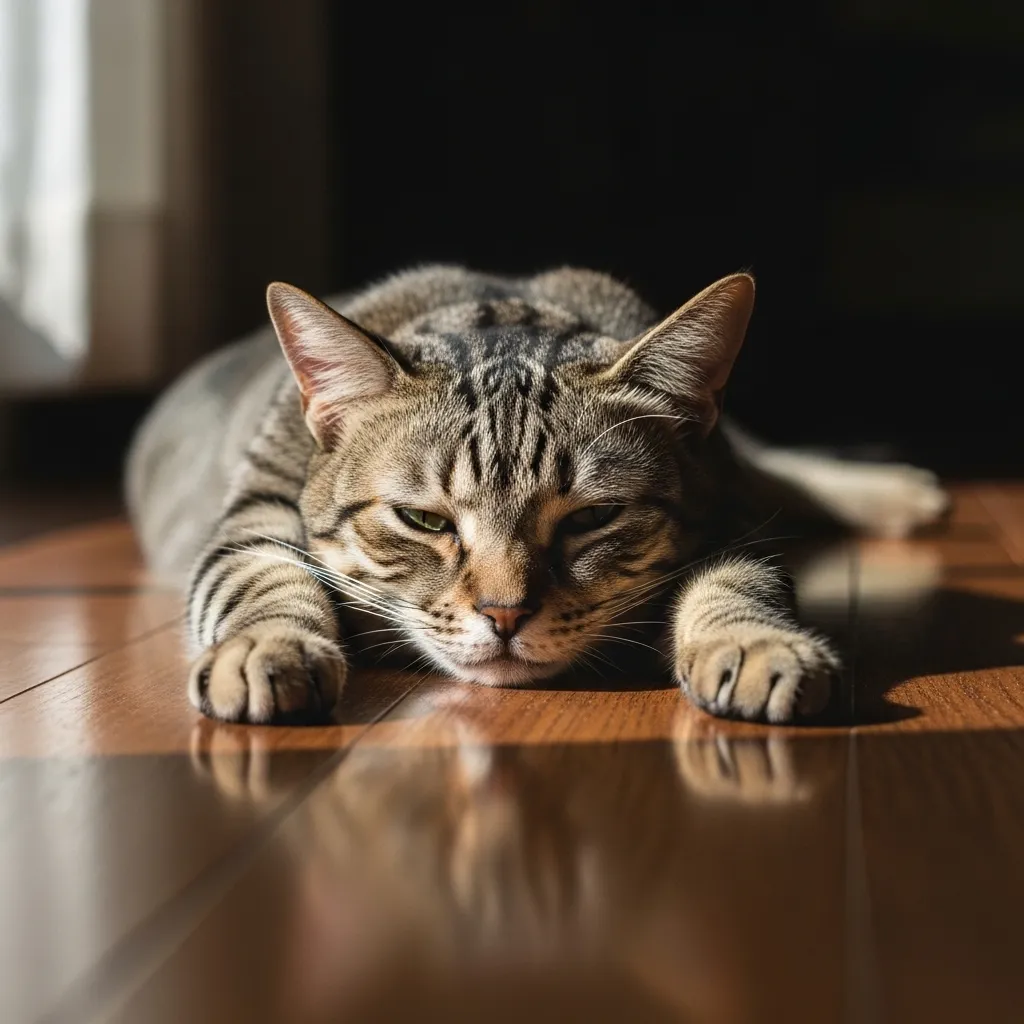
Not every cough is a hairball. If your cat is gagging but nothing comes up, or if they seem to be in pain, that’s a red flag. You should also watch for:
- Loss of appetite
- Lethargy or hiding more than usual
- Vomiting that looks like bile or food instead of fur
- Constipation or diarrhea
- Swollen or tender belly
These symptoms can point to a blockage or other digestive issue. Don’t wait too long to get help if you see these signs.
Why Do Some Cats Get More Hairballs Than Others?
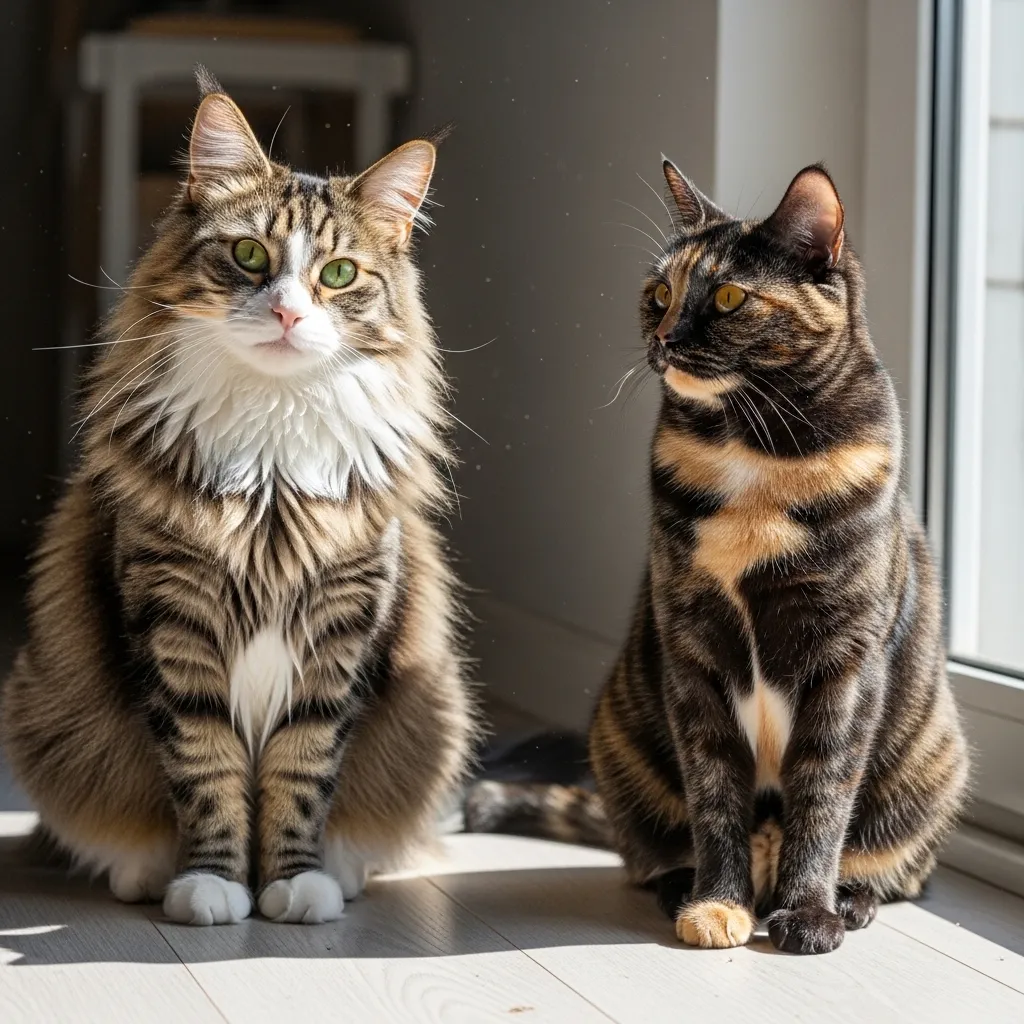
Long-haired cats like Persians and Maine Coons are naturally more prone to hairballs. Their fur is thicker and easier to swallow in larger amounts. But even short-haired cats can have issues if they shed a lot or groom obsessively.
Age also plays a role. Younger cats tend to have fewer hairballs because their digestive systems are more efficient. Older cats may struggle more with digestion, making hairballs more common.
And let’s be honest—some cats just love to groom. If your cat spends half the day licking their fur, they’re going to end up with more hair in their stomach.
Can Diet Help Reduce Hairballs?
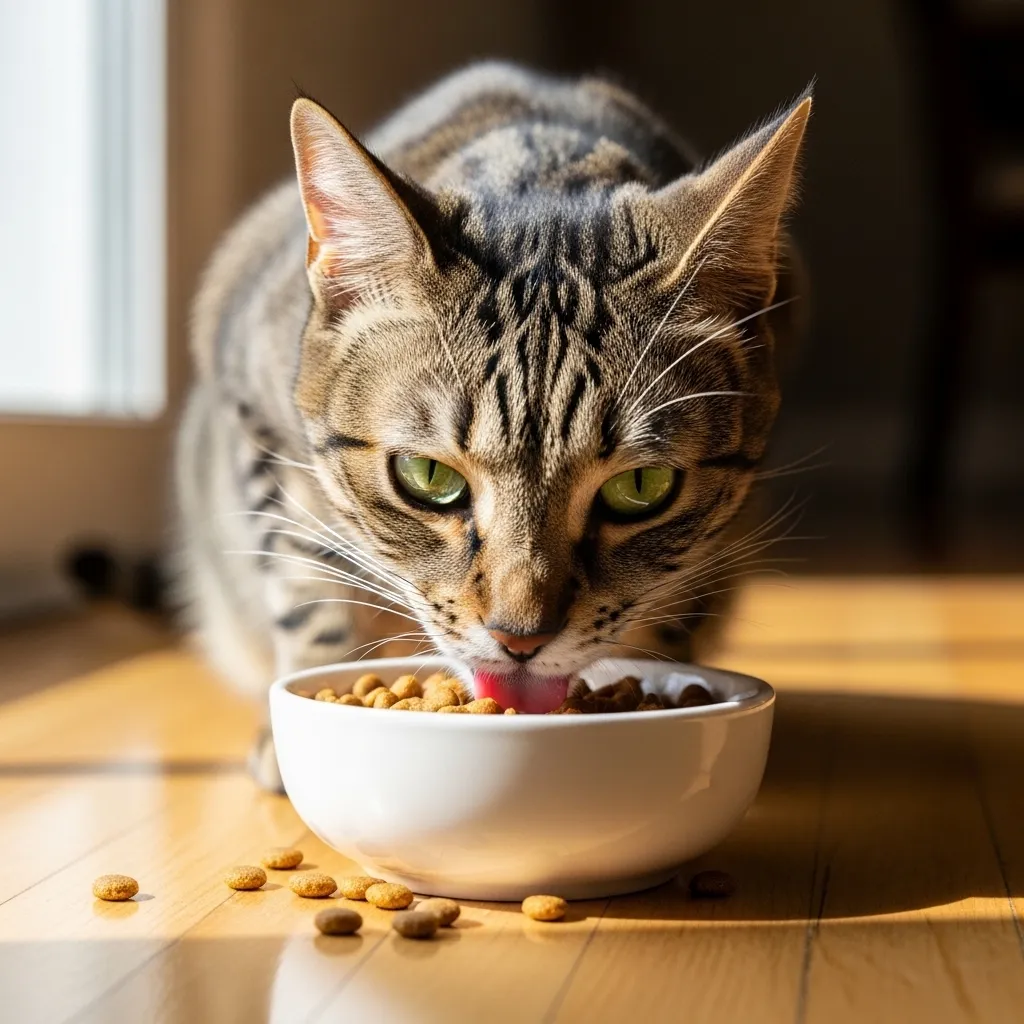
Yes, absolutely. There are cat foods specially formulated to help reduce hairballs. These foods are higher in fiber, which helps move hair through the digestive tract instead of letting it sit in the stomach.
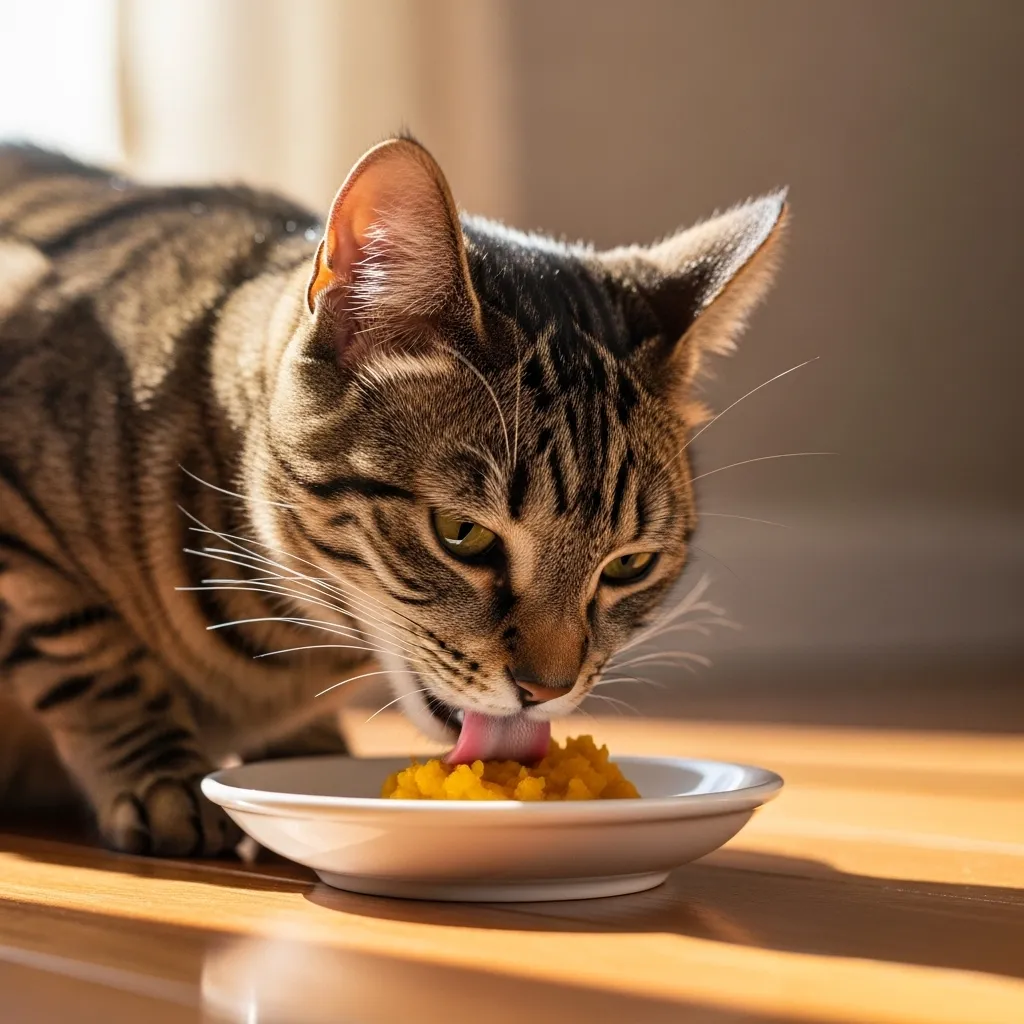
I’ve also had good luck with adding a little bit of canned pumpkin (plain, not spiced) to my cat’s food. It’s a natural source of fiber that most cats actually like. Just a teaspoon mixed in is enough.
Another option is hairball relief treats or gels. They work like a gentle lubricant to help fur pass through. Just don’t overdo it—follow the package instructions and check with your vet first.
Grooming Tips to Cut Down on Hairballs
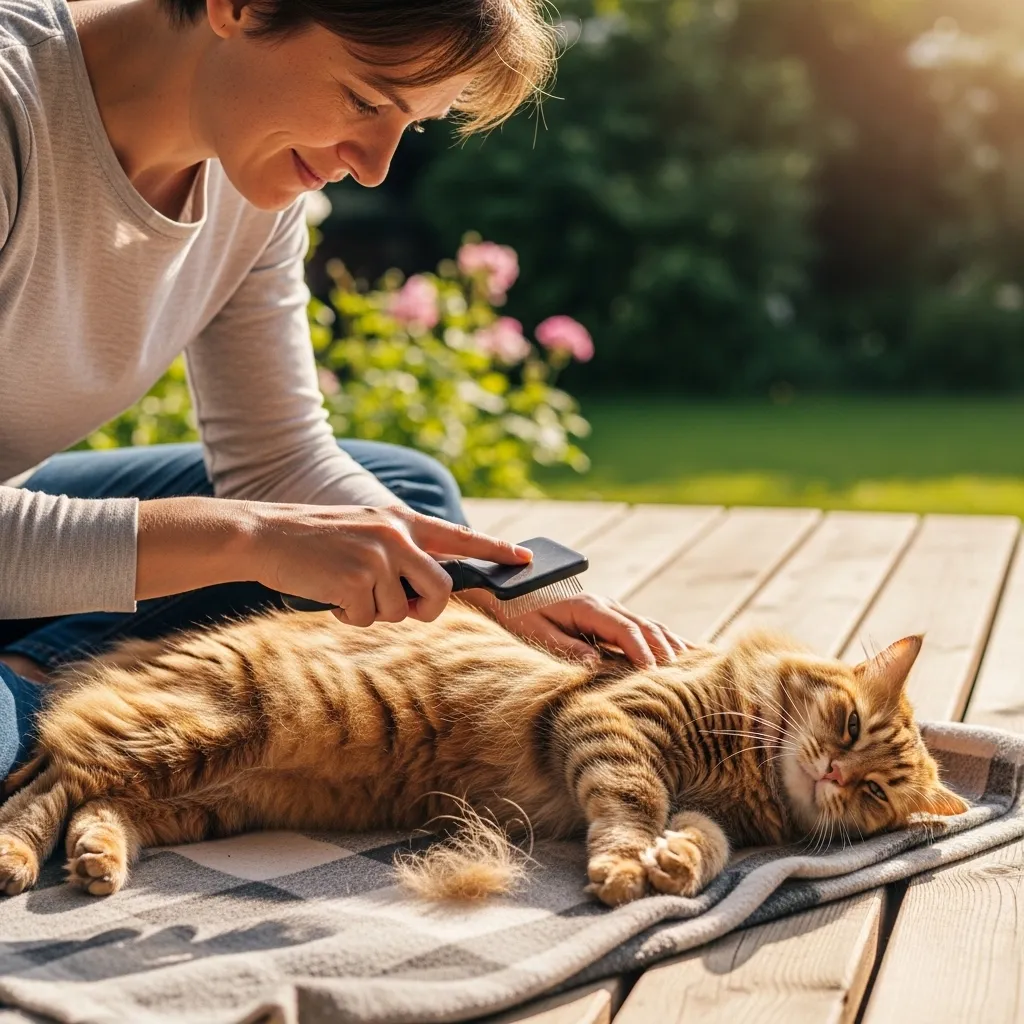
The simplest way to prevent hairballs is to brush your cat regularly. I know, easier said than done if your cat hates the brush. But even a few minutes a day can make a huge difference.
- Use a slicker brush for long-haired cats
- A rubber grooming glove works well for short-haired cats
- Try a deshedding tool during heavy shedding seasons
Brushing removes loose fur before your cat can swallow it. Plus, it’s a great way to bond. If your cat is extra stubborn, start slow and reward them with treats. They’ll learn to tolerate it over time.
When to See the Vet
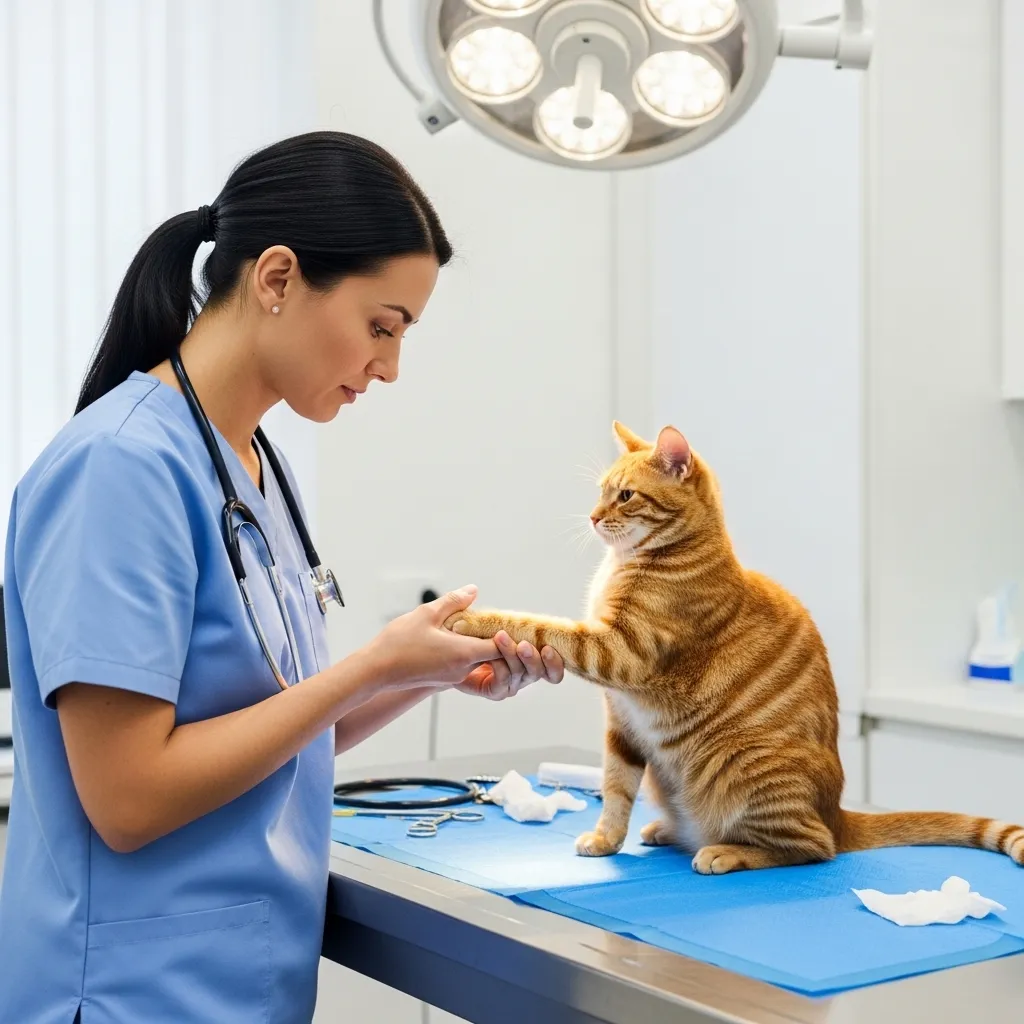
Here’s the hard truth: if your cat is coughing up hairballs more than once a week, or if they seem sick between episodes, it’s time for a vet visit. Don’t brush it off as just a gross part of cat ownership.
A vet can check for underlying issues like inflammatory bowel disease, food allergies, or even a blockage. Sometimes what looks like a hairball problem is actually something else entirely.
I know vet visits can be stressful and expensive. But catching a problem early can save you a lot of worry—and money—in the long run. Trust your gut.
Can Hairballs Be Dangerous?
In rare cases, yes. If a hairball gets stuck in the esophagus or intestines, it can cause a blockage. This is a medical emergency. Symptoms include repeated vomiting, no appetite, and a very lethargic cat.
Another risk is if your cat inhales a hairball while trying to cough it up. That can lead to aspiration pneumonia. It’s not common, but it’s serious.
Most of the time, hairballs are just a messy inconvenience. But it’s good to know what to look for so you can act fast if something seems off.
Simple Home Remedies That Actually Work
Before you run to the store, try a few simple things at home. First, make sure your cat stays hydrated. Wet food can help, and some cats love drinking from a pet fountain. More water means smoother digestion.
You can also give your cat a tiny amount of coconut oil or olive oil—about half a teaspoon mixed into their food. This can help lubricate the digestive tract. Just don’t make it a daily habit unless your vet says it’s okay.
And please, never try to pull a hairball out of your cat’s mouth. Let them handle it naturally. If they’re struggling, that’s another sign to call the vet.
Conclusion
Hairballs are a normal part of life with a cat, but they don’t have to take over your home. With a little extra grooming, the right diet, and some simple home care, you can keep them under control. Pay attention to your cat’s habits and trust your instincts. If something feels off, don’t wait to ask for help.
Your cat depends on you to notice the little things. And honestly? You’re probably already doing a better job than you think. Keep up the love and the brushing, and you’ll both be just fine.
[[IMG:IMG12]]
FAQ
How often do cats normally get hairballs?
Most cats get a hairball once every week or two. If it’s happening more often, it’s worth looking into.
Can hairballs cause vomiting?
Yes, but the vomiting is usually just from the gagging and retching. If your cat vomits food or bile often, that’s a different issue.
Should I change my cat’s food if they get a lot of hairballs?
It can help. Look for a high-fiber formula designed for hairball control, or add a little pumpkin to their regular food.
Is it safe to give my cat hairball gel every day?
Not usually. Follow the instructions on the product and talk to your vet before making it a daily routine.
When is a hairball an emergency?
If your cat can’t keep food down, seems lethargic, or is gagging without producing a hairball, see a vet right away.