13 Weird Cat Facts You Never Knew Before
I thought I knew everything about cats. Then I started digging, and my mind was blown. These little creatures are walking mysteries wrapped in fur, and the more you learn, the more you realize how strange and wonderful they really are.
Whether you’re a lifelong cat owner or just someone who loves watching silly cat videos, these facts will make you see your feline friend in a whole new light. Get ready for some truly bizarre cat trivia.
Let’s jump into the weirdness.
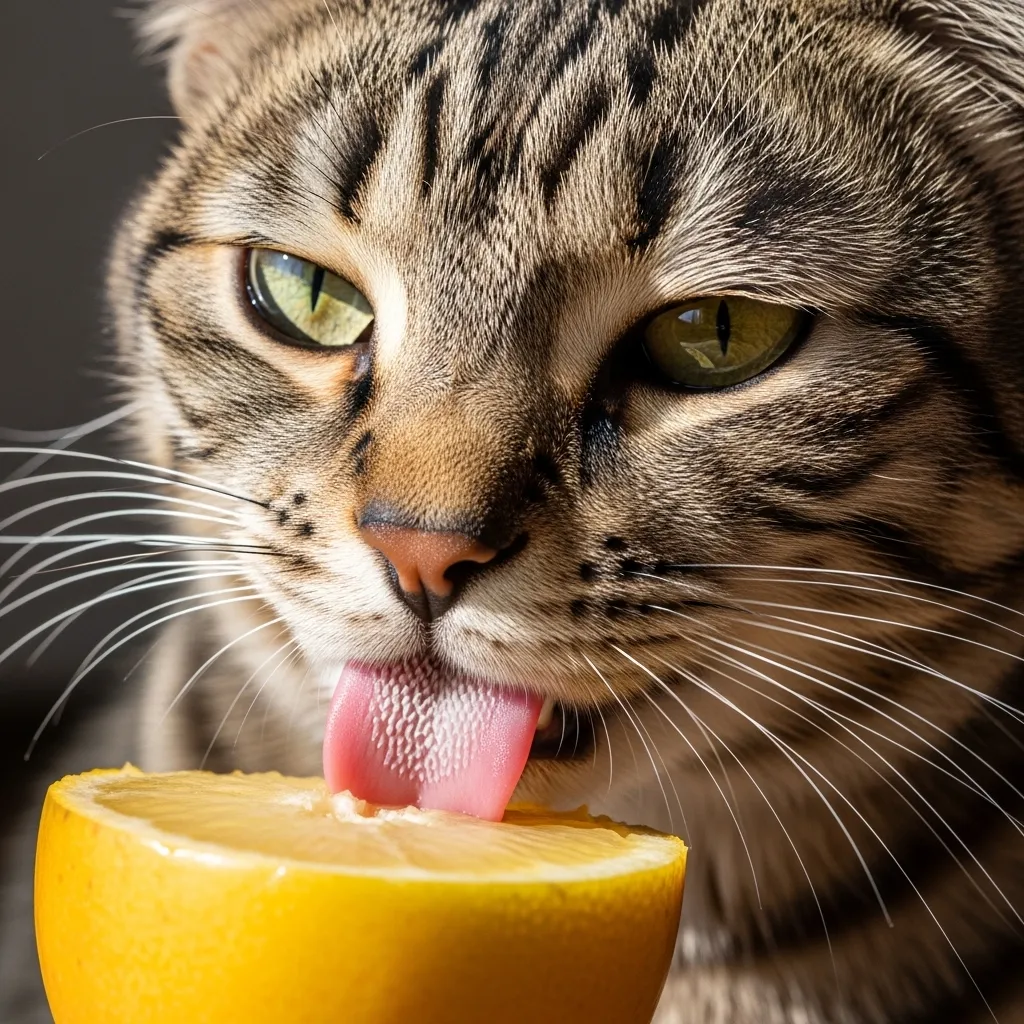
1. Cats Can’t Taste Sweetness
You might think your cat is weird for ignoring that piece of cake, but there’s a reason. Cats are the only mammals that lack the taste receptors for sugar.
This makes total sense when you think about it. They are obligate carnivores, meaning their bodies are designed to eat meat, not fruit or sweets. So when your cat stares at your dessert, they aren’t judging your choices. They just genuinely don’t know what all the fuss is about.
It’s a bit like being colorblind to flavor.
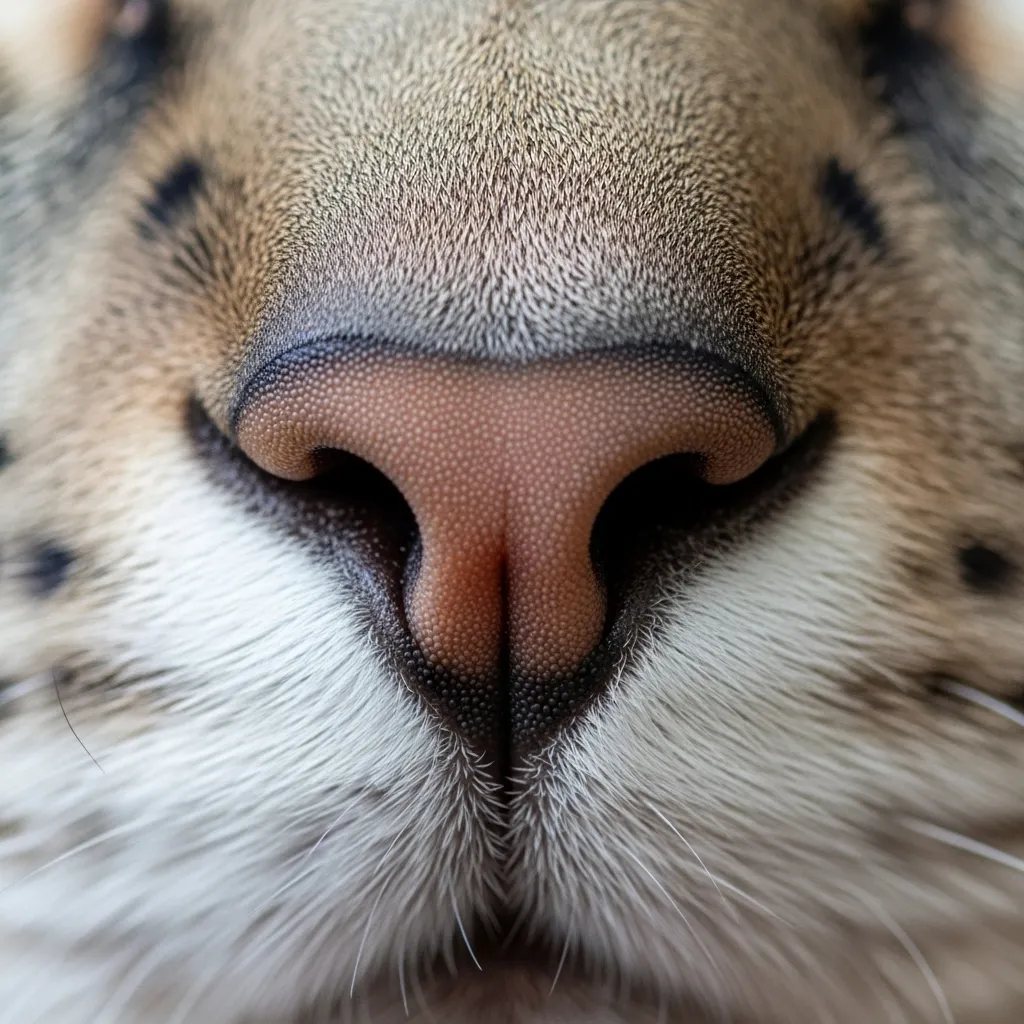
2. Your Cat’s Nose Is Like a Fingerprint
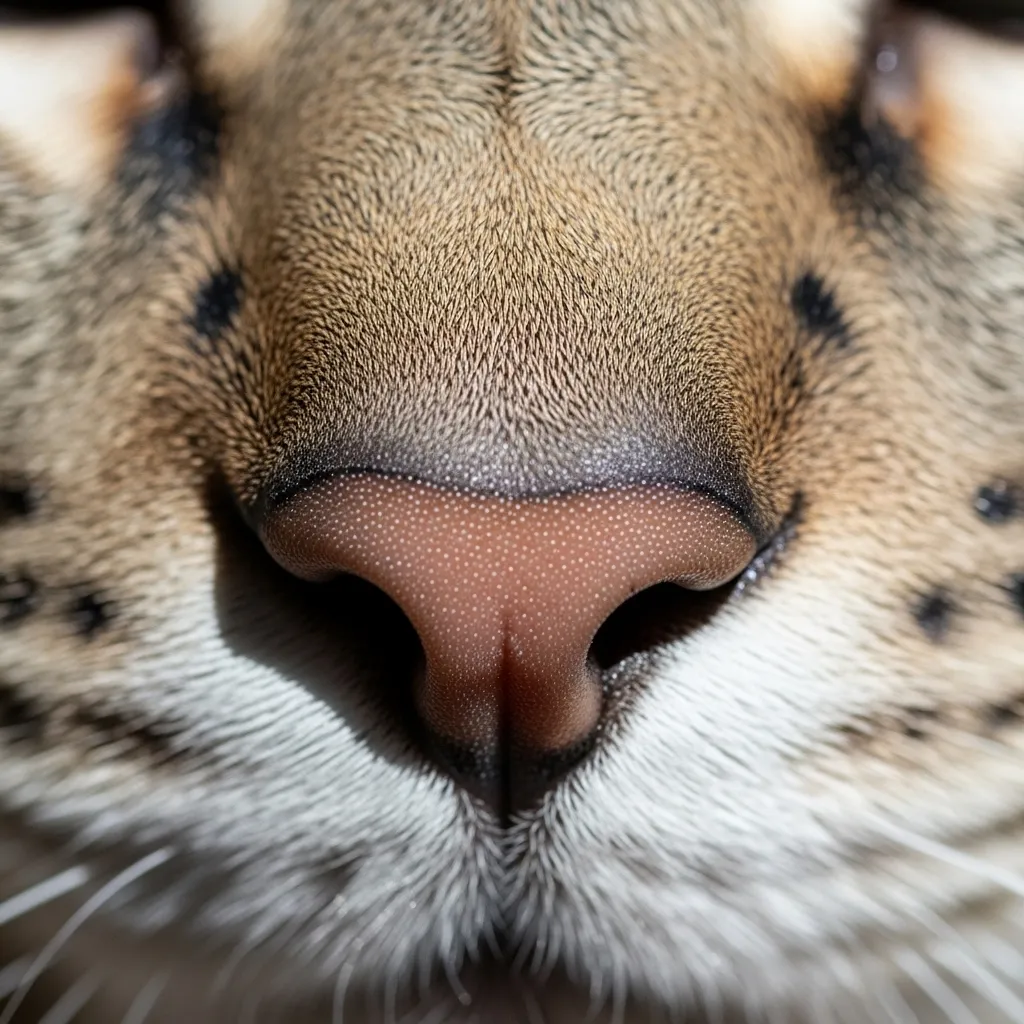
No two cat noses are exactly the same. The little ridges and bumps on their nose pad are as unique as human fingerprints.
Some people actually photograph their cat’s nose to use as a form of identification, kind of like a furry ID card. It’s a small detail you probably never noticed, but once you look, you’ll see how distinct each one really is.
Next time your cat lets you get close, take a peek. It’s like a tiny, wet snowflake.
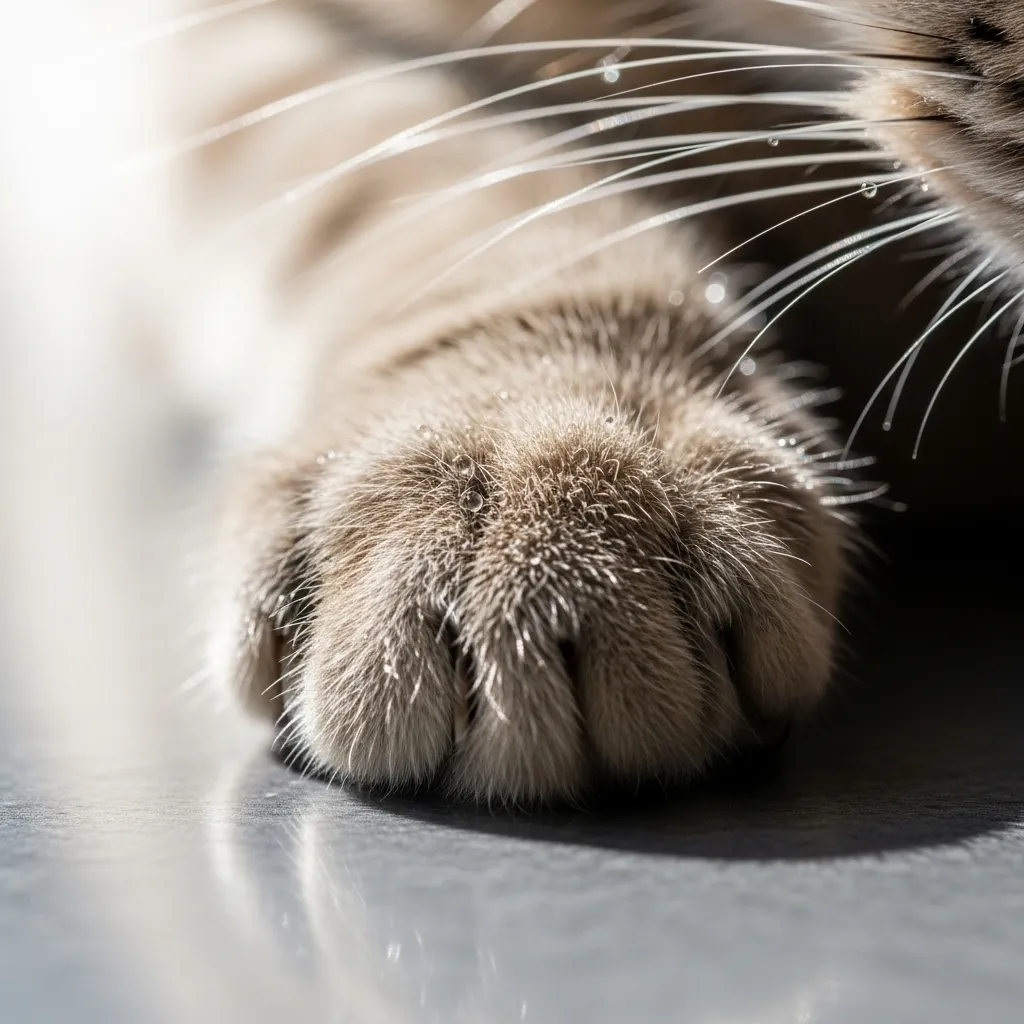
3. Cats Sweat Through Their Paws
You don’t see a cat sweating, but they do. When they get hot or nervous, they release sweat through the pads of their paws.
That’s why you might notice little damp paw prints on the floor after a stressful vet visit or on a hot summer day. It’s also why they sometimes leave wet marks on your paperwork or your phone screen.
So if your cat leaves a little pawprint on your heart, they might also leave a literal one on your couch.
4. A Cat’s Purr Has Healing Powers
That soothing rumble isn’t just cute. It vibrates at a frequency between 20 and 140 Hz, which is known to promote bone density and tissue repair.
Some scientists believe cats purr to heal themselves after an injury or stress. And it doesn’t stop there. Being around that vibration can lower your own blood pressure and help you relax.
Basically, your cat is a tiny, furry sound bath therapist.
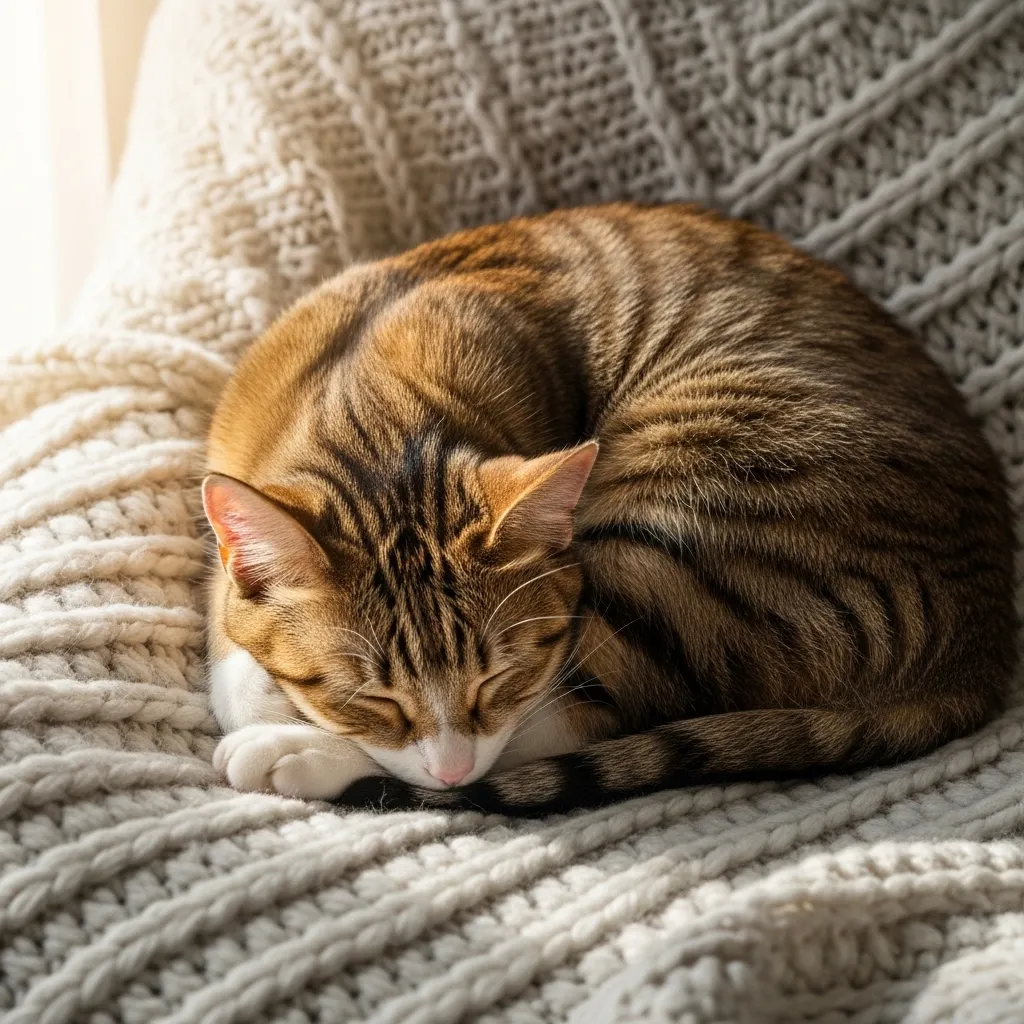
5. Cats Spend 70% of Their Lives Sleeping
If you feel like your cat is always napping, you’re right. The average cat sleeps about 13 to 16 hours a day.
That means a nine-year-old cat has been awake for only about three years of its entire life. The rest is just dreams of chasing mice and knocking things off counters.
Honestly, I’m a little jealous.
6. They Have a Special “Meow” Just for You
Wild cats don’t really meow at each other. Adult cats only meow to communicate with humans. And over time, they develop a unique set of meows just for their owner.
Your cat has a specific sound for food, a different one for greeting, and another for when they want attention. You might not realize it, but you’ve been trained to understand their personal language.
And you probably respond to it every single time.
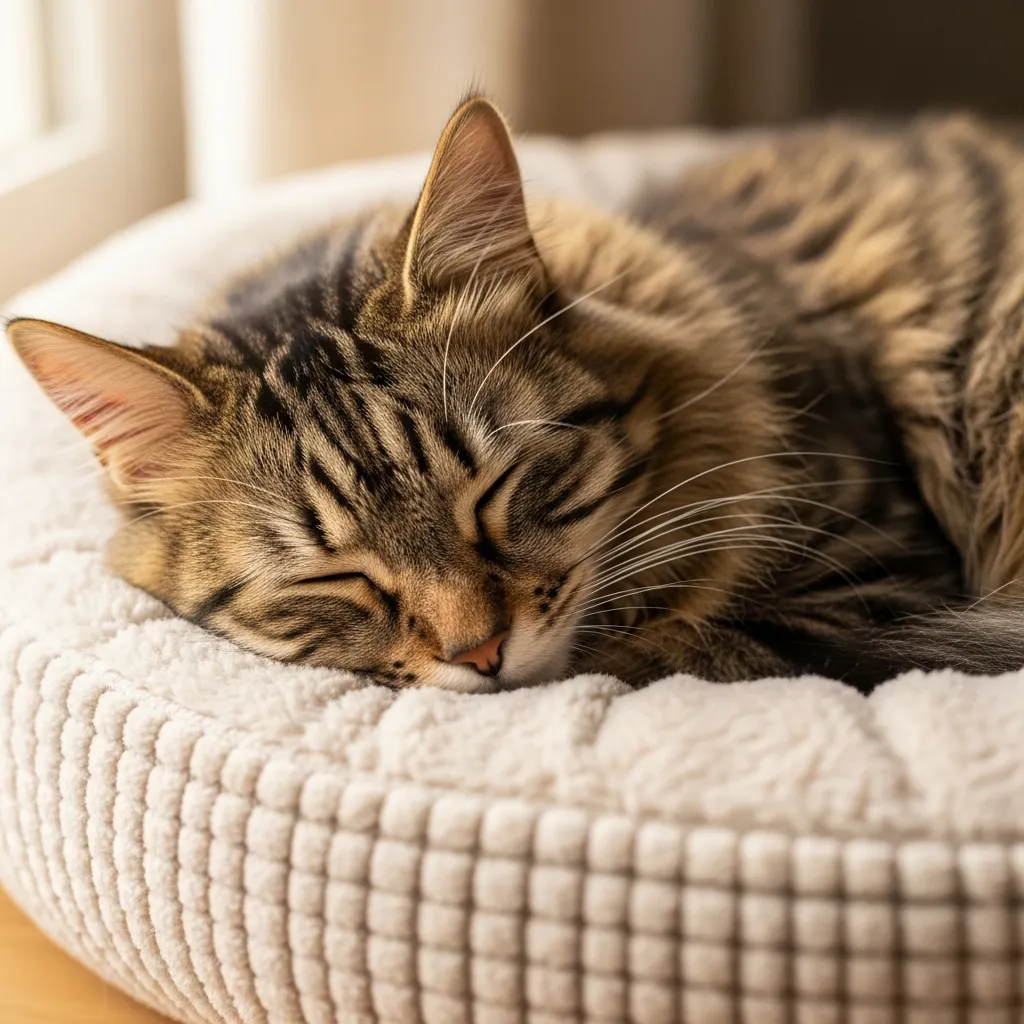
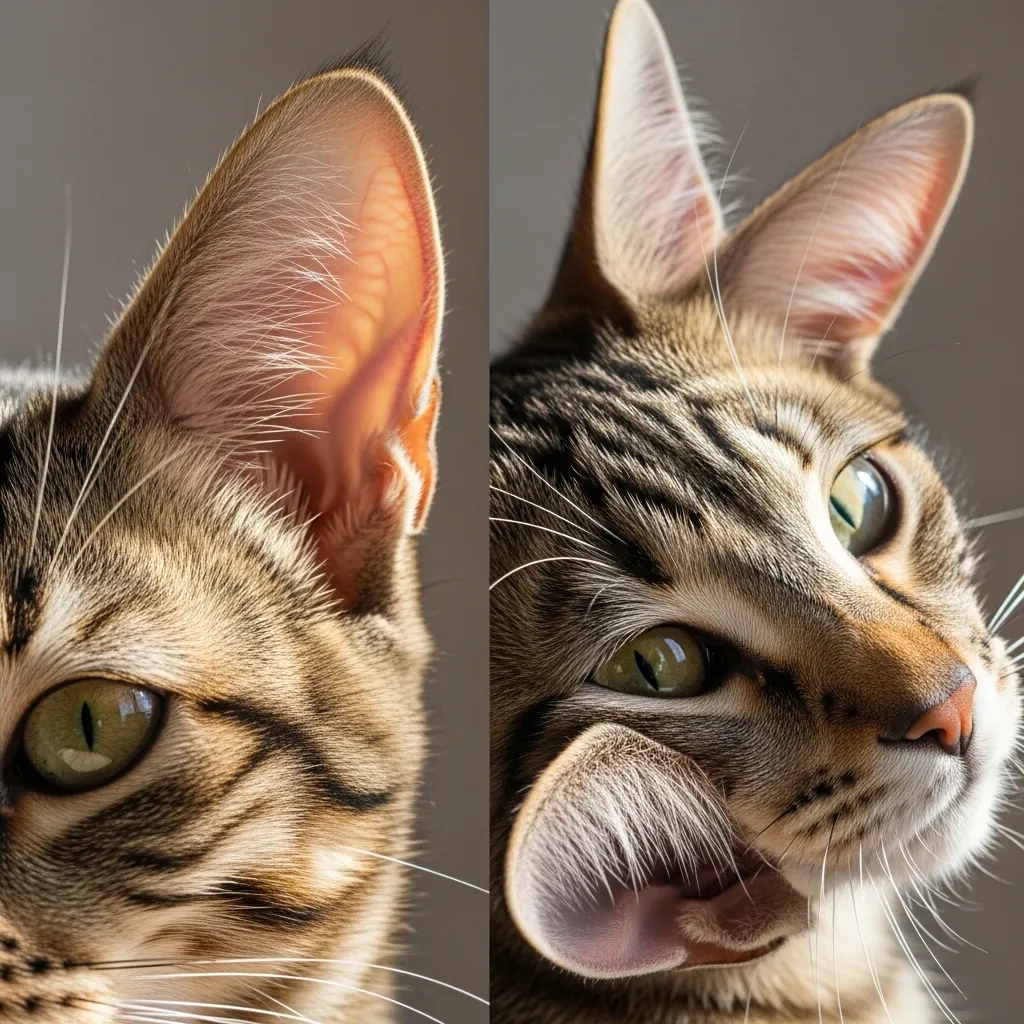
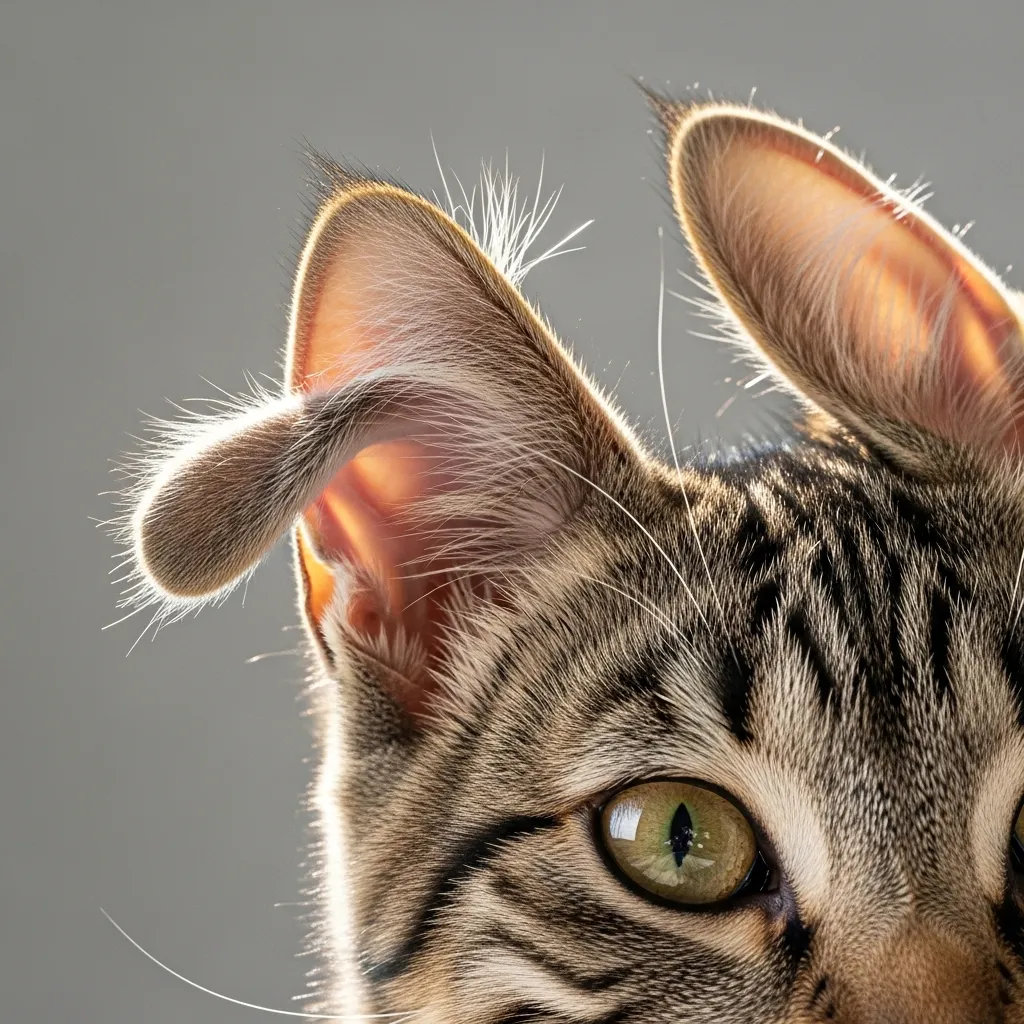
7. Cats Can Rotate Their Ears 180 Degrees
Your cat’s ears are like satellite dishes. They have 32 muscles in each ear, allowing them to swivel independently to pinpoint the exact location of a sound.
This is why your cat always seems to know when you open a can of tuna, even from two rooms away. They can hear sounds that humans can’t even detect.
It’s basically a superpower, and they use it mostly to find snacks.
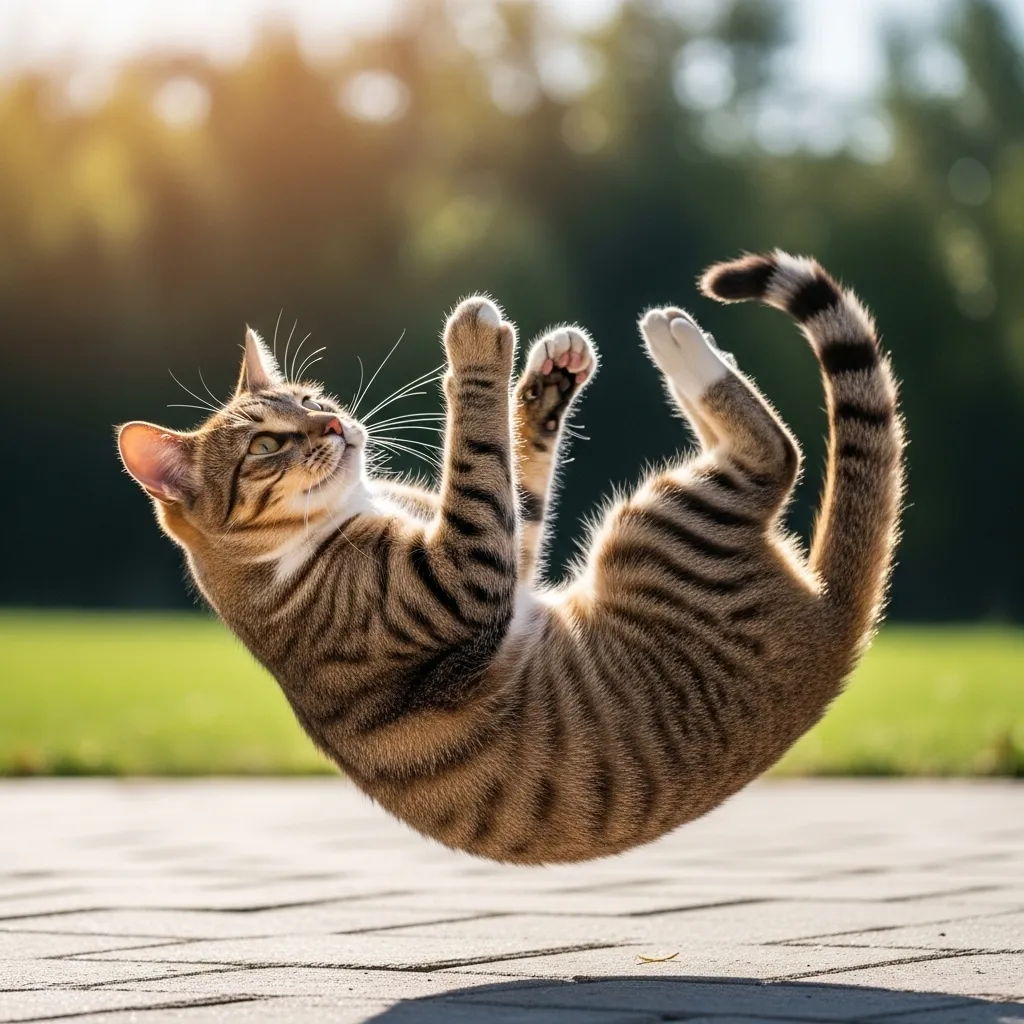
8. They Don’t Really “Land on Their Feet” Every Time
Everyone says cats always land on their feet. That’s not entirely true. While they do have a remarkable “righting reflex” that helps them twist mid-air, it only works if they fall from a certain height.
If the fall is too short, they don’t have enough time to twist. If it’s too high, they can still get hurt. So while they are agile, they aren’t magical.
Keep those windows screened, just in case.
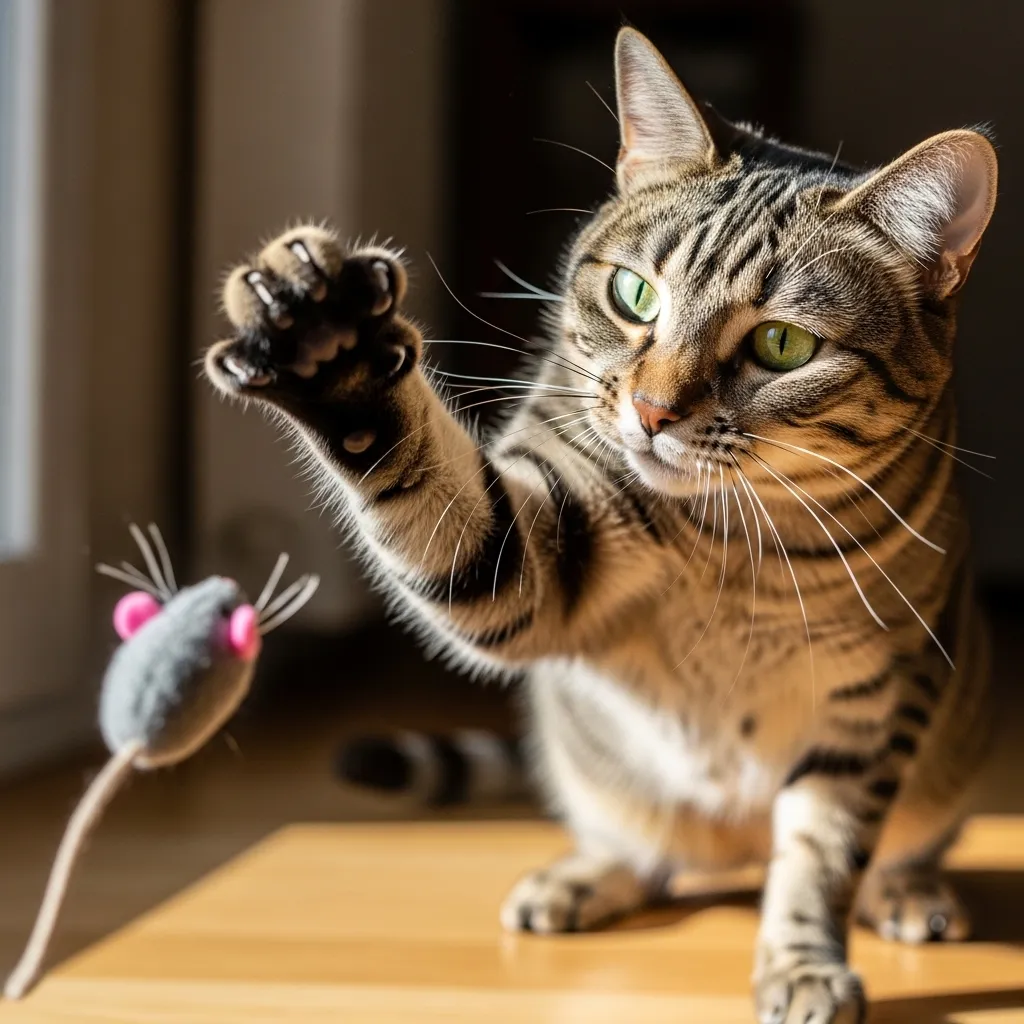
9. Your Cat Might Be Left-Pawed
Just like humans are right-handed or left-handed, cats have a dominant paw. Studies show that female cats tend to be right-pawed, while males are often left-pawed.
You can test this at home. See which paw your cat uses to reach for a toy or step down from a high spot. It’s a fun little personality test that takes two seconds.
My own cat is a total leftie, and honestly, it explains a lot.
10. Cats Don’t Get Cavities
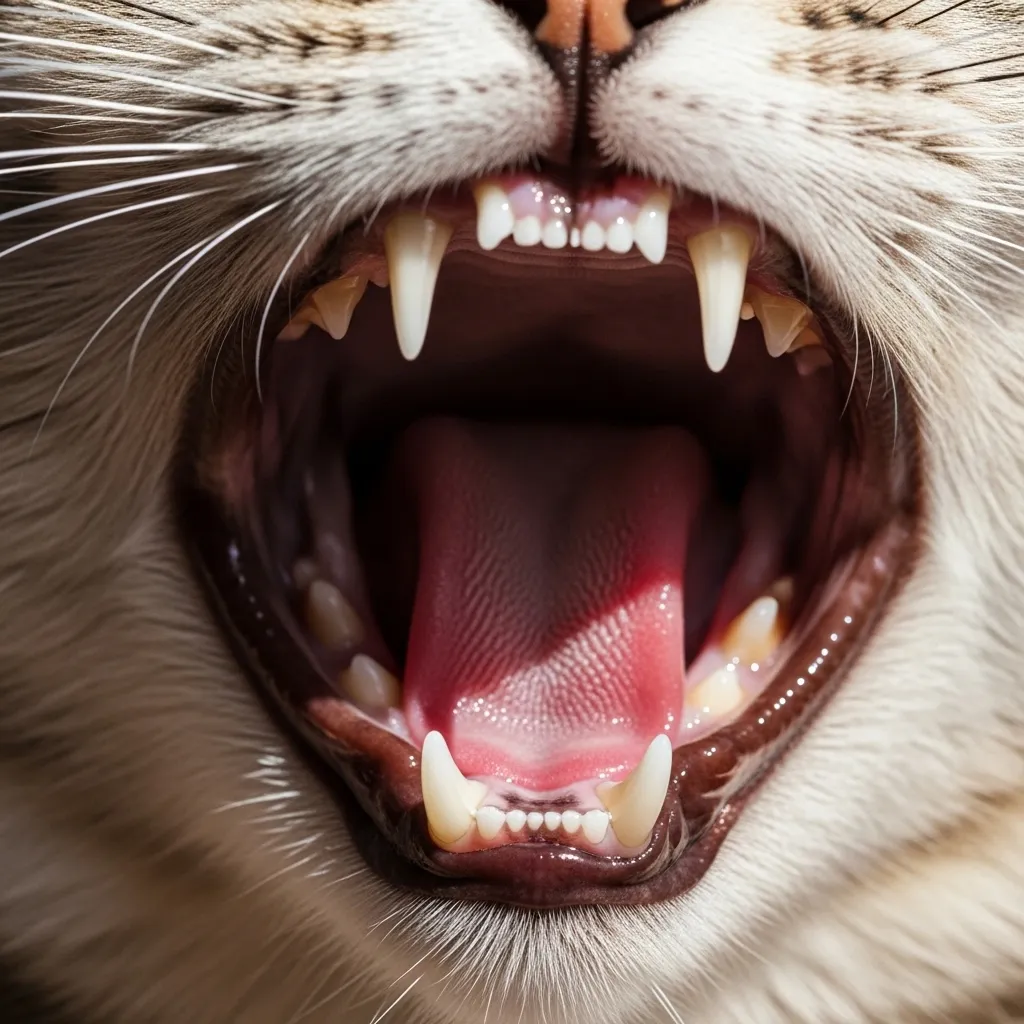
Here’s a weird one. Cats almost never get cavities. Their tooth shape and diet make them very resistant to tooth decay.
However, they can get other dental problems like gum disease or resorptive lesions, which are painful and tricky. So while they don’t get cavities, you still need to brush their teeth (if you can survive the attempt).
Good luck with that.
11. A Group of Cats Is Called a Clowder
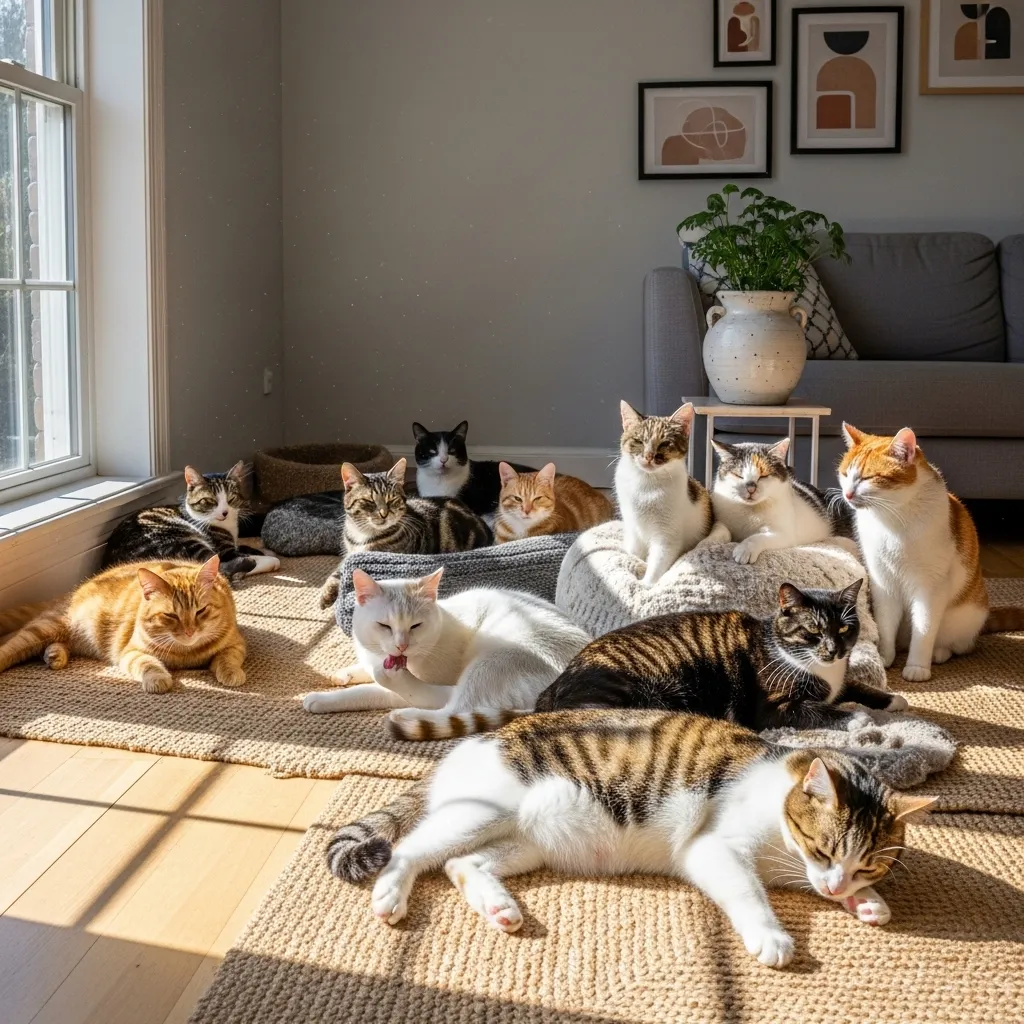
You’ve heard of a pack of wolves or a herd of cows, but a group of cats? That’s a clowder. It sounds like a made-up word, but it’s real.
And if you have two cats, you technically have a “clowder” of cats. It’s one of those words that feels fancy and a little silly at the same time.
Try using it in conversation. People will think you’re very educated about felines.
12. Cats Have a Third Eyelid
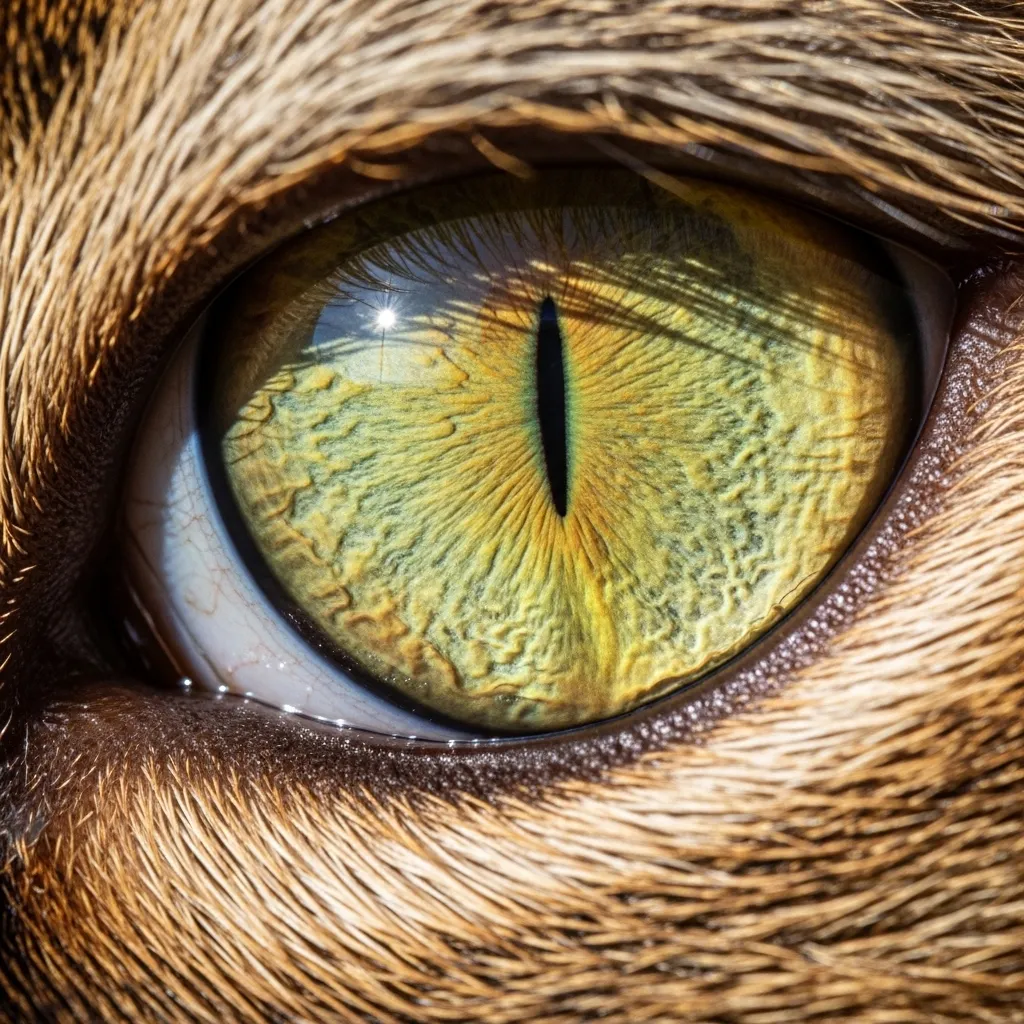
You might not see it often, but cats have an extra eyelid called the “haw” or nictitating membrane. It’s a thin layer that sweeps across the eye to keep it moist and protected.
Sometimes you can see it when your cat is sleepy or relaxed. If it stays visible for too long, it could be a sign they’re not feeling well.
But when it’s working right, it’s like having a built-in windshield wiper for their eyes.
13. Cats Walk Like Camels and Giraffes
This one surprised me. Most mammals move their left front and left back legs together, then the right side. But cats are different. They move both right legs first, then both left legs.
This is called a “pacing” gait, and it’s only shared with a few other animals, like camels and giraffes. So when your cat struts across the living room, they’re walking like a tiny, furry giraffe.
Now you can’t unsee it.
Conclusion
Cats are full of surprises. From their healing purrs to their unique pawprints, they are far more complex than we give them credit for. Every little quirk has a reason, even if that reason is just “because cat.”
Next time your feline friend does something weird, just remember: they’re not being strange. They’re being a cat. And honestly, that’s the best kind of weird there is.
[[IMG:IMG15]]
Frequently Asked Questions
Why does my cat knead me?
Kneading is a leftover behavior from kittenhood. They do it to push milk from their mother, and as adults, it means they feel safe and comfortable. It’s basically a cat hug.
Can cats see in complete darkness?
No, but they can see in very low light. They need just a tiny bit of light to see clearly, much less than humans do. So they almost seem like they can see in the dark, but not quite.
Why do cats hate water?
Most cats don’t like being wet because it makes them heavy and uncomfortable. Their fur doesn’t dry quickly, and they prefer to stay in control. But some breeds, like the Maine Coon, actually enjoy water.
How long do cats usually live?
Indoor cats typically live between 12 and 18 years. Some can live into their early 20s with good care. Outdoor cats have much shorter lifespans due to risks like cars and predators.
Do cats recognize their names?
Yes, they can learn their names. They just often choose not to respond. It’s not that they don’t know. It’s that they don’t care. Classic cat behavior.
[[IMG:IMG16]]