Why Cats Always Land on Their Feet
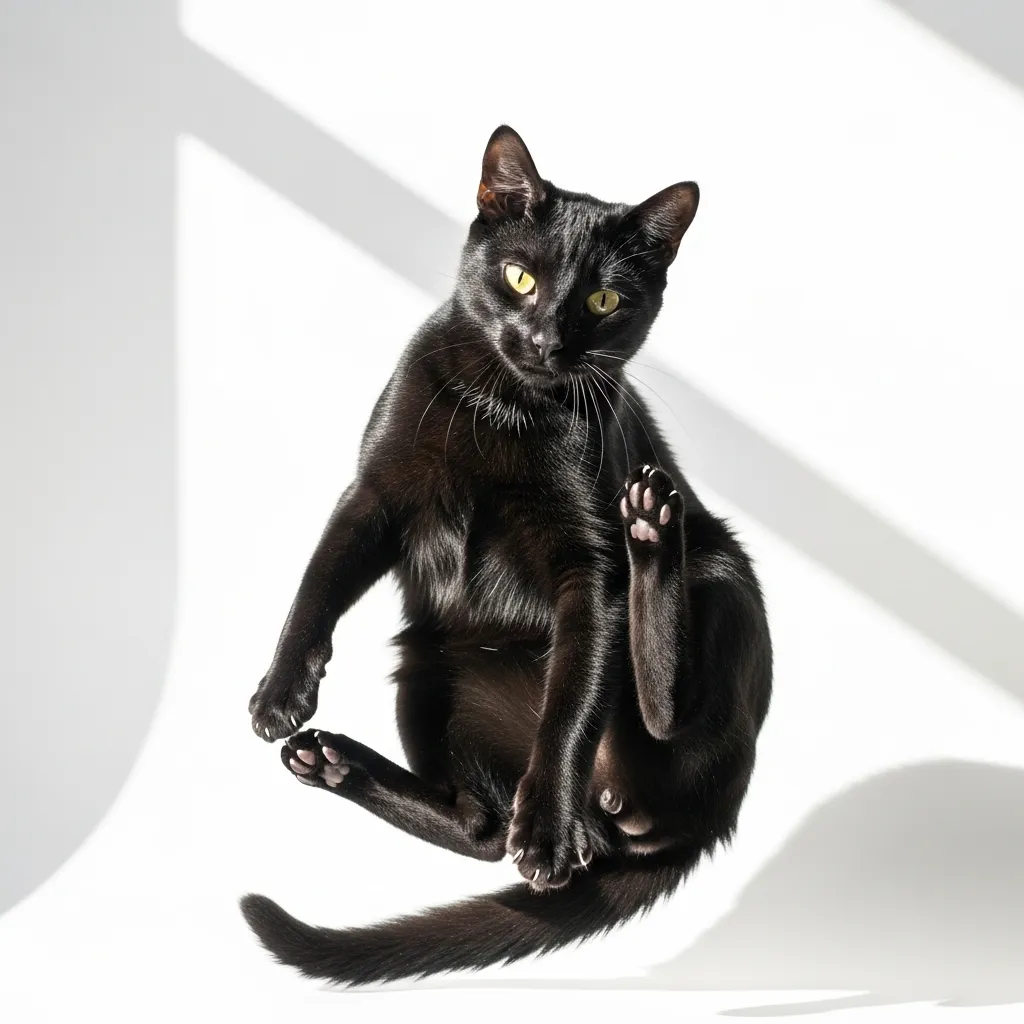
We’ve all seen it—a cat slips off the back of a couch, twists midair, and lands gracefully on all four paws. It’s one of those everyday wonders that makes you smile and maybe scratch your head a little. I’ve watched my own cat do this hundreds of times, and it never gets old.
There’s actual science behind this superpower. Cats have a built-in physical ability called the “righting reflex,” and it’s a mix of flexible bones, sharp instincts, and a bit of physics. Let’s dive into why cats make falling look like an art form.
It Starts with a Super Flexible Spine
Cats have more vertebrae than humans—about 30 in their spine compared to our 24. This gives them incredible flexibility. Think of it like a slinky that can twist and turn freely.
When a cat falls, it can bend its body in the middle, rotating its front half one way while the back half goes the other. This is the first step in flipping over without pushing off anything.
- More bones mean more movement.
- This flexibility allows a midair twist that’s impossible for most animals.
The Righting Reflex Kicks In Fast
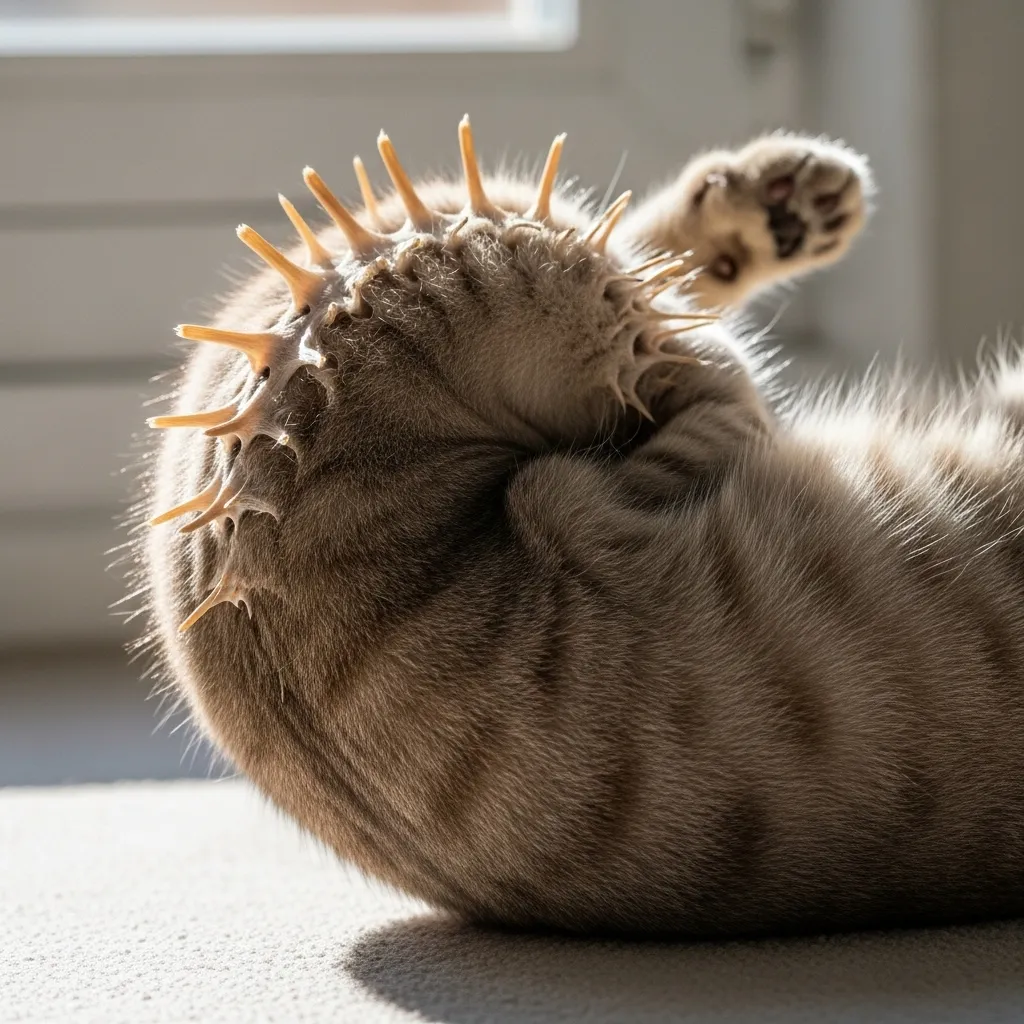
As soon as a cat senses it’s falling, its inner ear—the vestibular system—detects the change in position. This triggers the righting reflex almost instantly.
Within a fraction of a second, the cat’s brain tells its body to twist. It’s not a conscious decision; it’s pure instinct, honed by evolution.
- This reflex starts working when a kitten is about three to four weeks old.
- By seven weeks, most kittens have mastered it.
They Use the Conservation of Angular Momentum
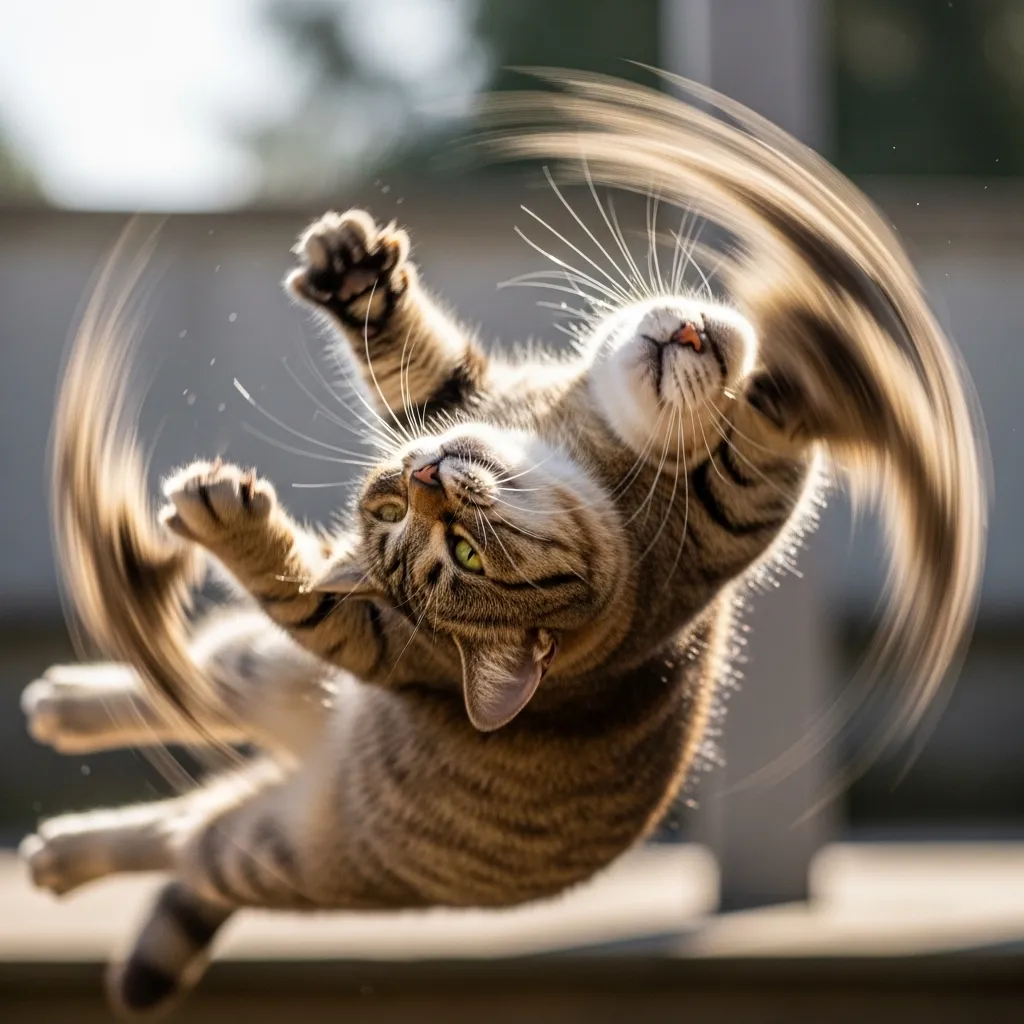
This sounds complicated, but it’s simple physics. Imagine spinning in a desk chair—you pull your arms in to spin faster, then extend them to slow down. Cats do the same thing in the air.
They bring their front legs close to their body and rotate quickly, then shift their back legs to align the rest of their body. No pushing off needed.
- It’s all about controlling momentum.
- This is why cats can land on their feet even from short falls.
Their Eyes and Ears Work Together
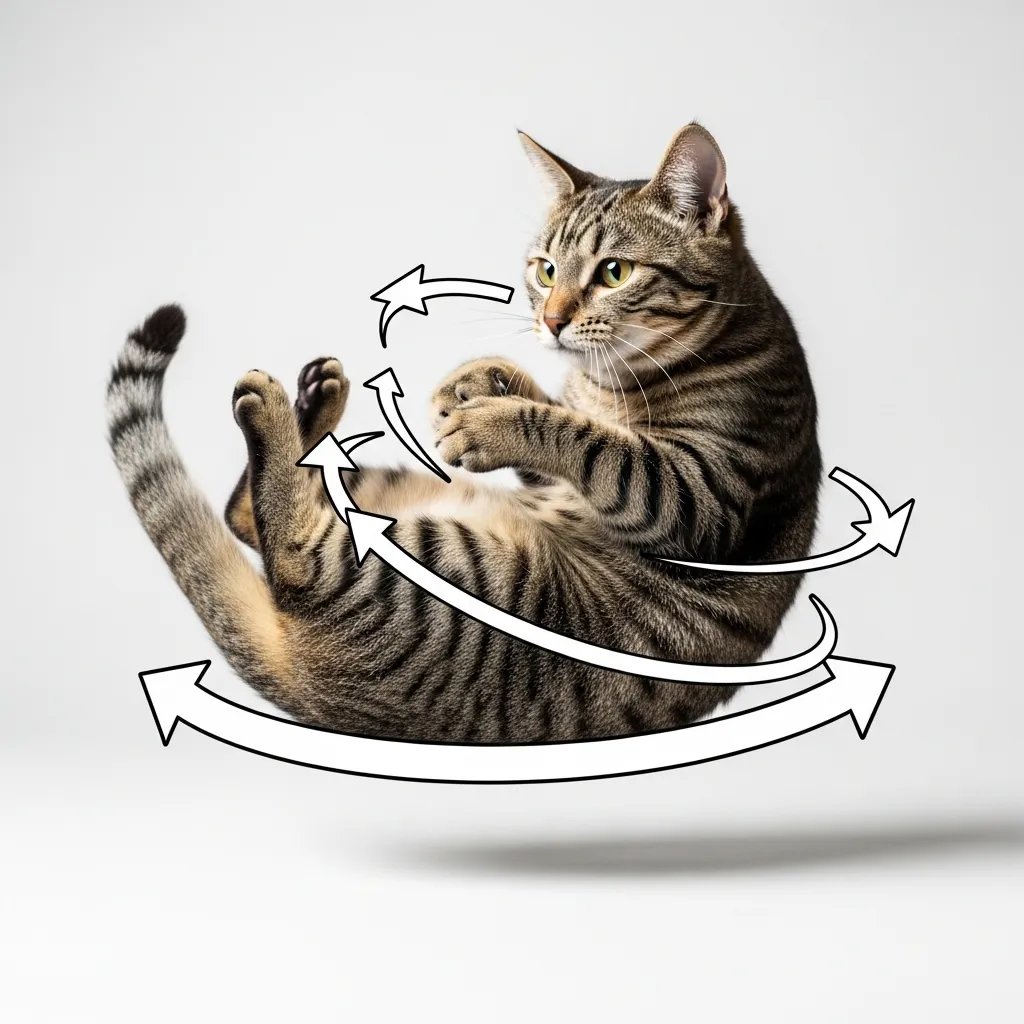
A cat’s eyes are built for spotting movement, but when falling, they rely heavily on their inner ear. The vestibular system sends signals about which way is up.
At the same time, a cat’s eyes track the ground as it falls, helping it adjust its landing. This teamwork keeps the cat oriented.
- Even blind cats can land on their feet using their inner ear alone.
- This dual system is why cats rarely land on their backs.

Short Falls Are Trickier Than Tall Ones
Surprisingly, cats sometimes struggle more with falls of just a few feet. They need enough time to complete the twist. A drop from a countertop might not give them enough time to fully right themselves.
But from higher up, they have more airtime to adjust. This is why some cats can survive falls from several stories—they relax and spread out like a parachute.
- Short falls can actually cause more injuries.
- Long falls give cats time to prepare for landing.
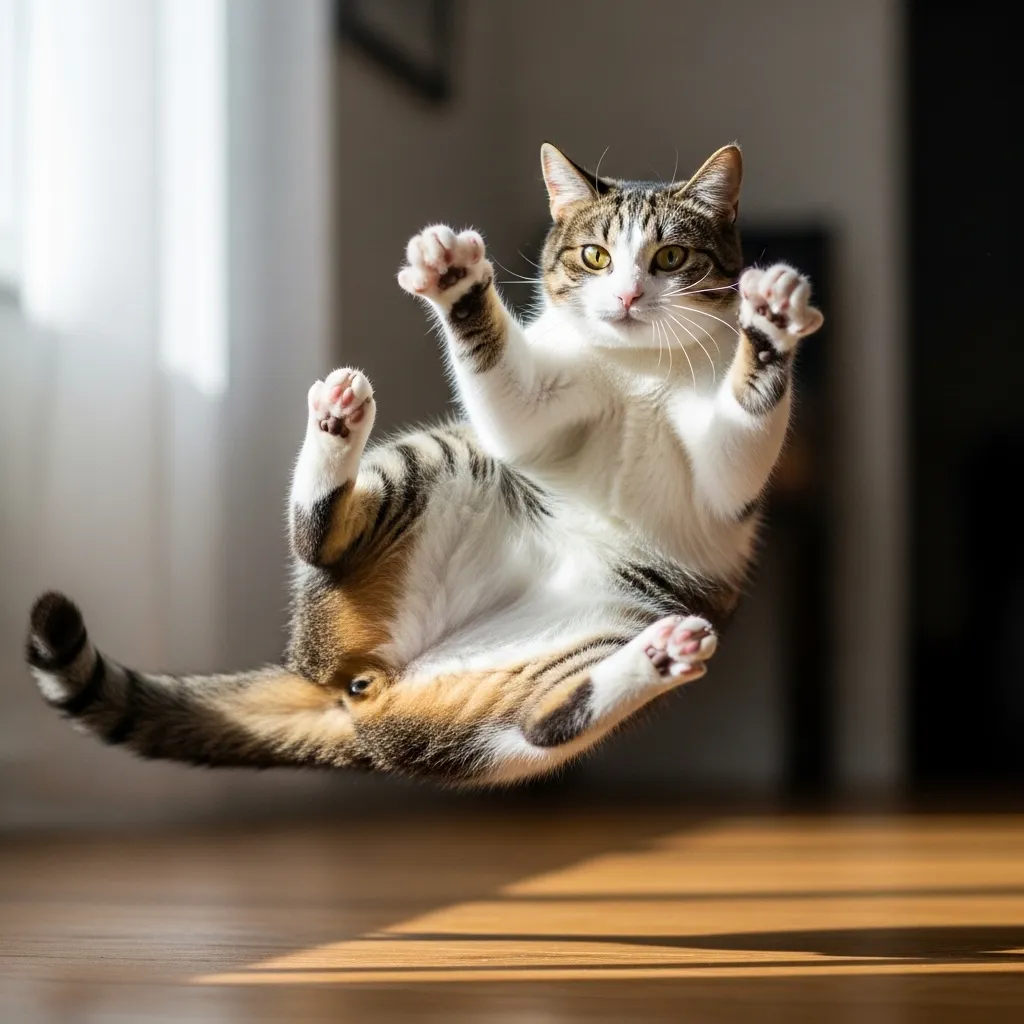
Their Body Acts Like a Parachute
When a cat falls from a significant height, it instinctively spreads its legs out. This increases air resistance, slowing the fall. It’s similar to how a flying squirrel glides.
This parachute-like posture also helps the cat land with its feet slightly spread apart, absorbing the impact better. It’s a built-in airbag system.
- Spreading out reduces terminal velocity.
- This is why cats can survive falls from high places more often than you’d expect.
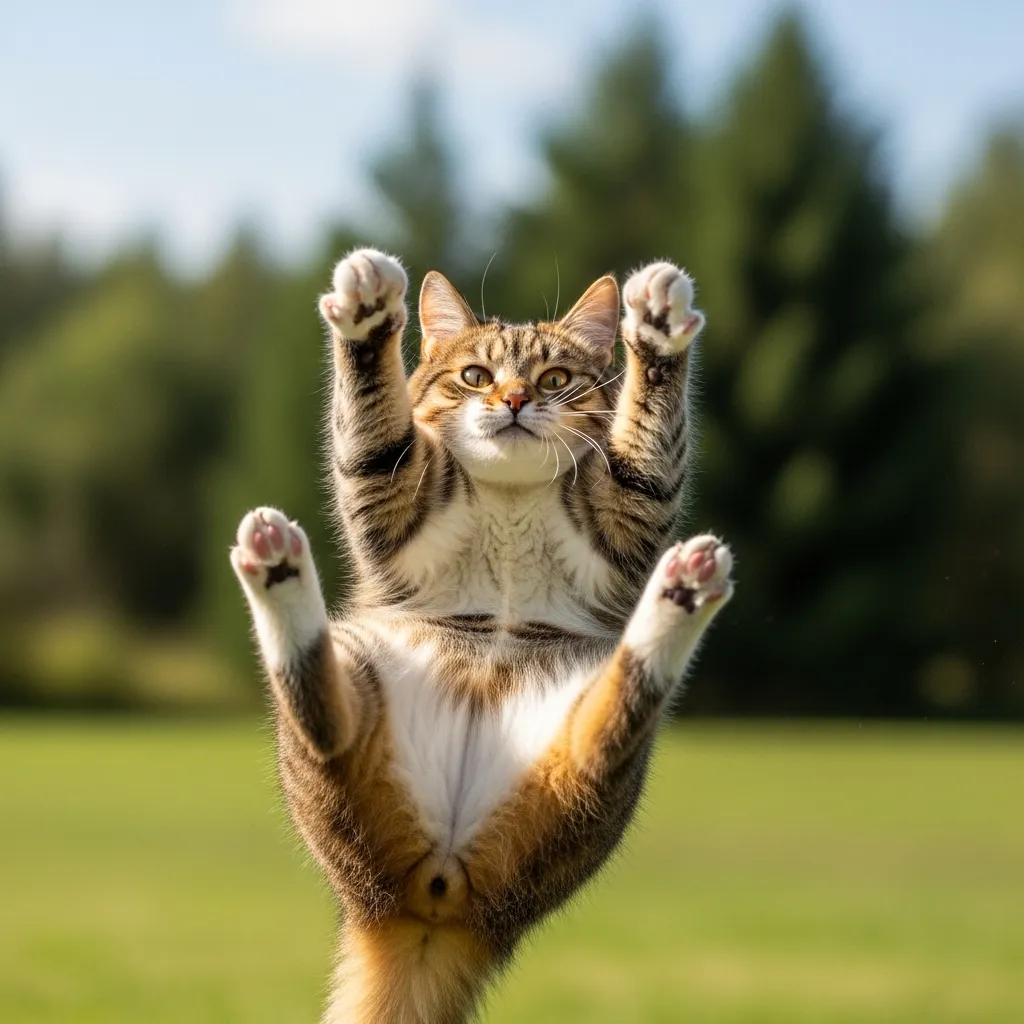
Their Paws Are Shock Absorbers
Cat paws are padded with thick, soft cushions. These pads absorb a lot of the shock when they hit the ground. Plus, their leg joints are designed to flex on impact.
When a cat lands, it bends its legs slightly, like a spring. This spreads the force of the landing through its muscles and bones, reducing injury.
- Paw pads are like natural sneakers.
- Flexible joints prevent fractures in many falls.
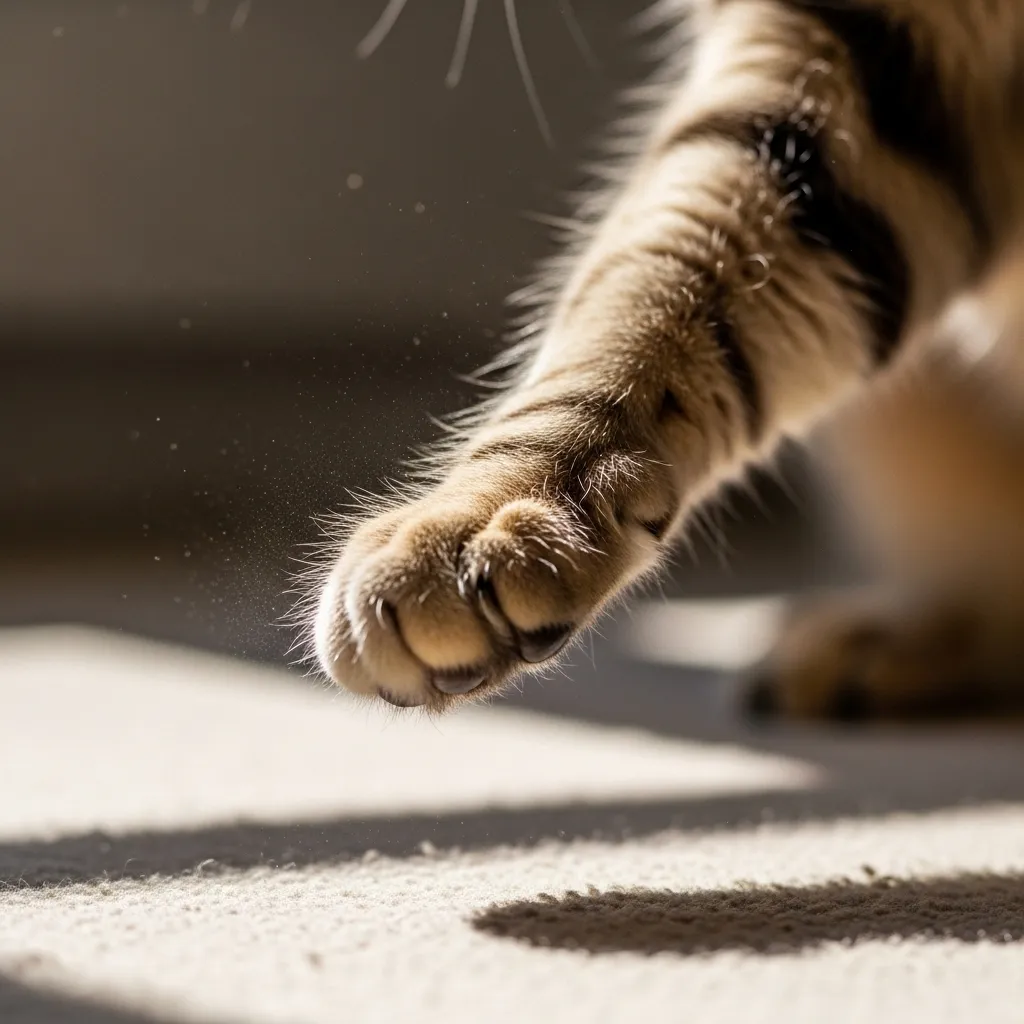
Kittens Learn Through Practice
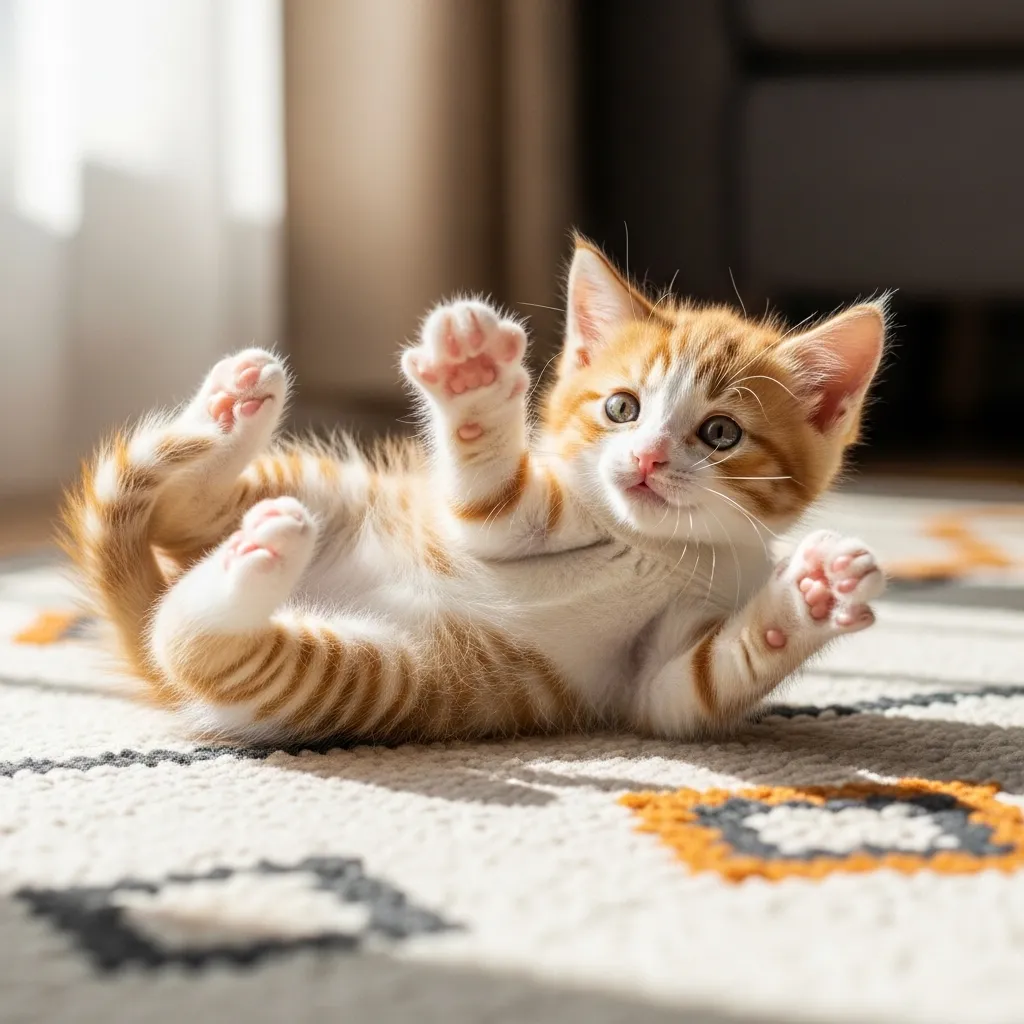
Kittens aren’t born with perfect landing skills. They start practicing the righting reflex as soon as they can move. You might see a tiny kitten wobble and tumble, but with each fall, they get better.
Mother cats sometimes nudge their kittens gently to encourage this practice. It’s a natural part of growing up, like learning to walk.
- Practice makes perfect, even for cats.
- By adulthood, the reflex is automatic.
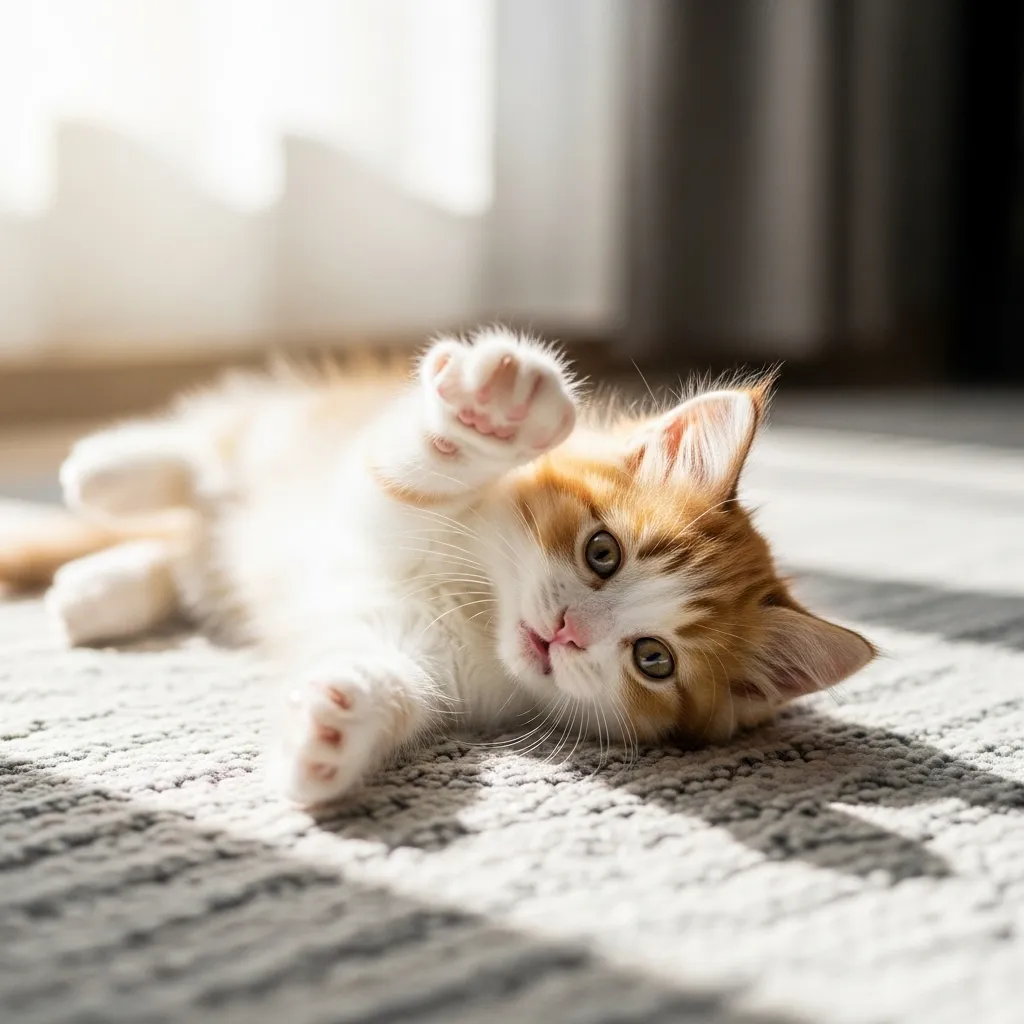
Not All Cats Are Equally Good at It
Just like people, some cats are clumsier than others. Older cats might lose flexibility, and overweight cats have a harder time twisting midair. Breeds with shorter legs might not land as gracefully.
But even an average house cat is still far better at this than any human could ever be. It’s just that some are natural acrobats, and others are more like adorable fumbles.
- Age and weight affect landing ability.
- Breed plays a small role too.
It’s Not 100% Foolproof
Despite all these amazing adaptations, cats don’t always land safely. High-rise syndrome is a real thing—cats can get hurt from falls, especially if they land on hard surfaces or in awkward positions.
Screen windows and balconies can be dangerous. Even the best righting reflex can’t prevent all injuries. It’s always smart to keep your cat safe from high ledges.
- No animal is invincible.
- Prevention is better than relying on reflexes.
Conclusion
Cats really are little miracles of nature. Their ability to land on their feet comes from a perfect blend of anatomy, instinct, and physics. It’s a reminder of how beautifully adapted animals can be. Next time your cat takes a tumble and lands perfectly, you’ll know just how much is going on in that split second. Just remember to keep them safe—even superheroes need a little help sometimes.
FAQ
1. Can all cats land on their feet?
Most healthy adult cats can, thanks to their righting reflex. But age, health, and weight can affect their ability.
2. How high does a cat need to fall to land on its feet?
They usually need at least 12 inches of drop to complete the twist. Shorter falls can be harder for them.
3. Do cats ever get hurt from falling?
Yes, especially from very high places or awkward landings. High-rise syndrome is a known risk for indoor cats near open windows.
4. Why do cats survive falls from high buildings sometimes?
When falling from great heights, they spread out like a parachute, which slows them down and spreads the impact.
5. Do kittens have the righting reflex?
Kittens start developing it around three to four weeks old and usually master it by seven weeks.