Why Cats Have Whiskers Explained
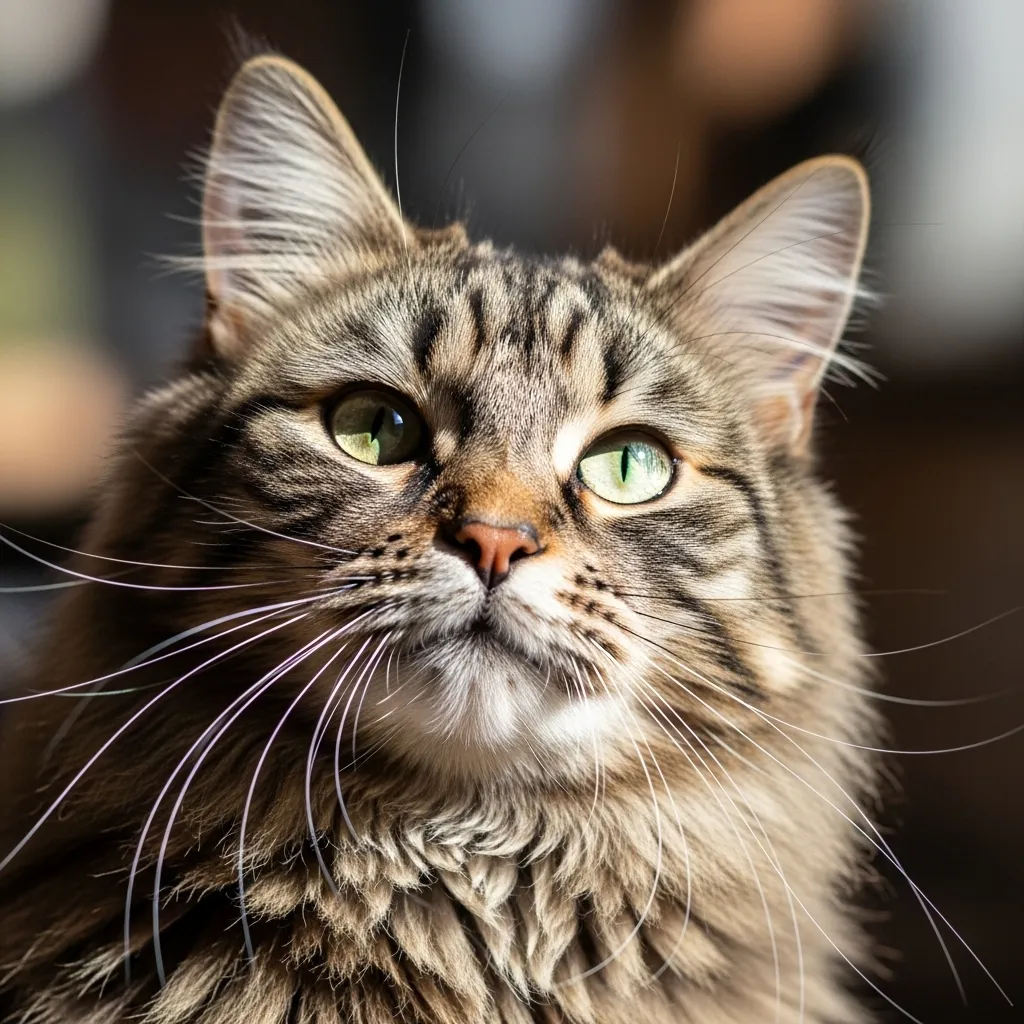
I’ve always been fascinated by cat whiskers. They’re not just cute little decorations on your cat’s face. These delicate hairs are actually powerful sensory tools that help your cat navigate the world. When my cat brushes past furniture without bumping into it, I know her whiskers are doing the hard work.
Whiskers are deeply rooted and packed with nerves. They send constant information to the brain, helping your cat “see” in the dark, judge spaces, and even sense your mood. Let’s explore why they matter so much.
Whether you’re a new cat owner or a lifelong feline fan, understanding whiskers makes you appreciate your cat’s superpowers even more. Here’s everything you need to know.
Whiskers Are Like Radar Sensors
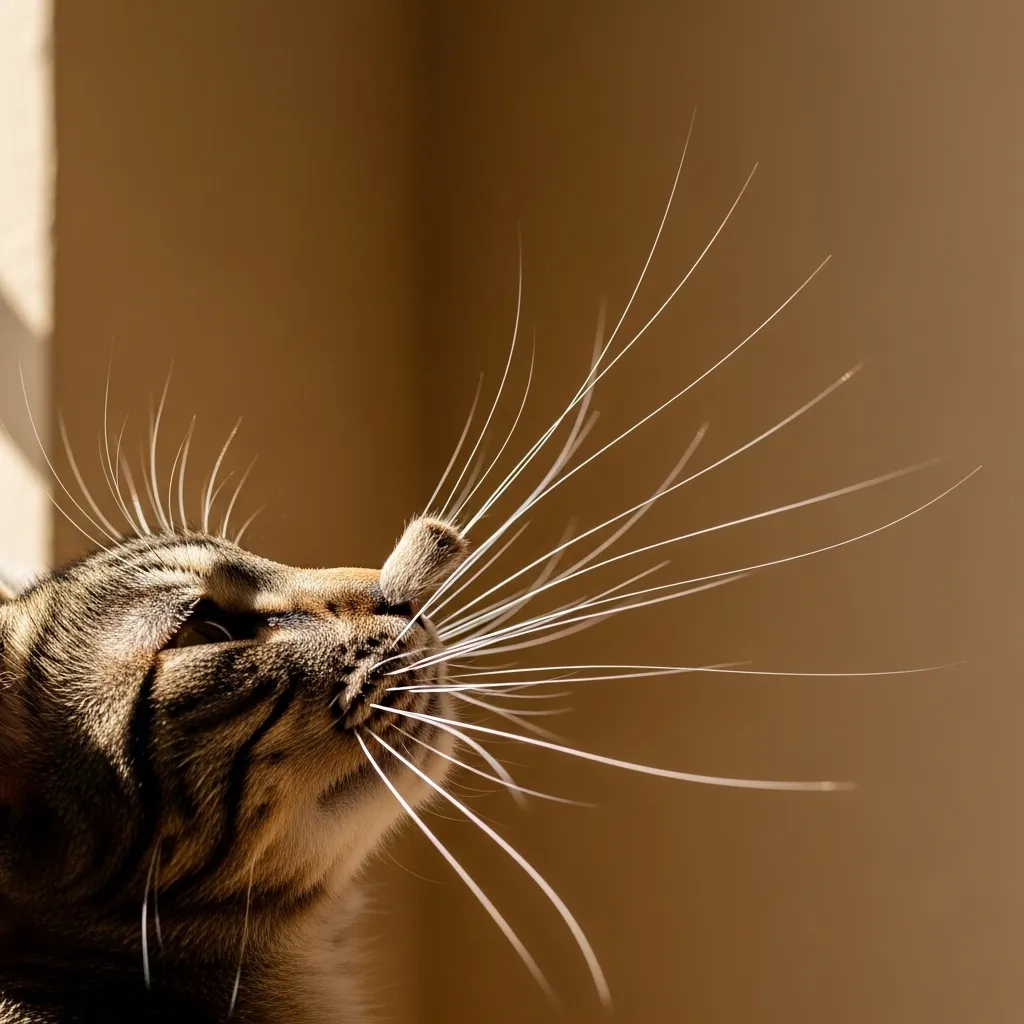
Your cat’s whiskers are incredibly sensitive. Each whisker is connected to a bundle of nerves at the root. When something brushes against a whisker, it sends a signal straight to the brain. This is how cats “feel” the world around them.
Imagine walking in a dark room with your arms outstretched. That’s what whiskers do for cats, 24/7. They pick up tiny vibrations in the air, like a built-in motion sensor.
This is why cats can move gracefully in pitch-black spaces. Their whiskers are always scanning.
They Help Cats Measure Tight Spaces
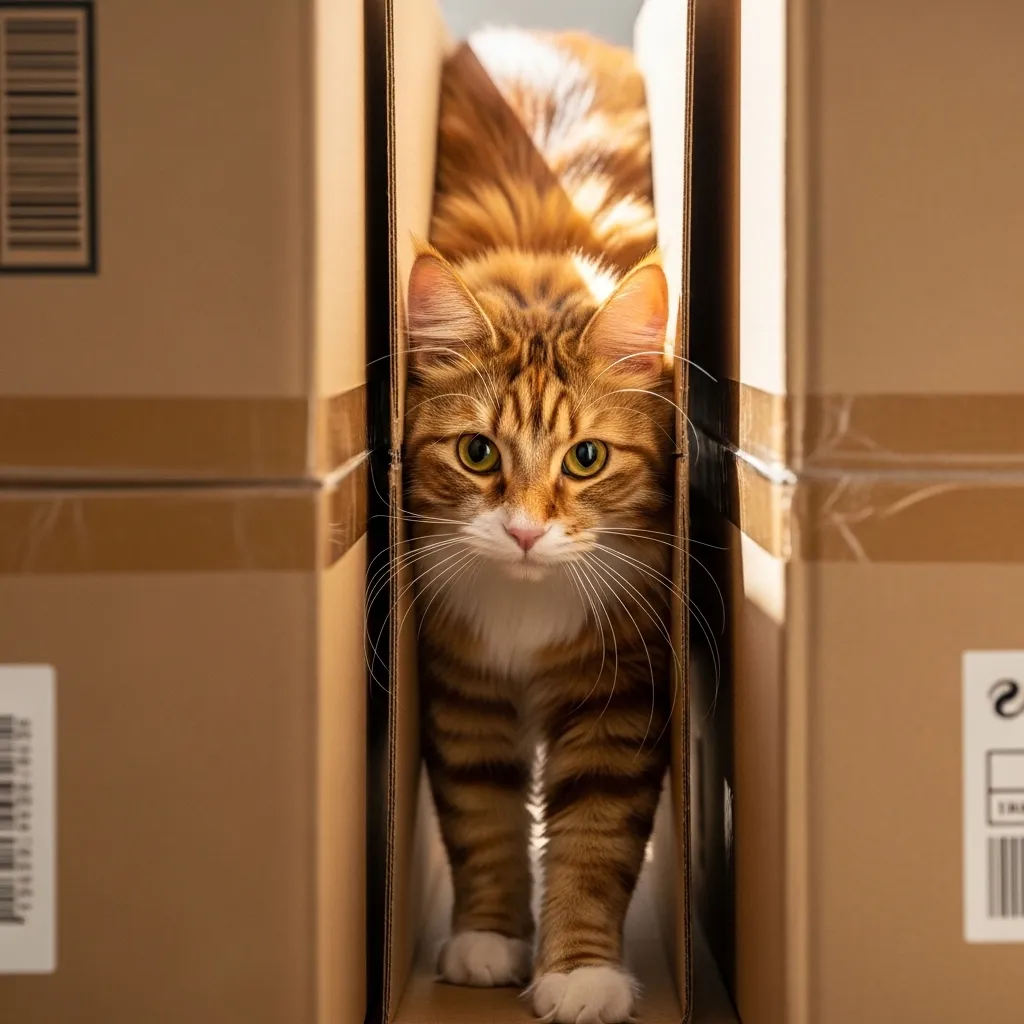
Ever notice your cat squeezing into a box that looks way too small? Whiskers are the reason. A cat’s whiskers are roughly the same width as its body. If the whiskers fit through an opening, the cat knows the rest of its body will fit too.
This is a survival trick from their wild ancestors. It stops them from getting stuck in narrow tunnels or holes. Next time your cat checks a gap, watch its whiskers flick forward to measure.
It’s like having a built-in measuring tape on each side of the face.
Whiskers Show Your Cat’s Mood
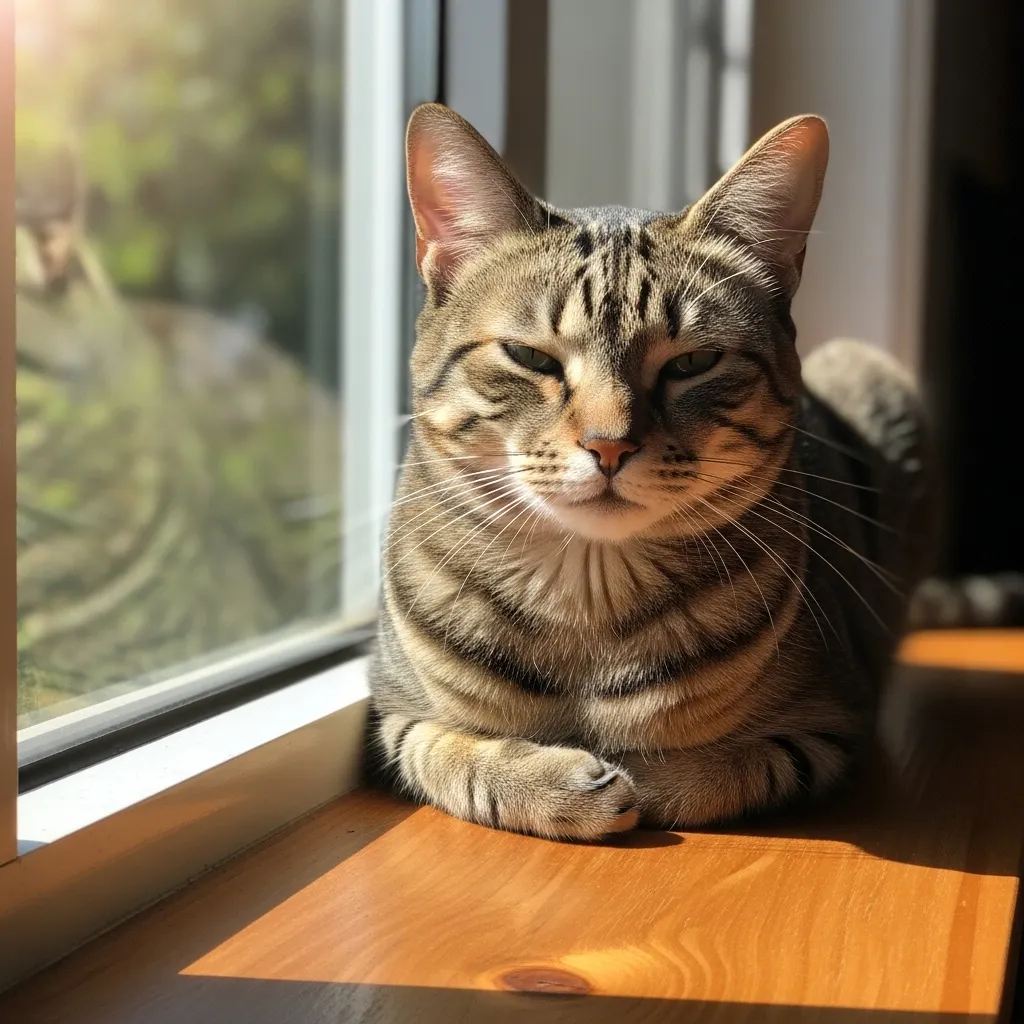
Whiskers are a mood ring for cats. When relaxed, whiskers sit naturally to the sides. When your cat is curious or hunting, whiskers push forward. If scared or angry, they flatten back against the face.
I can always tell when my cat is about to pounce on a toy. Her whiskers point straight ahead like tiny arrows. It’s a clear signal she’s locked in.
Learning to read whiskers helps you understand your cat’s emotions without a sound.
They Protect Your Cat’s Eyes
Whiskers aren’t just on the face. Cats have small whiskers above their eyes, sometimes called eyebrow whiskers. These act like eyelashes but smarter.
If a speck of dust or a leaf touches those eyebrow whiskers, your cat will blink or turn away instantly. This reflex protects the eyes from injury. It’s a defense mechanism that works in a split second.
It’s one reason cats are so good at dodging things in their path.
Whiskers Help Cats Hunt in the Dark
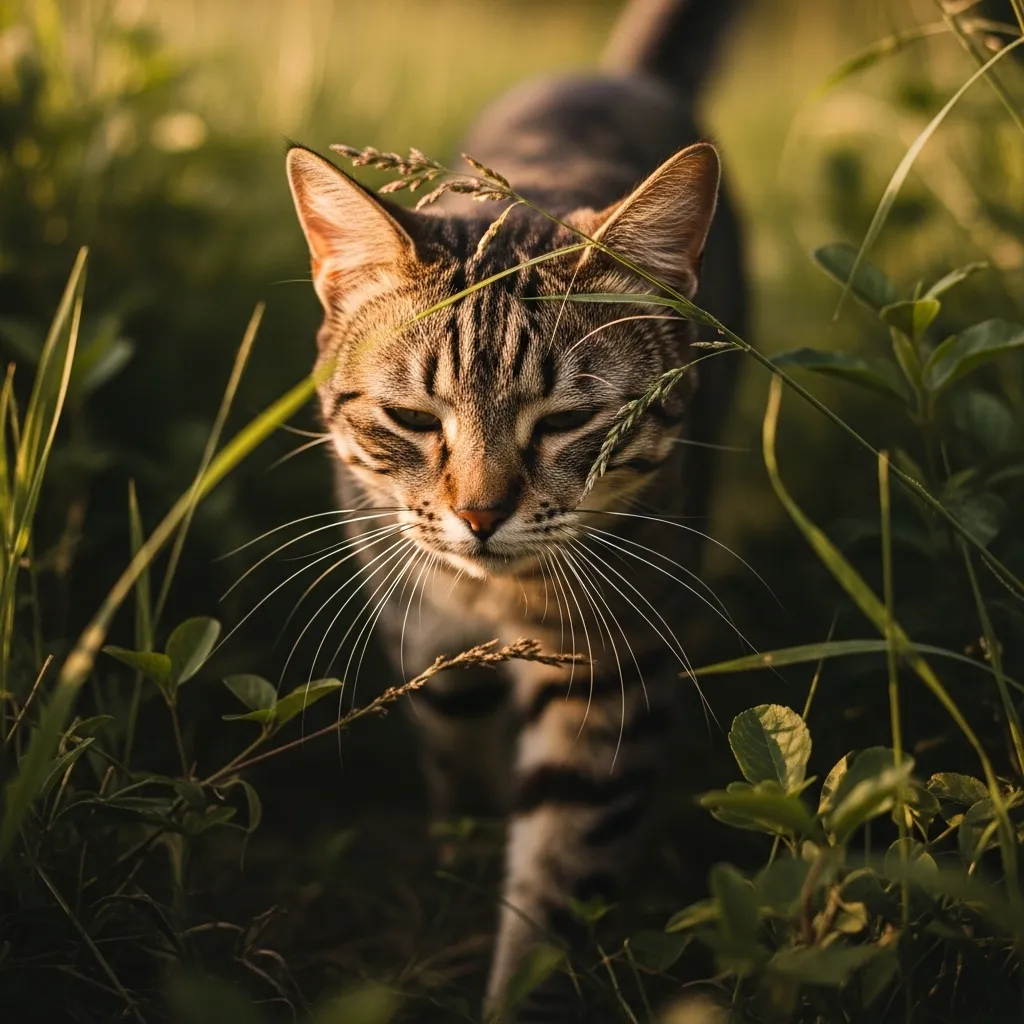
Cats are crepuscular, meaning they’re most active at dawn and dusk. In low light, their vision is good but not perfect. Whiskers fill in the gaps.
When a cat stalks prey, its whiskers sweep forward to detect the slightest movement. They feel air currents created by a mouse or insect. This is how cats catch things even when they can’t see them clearly.
It’s a secret weapon for night hunters, both wild and domestic.
Whiskers Help Cats Balance
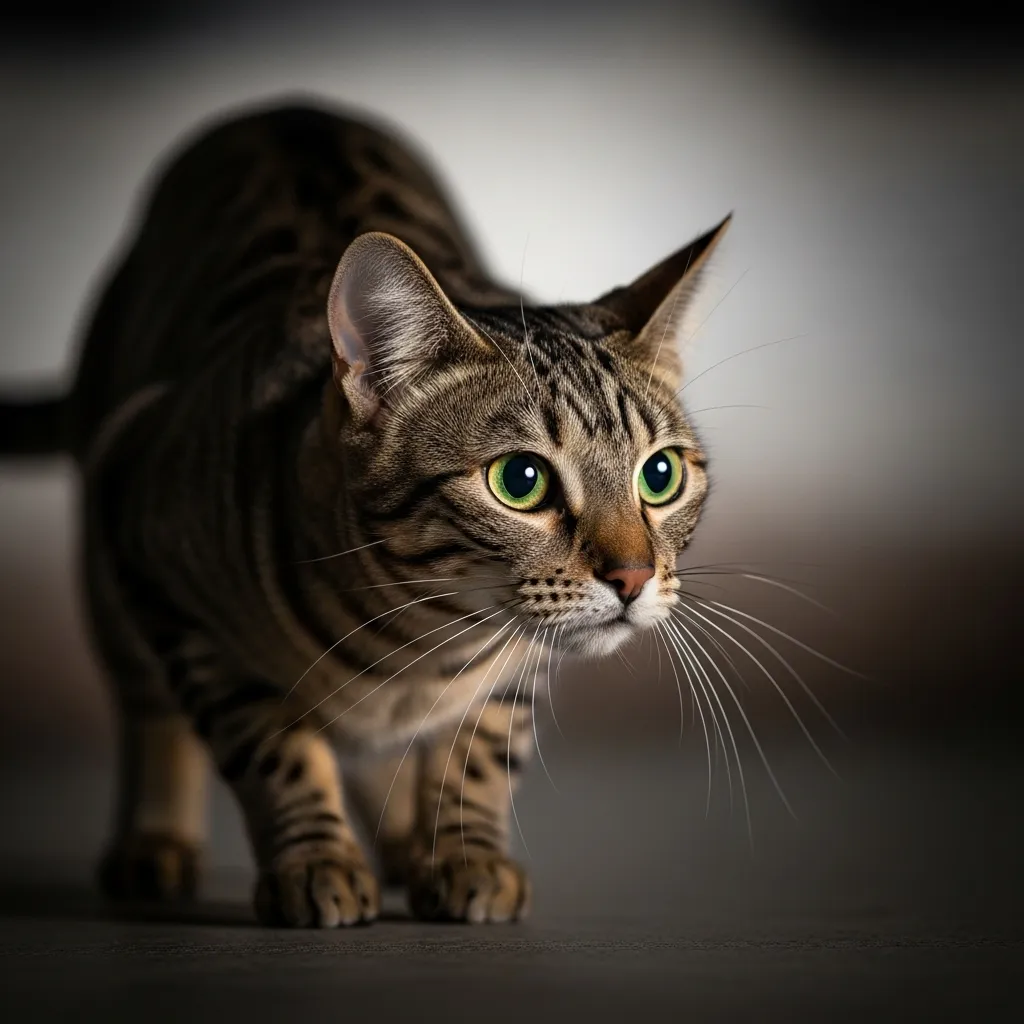
Balance isn’t just about the inner ear. Whiskers play a role too. They send feedback about the cat’s position relative to objects around it.
When a cat walks along a narrow fence, its whiskers touch the surfaces on each side. This helps the brain adjust posture and foot placement. It’s like having a backup balance system.
That’s why cats rarely fall, even on tricky surfaces.
Whiskers Are Sensitive to Airflow and Temperature
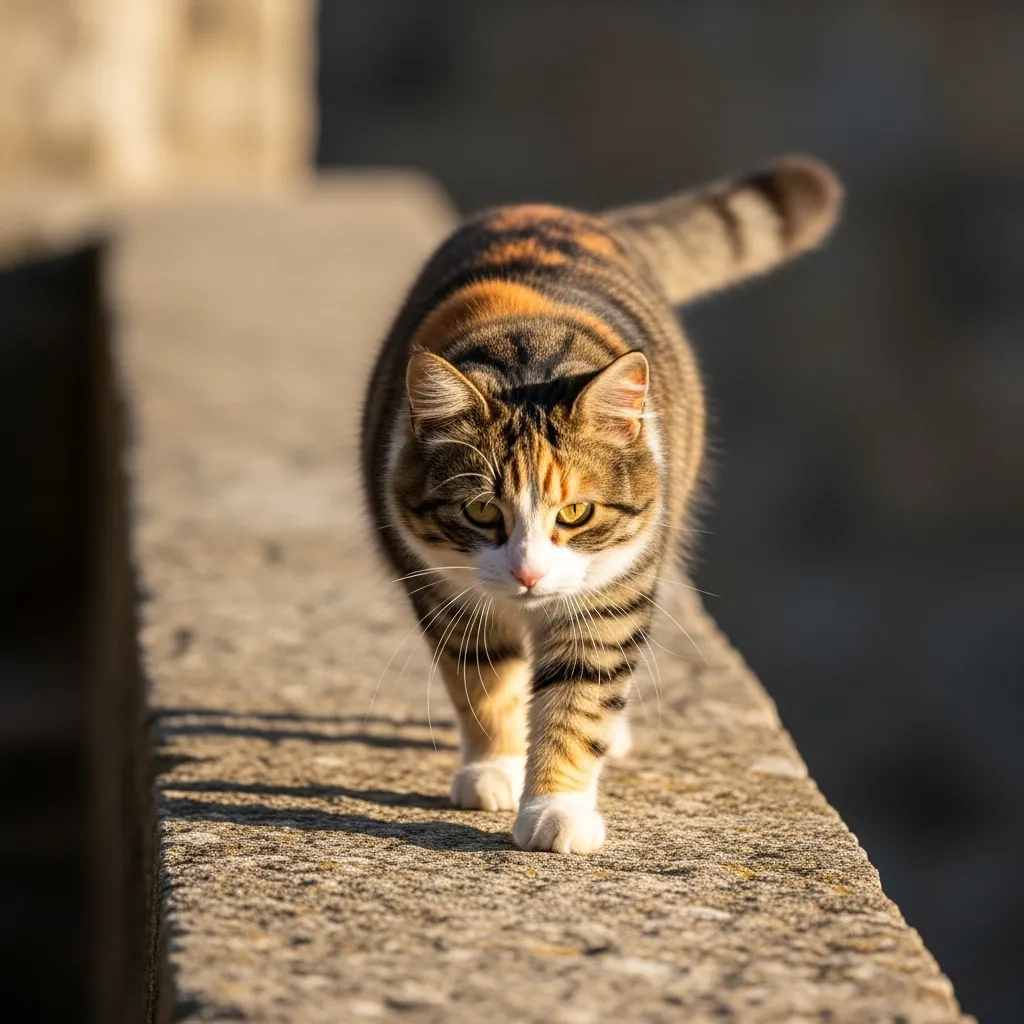
Cat whiskers can sense tiny changes in air movement. This helps your cat know if a door is open or if a predator is nearby. They also detect temperature shifts.
Ever seen your cat avoid a hot stove before it even touches it? That’s whiskers at work. They feel the heat radiating from the surface.
This sensitivity keeps your cat safe from burns and drafts.

Never Trim Your Cat’s Whiskers
This is important. Whiskers are not like regular fur. They have deep roots packed with nerves. Cutting them causes confusion and stress. Your cat may bump into things and feel disoriented.
Some people trim whiskers for grooming, but it’s harmful. It takes weeks for whiskers to grow back. During that time, your cat loses its navigation and mood-reading abilities.
Always leave whiskers alone. They’re not meant to be cut.
Whiskers Change Over Time
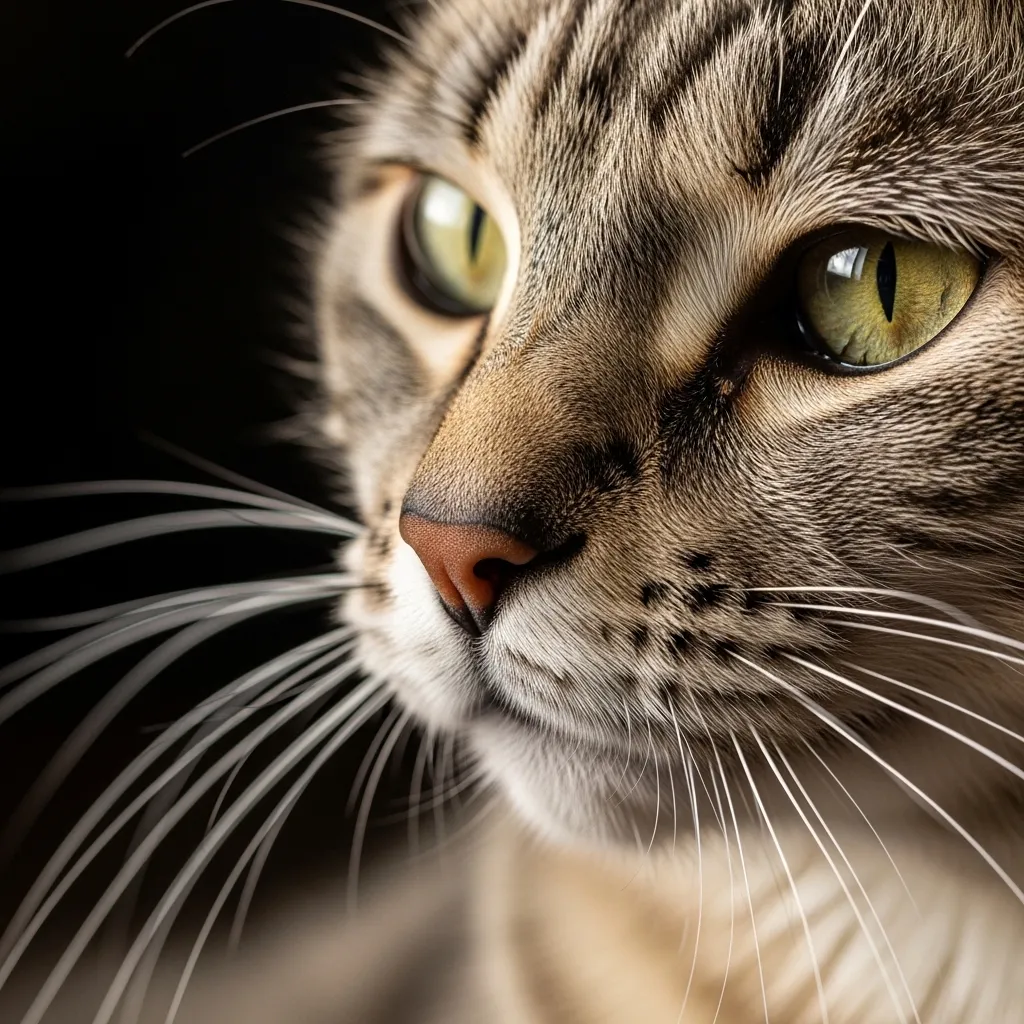
Kittens are born without whiskers, but they grow quickly. By the time a kitten opens its eyes, whiskers are already developing. As cats age, whiskers may become brittle or break.
Senior cats sometimes have shorter or thinner whiskers. This can affect their confidence and movement. If you have an older cat, keep furniture in familiar spots so they don’t get confused.
Healthy whiskers are thick, straight, and strong.
Whiskers Are Unique to Each Cat
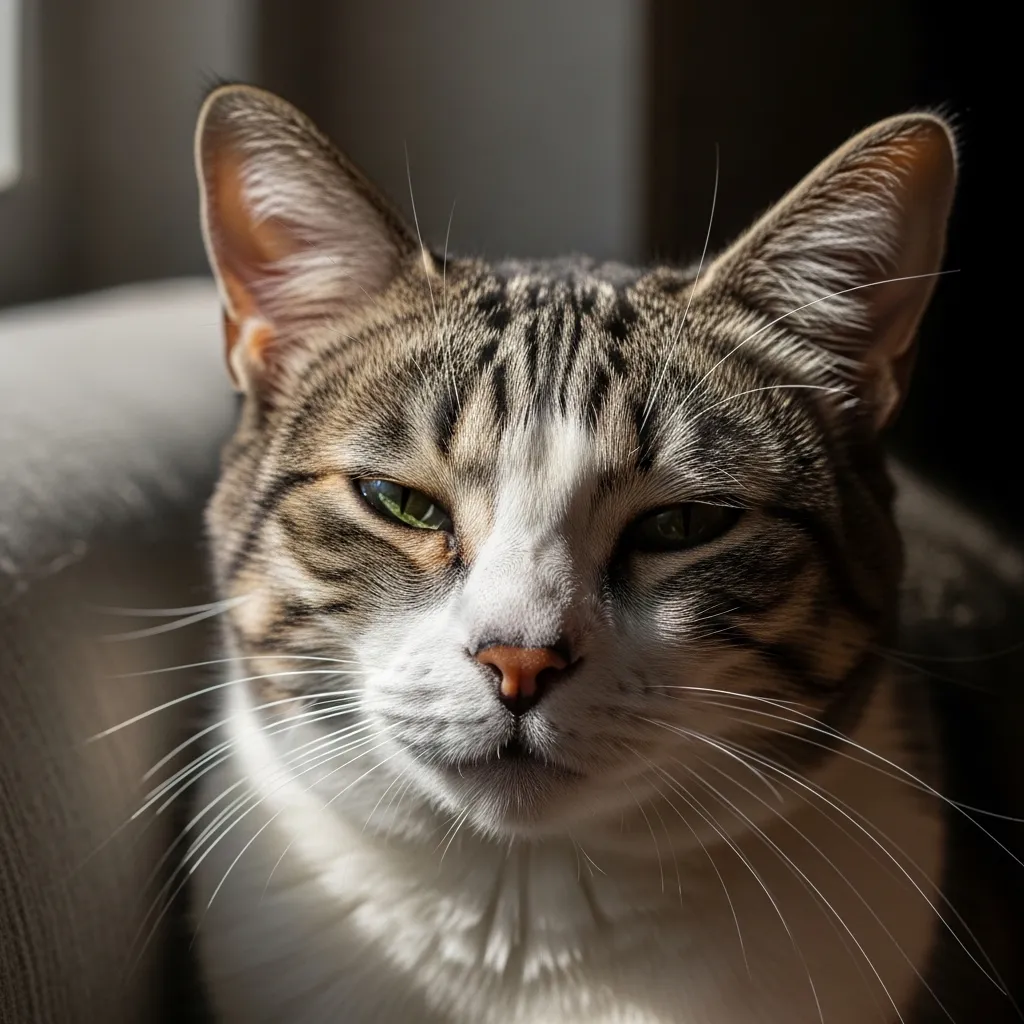
Just like fingerprints, no two cats have the same whisker pattern. The length, color, and curve vary from cat to cat. Some whiskers are white, some match the fur, and some are curly.
This individuality is part of what makes your cat special. I love watching my cat’s whiskers twitch when she dreams. It’s a tiny reminder of how complex and amazing cats really are.
Whiskers are more than hair. They’re a masterpiece of nature.
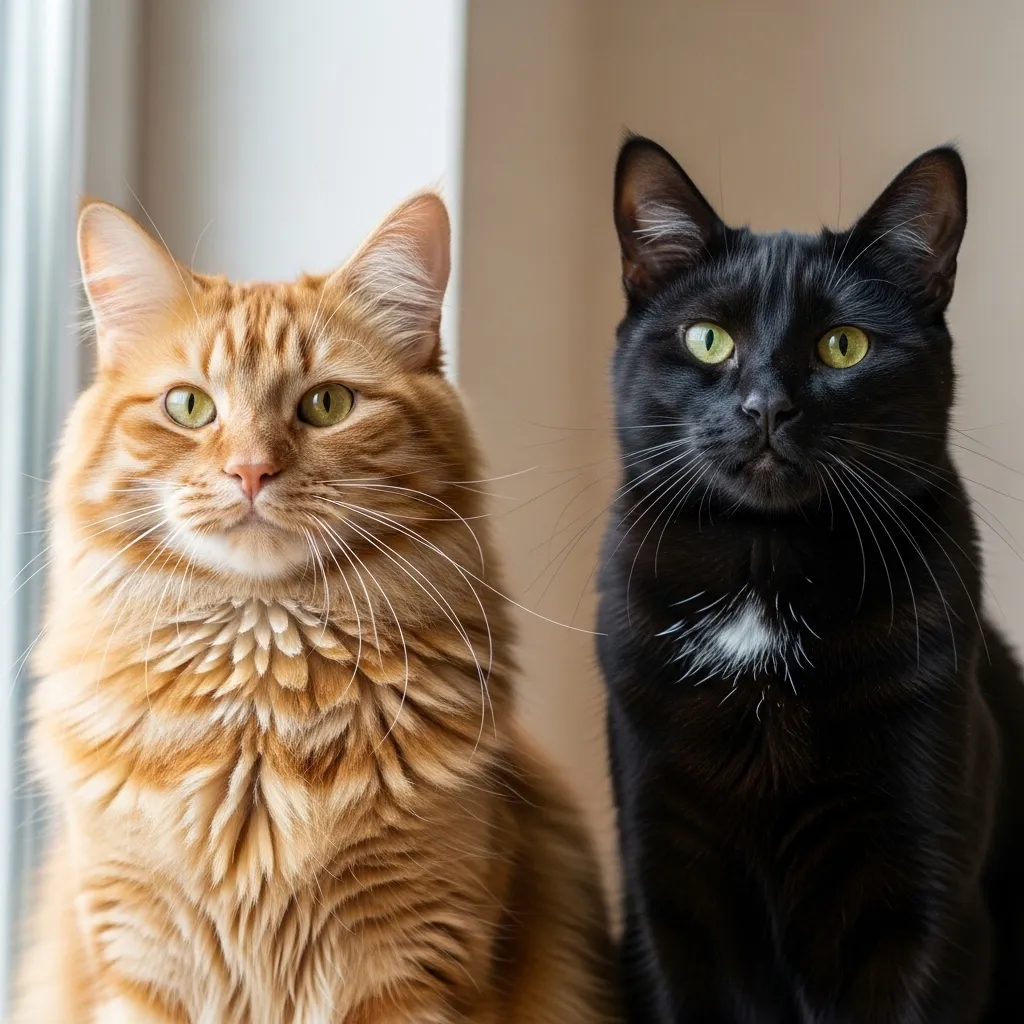
Cats rely on their whiskers every single moment. These simple-looking hairs do the job of eyes, hands, and radar all at once. Respecting them means respecting your cat’s natural design. Next time your cat brushes against you, remember—those whiskers are working hard to keep them safe and aware.
Frequently Asked Questions
Do cats feel pain if their whiskers are touched?
Whiskers themselves don’t have nerves, but the roots are extremely sensitive. Light touches are fine, but pulling or tugging hurts.
How many whiskers does a cat have?
Most cats have about 24 whiskers on their face, arranged in four rows on each side. Numbers can vary slightly by breed.
Can whiskers grow back if broken?
Yes, whiskers grow back just like regular hair. It can take several weeks to months, depending on the cat’s health and age.
Do all cats have whiskers?
Almost all cats have whiskers. Some hairless breeds like Sphynx have very short, thin whiskers, but they’re still present.
Why does my cat’s whiskers fall out sometimes?
It’s normal for whiskers to shed naturally, just like fur. You may find one on the floor occasionally. If many fall out at once, check with your vet.