30-Day Training Plan for Adult Dogs: The Simple Routine That Turns “Maybe Later” Into “Yes, I’ll Do That”
Training an adult dog is not about erasing the past. It’s about building a clear, kind language you both understand. I’ve found that adult dogs learn fast when the sessions are short, the rewards are great, and the rules stay consistent.
This 30-day training plan for adult dogs is made for real life. You don’t need a perfect dog or a fancy training facility. You need 10 minutes a day, a handful of treats, and a sense of humor.
I’ll walk you through 25 focused lessons that fit into 30 days. Some days are active training. Some are rest and review. Together, they cover attention, obedience, leash manners, recall, calm behavior, and outings.
Days 1–2: Set Up a Simple Training Corner
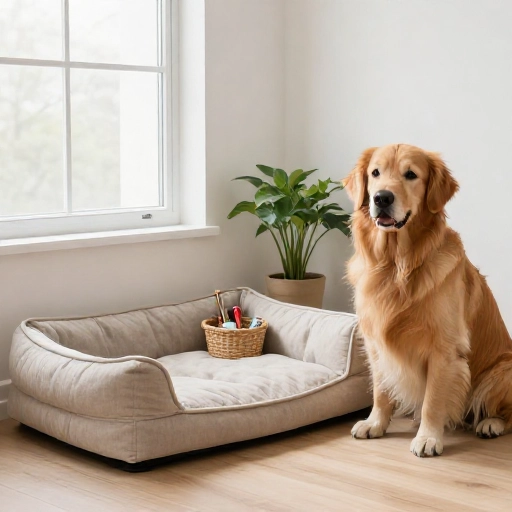
Before I teach anything new, I create a tiny training zone. A hallway, a quiet corner, or a rug in the living room works fine. The goal is fewer distractions and more success.
I keep treats in a small bowl, a clicker or marker word ready, and a leash nearby. I also put away toys that make my dog too excited. This is our classroom, not a playroom.
For two days, I just reward my dog for checking in with me. No commands yet. I say their name, mark, and treat when they look at me.
Day 3: Pick Three High-Value Treats
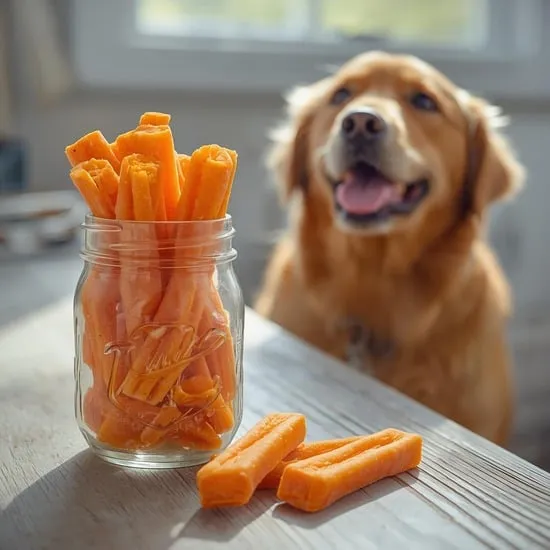
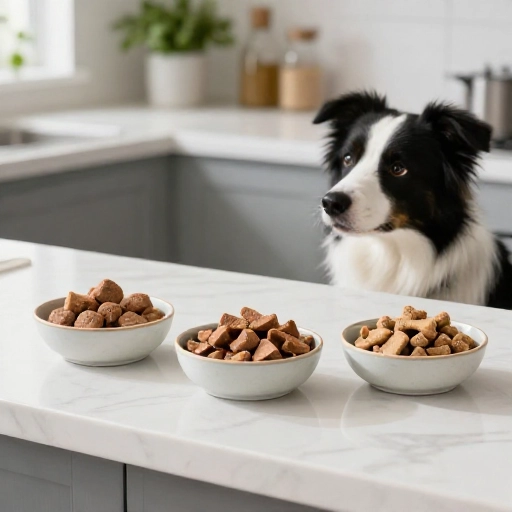
Not all treats are equal. I like to test three options: boiled chicken, freeze-dried liver, and a soft training treat. The winner is whatever makes my dog’s eyes light up.
High-value treats are for hard tasks or distracting places. Everyday kibble is for easy wins at home. This keeps the good stuff special.
I chop treats into pea-sized pieces. Tiny bites mean I can reward often without filling my dog up.
Day 4: Teach a Marker Word
A marker word is a snapshot. It tells my dog, “That exact thing earned a reward.” I use a cheerful “Yes!” instead of a clicker because it’s always with me.
I say “Yes!” and immediately give a treat. I repeat this 10 times in a quiet room. No behavior required yet.
By the end of the day, my dog starts looking for the treat after hearing “Yes!” That’s the moment the marker becomes powerful.
Day 5: Name Game for Instant Attention
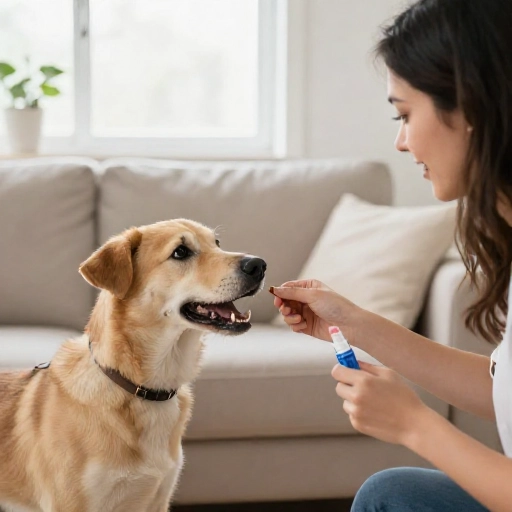
I say my dog’s name once. If they look at me, I mark and treat. If they don’t, I wait a second and try again in a quieter spot.
I never repeat the name five times. That teaches my dog that the first three calls are just background noise.
I practice in different rooms and at different times of day. Attention is the foundation for every other skill in this 30-day plan.
Day 6: The 5-Minute Sit
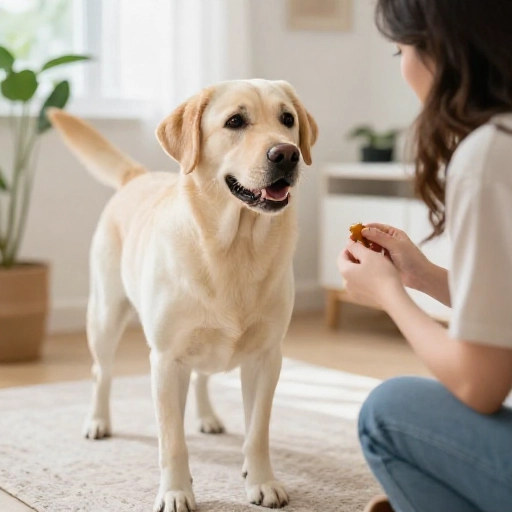
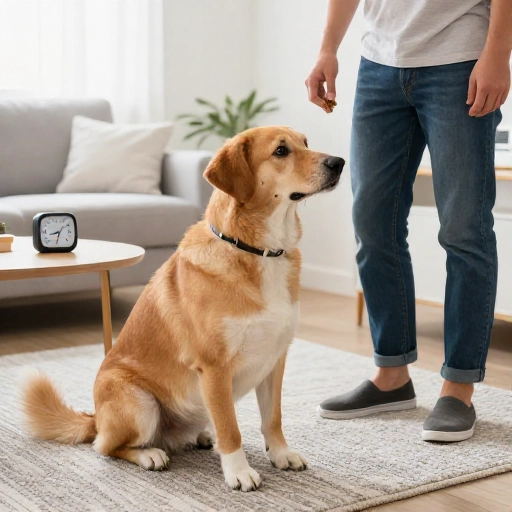
I lure a sit by holding a treat just above my dog’s nose and moving it back over their head. As soon as their bottom hits the floor, I mark and reward.
After a few reps, I add the word “Sit” right before the lure. Then I fade the lure and use just a hand signal.
I keep sessions to five minutes. If my dog loses interest, I end on a win and try again later.
Day 7: Rest, Review, and Reset
Rest days matter. I don’t train anything new. Instead, I play the name game and ask for one easy sit before meals.
I also check my treat supply and clean up my training area. A little reset keeps the next week from feeling rushed.
My dog gets a long sniffy walk or a puzzle toy. Training works best when life feels balanced.

Day 8: Down From a Sit
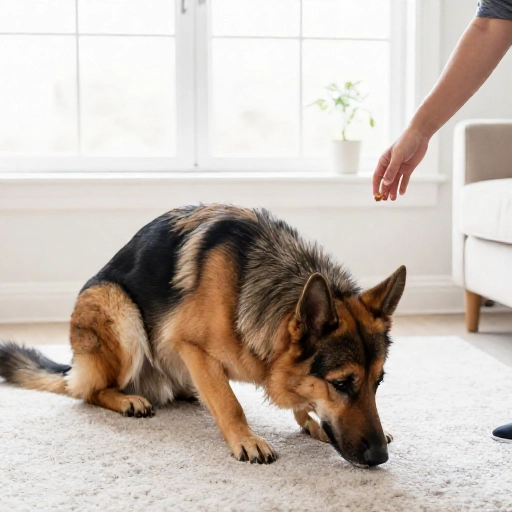
I start with my dog sitting. I hold a treat at their nose, then slowly lower it to the floor between their paws. Most dogs fold into a down.
I mark the moment their elbows touch the ground. I reward in place, not after they pop back up.
If my dog struggles, I put a towel under their chest for support or break it into smaller steps. Patience beats pressure.
Day 9: Stay With a Release Word
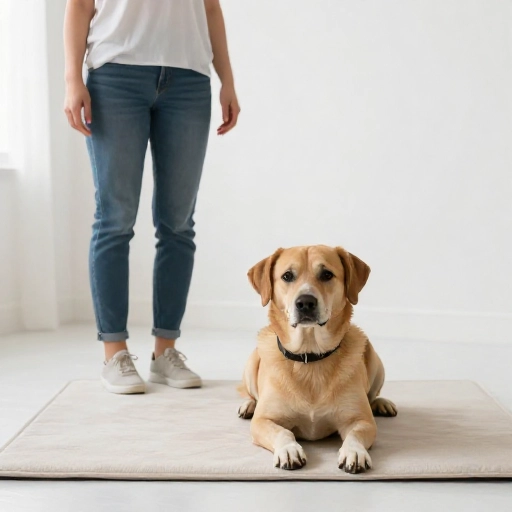
Stay is not a freeze. It’s a pause with a clear ending. I use “Okay” or “Free” as my release word.
I ask for a sit, say “Stay,” take one step back, and return. If my dog holds, I mark, reward, and release.
I build distance and duration slowly. One second longer, one step farther. I never test my dog just to see if they’ll fail.
Day 10: Come When Called Indoors
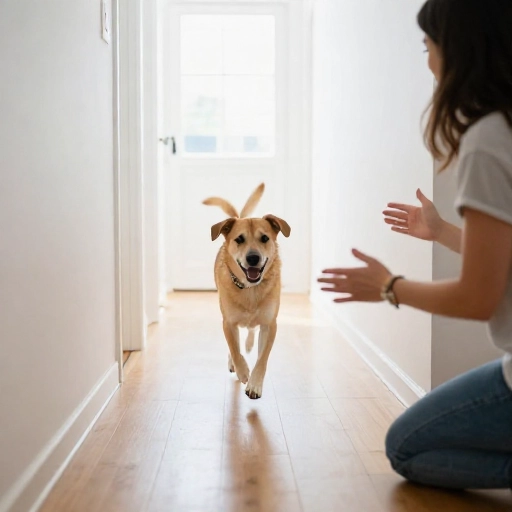
Recall starts close. I say my dog’s name and “Come” in a happy voice from just a few feet away. When they reach me, I reward with three treats in a row.
I never call my dog for something unpleasant, like a bath or clipping nails. “Come” should always lead to good things.
I practice in a hallway, then the living room, then between rooms. Short, fast, and happy wins.
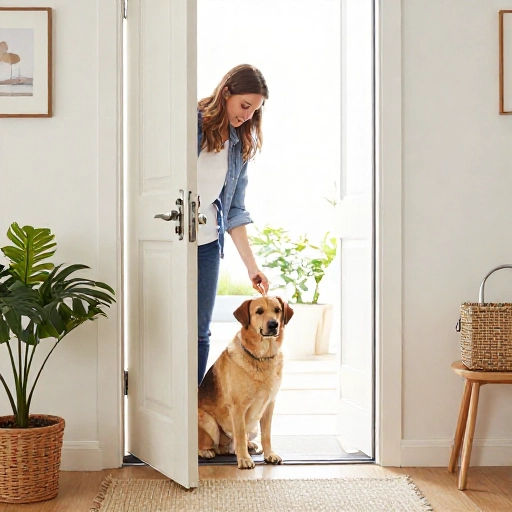
Day 11: Door Manners and Waiting
Doorways are exciting, which makes them perfect for training calm. I ask for a sit before I open the door. If my dog pops up, the door closes.
I open the door an inch, then close it if they rush. When they stay sitting, I open wider and reward.
Eventually, I can walk through first and invite my dog to follow. This simple habit prevents a lot of pushing and bolting.
Day 12: Loose Leash Walking Inside
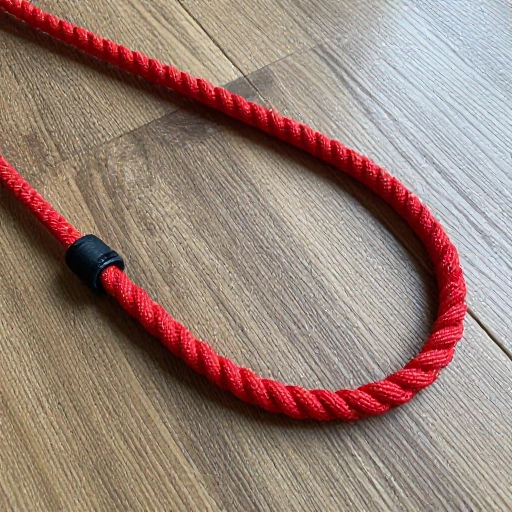
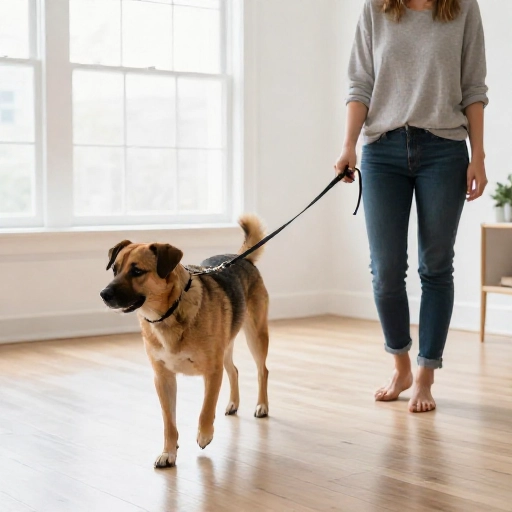
I start leash training indoors where there are no squirrels. I hold the leash loose and reward my dog for walking beside me.
If the leash gets tight, I stop. I wait for my dog to look back or step toward me, then we move forward again.
I practice for two minutes, take a break, and repeat. Walking nicely is a skill, not a personality trait.
Day 13: Loose Leash Walking Outside
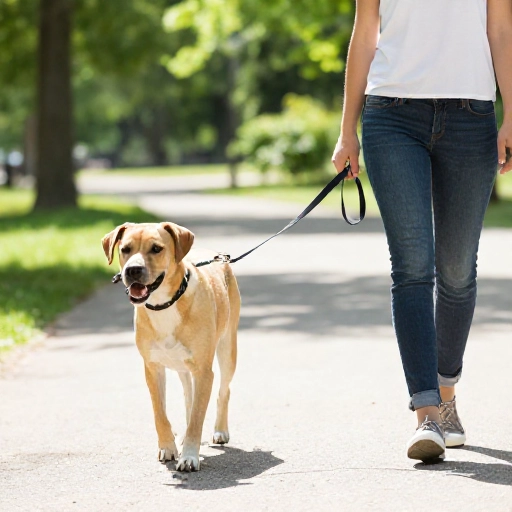
Outside, everything smells better than me. I lower my expectations and raise my treat value. Chicken or cheese usually helps.
I pick a quiet street or a low-traffic park. I reward every few steps when the leash is loose. If my dog pulls, I turn and walk the other way.
I keep the first outdoor session short. Five good minutes beat thirty frustrating ones.
Day 14: Midpoint Check-In
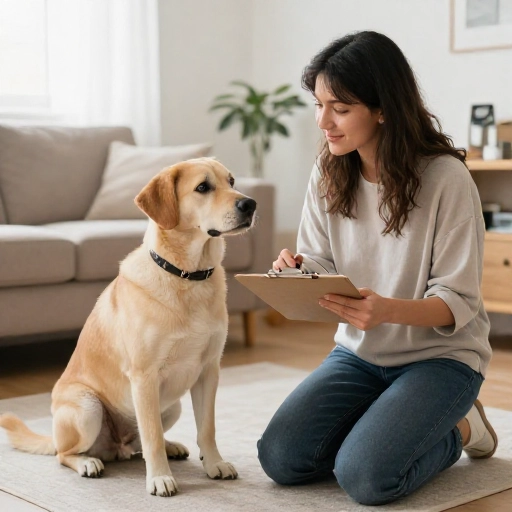
Halfway through the 30 days, I review what’s working. Which cues does my dog know? Which ones need easier practice?
I make a quick list: attention, sit, down, stay, come, leash, and door manners. I pick the weakest skill and give it extra reps this week.
I also celebrate small wins. Progress in adult dog training is often quiet, but it’s still progress.
Day 15: Leave It vs. Drop It
“Leave it” means don’t touch that. “Drop it” means let go of what’s already in your mouth. I teach them separately.
For leave it, I put a treat under my foot. When my dog stops trying to get it and looks at me, I mark and reward from my hand.
For drop it, I trade a toy for a treat. I say “Drop it,” reward, and give the toy back. Trading teaches cooperation without conflict.
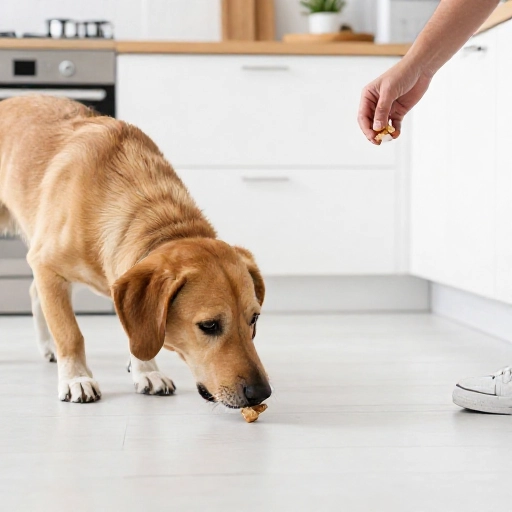
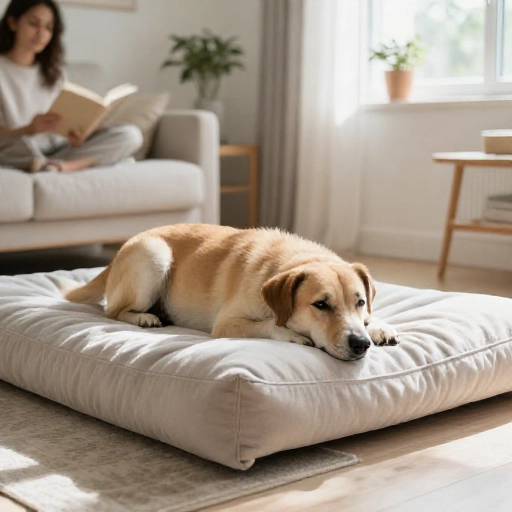
Day 16: Place Command for Calm
“Place” means go to a mat or bed and settle. I start by tossing a treat onto the mat and marking when my dog steps on it.
I reward for standing, then sitting, then lying down on the mat. I don’t ask for a long stay at first.
Place is my secret weapon for dinner time, guests, and work-from-home calls. It gives my dog a job: relax.
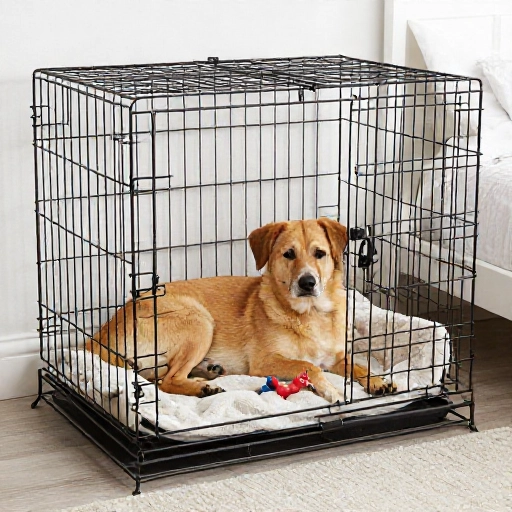
Day 17: Crate Confidence Without Drama
If my adult dog already hates the crate, I don’t force it. I toss treats inside and leave the door open. The crate becomes a treat vending machine.
I feed meals near the crate, then inside with the door open. When my dog is comfortable, I close the door for one second and open it before they worry.
I build up to five minutes, then ten. I keep departures boring and returns calm. Crate training is about safety, not punishment.
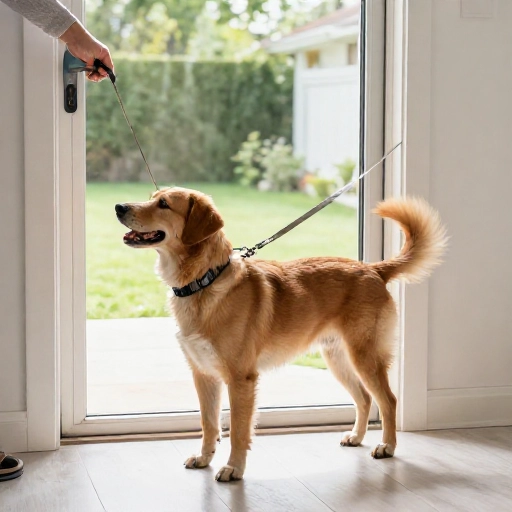
Day 18: Potty Routine for Adult Dogs
Adult dogs usually have a potty schedule, but stress or new homes can throw them off. I take my dog out first thing, after meals, after naps, and before bed.
I go to the same spot and wait quietly. When they go, I mark and reward right away. I don’t play until after potty.
If accidents happen, I clean with an enzyme cleaner and supervise more closely. I never punish. Punishment just teaches hiding.
Day 19: Polite Greetings with Guests
Jumping is often a greeting problem. I teach my dog that four paws on the floor earns attention.
I ask a guest to stand still and turn away if my dog jumps. When my dog’s paws are down, the guest can greet calmly.
If my dog is too excited, I put them on a leash or use a baby gate. Practice with calm people first, then louder friends.
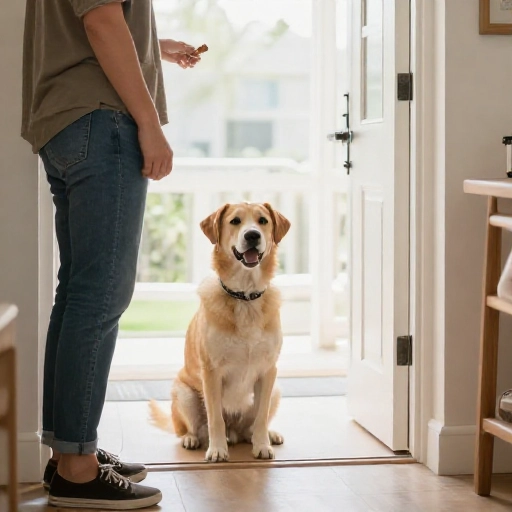
Day 20: Ignoring Distractions
Distractions are just training opportunities. I start with mild ones: a toy on the floor, a person walking by, or a treat on a low table.
I ask for a simple sit or down near the distraction. If my dog can do it, I reward. If not, I add distance.
I never yank or scold. I make the right choice easy and pay well for it.
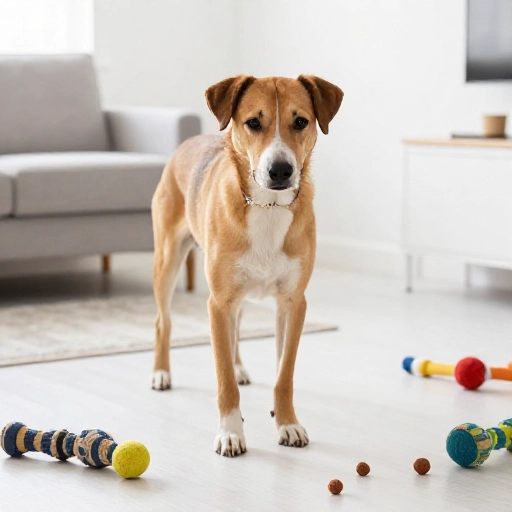
Day 21: Recall Around Distractions
This is the big one. I practice recall on a long line in a safe, fenced area or a quiet park. I use my happiest voice and best treats.
I call my dog once, then run backward or crouch down. When they come, I celebrate like they just won a gold medal.
I never call if I know my dog won’t come. I set them up to succeed, then slowly add squirrels, other dogs, and distance.
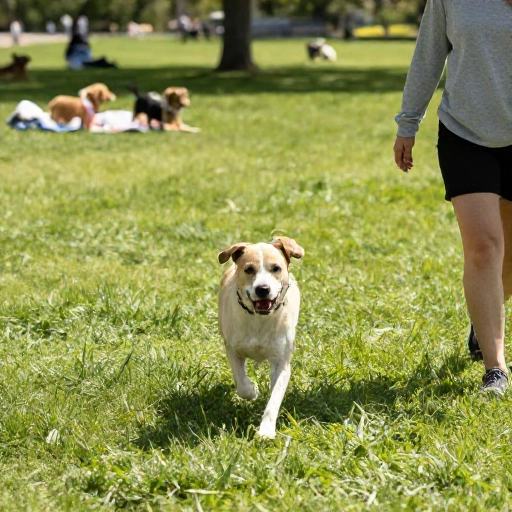
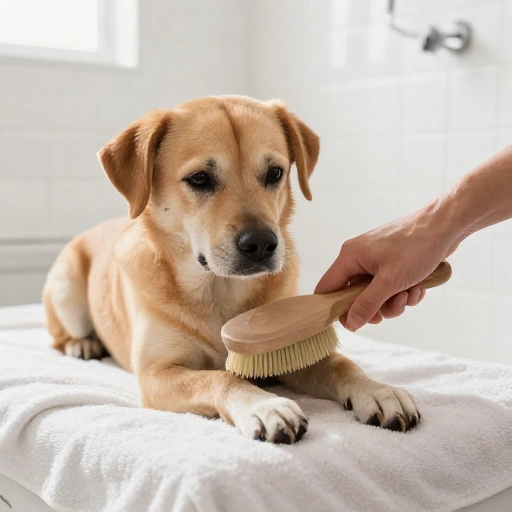
Day 22: Handling and Grooming Touch
I want my dog to tolerate touch without stress. I touch one ear, mark, and treat. Then a paw, then the collar, then the tail.
I keep it to ten seconds and stop before my dog pulls away. I pair touch with treats so handling predicts good things.
For nail trims, I start by touching the clippers to a nail without clipping. Then one nail, treat, break. Slow is smooth.
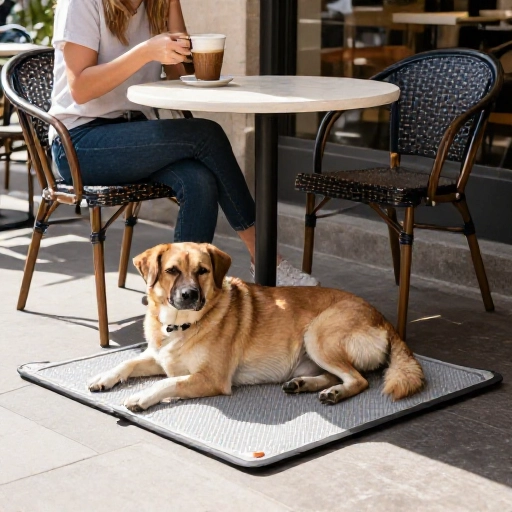
Day 23: Settle on a Mat at Cafés
A calm dog at a café is a trained dog. I bring a mat, a chew, and high-value treats. I pick a quiet corner and sit down.
I reward my dog for lying on the mat. If they get up, I quietly reset them. I don’t let strangers pet them while they’re working.
I start with five minutes and leave before my dog gets bored. Positive experiences build a dog who can join me anywhere.
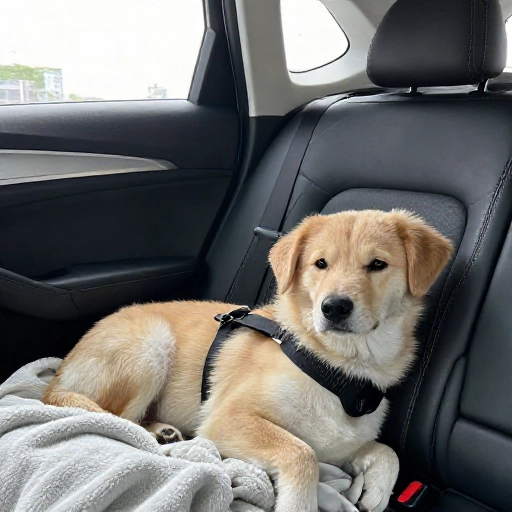
Day 24: Car Ride Calm
Some adult dogs love the car. Others drool or pace. I start with the car parked and the engine off. I reward my dog for getting in and out.
Then I turn the engine on for a few seconds, reward calm, and turn it off. We build up to short drives around the block.
I use a crash-tested harness or crate, and I keep the first trips short. A calm car ride makes vet visits and adventures easier.
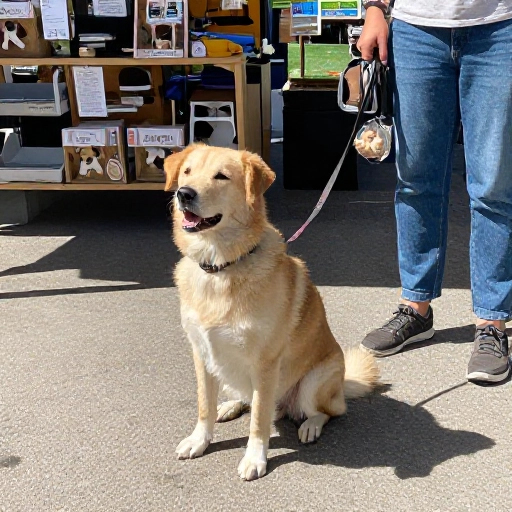
Day 25: Real-World Field Trip
Today I take the show on the road. I choose a pet-friendly store, a quiet park, or a friend’s yard. I bring treats, a leash, and a plan.
I don’t ask for perfect obedience. I ask for attention, a sit, a loose leash, and a recall or two. Then I reward generously.
If my dog is overwhelmed, we leave early. A short successful trip is better than a long stressful one.
Days 26–30: Proof, Fade Treats, and Keep the Joy
The last five days are about proofing. I practice all cues in new places, with new people, and at different times of day. I also start fading treats.
I don’t stop rewarding. I switch to a variable schedule: sometimes a treat, sometimes praise, sometimes a toy. This keeps my dog guessing and working.
I end every session with an easy win and a big celebration. Training should feel like a conversation, not a chore.
Conclusion
Thirty days won’t make a dog perfect, and that’s okay. This plan gives you a strong foundation: attention, basic cues, leash manners, recall, calm behavior, and real-world confidence.
If you miss a day, just pick up where you left off. Adult dogs care more about consistency than perfection. Ten good minutes a day can change everything.
Keep sessions short, rewards generous, and your voice kind. That’s how training sticks.
FAQ
Q: How long should each training session be?
A: Five to ten minutes is plenty for adult dogs. Two short sessions are better than one long one.
Q: What if my dog already knows some of these cues?
A: Great. Move faster through the basics and spend more time proofing in new places with distractions.
Q: Can I use this plan for a rescue dog?
A: Yes, but go slower. Build trust first, keep sessions very short, and use high-value treats. Skip anything that causes fear or stress.
Q: Do I need a clicker?
A: No. A marker word like “Yes!” works beautifully. The important thing is timing and consistency.
Q: What if my dog gets distracted or stops listening?
A: Make it easier. Move to a quieter spot, increase treat value, or reduce distance. Success builds focus.