Small Dog Breeds Guide for You: 10 Tiny Pups That Fit Right Into Your Life
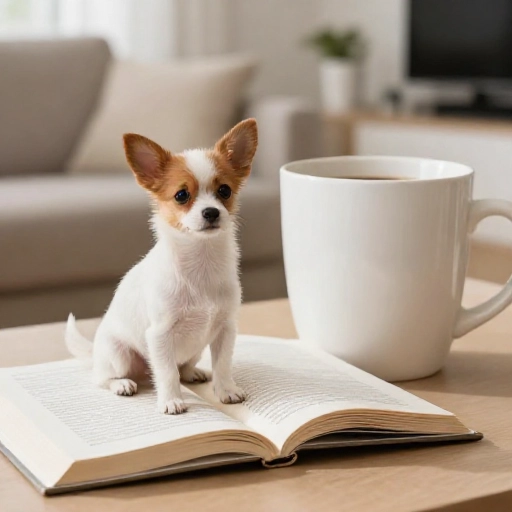
I still remember the first time a four-pound Chihuahua climbed into my lap and acted like she owned the entire couch. Honestly, she did. That’s the thing about small dogs — they take up almost no space and still manage to fill a whole room with personality.
If you’re scrolling Pinterest late at night trying to figure out which tiny breed belongs in your home, this guide is for you. I’ve gathered the breeds I’d genuinely recommend, explained the size labels that confuse everyone, and added the practical stuff people usually learn only after they’ve already fallen in love.
Take your time here. Bringing home a dog is a 12-to-16-year decision, and the right small breed should match your couch, your schedule, and your patience level.
Why Small Dogs Are a Really Big Deal
Small dogs get a reputation for being “easy,” and that’s only half true. They eat less, travel better, and fit comfortably in a studio apartment. A twenty-minute walk can actually tire them out, which is a gift on a rainy Tuesday.
But easy isn’t the same as low-maintenance. Tiny dogs still need training, socializing, dental care, and mental stimulation. A bored Chihuahua can be just as destructive as a bored Labrador — it just does the damage in a smaller radius.
What I love most is the companionship. Small breeds tend to be Velcro dogs, following you from the kitchen to the bathroom to the laundry room. If you work from home or live alone, that constant little presence makes a quiet house feel a lot less quiet.
Toy, Small, Miniature — What These Labels Actually Mean
Before you fall for a breed, it helps to understand the vocabulary. Breed clubs and vets throw these words around constantly, and they don’t always mean the same thing.
- Toy: Usually under about 12 pounds and under 10 inches tall. Think Chihuahuas, Pomeranians, and Yorkies.
- Small: Roughly 12 to 25 pounds. Shih Tzus, Miniature Dachshunds, and French Bulldogs land here.
- Miniature: Not a size category on its own — it means a scaled-down version of a bigger breed, like a Miniature Schnauzer or Miniature Poodle.
Exact numbers vary between kennel clubs and individual dogs, so treat these as guidelines rather than rules. A “toy” puppy can surprise you at the vet’s scale.
One more thing: smaller doesn’t automatically mean calmer. Some toy breeds have more energy packed into their bodies than dogs three times their size.
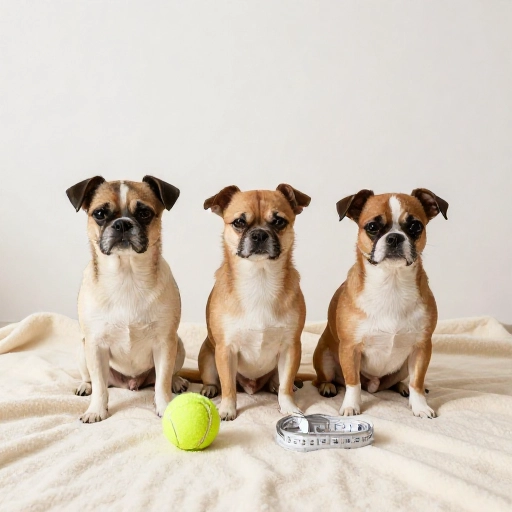
Chihuahua: Tiny Body, Enormous Personality
Chihuahuas are the smallest recognized breed, and somehow they have the biggest opinions. Mine had a favorite blanket, a least-favorite mail carrier, and a very specific schedule she expected me to follow.
They bond hard with one or two people and can be wary of strangers without early socialization. That’s not aggression — it’s just loyalty that needs some guidance. Puppy classes make a huge difference here.
Chihuahuas come in both smooth and long coats, so grooming needs vary. They’re great apartment dogs, they love warm laps, and they’ll happily snooze under a blanket for hours. Just plan on dental cleanings; tiny mouths collect tartar fast.
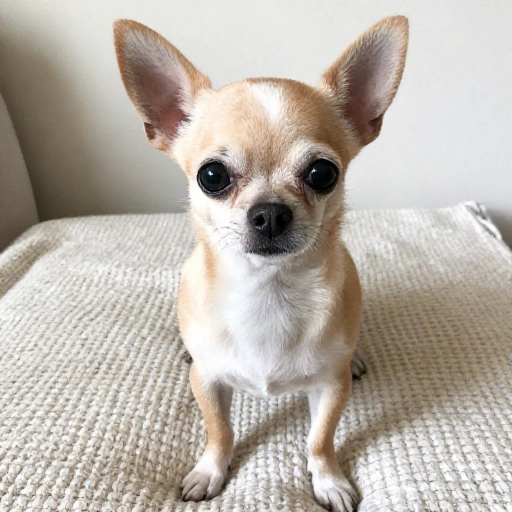
Pomeranian: The Fluffy Cloud With a Bossy Streak
A Pomeranian looks like a teddy bear that learned to talk back. Underneath all that fluff is a bright, alert little dog who thinks he’s much bigger than he is.
The coat is the main commitment. That double layer needs brushing several times a week, and a professional groom every few months keeps it from matting. Skip it and you’ll be dealing with tangles that make both of you miserable.
Poms are chatty, curious, and surprisingly trainable. They pick up tricks fast and love showing off. If you live in an apartment with thin walls, though, be ready for a dog who announces every delivery driver in the building.
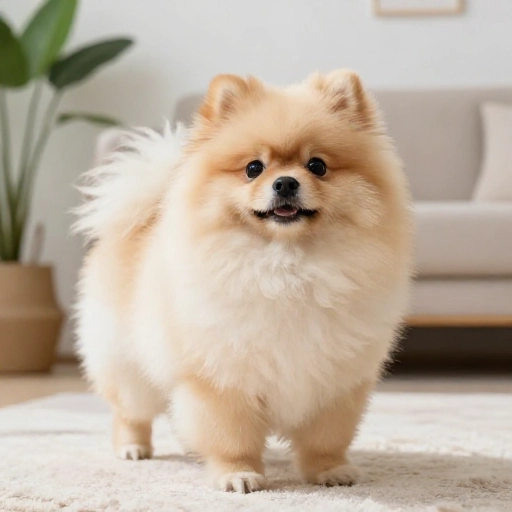
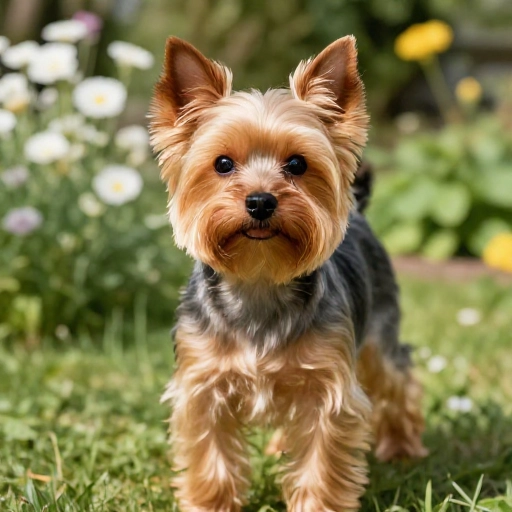
Yorkshire Terrier: Bold, Bright, and Beautifully Feisty
Yorkies are terriers first and lap dogs second. They were bred to hunt rats in English mills, and that fearless, scrappy attitude never really left.
Their silky coat is often kept in a short “puppy cut” for easier care, which I highly recommend if you’re not up for daily brushing. Even with a short coat, they need regular trims and a bath every few weeks.
Yorkies are smart, spirited, and deeply attached to their people. They do well in apartments, but they need real playtime and a few short walks to burn off that terrier energy. Without it, they’ll find their own entertainment — usually something you’d rather they didn’t.
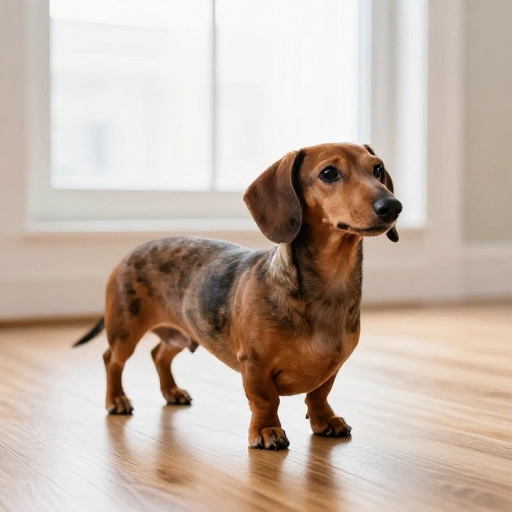
Miniature Dachshund: Long Body, Short Legs, Big Attitude
Nothing prepares you for how funny a Miniature Dachshund looks in motion — all ears and waddle. Then you meet the personality, and it’s ten times bigger than the dog.
Dachshunds are stubborn in a charming way. They were bred to go down badger holes and make decisions independently, so training takes patience and a lot of treats. They’re also famously loyal and a little possessive of their humans.
The long spine is the real concern. Jumping off couches and flying down stairs can lead to back injuries, so ramps and a “no jumping” rule are genuinely worth the effort. Keep them lean, too — extra weight puts pressure right where you don’t want it.
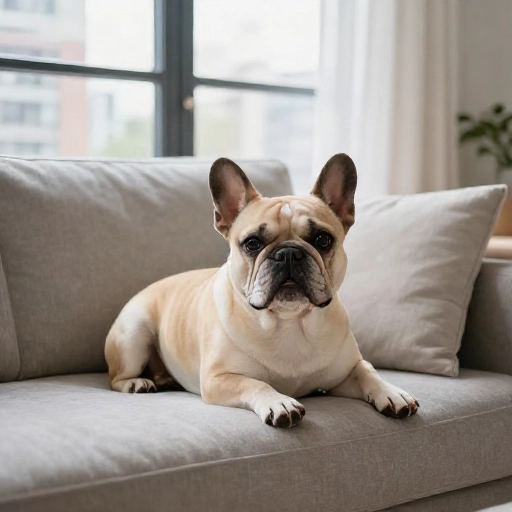
French Bulldog: The City Apartment Sweetheart
Frenchies are the dog I recommend most often to first-time city owners. They’re compact, calm indoors, and happiest wherever you happen to be sitting.
They don’t need long runs — a couple of gentle walks a day is plenty. In fact, they overheat easily because of those flat faces, so midday summer strolls are a no. Early mornings and evenings work much better.
Two honest notes: French Bulldogs can be expensive to buy and to insure, and they often need help breathing comfortably. Cleaning their face folds and keeping them at a healthy weight makes a real difference in how well they age.
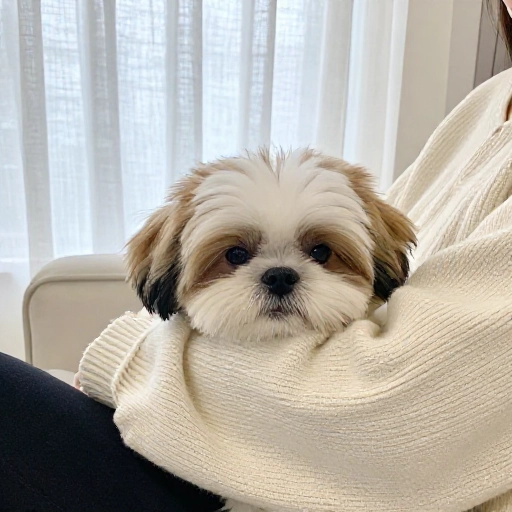
Shih Tzu: The Lap Dog That Loves Everybody
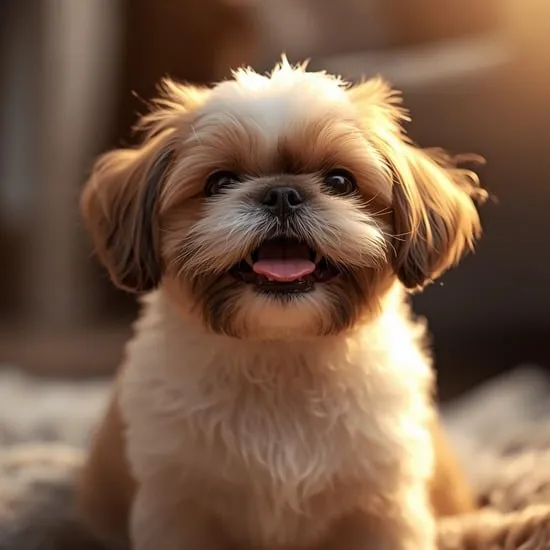
Shih Tzus were bred for one job: to be adored. They’re affectionate, outgoing, and usually friendly with strangers, kids, and other pets — a rare combination in a small breed.
That long double coat needs daily brushing if you keep it long, or a short clip and monthly trims if you don’t. Either way, plan on regular grooming appointments. Matting is painful and hard to untangle.
They’re low-energy and perfectly happy with a short walk and a long nap. That makes them wonderful companions for seniors, apartment dwellers, and anyone who wants a dog that’s genuinely thrilled to just hang out.
Small Dog Care Basics: Grooming, Exercise, and Health
Small breeds share a few needs that are easy to overlook, especially if you’re used to bigger dogs.
- Dental care: Tiny mouths crowd teeth together, so brushing several times a week and professional cleanings matter more than you’d think.
- Temperature: They lose body heat fast. A sweater in winter isn’t a fashion statement — it’s practical.
- Exercise: Squeeze in two short walks plus some indoor play. Puzzle toys and training games tire out a smart little brain faster than miles of walking.
- Handling: Pick small dogs up with one hand supporting the chest and one under the rear. Kids should always be supervised.
Also, don’t skip training just because your dog is cute and portable. Small dogs get carried everywhere and never learn manners, and that’s how you end up with a six-pound tyrant. Treat them like real dogs and they’ll be far better company.
How to Choose the Right Small Breed for Your Life
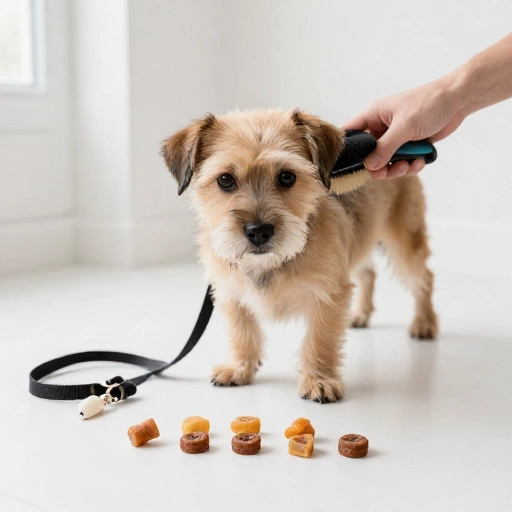
Before you pick a breed, be honest about your actual life — not the life you plan to have someday. How many hours are you home? Do you have stairs? Can you handle daily brushing, or does that sound like a chore you’d dread?
Ask yourself a few blunt questions: Am I home enough for a Velcro dog? Can I afford grooming every six weeks? Do I have the patience for a stubborn terrier or a hound? Will a dog that barks at every sound drive my neighbors up the wall?
Beyond the breeds above, Maltese, Papillons, Bichons Frises, Toy Poodles, and Cavalier King Charles Spaniels are all wonderful options worth researching. And if you’re open to it, breed rescues and shelters have plenty of small dogs waiting — often already house-trained and past the chewy puppy phase.
Meet the dog before you commit. Ten minutes together tells you more than a hundred photos ever will.
Final Thoughts
Small dogs are the best kind of big commitment. They curl up on your lap, join you on every errand, and somehow convince you that a four-pound animal is the boss of the house.
Pick a breed that matches your routine, not just your Pinterest board. Do the grooming, the training, and the vet visits. In return, you’ll get a best friend who fits in a tote bag and still takes up your whole heart.
Frequently Asked Questions About Small Dog Breeds
What’s the easiest small dog breed for a first-time owner?
I’d point most beginners toward a Shih Tzu, Maltese, or French Bulldog. They’re generally affectionate, low-energy indoors, and forgiving of the mistakes new owners make.
Do small dogs need less exercise than big dogs?
Less distance, not less effort. Twenty to thirty minutes of activity a day, split into short walks and play sessions, keeps most small breeds happy and calm indoors.
Which small breeds are best for apartments?
Chihuahuas, French Bulldogs, Shih Tzus, and Pugs all adapt well to apartment living. If noise is a concern, lean toward calmer breeds and start training early.
Are small dogs harder to house-train?
They often are, mainly because tiny bladders fill up quickly and owners miss the signals. Frequent trips outside, a consistent schedule, and crate training make it much easier.
How long do small dog breeds usually live?
Many live 12 to 16 years, and some toy breeds reach 16 to 18 with good care. Dental health, weight management, and regular vet checkups are the biggest factors.