Bringing a Puppy Home: A Step-by-Step First-Day Plan for a Calm, Happy Start
I still remember the mix of excitement and sheer panic the day I brought my first puppy home. The tiny collar, the soft whimper, the way he looked up at me like I was his whole world. It’s a lot of pressure, right?
The first day sets the tone for everything that follows. You don’t need a perfect house or a perfect schedule. You just need a simple, gentle plan that helps your puppy feel safe, loved, and a little less overwhelmed.
Here’s exactly how I handle the first 24 hours, step by step. No fluff, no stress, just practical moves that actually work.
1. Prepare Your Puppy’s Safe Space Before They Arrive
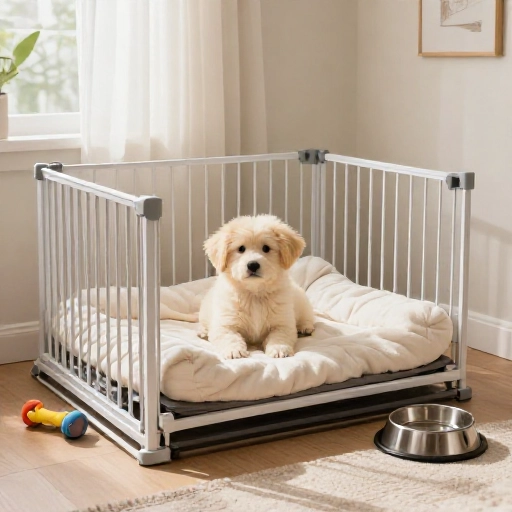
Before you even leave to pick up your puppy, set up one small, quiet area. A corner of your living room or a hallway works perfectly. This is not the time for a grand tour of the whole house.
I put down a crate with the door open, a soft bed, a water bowl, and a few pee pads. I also add a worn t-shirt of mine so my scent is already there. That familiar smell helps a lot when everything else is brand new.
Keep this space dim and draft-free. The goal is simple: a cozy den where your puppy can retreat when the world feels too big.
2. Puppy-Proof the House (and Your Expectations)
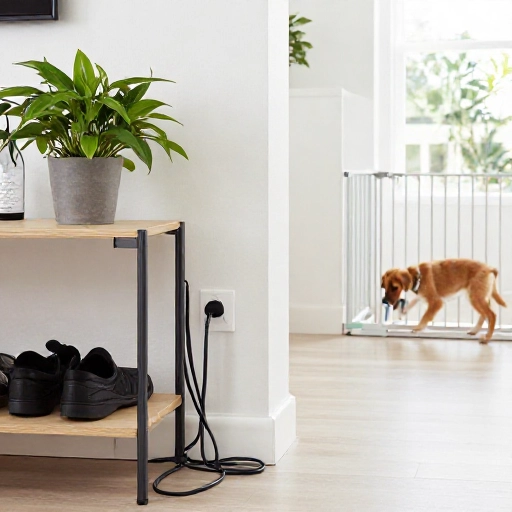
Puppies explore with their mouths, so I go room by room and think like a curious toddler. I tie up electrical cords, move houseplants up high, and put trash cans behind closed doors. Shoes, socks, and remote controls are basically chew toys waiting to happen.
I also lower my expectations for the day. There will be an accident. Maybe two. That’s not failure; it’s just part of bringing a baby animal into a human home.
Have paper towels and an enzyme cleaner ready. Clean up calmly and move on. Your puppy learns more from your gentle reaction than from any scolding.
3. The Car Ride Home: Keep It Calm and Short
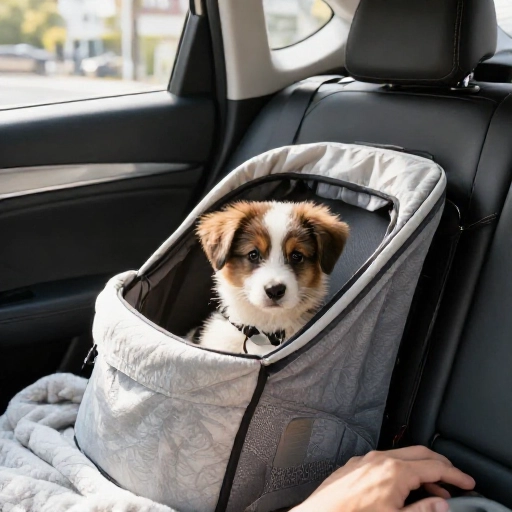
I always bring a towel, a small crate, and a few paper towels for the ride home. Don’t feed your puppy a big meal right before pickup. A light snack two hours earlier is plenty.
One person drives while the other sits with the puppy in the back seat. Speak softly. Don’t pass the puppy around or let them climb all over the car. Keep the crate door closed if they’re comfortable inside.
If it’s a long drive, plan one quiet potty stop in a grassy area away from other dogs. Then get back on the road. Short and boring is exactly what a tired, confused puppy needs.
4. First 10 Minutes: Let Them Sniff, Don’t Swarm
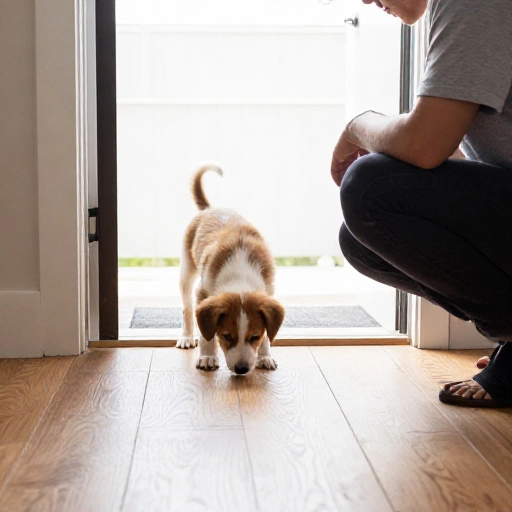
When we walk through the door, I don’t introduce my puppy to the whole family at once. That’s overwhelming. Instead, I carry them straight to their safe space and set them down gently.
I sit on the floor and let them sniff around at their own pace. No picking up, no loud voices, no passing them from person to person. I just talk in a soft, happy voice and let them come to me.
If they hide under the bed or behind the crate, that’s okay. I wait. Curiosity always wins with puppies, but only when they feel safe.
5. Potty Break Immediately (and Every 20 Minutes)
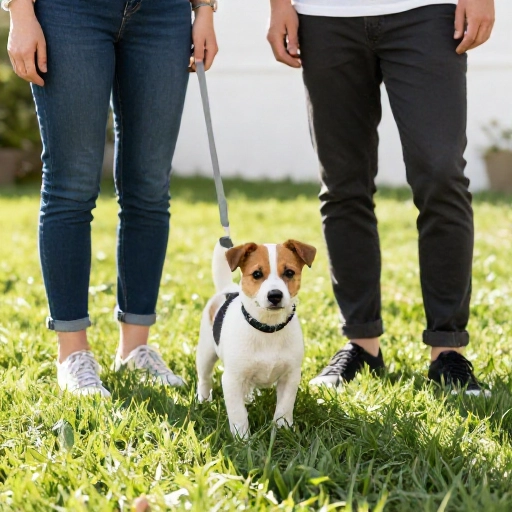
The very first thing I do after that calm sniff session is take my puppy outside to the potty spot. Same spot every time. I stand still, say nothing, and wait. Praise like crazy when they go.
For the rest of the day, I take them out every 20 to 30 minutes. Yes, really. After every nap, every meal, every play session, and every 20 minutes just because. It feels excessive, but it prevents accidents and builds a habit fast.
If you live in an apartment or a high-rise, carry your puppy to the potty spot until they’ve had all their shots. Their feet shouldn’t touch shared ground yet.
6. Introduce Water and a Small Meal
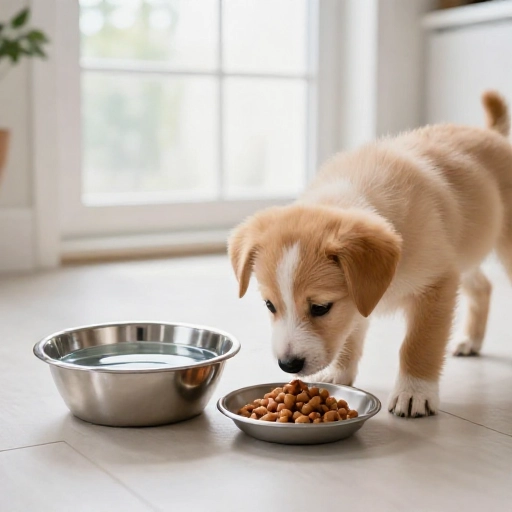
After the first potty break, I offer a small bowl of fresh water. Not a huge bowl they can gulp down. Just a few laps to hydrate without upsetting their stomach.
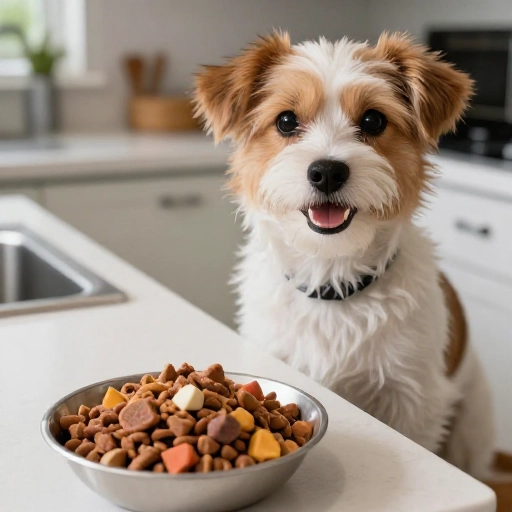
About an hour later, I offer a small meal of the exact same food the breeder or shelter was using. Changing food on day one is a recipe for diarrhea. I keep it simple: same food, small portion, quiet room.
If they don’t eat, I don’t panic. Stress can kill an appetite. I pick up the bowl after 15 minutes and try again later.
7. Set Up a Quiet Rest Zone (Crate or Pen)
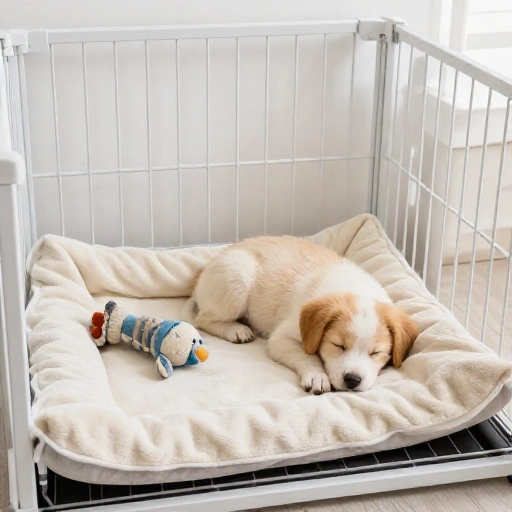
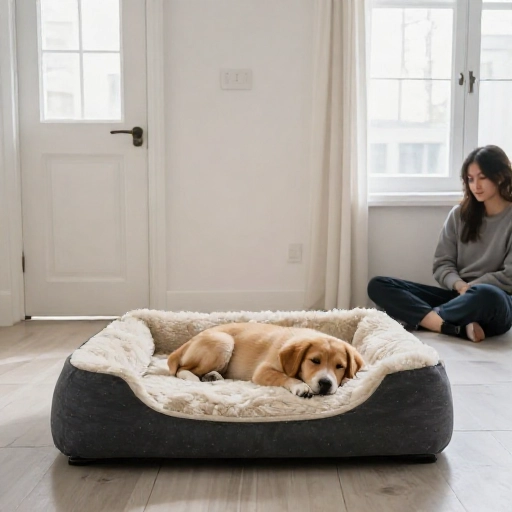
Puppies need sleep. A lot of it. I make sure the crate or pen is the best place in the house to nap. I toss in a stuffed chew toy and leave the door open so they can come and go.
When my puppy starts to look droopy or nippy, I gently guide them to the rest zone. I don’t shut the door yet. I just sit nearby and reward calm behavior with a quiet “good boy” or “good girl.”
Every hour or two, I encourage a nap. An overtired puppy is a bitey, frantic puppy. Sleep is your secret weapon.
8. Start Gentle Name Recognition and Hand-Feeding
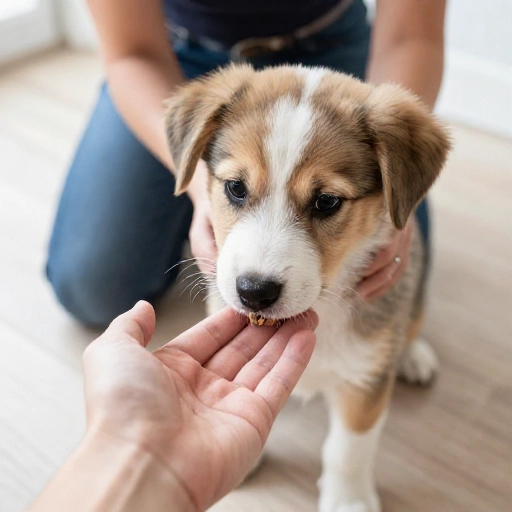
I use my puppy’s name only when good things happen. Say the name, then immediately give a tiny treat. Say it again, another treat. Keep sessions under 30 seconds.
I also hand-feed a few pieces of kibble during the day. It teaches gentle mouth manners and builds trust. My puppy learns that hands mean good things, not grabbing or forcing.
If they nip, I say “ouch” softly and pause for a second. Then I offer a toy instead. No yelling, no harsh corrections. Just redirection and patience.
9. Limit Visitors and Noise on Day One
I know everyone wants to meet the new puppy. But on day one, I keep the guest list to zero. The only people in the house are the people who live there.
No loud music, no TV blaring, no kids running in and out. I keep the volume low and the energy calm. This helps my puppy settle instead of staying on high alert all day.
If someone absolutely must stop by, they wait until day two or three. And even then, I ask them to sit quietly and let the puppy come to them. No picking up, no squealing.
10. Bedtime Routine: The First Night Alone
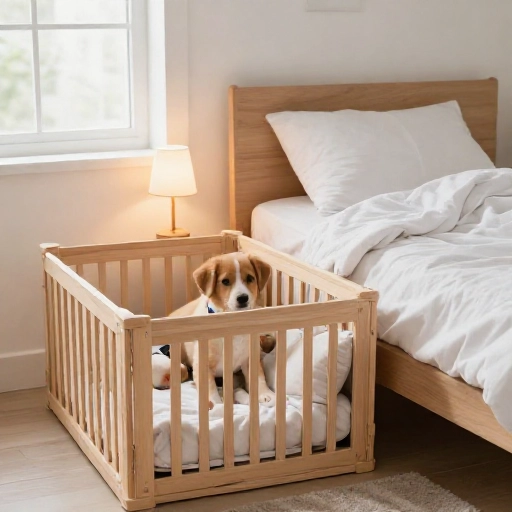
An hour before bed, I take away the water bowl and do one last potty break. Then I put my puppy in their crate with a soft toy and a piece of my clothing. I keep the crate right next to my bed for the first few nights.
I expect some crying. That’s normal. I don’t rush to open the crate. Instead, I put my fingers through the bars and speak softly. If the crying turns into panic, I take them out for a quick potty break, then put them right back.
A white noise machine or a ticking clock can help. So can a warm water bottle wrapped in a towel. The goal is comfort, not perfect silence.
Conclusion
The first day with a new puppy is not about training tricks or impressing anyone. It’s about safety, calm, and building the first tiny threads of trust. Keep things boring, gentle, and slow. That’s exactly what your puppy needs.
You will make mistakes. I still do. But if you lead with patience and a quiet voice, your puppy will learn that home is the safest place in the world. And that’s the best first-day win you can get.
Frequently Asked Questions
Q: Should I let my puppy sleep in my bed on the first night?
A: I don’t recommend it. A crate next to your bed gives comfort without creating a habit that’s hard to break later. You can always cuddle on the couch during the day.
Q: How often should I feed my puppy on day one?
A: Offer a small meal of the same food they were already eating. Two or three tiny meals are better than one big one. If they skip a meal, try again in a few hours.
Q: What if my puppy cries all night?
A: Some crying is normal. Stay calm, speak softly, and avoid opening the crate unless they need a potty break. Rushing in every time can teach them that crying equals freedom.
Q: Can I take my puppy outside for a walk on the first day?
A: No. Until they’ve had all their vaccines, keep them in your own yard or carry them. Parvo and other viruses can live in public soil. Potty breaks in a private spot are fine.
Q: When should I introduce my puppy to other pets?
A: Wait at least 24 to 48 hours. Let your puppy settle first. Then do slow, supervised introductions one pet at a time, with plenty of treats and escape routes.