How to Speak to Your Cat in a Way They Understand

How to Speak to Your Cat in a Way They Understand
Every cat parent knows that special look — the slow blink, the twitch of a tail, or that soft meow that feels like a conversation. Cats might not speak our language, but that doesn’t mean they don’t communicate deeply. They talk through subtle signals, tone, and trust. Learning how to speak to your cat in a way they understand can transform your relationship from companionship to true emotional connection.
Here’s how to communicate with your feline friend in a way that makes them feel seen, heard, and loved — because when you learn their language, they’ll start responding in ways that will melt your heart.

1. Understand Cat Body Language
Cats are masters of silent communication. Their tails, ears, eyes, and posture reveal exactly how they’re feeling. A raised tail means happiness and confidence, while a tucked one signals fear or uncertainty. If your cat’s ears are forward, they’re curious; flattened ears, on the other hand, mean they’re feeling threatened or annoyed.
Learning to read these signs helps you respond appropriately — giving your cat space when they need it or affection when they’re open to it. It’s the first step toward mutual understanding.
2. Use a Soft, Gentle Voice
Cats are incredibly sensitive to tone. They recognize your voice and respond more to how you say something than the words themselves. Speak to them softly and calmly, using a soothing tone. High-pitched or loud sounds can startle them, while gentle words build comfort and safety.
Try using their name in a soft, affectionate tone. Over time, they’ll associate your voice with love, security, and kindness — and they’ll come running when they hear it.
3. The Magic of the Slow Blink
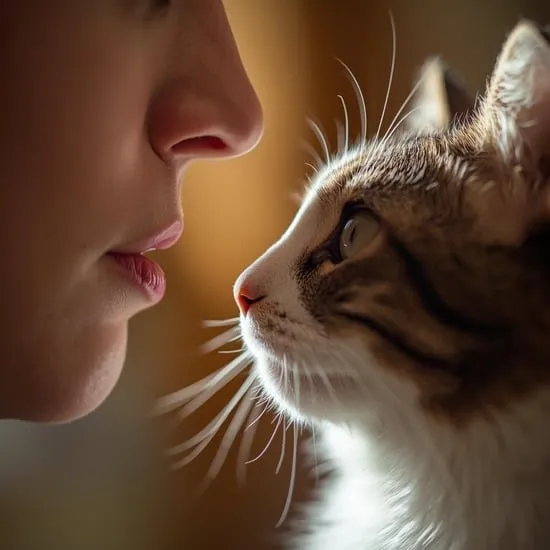
Have you ever noticed your cat staring at you, then slowly blinking? That’s a feline “I love you.” It’s their way of saying, “I trust you.” You can speak back in their language by slow blinking in return. Look into their eyes, blink slowly once or twice, then look away. You’ll often see your cat blink back or relax — that’s mutual trust in action.
4. Respect Their Space
Unlike dogs, cats aren’t always in the mood for attention. If your cat walks away or turns their head, they’re asking for space. Respect that. Forcing interaction when they’re not ready can damage trust. When you wait patiently, your cat learns that being near you is always their choice — and that choice builds a stronger bond.
5. Mimic Their Sounds
Cats communicate vocally through meows, chirps, and purrs. You can respond by gently mimicking their sounds. If your cat meows softly, try replying in a similar tone. It may sound silly, but it’s an effective way to build a sense of connection. They recognize your effort and often respond with affection or curiosity.

6. Use Their Name Positively
Never use your cat’s name in anger. When you call them, it should always mean good things — affection, playtime, or food. Cats quickly learn associations, and using their name with positive experiences makes them more likely to respond when you call.
Try pairing their name with gentle phrases like “good girl” or “sweet boy.” Soon, they’ll connect their name with warmth and love.
7. Watch Their Tail and Whiskers
A cat’s tail and whiskers are emotional antennas. A swishing tail means they’re irritated or playful, while whiskers pushed forward indicate curiosity. Paying attention to these cues helps you respond appropriately — avoiding petting when they’re overstimulated and playing when they’re engaged.
8. Create a Routine They Can Trust
Cats love consistency. Speaking to them also means communicating through your actions. Feeding, playing, and cuddling around the same time each day tells your cat they can trust you. Routine equals safety, and safety equals love in the feline world.
9. Let Touch Do the Talking
When your cat rubs against your legs or bumps their head against you, they’re marking you as family. Respond with gentle pets along their favorite spots — usually under the chin or behind the ears. Avoid the belly unless they clearly invite it, as that’s a vulnerable area.
Through gentle touch, you reinforce your love and deepen your emotional bond without needing words.
10. Listen — Truly Listen
Speaking to your cat isn’t just about making sounds — it’s about listening, too. Pay attention to their cues, meows, and routines. You’ll start noticing patterns — how they ask for attention, when they want to play, or how they say “goodnight” in their own little way.
When you listen with empathy, your cat feels understood. And in return, they’ll speak to you more openly — through blinks, purrs, and quiet companionship.
Final Thoughts
Learning how to speak to your cat in a way they understand is about more than communication — it’s about love. It’s about recognizing that your cat feels, trusts, and connects deeply with you. The more you speak their language, the stronger your bond grows.
So next time your cat looks at you, blink slowly, speak softly, and just be present. They’ll understand — because love, after all, needs no translation.