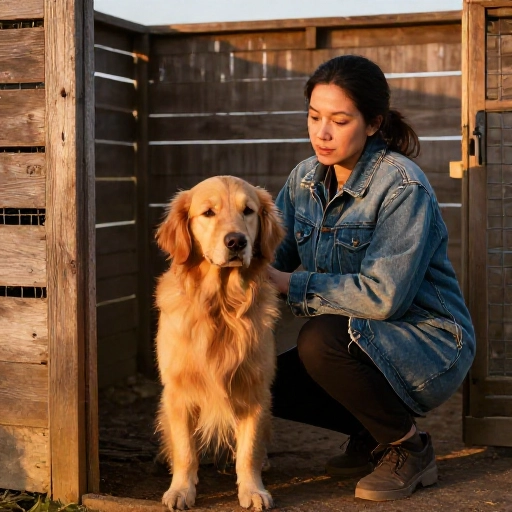
Dog Room Color Schemes That Feel Calm
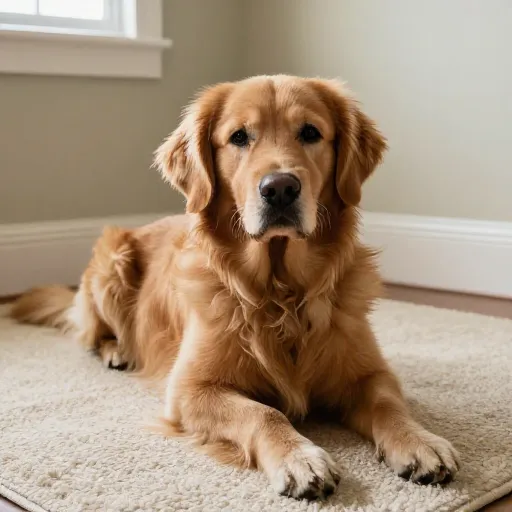
If your dog has a space of their own—whether it’s a corner in the living room, a mudroom nook, or a whole dedicated room—you want it to feel peaceful for both of you. I’ve learned that color plays a huge role in setting that tone. Bright reds or neon accents might look fun but can actually make an anxious dog more restless. Calm colors, on the other hand, can lower heart rates, encourage sleepy behavior, and make the space feel like a true retreat.
I’ve tested a bunch of palettes in my own home and talked to other pet owners who swear by certain shades. The trick is balancing what looks good to you with what feels soothing to your pup. Dogs see fewer colors than we do (they’re blue-yellow colorblind), so contrast and muted tones matter more than you’d think. Below are ten color schemes that have worked wonders for me—and my dog Charlie, who finally stopped pacing in his corner after we repainted.
Whether you’re painting walls, picking out a dog bed, or just adding accessories, these ideas will help build a calm, cozy space your dog will actually want to nap in. Let’s dive in.
1. Soft Sage & Cream
Sage green is my absolute go‑to for a calm room. It’s grounded and natural without being too dark. Paired with cream or off‑white, it feels airy but warm.
I painted Charlie’s crate wall a soft sage and added a cream canvas bed. The combination instantly made the space feel like a little forest retreat. Dogs seem to relax more in earthy greens—maybe because it reminds them of grassy naps outside.
Tip: Use sage on one accent wall and keep the rest cream. Add a few green throw pillows or a rug to tie it together.

2. Pale Blue & Warm Gray
Blue is a classic calming color for humans, and it works for dogs too—especially soft, powdery blues. Pair it with a warm gray (not a cold one) to avoid a sterile look.
I painted a large dog bed alcove in pale blue and used a light charcoal gray on the floor mat. Charlie immediately started spending his afternoons there. The blue seems to lower his energy, and the gray adds just enough grounding.
- Use matte finish paint to avoid glare.
- Add a gray blanket or two.
- Keep wall art minimal—maybe a simple blue and gray print.

3. Warm Beige & Dusty Rose
Beige sometimes gets a bad rap, but when it leans warm—think sand or oatmeal—it becomes a perfect neutral. Adding a touch of dusty rose makes it feel soft and gentle without being too pink.
I tried this in a reading corner where Charlie’s bed sits. The rose is so muted it almost looks like a warm blush. It’s not loud, and it actually makes the beige feel richer. Dogs relax in warm, skin‑like tones, and this combo is like a big, cozy hug.
I recommend a beige area rug with rose‑toned cushions. If you paint walls beige, add a rose throw for contrast.
4. Muted Lavender & Soft White
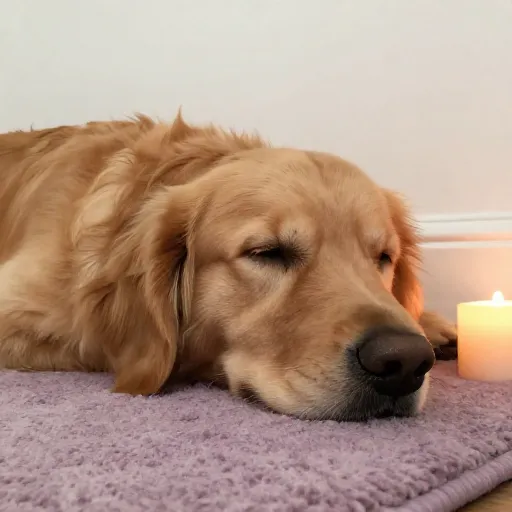
Lavender in a dog room might sound out there, but stay with me. A very light, almost grayish lavender is incredibly calming. It’s a cool tone that doesn’t feel cold, and white keeps it fresh.
I painted a small dog nook in lavender and used white trim. Charlie, who gets anxious during storms, actually settles faster in that spot now. It’s become his safe zone. I think the lack of high contrast helps—everything blends softly.
- Stick to lavender that looks gray in dim light.
- Balance with white or cream bedding.
- Avoid purple that’s too bright or “grape” colored.

5. Slate Blue & Natural Wood
Slate blue is deeper than a baby blue but still cool and serene. It pairs beautifully with natural wood tones—think oak or bamboo shelves, crate tops, or even a wooden toy bin.
I used this in Charlie’s feeding area. The slate blue on the wall behind his bowls feels clean but not harsh. The wood adds warmth and a touch of nature. Dogs seem to respond to organic textures, and the blue keeps everything low‑energy.
Try a slate blue accent wall with a wooden dog bed frame. Add a woven basket for toys.
6. Cream & Terracotta (Muted)
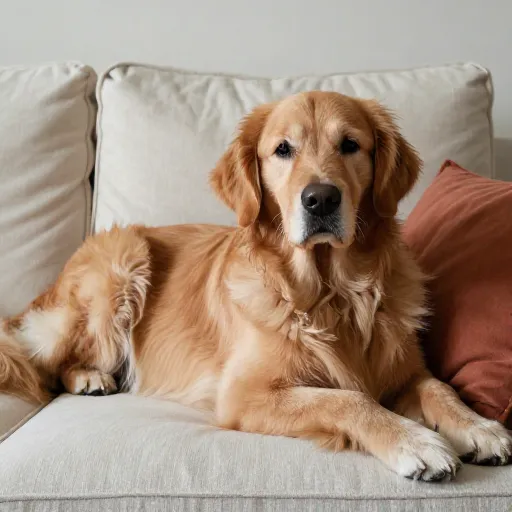
Terracotta can scream “Southwest bold,” but when you go with a muted, almost dusty version, it becomes a warm, calming earth tone. Cream is your base; terracotta is the accent.
I brought in a terracotta cushion for Charlie’s bench. The cream walls never felt boring because the terracotta added a subtle pop without overstimulating. It’s a great option if you want a little color but not a full on bright palette.
- Use terracotta on pillows or a small rug, not the walls.
- Keep lighting warm to enhance the earthy feel.
- Pair with cream or beige walls.

7. Soft Taupe & Ivory
Taupe is like the perfect middle ground between gray and beige. When it’s soft, it reads as a cozy neutral. Ivory adds brightness without being stark. Together, they make a room feel hushed and restful.
I redid Charlie’s entire room (yes, he has a small room) in soft taupe walls and an ivory rug. He used to pace by the door when there were loud noises outside. Now he just flops onto his taupe bed. The monotone calmness works wonders.
Stick to different textures—a taupe bouclé bed, an ivory cotton throw—to keep it interesting.

8. Milky White & Light Oak
Sometimes the most calming scheme is the simplest. Milky white—not bright white, but a soft, slightly creamy white—paired with light oak wood. The key is to add warmth with the wood so the white doesn’t feel clinical.
I installed a light oak shelf above Charlie’s white bed. The natural grain breaks up the white, making the space feel organic and airy. Dogs with separation anxiety seem to relax more in open, uncluttered spaces. This scheme does exactly that.
- Choose an oak that’s blond or honey‑toned.
- Add a white woven bone basket for toys.
- Keep walls the milky white, use wood for furniture.

9. Dusty Gray & Sand
Gray can be cold, but a dusty gray—one that has a hint of brown or green—feels like a shady rock. Pair it with a sandy, almost pale yellow‑beige and you get a calm, grounded look.
I painted the lower half of Charlie’s play area in dusty gray and left the top half sand. It created a nesting feel without making the room feel smaller. Charlie often curls into the gray corner. It’s become his favorite nap spot.
Use a sandy colored dog mat and a gray blanket to double down on the scheme.
10. Pale Olive & Chamois
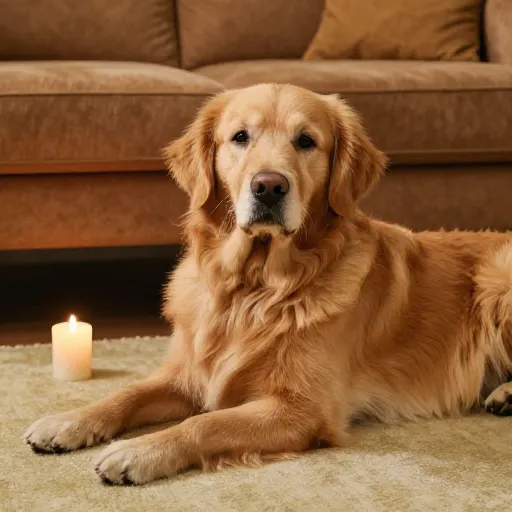
Pale olive is green with a slight yellow undertone, but it’s very muted. Chamois is a soft, warm yellow‑beige (like a deer’s coat). Together they feel like a gentle sunlit meadow.
I added a pale olive throw over Charlie’s chamois bed. The combination is so soft that I often fall asleep next to him. The earthy harmony seems to put both of us in a relaxed state. Great for dogs that get hyper around visitors—the color softens the visual chaos.
- Olive on walls or a large pillow; chamois on the bed.
- Add a small plant for a natural touch.
- Keep noise levels low—colors alone can’t fix everything.
Bringing It All Together
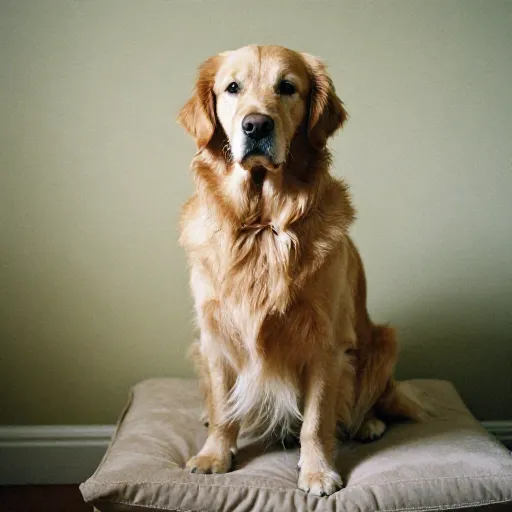
Calm dog rooms are not just about the paint shade—they’re about the whole feel. I’ve found that sticking to two main colors, keeping contrast low, and using soft textures makes the biggest difference. Test your color choices with a large swatch and watch your dog’s behavior for a few days. If they settle quickly, you’ve nailed it.
Don’t be afraid to mix ideas from these schemes. Maybe you love the sage and cream but want to add a touch of dusty rose. Go for it. Your dog’s space should adapt to both your styles. And remember, calm colors help you, too. A peaceful dog room means a peaceful mind—for everyone.
Frequently Asked Questions
1. What color calms dogs the most?
Blue and green tones, especially muted versions like sage or slate, are widely considered calming. Dogs see blue and yellow well, so soft blues and warm yellows (like chamois) can be soothing without overstimulating their vision.
2. Should I paint the whole room or just one accent wall?
Accent walls work great if you’re unsure about the color. Many calm schemes feel best with a single focal wall behind the dog’s bed or feeding area. Painting the whole room in a very pale shade is also safe—just be consistent.
3. Can I use wallpaper instead of paint?
Absolutely. Subtle textures or very faint patterns (like linen or grasscloth) can enhance the calm vibe. Avoid large, busy patterns—they might make a dog feel visually overwhelmed. Stick to simple, nature‑inspired repeats.
4. What about the ceiling? Do I need to paint it?
If your room is small or your dog spends a lot of time looking up (maybe from a crate), a light, neutral ceiling is best. White or very pale cream helps the room feel open and airy, which contributes to calmness.
5. How do I introduce a new color scheme without redoing everything?
Start small: swap out the dog bed cover, pillows, or a rug. Add a color‑matched toy basket. You can also try a removable peel‑and‑stick wall decal in a calm shade. Move gradually and see how your dog reacts before committing to paint.