Dog Shampoo vs Human Shampoo: Why I’d Never Swap Them (Even in a Pinch)
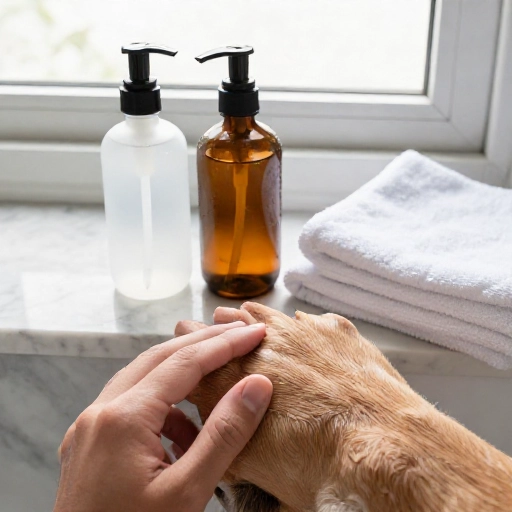
I’ll be honest — there was a rainy Tuesday when my dog rolled through something unmentionable, and I stood in the bathroom holding my own bottle of shampoo, wondering if it really mattered. It’s just soap, right?
It turns out it matters a lot. Dog skin and human skin are built on completely different rules, and the shampoo that leaves my hair soft can leave my dog itchy, flaky, and uncomfortable for weeks.
So if you’ve ever been tempted to grab the nearest bottle “just this once,” here’s everything I learned about why dog shampoo exists in the first place — and what to do when you’re caught without it.
Your Dog’s Skin Sits at a Totally Different pH
Human skin is naturally acidic, hovering around a pH of 5.5. My dog’s skin is much closer to neutral, sitting somewhere between 6.5 and 7.5 depending on the breed.
That gap sounds tiny, but it’s everything. The acid mantle on our skin is like a shield that keeps bacteria and yeast in check. When you wash a dog with a product made for pH 5.5, you tilt that shield the wrong way.
One bath probably won’t cause a disaster. But as a routine, you’re slowly breaking down the barrier that keeps your dog’s skin balanced — and that’s when problems start showing up.
Human Shampoo Was Built to Strip Oils — Dogs Need Some of Those Oils
Most human shampoos are designed to remove excess sebum and product buildup. That’s the whole point. My hair feels clean because the oils are gone.
Dog coats work on a different system. They produce natural oils that condition the coat, keep it water-resistant, and protect the skin underneath. Those oils aren’t a problem to solve — they’re a feature.
Wash a dog with a stripping formula and you get a dry, dull coat, flaky skin, and a dog who scratches all evening. Then the body panics and overproduces oil to compensate, so the coat looks greasy a few days later. It’s a loop that’s hard to break.
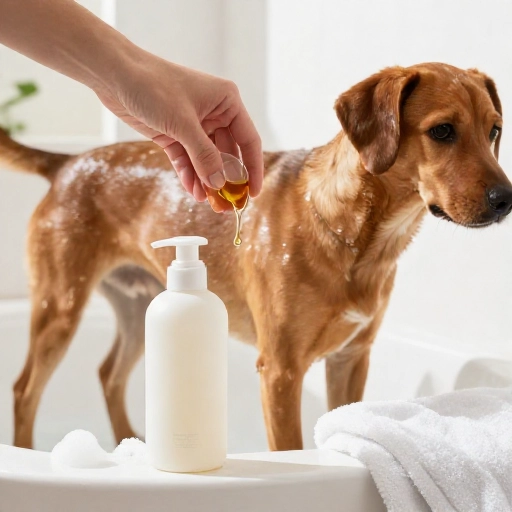
The Ingredients That Are Fine for Us But Not for Them
Reading the back of my shampoo bottle was genuinely eye-opening. Some common ingredients don’t belong anywhere near a dog:
- Tea tree oil and essential oils — great in human formulas, but many are toxic to dogs when ingested through grooming or licking.
- Salicylates — the same ingredient family as aspirin, which dogs process very differently than we do.
- Artificial fragrance and sulfates — harsh on their skin barrier and often the culprit behind itching.
- Zinc pyrithione and coal tar — found in dandruff shampoos, and risky for dogs who groom themselves.
And here’s the sneaky part: dogs lick themselves. Whatever sits on their coat ends up in their mouth, which means your “gentle” shampoo is now something they’re eating.
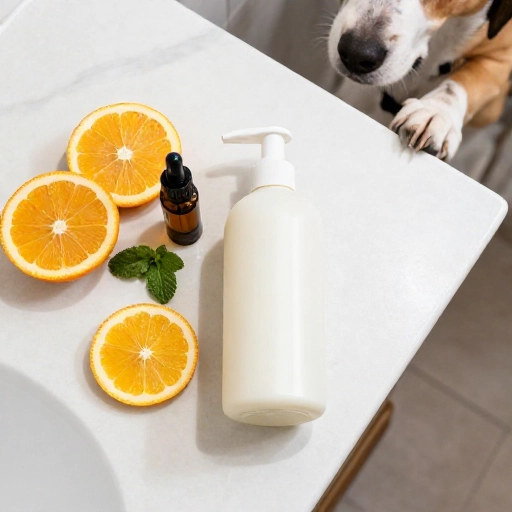
Itchy, Red, Flaky Skin Doesn’t Show Up Overnight
The frustrating thing about using the wrong shampoo is how slowly the damage shows. Nothing dramatic happens after bath one.
By bath three or four, though, I started noticing my dog chewing at his paws and scratching behind his ears more than usual. His skin looked a little pink where it should’ve been pale.
That’s the pattern with barrier damage — it’s cumulative. And once the skin is compromised, yeast and bacteria move in, which means a vet visit instead of a simple bath. A cheap shortcut quickly turns expensive.
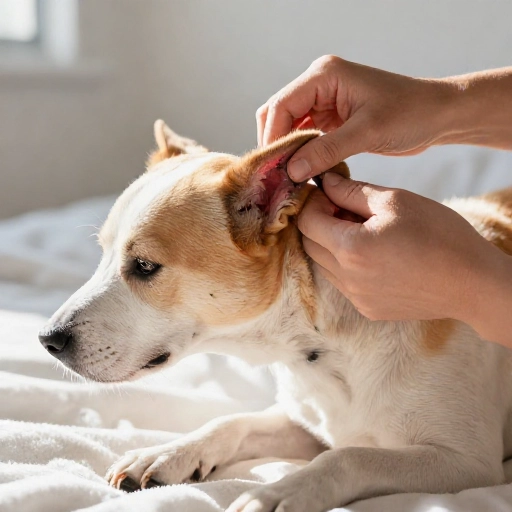
“Natural” and “Gentle” on a Human Bottle Mean Nothing for Dogs
I used to think the gentler my shampoo, the safer it was for my dog. Not true. Marketing words like natural, botanical, and gentle are written for human hair, not canine skin.
Plenty of “natural” human shampoos are packed with plant extracts and essential oils that irritate dogs or worse. Lavender, citrus, peppermint, eucalyptus — all lovely in my shower, all questionable on my dog.
The only label that matters here is one that says it’s formulated for dogs. Anything else is a guess, and my dog’s comfort isn’t something I want to gamble with.
Dog Shampoo Is Matched to Coat Type — Human Shampoo Isn’t
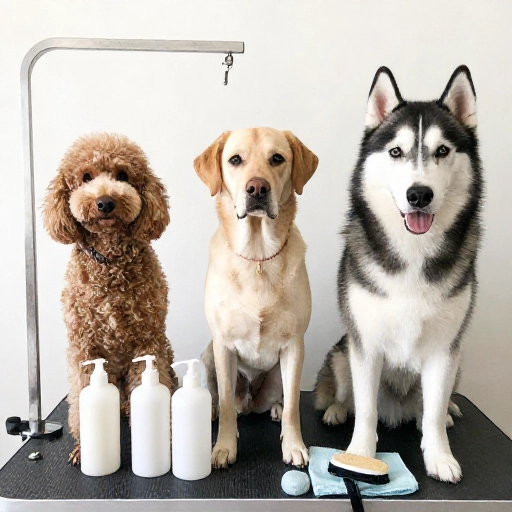
This was the detail that really sold me. Dog shampoos come in variations for different coats and skin needs: oatmeal for sensitive skin, medicated options for itching, formulas for double coats, puppy-specific blends, and whitening versions for light fur.
There’s no human equivalent for a double-coated husky blowing their undercoat or a pug with skin folds that need gentle cleansing.
Human shampoo is essentially one-size-fits-all for a species with one hair type. Dogs have dozens. That mismatch alone makes it a bad routine swap.
What to Do in a Genuine Emergency
Say your dog found something truly disgusting and you have no dog shampoo in the house. I’ve been there. Here’s what I do instead of reaching for my own bottle:
- Rinse with warm water first — often that alone removes most of the mess.
- Use a small amount of plain, fragrance-free dish soap diluted heavily with water for a grease emergency.
- Skip the conditioner completely. Dogs don’t need it.
- Rinse longer than feels necessary to get every trace out.
That’s a one-time rescue, not a plan. The next day, order the right shampoo.
The Real Difference Between a Slip-Up and a Habit
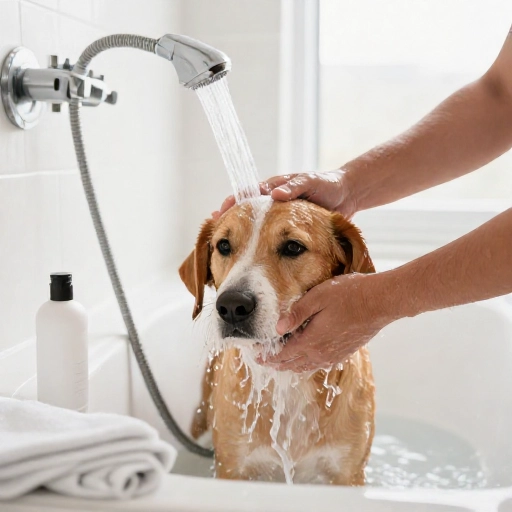
If you’ve already used human shampoo on your dog once, take a breath. One bath isn’t a crisis.
The real risk is habit. Using it every few weeks because it’s convenient, or because the bottle is right there — that’s when skin problems become chronic and hard to untangle.
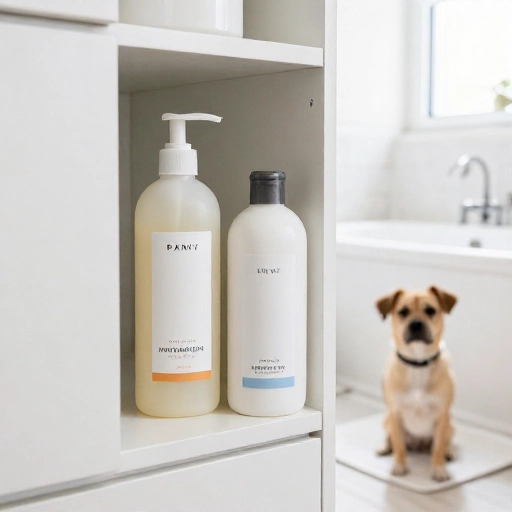
I keep a dedicated dog shampoo in the bathroom cabinet now so I’m never tempted by my own. Removing the option removed the problem.
How to Pick a Dog Shampoo Worth Keeping Around
After going down this rabbit hole, here’s my short checklist for a good bottle:
- Made specifically for dogs — the label should say so clearly.
- pH balanced for canine skin, not human skin.
- Short ingredient list with no essential oils or heavy fragrance.
- Matched to your dog’s coat and skin situation.
- Easy to rinse out completely.
If your dog has ongoing itching, hotspots, or hair loss, talk to your vet before choosing. Sometimes the right answer is a medicated shampoo, not a prettier one.
Bath-Time Habits That Protect Their Skin
Good shampoo only goes so far if the routine around it is rough. A few things I changed that made a real difference:
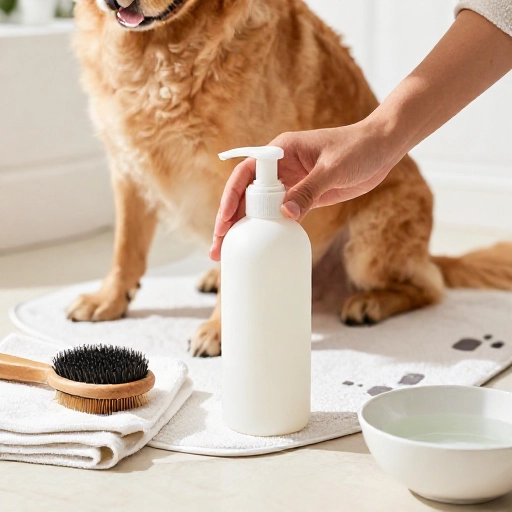
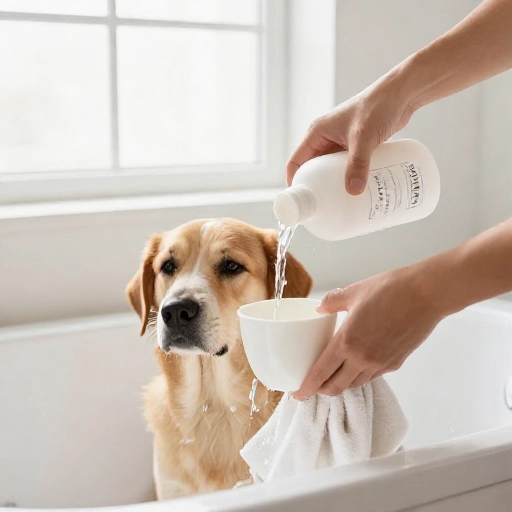
I bathe my dog every four to eight weeks at most, unless something messy happens. I use lukewarm water, not hot. I dilute the shampoo before applying and work it in gently with my hands instead of scrubbing.
Then I rinse, rinse, rinse — leftover shampoo is one of the most common causes of post-bath itching. A soft towel dry and a treat at the end keeps the whole thing low-stress.
The Bottom Line
Human shampoo and dog shampoo aren’t interchangeable, and it’s not a marketing trick to sell you a second bottle. Different pH, different oils, different ingredient tolerance — the whole formulation is built for a different species.
Buying the right shampoo costs a few dollars more and takes the same amount of time in the tub. What it saves you is a dog who isn’t scratching all night, and possibly a vet bill you didn’t plan for.
Keep a dog-specific bottle on hand, use it properly, and your dog’s coat will show you the difference within a few washes.
Frequently Asked Questions
Can I use human shampoo on my dog just once?
Yes, one accidental bath is unlikely to cause lasting harm. Rinse thoroughly and keep an eye on their skin for a few days. Just don’t let “once” turn into your go-to routine.
What if my dog already has itchy skin from the wrong shampoo?
Stop using it immediately and rinse the coat well with warm water. If the itching lasts more than a couple of days, or you see redness, scabs, or hair loss, check in with your vet.
Is baby shampoo safe for dogs?
It’s gentler than adult shampoo, but it’s still made for human pH and often contains fragrance. It’s a last-resort emergency option, not a regular substitute.
How often should I actually bathe my dog?
Every four to eight weeks works for most dogs. Dogs with skin conditions or certain coat types may need a different schedule, so ask your vet if you’re unsure.
Does dog shampoo work on humans?
Technically it won’t hurt you, but it’s formulated for a more neutral pH, so it may leave your hair feeling flat or greasy. Best to keep the bottles separate.