10 Outdoor Dog Potty Area DIY Ideas That Actually Look Good
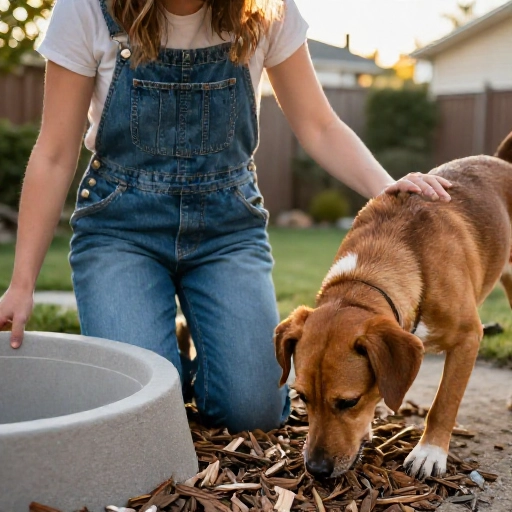
My dog has a favorite spot in the yard, and honestly, it wasn’t the spot I picked. That’s how this whole project started. I got tired of brown patches, muddy paws, and that awkward “please don’t step there” warning I had to give every guest.
So I went down the DIY rabbit hole and tried a bunch of setups. Some were a total flop (looking at you, gravel that my pup refused to touch). Others turned out so well that friends now ask me to help build theirs.
Here are 10 outdoor dog potty area ideas that are simple to build, easy to clean, and don’t make your backyard look like a kennel. Pick one, grab a weekend, and you’re set.
1. The Classic Mulch and Border Bed
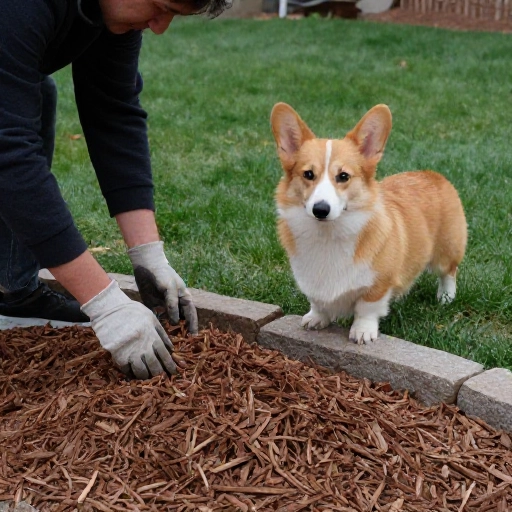
This is the one I recommend for beginners because it costs very little and takes about two hours. Pick a corner of the yard your dog already uses, then clear the grass and lay down a thick layer of chunky mulch or wood chips.
Add a simple border with pavers or pressure-treated timber to keep the mulch from wandering into your lawn. I used leftover brick from a patio project and it looked intentional instead of thrown together.
A quick tip: go with larger chips, not fine shavings. Big pieces don’t stick to wet paws as badly, and they rinse off with a hose when things get smelly.
2. Pea Gravel With a Hidden Drain Base
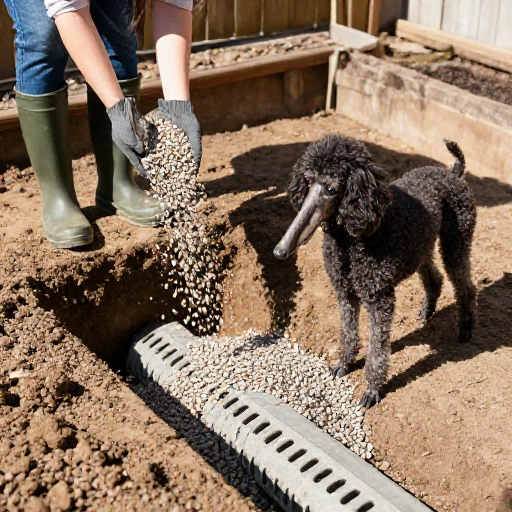
If your yard floods every spring like mine does, drainage is everything. Dig out about four inches, tamp the soil, then add a layer of coarse rock before topping it with pea gravel.
The gravel lets liquid drain down instead of turning into a swamp. I also lined the sides with landscape fabric so weeds don’t creep in.
One warning: some dogs hate walking on loose pea gravel at first. Sprinkle a few treats on it for a week and most pups come around fast.
3. Artificial Turf Potty Patch
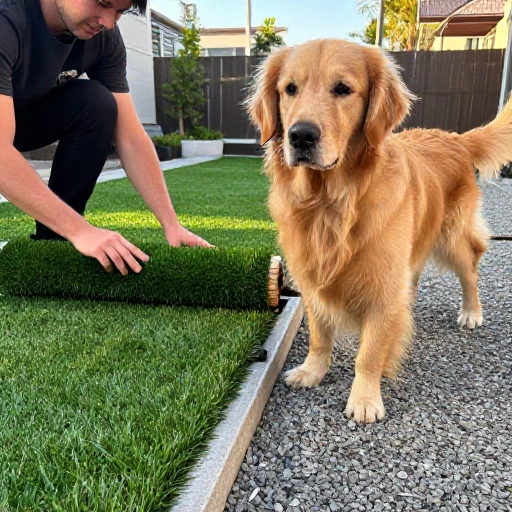
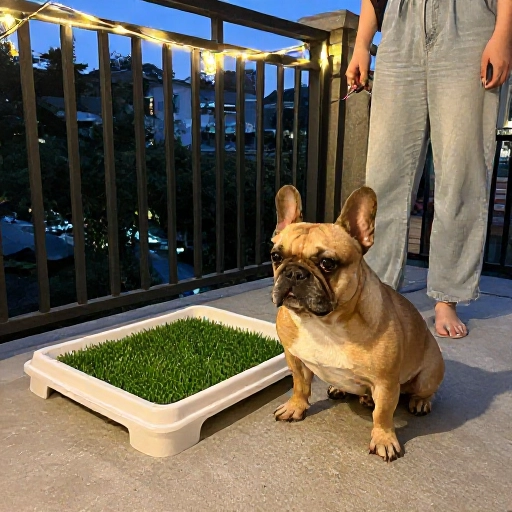
This is the cleanest-looking option, and it’s the one I get the most questions about. A small section of pet-friendly artificial turf stays green all year and never turns into a mud pit.
Cut it to size, lay it over a base of compacted sand, and add a removable tray underneath if you want easy rinsing. Mine gets hosed down twice a week and rinsed with a pet-safe cleaner once a week.
It’s the priciest option on this list, but if you have a small yard or a balcony-sized space, it earns its keep.
4. A Sand Box Style Dig and Potty Zone
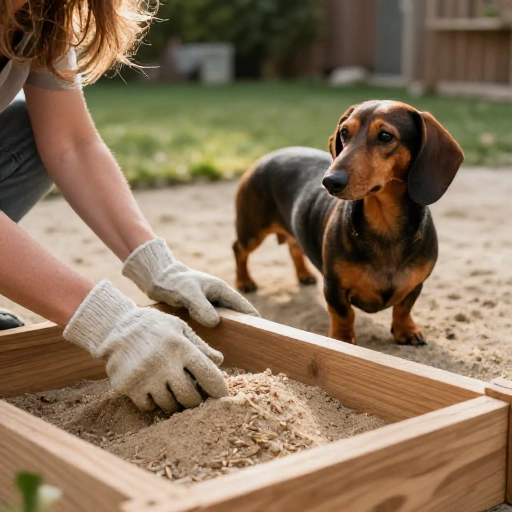
Some dogs want to dig before they go. Instead of fighting it, give them a designated sand area and let them have at it.
Build a simple framed box with four boards, line the bottom with weed barrier, and fill it with washed play sand. It drains well, rakes smooth in seconds, and keeps the digging away from your flower beds.
Rake it daily and scoop solids right away. Sand hides nothing, so staying on top of it is the whole trick.
5. The Paver Pad With a Fake Fire Hydrant
Want something that looks like actual landscaping instead of a dog zone? Lay a square of pavers, add a little mulch ring around it, and drop in a decorative fire hydrant.
My dog figured it out on day one, mostly because the hydrant gave him a target. It also gives the area a clear visual boundary, so guests instantly know what that corner is for.
Set the pavers on a bed of sand so they don’t shift, and leave tiny gaps between them for drainage.
6. A Raised Potty Planter for Small Dogs
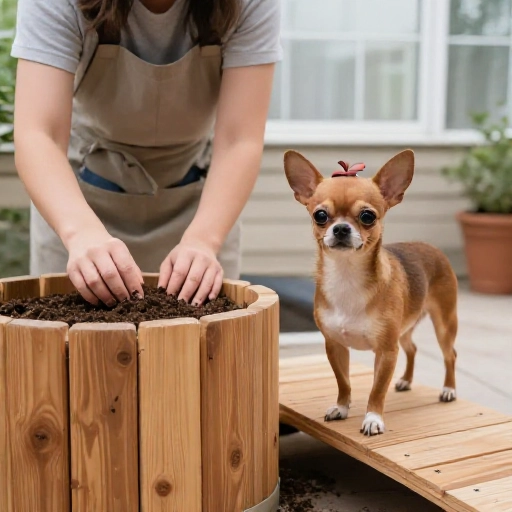
If you have a small breed or a senior dog with stiff joints, bending down into the grass can be uncomfortable. A raised bed about six to eight inches high solves that.
Build a low wooden frame, line it, and fill it with the surface your dog prefers. I used turf on top of a gravel base for a friend’s dachshund and it worked beautifully.
It’s also a lifesaver if you have a bad back and don’t want to crouch down every morning at 6 a.m.
7. The Mulch Path With a Pee Post
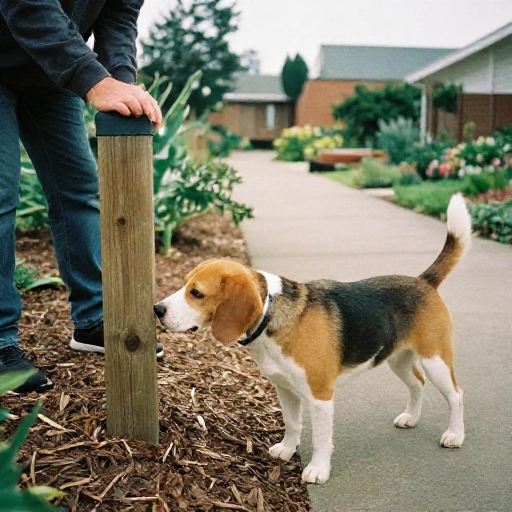
Dogs love to mark vertical things, so give them one. A cedar post, a small shrub stump, or even a sturdy stake planted in mulch gives them a clear place to aim.
I set mine in the middle of a mulch circle, then surrounded it with a ring of larger stones. It looks like a garden feature and it keeps the pee concentrated in one spot instead of scattered across the lawn.
Bonus: cedar and other natural woods help neutralize odor, which your nose will thank you for in July.
8. A Shade-Friendly Corner Under a Tree
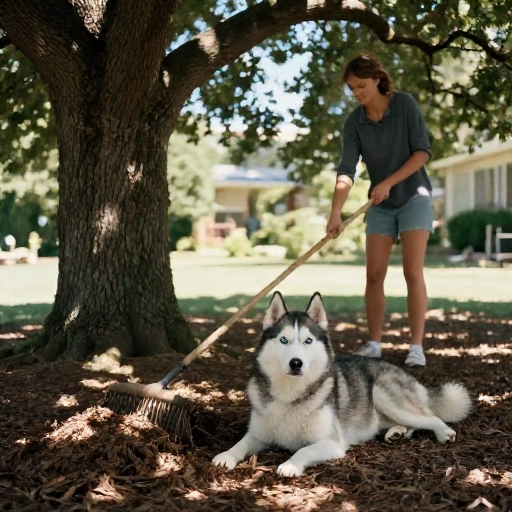
Hot pavement and full sun are rough on paws. If you already have a shady corner, use it.
Clear the ground, add mulch or turf, and place a small water bowl nearby. I keep a cheap plastic watering can there so I can rinse the area without dragging the hose across the yard.
Just avoid building directly against the trunk. Leave a foot or two of space so you don’t smother the roots.
9. The In-Ground Drain and Rinse Station
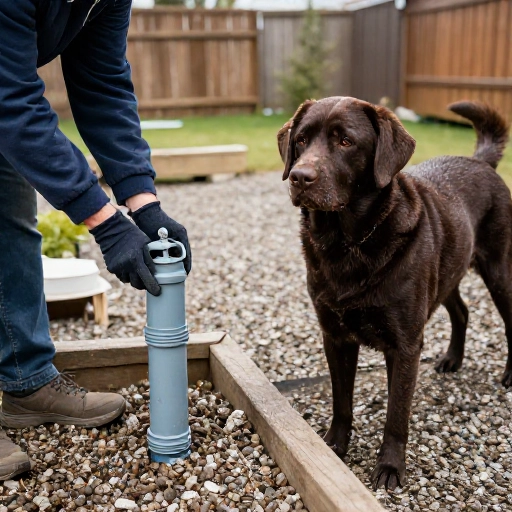
This one is for the ambitious DIY crowd. Bury a small drainage basin in the center of your potty area, cover it with a grate, and top it all with gravel or turf.
Hooking up a short hose bib nearby makes cleanup almost effortless. I rinse, the water drains, and nothing pools on the surface.
It takes a weekend and a little digging, but if you have multiple dogs, it’s worth every blister.
10. A Portable Potty Spot for Renters
Not everyone can dig up the yard. If you rent, this is your answer.
Use a large plastic kiddie pool or a shallow storage bin, drill a few drainage holes in the bottom, and fill it with turf or gravel. Set it on the patio, and you’re done in fifteen minutes.
When you move, you dump the fill and take the bin with you. No landlord conversations required.
My Final Thoughts
You don’t need a big budget or a contractor. The best dog potty area is the one your dog actually uses, and most of these builds cost less than a nice dinner out.
Start with the spot your dog already picks, add drainage, and keep a cleaning routine. Do those three things and you’ll have a yard that works for both of you.
Frequently Asked Questions
How big should a dog potty area be?
For a small dog, about 3×3 feet works. Medium and large dogs do better with 5×5 feet or more, especially if they like to circle before going.
What surface is easiest to clean?
Artificial turf and smooth gravel are the easiest. Both rinse clean with a hose and don’t hold onto moisture the way fine mulch can.
How often should I clean it?
Scoop solids daily and rinse the surface at least once a week. In hot weather, a pet-safe enzyme cleaner once or twice a week keeps odors down.
Will my dog use it if I build it?
Usually, yes, but only if you make it appealing. Take your dog there on a leash, reward them the first few times, and don’t remove their old favorite spot right away.
Can I use wood mulch instead of gravel?
You can, but choose chunky hardwood chips over fine shavings. Fine mulch sticks to paws and breaks down faster, which means you’ll be replacing it sooner.