How Dog Sitting Accidentally Made Me Healthier (And It’s Not Just The Walks)
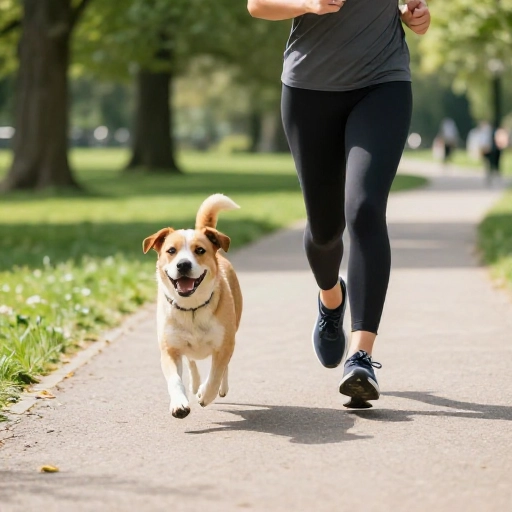
I never planned to get fit by watching other people’s dogs. I just wanted to help a friend who was traveling for work. But after a few weeks of daily dog sitting, I realized my body had changed. My step count was up, my back hurt less, and I was sleeping better. It turns out, caring for a pup is a sneaky, joyful way to boost your health.
If you’ve been looking for a reason to move more without the dread of a gym session, dog sitting might be your answer. It’s not just about the cute photos (though those help). It’s about a routine that gently pushes you to be active, mindful, and present. Here are ten ways it works wonders for your health and fitness.
1. You Walk More Without Thinking About It
I used to skip walks because I was “too busy.” But when you have a dog sitting gig, that excuse disappears. The dog needs to go out, rain or shine. You start with a quick loop around the block, and soon you’re exploring nearby trails just to keep them happy.
Before you know it, you’re logging 8,000 to 10,000 steps a day without any planning. It’s movement that doesn’t feel like exercise. Your legs get stronger, your endurance improves, and you barely notice the effort.
2. It Gives You A Gentle Morning Routine
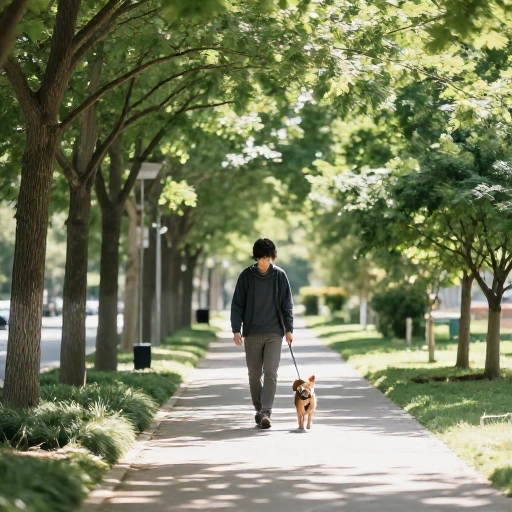
Waking up early used to mean hitting snooze three times. But when a dog is waiting for breakfast and a potty break, you get up. That early morning walk gets sunlight in your eyes, which helps set your body’s natural clock.
I started feeling more alert by 8 AM. My sleep schedule became regular. It wasn’t a boot camp—it was just a small, consistent habit that pulled me into a healthier day.

3. You Stretch And Move In New Ways
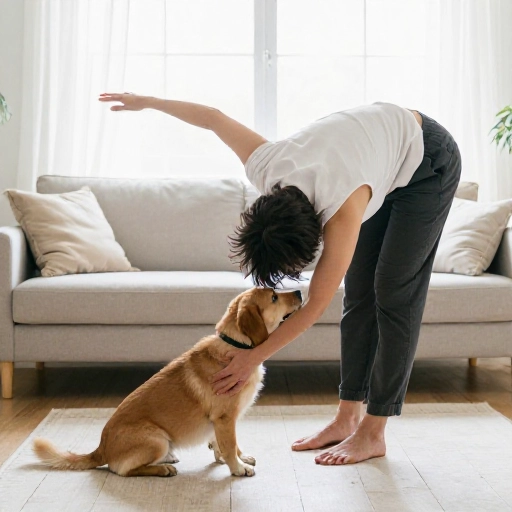
Dogs love to play fetch, tug, and roll around on the floor. To keep up, you find yourself bending, squatting, and twisting in ways you normally wouldn’t. Picking up toys, crouching to give belly rubs, or reaching for a flying disc all count as movement.
These small, playful motions improve flexibility and loosen tight joints. I noticed my lower back felt less stiff after a week of dog sitting. It’s like a low-key yoga class, except the instructor has fur and wags its tail.
4. It Lowers Your Stress In Real Time
There’s something about petting a dog that instantly calms a racing mind. When I felt overwhelmed, I’d sit on the floor and just breathe with the dog. Their steady heartbeat and soft fur brought my own heart rate down.
Studies show that interacting with dogs lowers cortisol. For me, it just felt like a break from my own worries. Dog sitting gave me permission to pause, even for five minutes. That mental reset kept me from stress eating or zoning out on my phone.

5. You Get A Built-In Accountability Buddy
I can ignore my own goals. I can’t ignore a dog staring at me with a leash in its mouth. Dog sitting forces you to stick to a schedule—meal times, walks, play breaks. That structure naturally extends to your own habits.
I found myself drinking more water because the dog needed fresh water too. I ate my meals at regular times because the dog needed to eat. It’s a gentle nudge toward better routines without any pressure.

6. It Gets You Outside In Any Weather
I used to stay indoors on cloudy or drizzly days. But dogs don’t care about the forecast. They need to go out, so you put on a jacket and go with them. That fresh air, even when it’s cold, wakes up your lungs and clears your head.
Being outside for 20 minutes a day, in any weather, boosts your mood and vitamin D levels. I stopped dreading rainy walks. They became a chance to see my neighborhood from a different, cozier perspective.

7. You Get Light Strength Training Without Weights
Holding a leash while a strong dog pulls, carrying a bag of dog food, or lifting a heavy pup into the car—all of these engage your muscles. It’s not heavy lifting, but it’s consistent, functional strength work.
My arms and shoulders felt more toned after a few weeks. Even squatting down to pick up toys counts as a mini workout. Dog sitting sneaks in resistance training that feels natural, not forced.

8. It Improves Your Balance And Coordination
Dogs are unpredictable. They dart after squirrels, stop suddenly to sniff, or weave around your legs. To stay upright, you constantly adjust your footing. This improves your balance and reflexes over time.
I noticed I felt steadier on hikes and less clumsy in daily life. It’s not something you think about, but your body learns to react faster. That’s a huge win for preventing falls, especially as we get older.

9. It Encourages Mindful Eating
When you’re dog sitting, you have to eat around their schedule. That meant I stopped mindless snacking in front of the TV. Instead, I sat down for proper meals when the dog had their dinner.
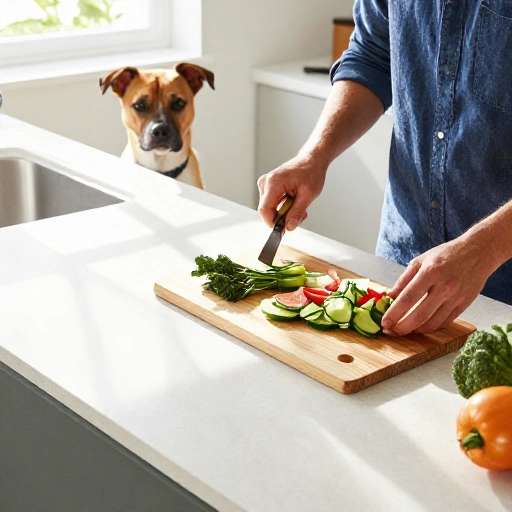
I also started preparing simpler, healthier food because I didn’t want to spend a lot of time cooking while also keeping an eye on a playful pup. It just made me more intentional about what I put in my mouth.
10. It Boosts Your Mood And Social Connections
Walking a dog automatically makes you more approachable. People smile, stop to chat, and ask about the dog. Those tiny social interactions lift your mood and fight loneliness. I met neighbors I’d never talked to before.
Plus, the dog’s silly antics make you laugh. That laughter releases endorphins. Dog sitting turned my grumpy afternoons into lighter, happier ones. That emotional wellness is just as important as physical fitness.

Conclusion
Dog sitting isn’t just a favor for a friend. It’s a genuine, low-pressure way to improve your health. You move more, stress less, and build small habits that stick. The best part? You don’t have to own a dog to get these benefits. Next time someone asks you to watch their pup, say yes. Your body and mind will thank you.
[[IMG:IMG12]]
Frequently Asked Questions
Q: How many steps can I expect from dog sitting?
A: It depends on the dog’s energy level, but most sitters get between 5,000 and 10,000 steps per day just from walks and play. Some high-energy breeds will push you even further.
Q: Is dog sitting safe for people with back problems?
A: Yes, but be mindful. Use proper form when bending to pick up toys or lift a dog. Start with smaller or calmer dogs if you have concerns. The gentle movement can actually help strengthen your back over time.
Q: Can dog sitting help with anxiety?
A: Absolutely. The routine, physical activity, and companionship all help lower anxiety. Many people find that focusing on a dog’s needs gives their mind a break from their own worries.
Q: Do I need to be fit to start dog sitting?
A: Not at all. You can start with low-energy dogs or short walks. The fitness benefits come gradually. Listen to your body and choose dogs that match your current activity level.
Q: How often should I dog sit to see health benefits?
A: Even a few days a week can make a difference. Consistency matters more than intensity. A long weekend of dog sitting can already reset your sleep and activity habits.