How to Speak to Your Cat in a Way They Can Understand
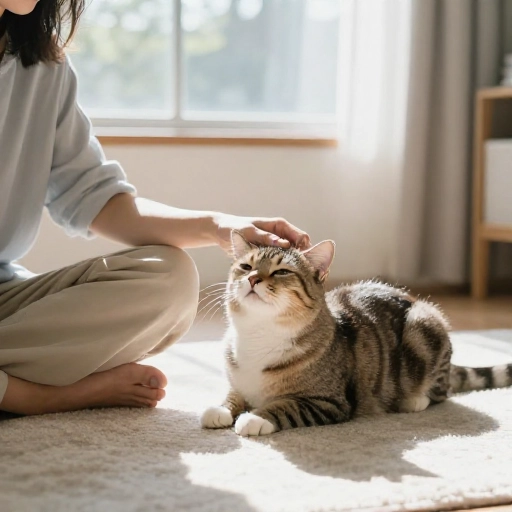
I used to think my cat was just ignoring me, but the truth is we were speaking different languages. Cats are subtle creatures, and they communicate mostly through body language, tone, and routine. Once I started paying attention to how they naturally talk to each other, our whole relationship changed.
Here’s the good news: you don’t need special training or catnip to get through to your feline friend. You just need to slow down, watch closely, and adjust how you say things. Let’s walk through the small shifts that make a big difference.
1. Use a Soft, High-Pitched Voice
Cats respond better to a gentle, higher pitch. That’s why your cat perks up when you baby talk them. They associate soft tones with safety and affection.
Try this: lower your volume and raise your pitch just slightly. Think of how a mother cat calls her kittens. Avoid loud, harsh sounds, as they trigger fear. A calm voice says, “You are safe with me.”
I’ve noticed my cat blinks slowly when I speak this way, which is their version of a smile. That’s a good sign you’re doing it right.
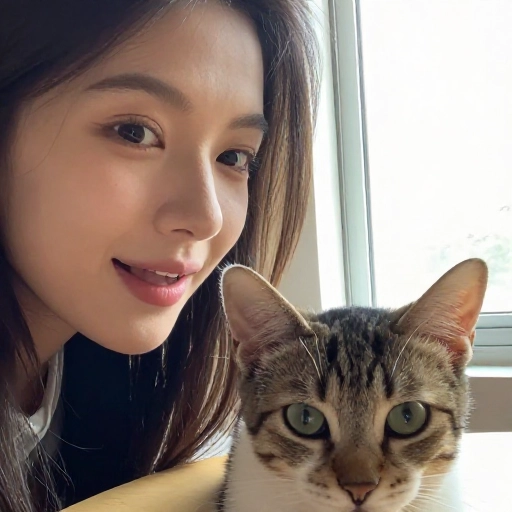
2. Slow Blink to Say “I Trust You”
In cat language, a slow blink is like a hug. When you look at your cat and slowly close and open your eyes, you’re telling them you’re not a threat.
Hold their gaze gently, then blink. Wait for them to blink back. This builds trust over time.
I started doing this with my shy rescue cat. Within weeks, she’d slow blink at me from across the room. It’s our secret little greeting now.
3. Keep Your Movements Predictable
Cats notice everything. Sudden movements can make them nervous, even if you’re just reaching for a toy.
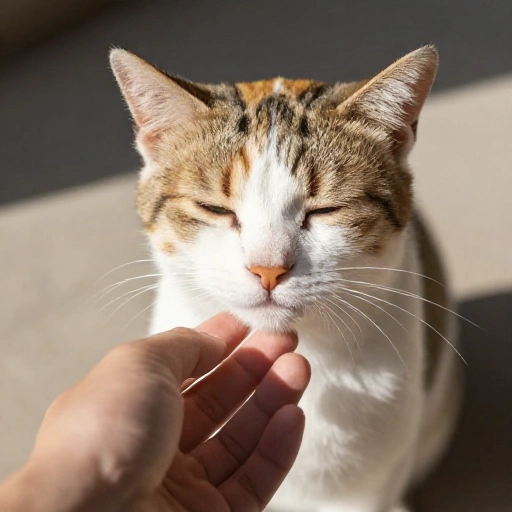
Move slowly and deliberately. If you want to pet them, offer your hand first, palm down, and let them sniff. This is how cats introduce themselves to each other.
Think of it like this: you’re not a guest barging in, you’re a polite visitor waiting for an invitation. That small pause changes everything.
4. Match Their Energy Level
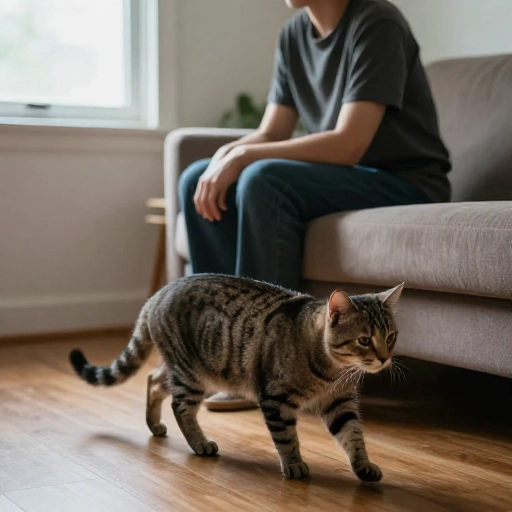
If your cat is sleepy and you’re hyper, they’ll feel confused. Instead, mirror their energy. If they’re calm, be calm. If they’re playful, match that energy with gentle movements.
This creates harmony. Your cat will feel seen and understood, not overwhelmed.
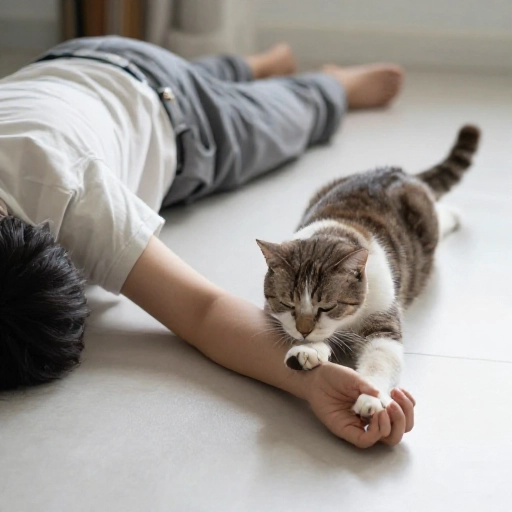
When I come home, I wait for my cat to approach me on her terms. If she’s energetic, we play. If she’s lounging, I sit nearby and just exist with her. That presence speaks volumes.
5. Use Their Name in a Positive Context
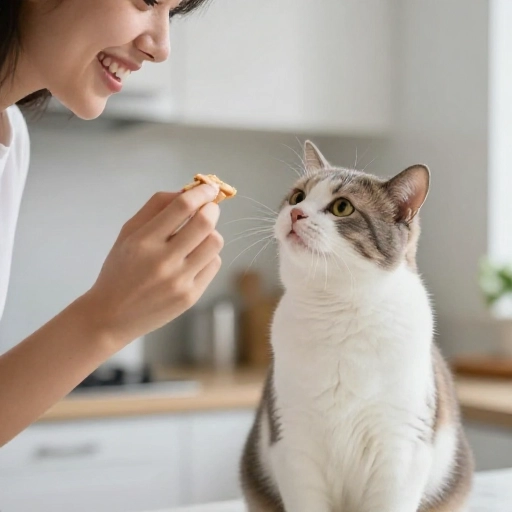
Cats learn their names best when they associate them with good things. Say their name right before feeding, petting, or playing. Never use it when scolding.
Keep it short and consistent. The same name every time helps them recognize it clearly.
I saw the biggest shift when I paired my cat’s name with treats. Now she flicks her ear when I call her, even from another room. That’s connection.
6. Respect the Tail Talk
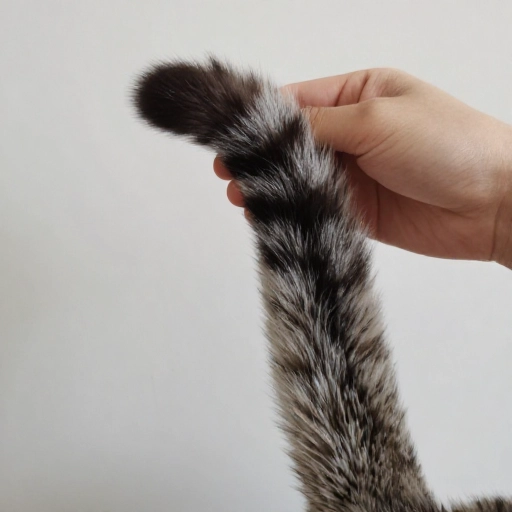
A cat’s tail is a mood ring. A high, quivering tail means happy and confident. A flicking tail means annoyed. A puffed tail means scared.
Watch their tail before you interact. If it’s low or tucked, give them space. If it’s up and curved at the tip, they’re open to interaction.
I used to reach for my cat when her tail was flicking. She’d walk away. Now I wait for the “hello” tail raise, and she comes to me.
7. Use a Pointing Gesture (Yes, Really)
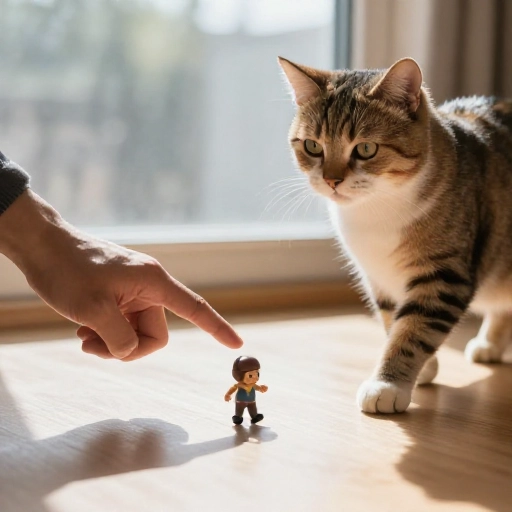
Cats can follow human pointing, but you have to be clear. Use your index finger and point directly at what you want them to see, like a toy or a treat.
Pair it with a glance at the object, then back to them. This helps them understand you’re directing their attention.
I point at a toy mouse across the room, and my cat follows my finger like a laser pointer. It’s a fun way to communicate without words.
8. Mimic Cat Sounds Creatively
You don’t have to meow perfectly, but a soft, chirping “prrt” sound mimics how cats greet each other. It’s friendlier than a full meow.
A short, gentle “mrrp” is like saying “hello” in cat language. Try it when you enter a room.
My cat chirps back at me now when I do this. It’s not a real conversation, but it feels like one. She knows I’m trying to speak her language.
9. Give Them Time to Respond
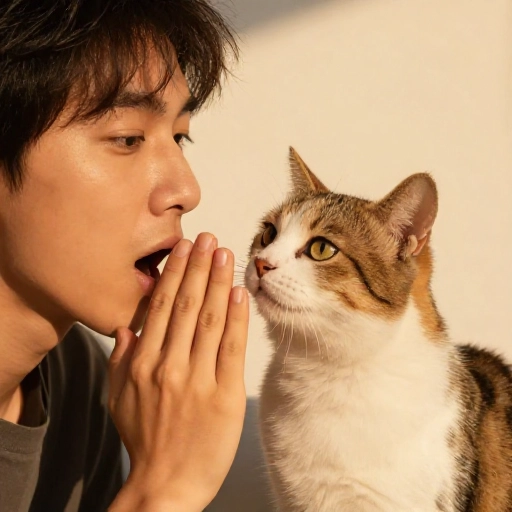
Don’t rush your cat. When you speak or signal, wait a few seconds. Cats process slowly, and they appreciate not being pressured.
If you call them and they don’t come, don’t repeat it loudly. Instead, try a soft call and then wait. They might be considering it.
Patience is the secret. I learned that forcing interaction never works, but giving my cat space to respond on her terms always does.
10. Let Them Choose the Conversation
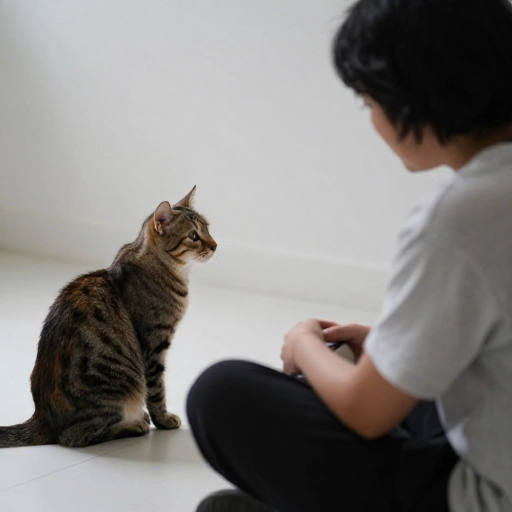
The best communication happens when your cat initiates. If they rub against your leg, that’s an invitation. If they walk away, that’s also a message.
Respect their boundaries and they will trust you more. You become a safe person who listens.
Now I let my cat decide when we talk. Sometimes she just wants to sit near me without talking. That’s okay. We’re still connected.
Conclusion
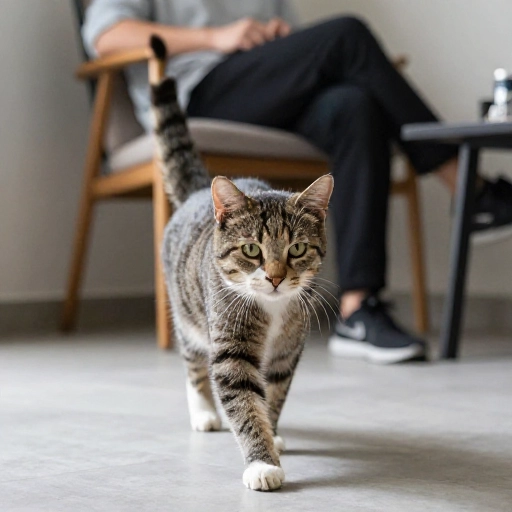
Learning to speak your cat’s language isn’t about becoming a cat whisperer. It’s about slowing down and paying attention. The trust you build will deepen your bond in ways you never expected.
Start with one small change, like a slow blink or a softer voice. Watch how your cat responds. You might be surprised how much they were trying to tell you all along.
Frequently Asked Questions
Can my cat understand English?
Not exactly, but they can learn to associate certain words with actions or objects, especially their name and words like “treat” or “play.” Tone matters more than vocabulary.
Why does my cat meow at me but not other people?
Your cat has learned that you respond to meows. They may not bother meowing at others if they don’t get a reaction. It’s a language you built together.
Do cats like when you talk to them?
Most do, especially when you use a soft, calm voice. It can be comforting for them, like background noise that says you’re nearby and safe.
How do I apologize to my cat?
Softly blink at them, offer a gentle pet if they allow it, and speak in a low, soothing tone. They understand the energy shift more than words.
Is it bad to stare at my cat?
Yes, a hard stare is a threat in cat language. Instead, use soft eyes and slow blinks. That’s how you say “I love you” without a word.