7 Smart DIY Outdoor Cat Shelters Anyone Can Build
Winter is coming, and my heart breaks seeing stray cats shiver in the cold. I started building simple outdoor cat shelters a few years ago, and honestly? It changed everything. These little safe havens don’t just keep cats warm—they give you peace of mind.
You don’t need fancy skills or expensive tools. Most of these shelters use things you probably already have in your garage or can grab for cheap at the hardware store. I’ve tested all seven designs myself, and they really work.
Let me walk you through each one. Grab a cup of coffee, and let’s build something that matters.
1. The Classic Plastic Bin Shelter
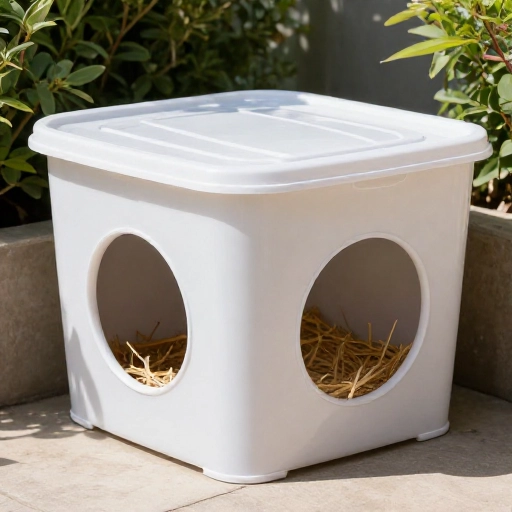
This was my very first shelter, and I still think it’s the most reliable. You just need a large plastic storage bin (the kind with a lid), a box cutter, and some straw. Not hay—straw. Hay gets damp and moldy; straw stays dry and warm.
Cut a six-inch round hole in one short side of the bin, about three inches up from the bottom. Flip the lid on, but don’t snap it shut—you want it loose so cats can push their way in. Fill the inside with straw, packing it loosely. The cats will burrow in and make their own cozy nest.
I place mine under a porch or against a fence for extra wind protection. Add a brick on top so the lid doesn’t blow away.
2. The Cooler Cat Cave
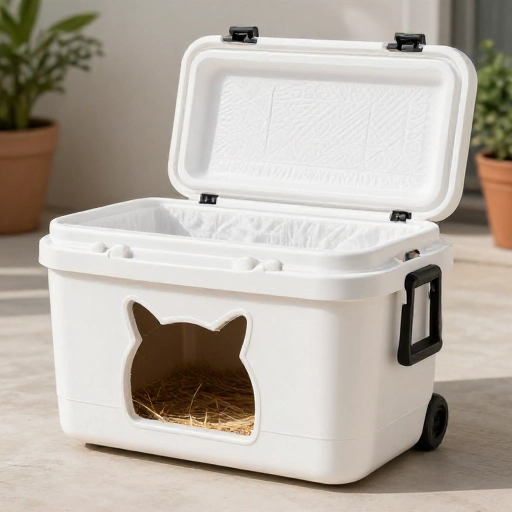
An old styrofoam cooler is basically a ready-made insulated house. I found one at a garage sale for two dollars. Cut a door hole in the side, just big enough for a cat to slip through—about six inches wide.
Line the bottom with straw, and if you want extra warmth, wrap the cooler in a heavy-duty trash bag and duct tape it shut. The bag keeps moisture out and adds another layer of insulation. Then place the whole thing inside a larger plastic bin for protection. It’s like a Russian nesting doll for cats.
This shelter stays incredibly warm even on freezing nights. I’ve seen cats fight over who gets to sleep in it.
3. The Wooden A-Frame Shack
If you have a few scrap pieces of plywood and a saw, this one’s for you. Cut two pieces of plywood into triangles (about two feet on each side) for the ends. Then cut a long rectangle for the roof. Nail or screw everything together into an A shape.
Leave a small opening at one end, just wide enough for a cat. Nail a piece of thick fabric or a rubber mat over the opening as a flap door—that keeps wind out. Fill the floor with straw, and you’re done.
I painted mine with leftover exterior paint so it blends into the garden. The cats don’t care about the color; they just love the solid walls and dry floor.
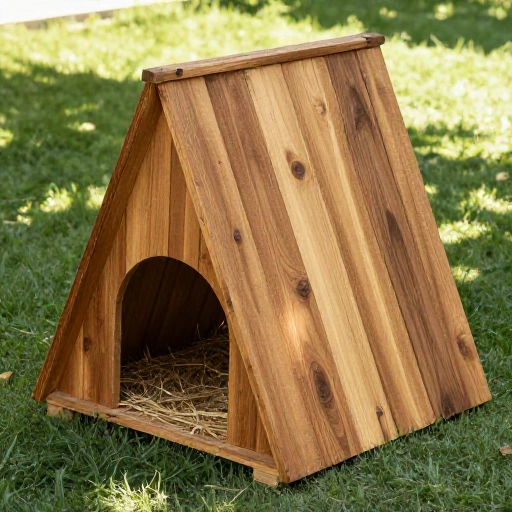
4. The Repurposed Dog House
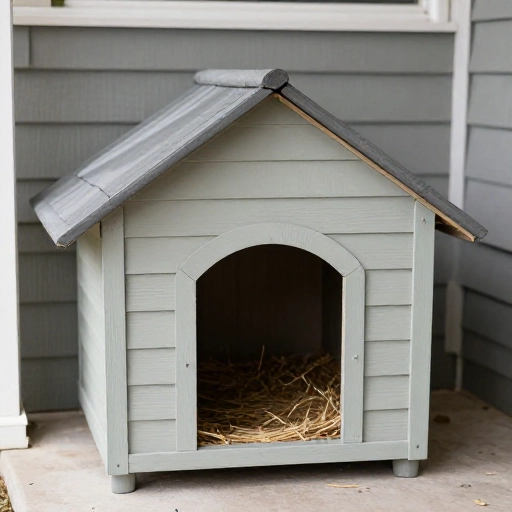
Got an old wooden dog house gathering dust? Don’t throw it out. Turn it into a cat shelter instead. The trick is that dog houses are usually too big for cats, which means they lose heat fast. So you need to shrink the space.
Fill the bottom half with straw, then place a smaller cardboard box inside the dog house. Cut a matching door hole in both. The cardboard box acts like an inner chamber that traps the cat’s body heat. Replace the box when it gets damp.
I also added a strip of heavy plastic over the door opening—just taped at the top so it hangs down like a curtain. The neighborhood strays figured it out in minutes.
5. The Bucket Tower Shelter
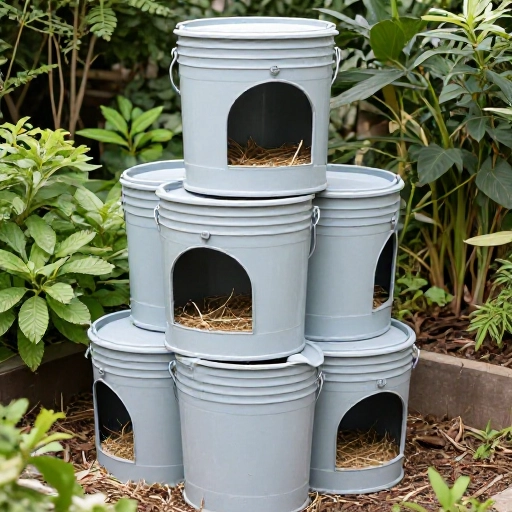
This one is genius for tight spaces. Get two five-gallon buckets. Cut a door hole in the side of one bucket, near the bottom. Nest that bucket inside the second bucket, with straw packed between them. The gap between the buckets creates dead air space—that’s your insulation.
Put a layer of straw inside the inner bucket too. Cover the top with a fitted lid, but drill a few tiny air holes first. The bucket is small, but cats love feeling enclosed and secure. It’s like their personal little igloo.
I painted both buckets with outdoor paint and tucked one under a bush. You can barely see it, but the cats know exactly where it is.
6. The Insulated Tote Bag Shelter
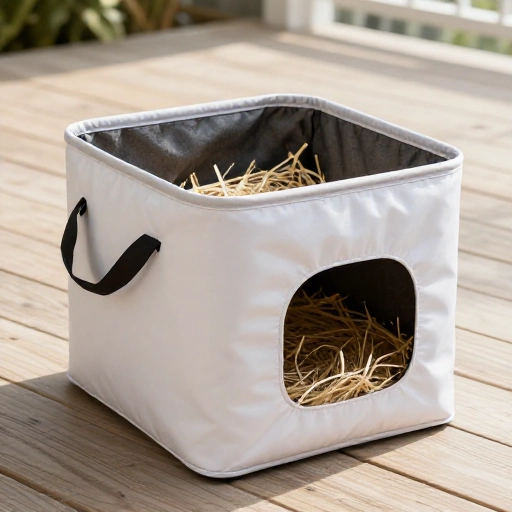
Those big insulated shopping bags you see at grocery stores? They’re perfect for this. Find one with a zipper top. Cut a small door in one side, just above the bottom. Line the inside with straw or old fleece blankets.
Place the whole bag inside a larger plastic storage bin for weatherproofing. The insulated bag material reflects the cat’s body heat back at them. I’ve tested this on nights below freezing, and the inside stays noticeably warm.
The best part? You can pick up the whole shelter by the handles and move it if needed. Great for renters or if you’re still figuring out where cats hang out.
7. The Upcycled Pallet Palace
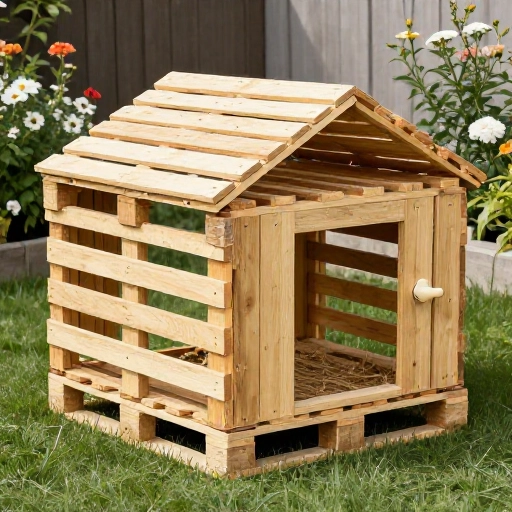
If you have access to wooden pallets, this is a sturdy, long-term option. Break apart one pallet for wood planks. Build a simple box about two feet square and two feet tall. Leave a small opening in the front. Line the inside with foam board insulation—just cut it to fit and hot-glue it in place.
Cover the insulation with a layer of cardboard so cats don’t scratch the foam. Fill the floor with straw. Nail a piece of plywood on top for a roof, and you’ve got a shelter that will last for years.
I built mine on a Saturday morning, and by evening a tabby was already napping inside. The insulation makes it incredibly cozy, and the raised floor keeps dampness away.
Conclusion
Building outdoor cat shelters isn’t just about keeping cats warm—it’s about being part of a kinder world. Every time I see a stray cat walk out of one of my shelters on a frosty morning, I feel like I’ve done something real. You don’t need to be a carpenter or spend a lot of money. Start with one simple bin shelter, and you’ll see how quickly cats find it.
Check your shelter every few weeks. Swap out wet straw, make sure the door isn’t blocked, and watch for signs of other animals moving in. A little maintenance goes a long way. And if you build one, share what you learn. Your neighbors might want to build one too.
FAQ
1. What’s the best material to put inside a cat shelter?
Straw, not hay. Hay absorbs moisture and gets moldy. Straw stays dry and traps heat better. Avoid blankets and towels—they soak up moisture and freeze overnight.
2. How big should the entrance hole be?
About six inches wide. Big enough for a cat to enter easily, but small enough to keep out larger animals like raccoons or dogs. Place the hole a few inches above the ground to keep out rain and snow.
3. Where should I place the shelter?
Put it in a quiet, sheltered spot away from wind and rain. Under a porch, against a fence, or behind a bush works well. Make sure cats have a clear escape route so they don’t feel trapped.
4. How do I keep the shelter clean?
Check it every two weeks. Replace damp or dirty straw. Once a month, take everything out and wipe down the inside with a mild vinegar solution. Let it dry completely before adding fresh straw.
5. Will one shelter be enough for multiple cats?
Not usually. Cats are territorial and often prefer their own space. Build two or three smaller shelters placed apart from each other. That way, multiple cats can stay warm without conflict.