13 Flea Remedies For Dogs That Actually Work
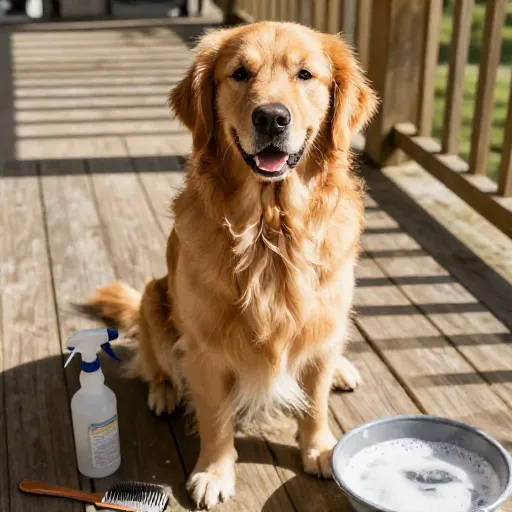
Fleas are the absolute worst. One minute your pup is happily napping, the next they’re doing the frantic butt-scratch dance and you’re finding tiny black specks all over their bed. I’ve been there, and I know the panic that sets in when you realize these tiny jumpers have moved in.
Before you spend a fortune on chemical bombs or weird internet tricks, let’s talk about what really works. I’ve tested a lot of these methods with my own two terriers (who seem to attract fleas like magnets), and these are the 13 remedies that actually break the flea life cycle without turning your home into a hazmat zone.
1. The Daily Dawn Dish Soap Bath
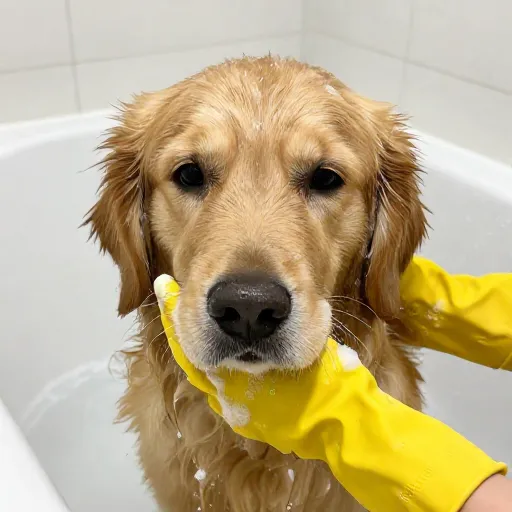
This is my go-to first step. Regular dog shampoo just rinses the fleas, but dawn dish soap (the blue original one) actually breaks the surface tension of the water. That means fleas sink and drown instead of floating on top like little water bugs.
Wet your dog thoroughly, lather up with the dawn, and let it sit for five minutes. Focus on the neck, belly, and the base of the tail—that’s where they hide. You’ll see fleas start to drop off and die in the water.
This won’t prevent future fleas, but it gives you immediate relief and a clean slate to work with. Make sure to rinse super well so your pup doesn’t get dry skin.
2. A Fine-Toothed Flea Comb With A Soapy Dip
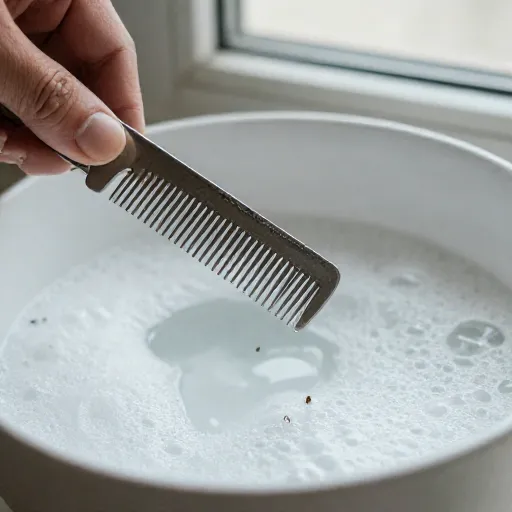
Combing is tedious, but it’s the most satisfying way to see results. You need a metal comb with teeth that are super close together. Comb your dog from head to tail, dipping the comb into a bowl of hot, soapy water after every single swipe.
That soapy dip is the key. If you just flick the fleas onto the floor, they’ll jump right back on. The soap traps them in the water.
Do this daily for two weeks. You’ll get faster at it, and you’ll start to notice the fleas getting smaller and more sluggish as the population dies off.
3. Apple Cider Vinegar Spray (The 50/50 Mix)
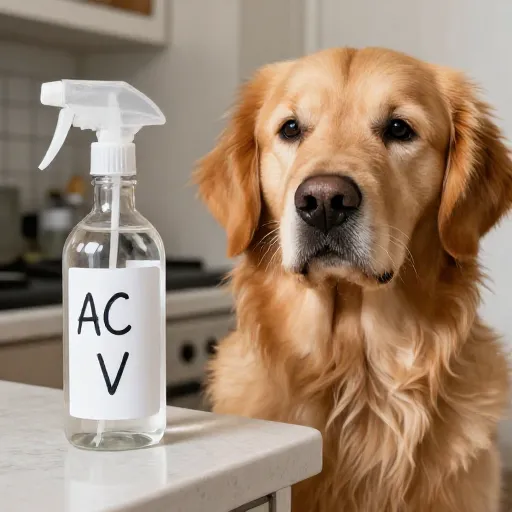
Fleas hate the taste and smell of apple cider vinegar. It won’t kill them, but it acts as a fantastic deterrent to keep them from biting. I mix equal parts raw apple cider vinegar (with the mother) and water in a spray bottle.
Spray your dog’s coat lightly before they go outside, avoiding their eyes and nose. The smell fades for you after a few minutes, but the fleas can still detect it.
Honestly, this works best as a daily preventative. If you already have a heavy infestation, use this alongside the dawn bath, not instead of it.
4. Coconut Oil For The Skin Barrier
This one feels weird, but it works. Fleas are less likely to bite skin that has a layer of coconut oil on it. It also helps soothe the irritated, itchy patches your dog already has.
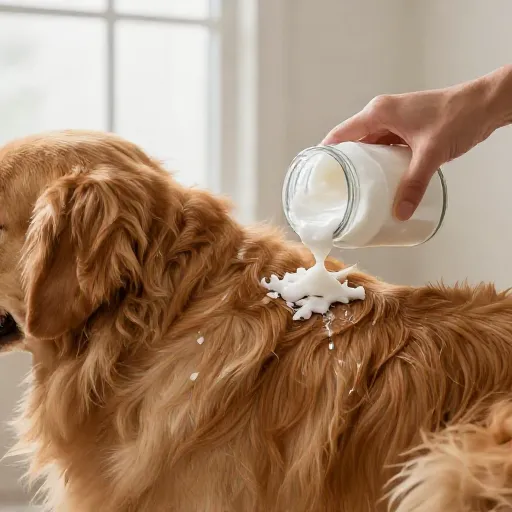
Melt a little bit of solid coconut oil in your hands and rub it into your dog’s coat, especially along the back and behind the ears. It’s totally safe if they lick it off, and it actually makes their coat super shiny.
For the best effect, reapply every couple of days. It’s not a standalone killer, but it’s an amazing addition to your arsenal, especially for dogs with sensitive skin.
5. Vacuum Everything, And I Mean Everything
The fleas on your dog are only 5% of the problem. The other 95% are eggs, larvae, and pupae hiding in your carpets, couch, and baseboards. Vacuuming is your best friend during flea season.
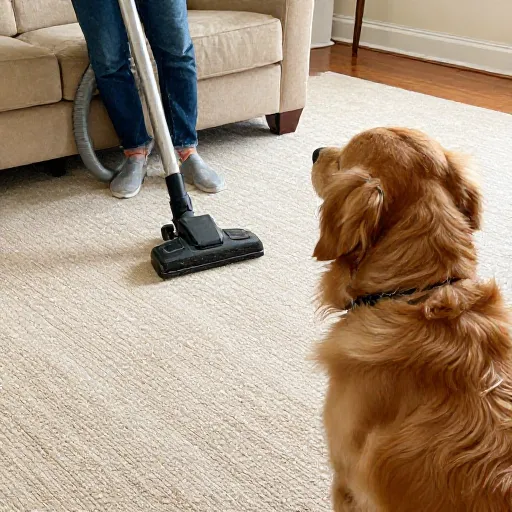
Vacuum every day, especially in the spots your dog loves to sleep. Pay attention to the corners of rooms and under furniture. The suction physically removes the eggs and larvae before they can grow into biting adults.
Here’s the trick: immediately take the vacuum bag or canister outside and empty it into a sealed trash bag. If you leave it in the vacuum, the fleas will just crawl back out.
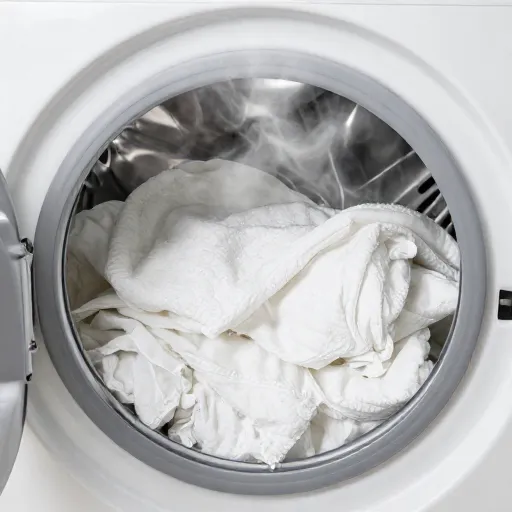
6. Wash All Bedding In Hot, Soapy Water
Your dog’s bed is a flea nursery. They love the warmth and the fabric fibers. Strip the bed and wash everything in the hottest water the fabric can handle with regular laundry detergent.
If you have a dog bed with a removable cover, wash the cover and vacuum the inner foam. For the inner foam, you can also sprinkle it with baking soda, let it sit for an hour, and vacuum it up.
Do this at least twice a week during an active infestation. It breaks the cycle in the one spot your dog spends most of their time.
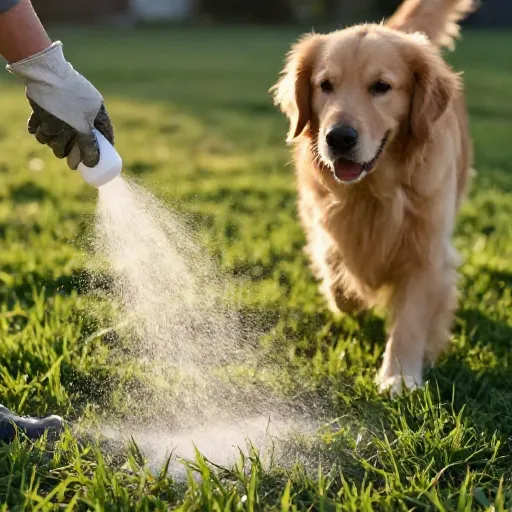
7. Diatomaceous Earth For The Yard
This is a game-changer for outdoor spaces. Food-grade diatomaceous earth is a fine powder made from fossilized algae. It’s sharp on a microscopic level and cuts into the fleas’ exoskeletons, dehydrating them to death. But it’s totally safe for pets and kids.
Wear a mask when applying it, and dust it lightly over your lawn, especially in shady spots and near the porch where your dog hangs out. You want a thin, even layer—not a thick cloud.
Reapply after it rains. This kills fleas before they even get a chance to hop on your dog.
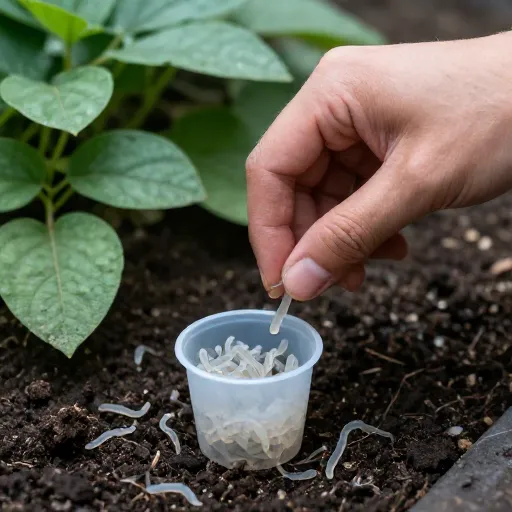
8. Nemotodes For The Garden
If you have a serious yard problem, you need to introduce beneficial nematodes. These are microscopic worms that you mix with water and spray onto your soil. They hunt down and eat flea larvae and pupae in the ground.
This is an organic, long-term solution that targets the immature stages of the flea lifecycle. It’s not an instant fix, but it works for months.
You can find them at garden centers or online. Just make sure to water your lawn before and after applying them so the soil is moist.
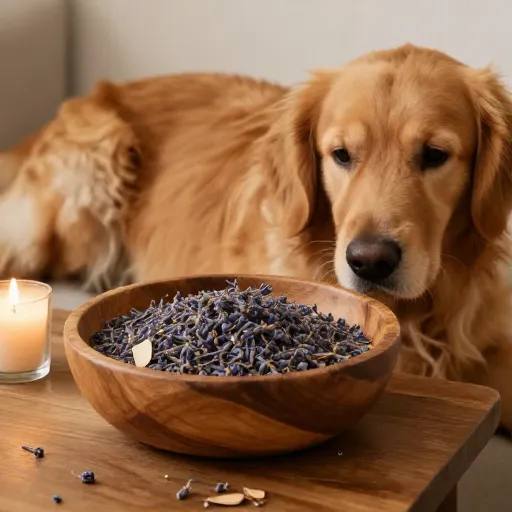
9. Lavender And Cedar Chips For The Home
Fleas are repelled by strong botanical scents. I keep a small bowl of cedar chips near the front door and sprinkle a few drops of lavender essential oil on my dog’s collar (never directly on their skin).
You can also make little sachets of dried lavender and tuck them under your couch cushions and in the corners of your dog’s crate. It makes your house smell amazing and keeps fleas from settling in.
Just be careful with essential oils—always dilute them and keep them away from your dog’s face. Lavender is safe for most dogs, but always do a patch test first.
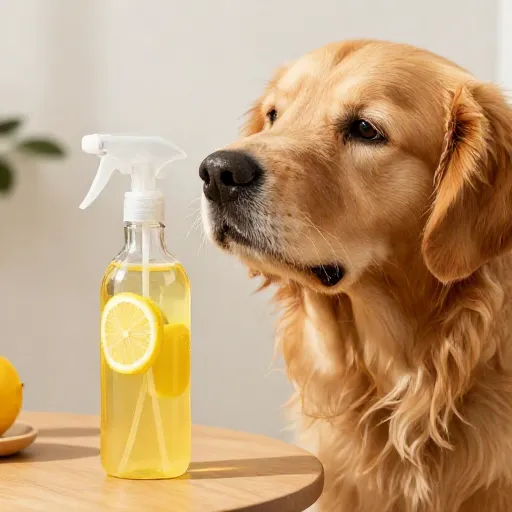
10. Lemon Spray For A Natural Repellent
This is an old-school remedy that still works great. Slice a whole lemon, put it in a pint of boiling water, and let it steep overnight. Strain the liquid into a spray bottle.
Spray this directly on your dog’s coat before a walk. The citric acid is a natural deterrent, and it’s completely safe. It’s a great option for puppies or senior dogs who might be sensitive to stronger chemicals.
The downside is it needs to be made fresh every couple of days. It’s a bit of a pain, but it’s a nice, safe alternative for light flea pressure.
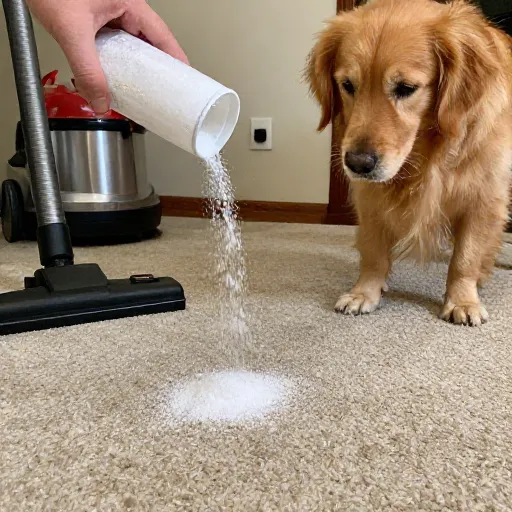
11. The Salt Trick For Carpets
Before you vacuum, sprinkle a generous layer of fine table salt over your carpets. Let it sit for 24 hours. The salt acts like tiny shards of glass, cutting into the flea larvae and drying them out.
After a day, vacuum it all up thoroughly. This is a great, cheap way to treat your carpets without using harsh chemical sprays.
It’s not the most glamorous method, and your house will look like a winter wonderland for a day, but it works really well in conjunction with regular vacuuming.
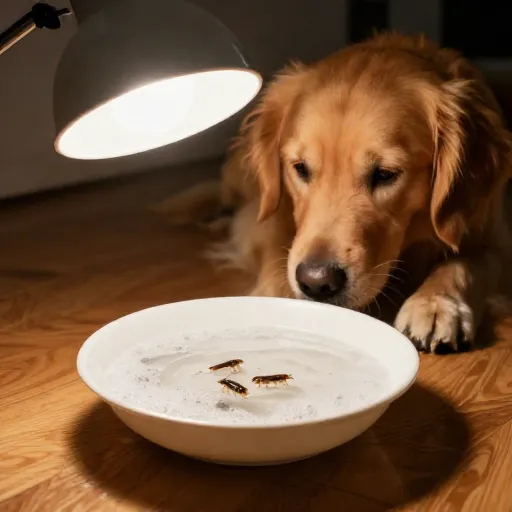
12. The Flea Trap With A Desk Lamp
This is a clever little hack for figuring out how bad your problem is. Fill a shallow dish with water and a few drops of dish soap. Place it on the floor and shine a desk lamp directly onto the water’s surface overnight.
Fleas are attracted to the heat and light, so they’ll jump toward the lamp, hit the water, and drown. It’s not a total solution, but it will definitely catch a bunch of them.
I use this in my living room when I suspect fleas but haven’t seen one on the dog yet. It’s an early warning system and a bit of a stress reliever to see the little buggers trapped.
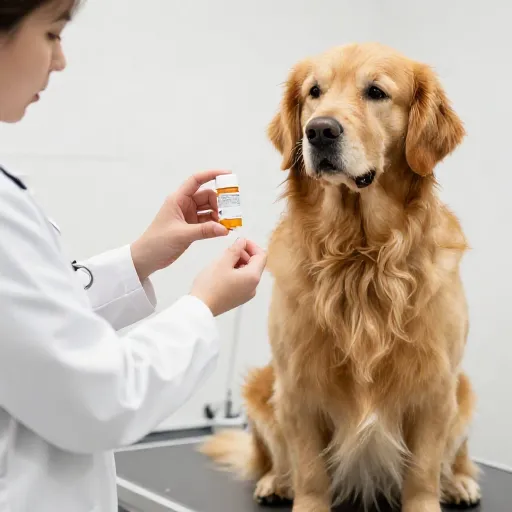
13. Prescription Prevention (The Non-Negotiable)
Look, I’m all for natural remedies, but if you live in a flea-heavy area, you need to talk to your vet about prescription prevention. These are the oral chewable tablets or topical drops that work from the inside out.
These are different from the cheap over-the-counter stuff. They’re fast-acting and kill fleas before they can lay eggs. This is the only thing that truly stops the cycle in its tracks.
Think of the natural remedies as your daily maintenance, but prescription prevention is your safety net. Combine them, and you’ll have a flea-free dog all year round.
Conclusion: Consistency Beats Everything
There is no magic bullet when it comes to fleas. The secret is consistency. You have to treat the dog, the house, and the yard all at the same time. If you only treat the dog, the fleas in the carpet will just jump back on tomorrow.
Pick two or three of these remedies that fit your lifestyle and stick with them for at least two weeks. You’ll see a huge difference. And remember, a healthy, well-groomed dog is always less attractive to fleas than a stressed-out one.
Frequently Asked Questions
How fast do these natural remedies work?
The dawn dish soap bath works instantly to kill fleas on your dog. However, killing the entire infestation in your home takes about 2-3 weeks of consistent vacuuming, washing, and treating the environment.
Can I use apple cider vinegar on a dog with open sores?
No. If your dog has broken skin from scratching, don’t use vinegar or citrus sprays. Stick to the coconut oil and the dawn bath until the skin heals a bit.
How often should I bathe my dog for fleas?
Once a week is the maximum. Bathing more often will strip their natural oils and cause dry, flaky skin. Combine the bath with daily combing for the best results.
Is diatomaceous earth safe for puppies?
Yes, food-grade diatomaceous earth is safe for puppies and even cats, as long as you avoid creating a dusty cloud that they might inhale. Apply it lightly and keep them away from the area until the dust settles.
Why do I still see fleas after treating my dog?
Because you’re only seeing the new adults hatching from the environment. It takes time for all the eggs and larvae in your carpet to hatch and die. Keep vacuuming and washing—you’re winning, it just takes a little time.