New Puppy? Train Faster with These 10 Easy Commands (Even If You’re a Total Beginner!)
Bringing home a new puppy is pure magic—the tiny paws, the puppy breath, the way they flop over for belly rubs. But let’s be real, the first few weeks can also feel a bit chaotic. You’re tired, your shoes are chewed, and you’re wondering if your little furball will ever listen.
Here’s the good news: training doesn’t have to be a battle. In fact, with the right approach, your puppy can learn the basics faster than you think. These 10 commands are the ultimate starter pack. They’ll keep your pup safe, make your life easier, and build a rock-solid bond between you two. Let’s dive in!
1. Sit: The Foundation of Everything
This is the golden ticket of puppy training. “Sit” is usually the first thing they learn, and it’s the perfect starting point for other commands. It’s also a great way to calm an overly excited pup before meals or when guests come over.
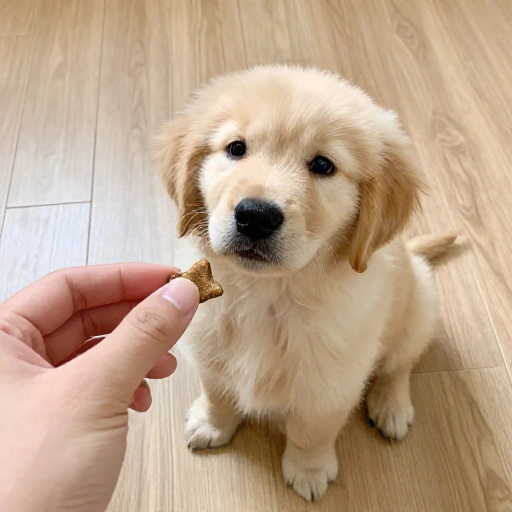
Hold a treat right at their nose, then slowly lift it up and over their head. As their nose goes up, their booty naturally goes down. The second their bottom hits the floor, say “Yes!” and pop the treat in their mouth. Repeat this a few times, and they’ll start offering the sit on their own.
Keep sessions super short—like 5 minutes at a time. Puppies have tiny attention spans, and ending on a positive note makes them want to keep playing the game.
2. Down: The Calm-Down Button
“Down” is a lifesaver for those moments when you need your pup to chill out. It’s harder than “sit” because it’s a more submissive position, so don’t get frustrated if it takes a few extra days.
Start with your pup in a “sit.” Hold a treat in your closed fist and let them sniff it. Then, slowly lower your hand straight down to the floor between their paws. The moment their elbows touch the ground, mark it with a “Yes!” and reward.
If they keep popping back up, you’re probably moving too fast. Slide the treat along the floor away from them to lure their body into the down position instead of forcing it.
3. Come: The Safety Command
This one is non-negotiable. “Come” could literally save your puppy’s life one day. The trick is to make it the most rewarding word in their vocabulary. It should always mean “good things happen now!”
Start indoors with no distractions. Crouch down, open your arms wide, and say “Come!” in your happiest voice. When they run to you, throw a mini treat party—lots of praise, maybe a couple of treats. Make it feel like they won the lottery.
Never call them to you to scold them. Even if they just chewed your favorite sneaker, lure them with “come” and then just take the shoe away without anger. You want them to trust that coming to you is always a positive experience.
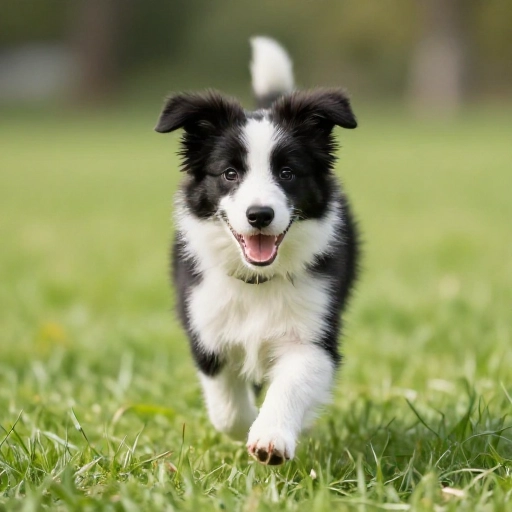
4. Leave It: The Magic Word for Chewed Shoes
Puppies put everything in their mouths—rocks, socks, dead bugs, you name it. “Leave it” is the command that tells them to stop investigating something and look at you instead. This is a game-changer for walks.
Place a treat on the floor and cover it with your hand. When your puppy tries to sniff or paw at it, say “Leave it.” The second they look away from your hand, even for a second, mark and reward with a different treat from your other hand.
Practice this daily, and eventually, you can drop food on the floor without panicking. It really works—just be patient and celebrate those tiny wins.
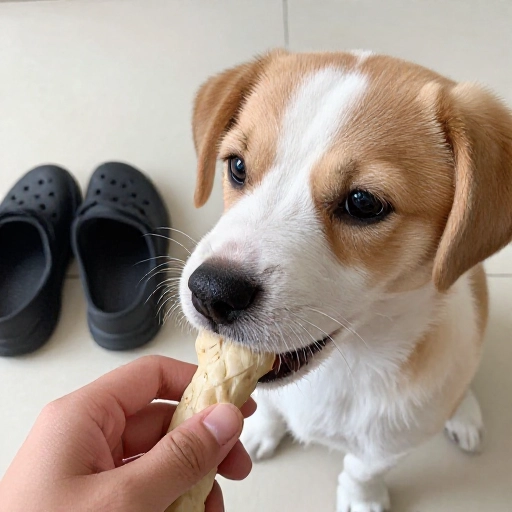
5. Stay: The Patience Builder
“Stay” is all about impulse control. It’s a lifesaver when you’re opening the front door or carrying a hot plate of food. But don’t expect your puppy to master this overnight—it takes practice and short sessions.
Ask for a “sit,” then hold your hand up like a stop sign and say “Stay.” Take one tiny step back. If they hold the position, immediately step back and reward. If they move, just calmly reset them without fuss.
The secret is to gradually increase the distance and the time. Start with just a few seconds, then work up to a minute. Remember, “stay” is released with a release word like “okay” or “free!” so they know when they’re allowed to move.
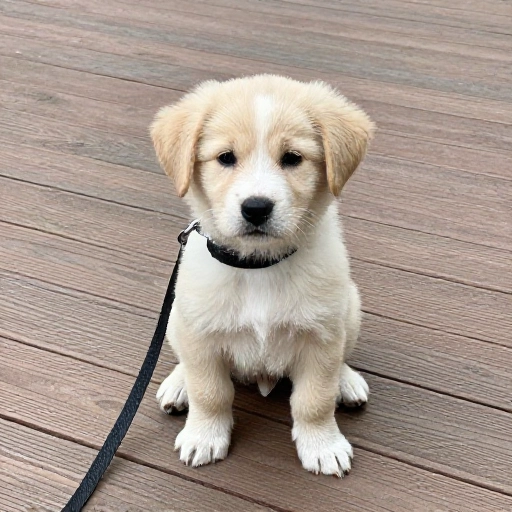
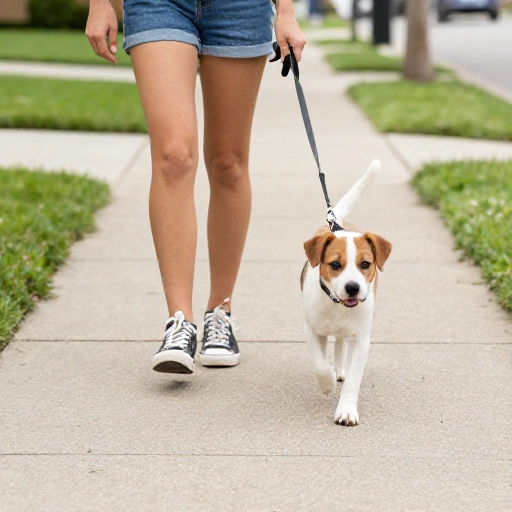
6. Heel: Walk Without the Tugging
Nobody wants a pup that drags them down the street. “Heel” teaches your puppy to walk calmly beside you instead of pulling ahead. It takes a bit of patience, but the payoff is so worth it.
Start with your pup on a leash at your side. Hold a treat near your leg and encourage them to walk next to you. The moment they’re by your side, even for a step or two, reward them. If they pull, just stop walking. Wait for them to look back at you, then continue.
This one is less about the word and more about the rhythm. Once they realize that pulling gets them nowhere and walking nicely gets them treats, the lightbulb will go off.
7. Drop It: The Great Toy Exchange
If your pup grabs something dangerous, “drop it” is your emergency brake. It’s basically “leave it,” but for things already in their mouth. This is crucial for puppies who love to grab things they shouldn’t.
Offer your puppy a toy they love. When they grab it, say “Drop it” and immediately present an even better treat or toy. The second they open their mouth to investigate, mark it and give them the reward.
You’re essentially teaching them that letting go of things earns them something even cooler. Never try to pry their mouth open—that can make them more possessive. Trading is always the way to go.
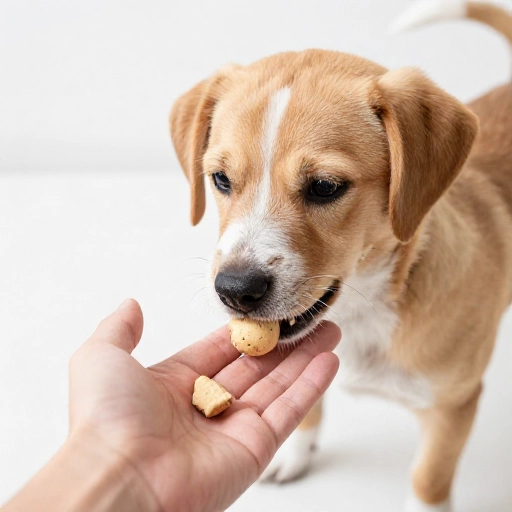
8. Watch Me: The Focus Hack
“Watch me” is a little quieter than the others, but it’s a total secret weapon. It teaches your puppy to make eye contact with you, which builds focus. This is especially helpful in distracting environments, like a park or a busy sidewalk.
Hold a treat up to your face and say “Watch me.” The moment your puppy looks into your eyes, mark it with a “Yes!” and reward. Move the treat away, and they’ll quickly learn that eye contact equals treats.
Once they’ve got it, you can use this command to redirect their attention before they react to a passing dog or a loud noise. It’s like hitting a reset button on their brain.
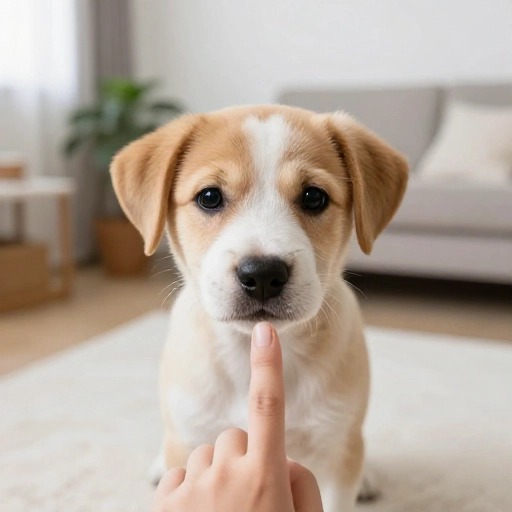
9. Place: The Go-to-Your-Mat Command
“Place” is like “stay” but with a specific target—like a dog bed or a mat. It gives your puppy a job and a safe spot to hang out. It’s amazing for when you’re eating dinner or have contractors in the house.
Toss a treat onto their mat and say “Place.” When they step onto it, reward them. Then, slowly start adding a “down” and a “stay” while they’re on the mat. Over time, they’ll learn to go there on command and chill out.
This command gives them a sense of purpose. Instead of hovering around your feet, they learn that “place” means “relax here and be a good pup.”
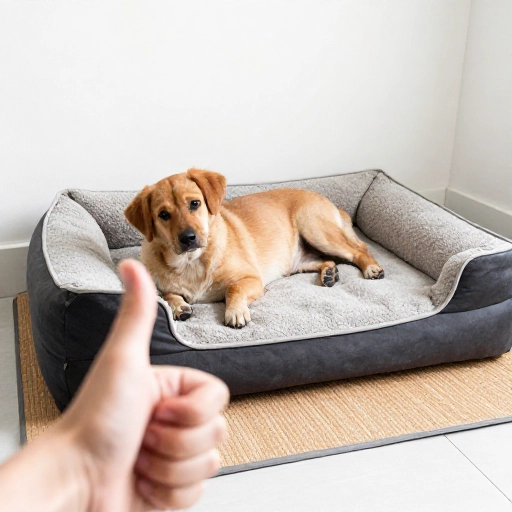
10. Let’s Go: The Happy Walk Starter
“Let’s go” is a casual version of “heel” that just means “follow me.” It’s great for moving your puppy from one spot to another without pulling. Think of it as a pleasant transition command rather than a strict heel.
Say “Let’s go!” in a bright tone and start walking forward. Reward your puppy the moment they follow you. Even if they’re a bit behind, that’s fine. The goal is to keep them moving with you, not to be glued to your side.
Use this when you’re leaving the dog park or when you need to get them away from something interesting. It’s a much easier ask than a formal “heel.”
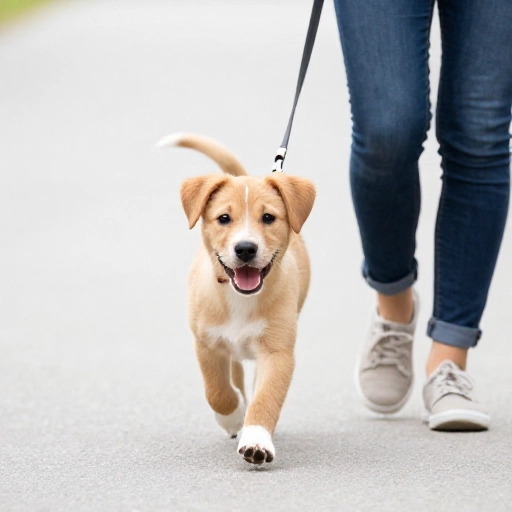
Final Thoughts: Keep It Fun, Keep It Short
Training your new puppy is a marathon, not a sprint. Some days will be amazing, and other days you’ll feel like you’re back to square one—that’s totally normal. The key is to keep sessions short, use high-value treats, and always end on a win.
Remember, your puppy is learning your language, your rules, and your routines. Every time you practice, you’re building trust and showing them that the world is a safe, predictable place. Celebrate the little victories, take lots of photos, and enjoy this wild, wonderful adventure.
Frequently Asked Questions
How long does it take to train a puppy basic commands?
Most puppies can learn simple commands like “sit” and “come” in just a few days if you practice consistently. However, it’s important to remember that they’re babies. Give them grace, and keep training sessions short and sweet.
What’s the best age to start training?
You can start training the moment you bring your puppy home, usually around 8 weeks old. Puppies are like little sponges at this age, and early training sets the foundation for good behavior. Just keep it playful.
How many treats should I use during training?
Use tiny, pea-sized treats so you can reward them a lot without overfeeding. You should be giving them lots of treats during training sessions. Just factor those calories into their daily food intake to avoid weight gain.
What if my puppy doesn’t seem interested in treats?
Try using their regular kibble as a reward, or switch to something extra smelly like boiled chicken or cheese. Some puppies are also motivated by toys or playtime. Find what makes their tail wag and use that as the reward.
Should I use a clicker for training?
Clicker training is a fantastic tool, but it’s not required. The clicker just marks the exact moment your puppy does the right thing. If you don’t want to use one, you can use a consistent word like “Yes!” instead. Pick what feels natural to you.