12 Stylish Houseplants That Are Totally Safe For Cats
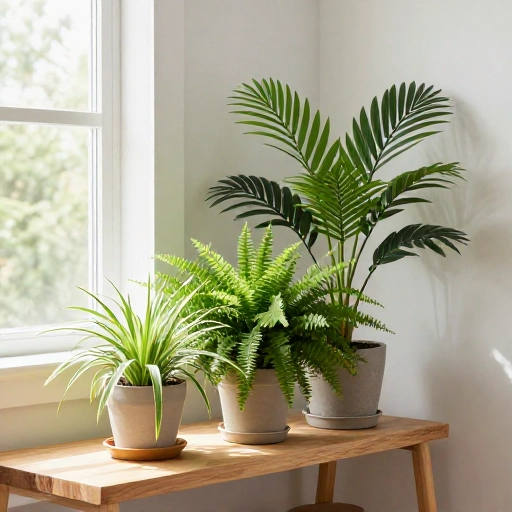
There’s nothing like a houseplant to make a space feel alive. But if you share your home with a curious cat, you know the struggle. You want that gorgeous Monstera—but your cat wants to nibble every leaf in sight. It’s a tricky balance between style and safety.
I’ve been there. I once brought home a beautiful plant, only to find my cat chewing on it an hour later. That’s when I realized I needed to do my homework. Good news: you don’t have to choose between a jungle-like home and a healthy cat. There are plenty of stunning, cat-safe plants that look amazing and won’t send you to the vet.
Here are 12 stylish houseplants that are totally safe for your feline friend. Every single one is non-toxic according to the ASPCA. Let’s make your home green and your cat happy.
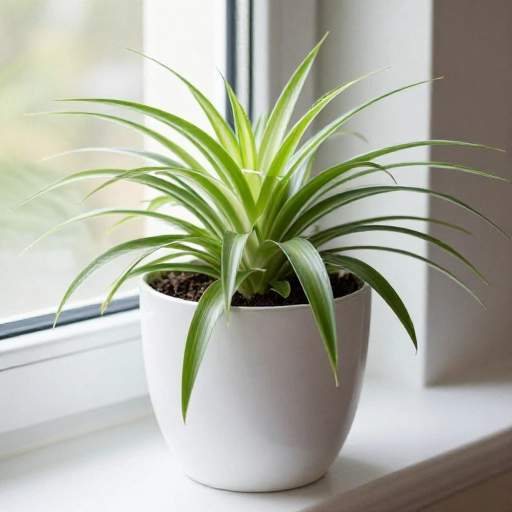
1. Spider Plant (Chlorophytum comosum)
You’ve probably seen this one hanging in a macrame holder. It’s classic for a reason. Spider plants are tough, grow fast, and produce little “babies” that you can propagate. My cat loves to bat at the dangling leaves—and I love that I don’t have to worry if she takes a bite.
They do well in bright, indirect light, but they’re forgiving if you forget to water. Plus, they’re known for cleaning the air. A win all around.
Place them on a shelf or in a hanging planter for maximum style and minimal cat interference.
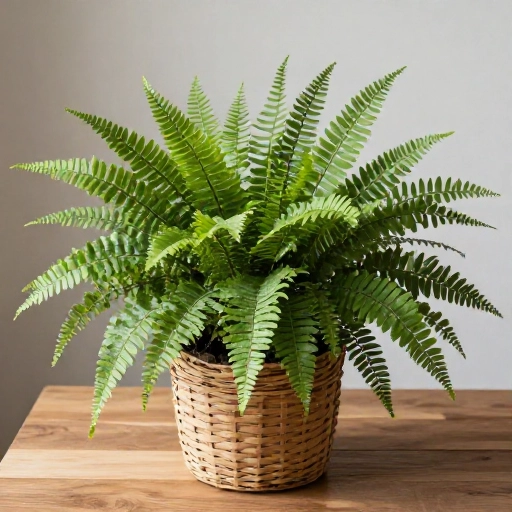
2. Boston Fern (Nephrolepis exaltata)
Boston ferns bring instant texture and a soft, fluffy vibe to any room. They’re not spikey or dramatic—just lush and calming. My cat loves to sniff the fronds, and I love how they fill a corner with life.
They like humidity, so a bathroom or kitchen is perfect. Keep the soil moist but not soggy, and give them indirect light. They’re a little high-maintenance with watering, but totally worth it for the look.
No toxicity at all. Your cat can rub against them or nibble without any issues.
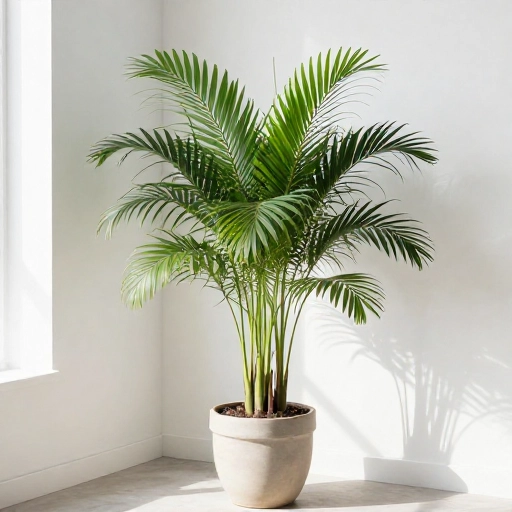
3. Areca Palm (Dypsis lutescens)
Want a tall, tropical statement plant? The Areca palm is your answer. It grows in graceful, arching fronds and can reach six feet indoors. It instantly makes a room feel like a resort.
Areca palms are safe for cats, even if your cat decides to chew on the fronds. They prefer bright, indirect light and regular watering. Mist them if your home is dry.
I keep one in my living room corner—it’s the first thing guests notice, and my cat just ignores it. Perfect.
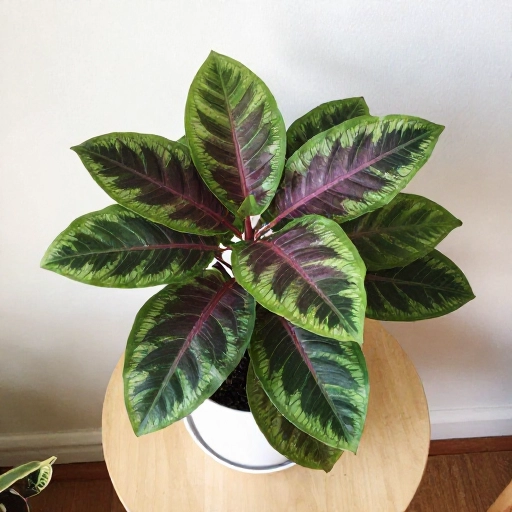
4. Calathea (Calathea spp.)
Calatheas are the divas of the plant world—in the best way. Their leaves have stunning patterns: stripes, spots, even purple undersides. They’re called “prayer plants” because their leaves move at night.
The best part? They are completely non-toxic. My cat once sniffed a Calathea leaf and walked away. No interest, no danger.
They need humidity and indirect light. Keep the soil moist, and you’ll have a living piece of art that’s safe for your pet.
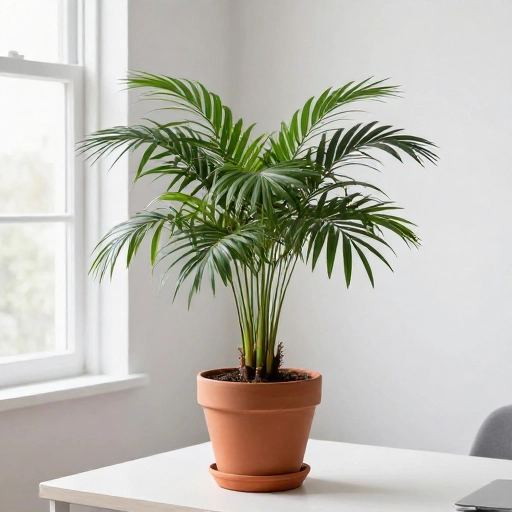
5. Parlor Palm (Chamaedorea elegans)
Small, elegant, and incredibly easy. The parlor palm is a classic indoor plant that thrives in low light. It’s perfect for beginners or for spots that don’t get much sun.
It’s non-toxic to cats. I’ve seen mine bat at the leaves, but she’s never tried to eat them. It grows slowly, so it won’t take over your space.
Pair it with a white ceramic pot for a clean, modern look. Water when the top inch of soil is dry.
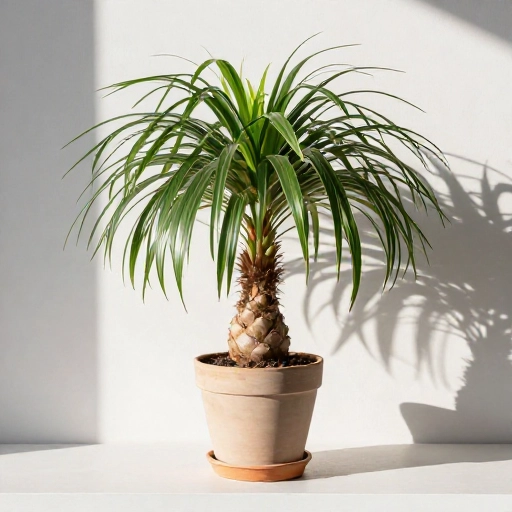
6. Ponytail Palm (Beaucarnea recurvata)
This plant looks like a funky little tree with a bulbous trunk and curly, cascading leaves. It’s actually a succulent, so it’s very low-maintenance. Perfect if you forget to water sometimes.
Ponytail palms are safe for cats. My cat loves to sit under the “ponytail” and stare at the leaves moving in the breeze. It’s become her favorite napping spot.
Give it bright light and water sparingly. It’s quirky, stylish, and worry-free.
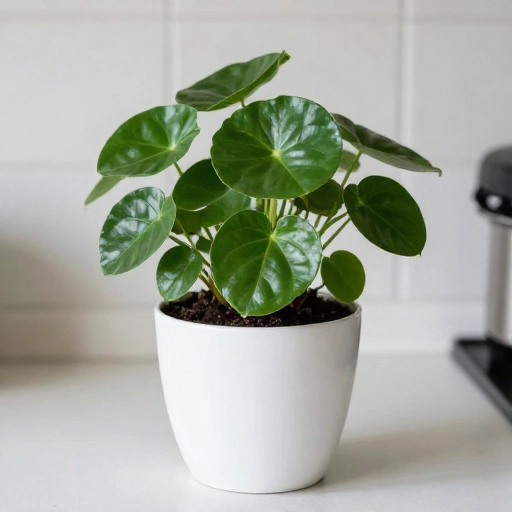
7. Peperomia (Peperomia spp.)
Peperomias come in so many shapes and colors—round leaves, rippled leaves, green, variegated. They’re compact and perfect for small spaces like desks or nightstands.
They are non-toxic to cats. I have a Peperomia obtusifolia on my shelf, and my cat has never touched it. It just sits there looking cute.
They like medium light and infrequent watering. Let the soil dry out between waterings. Easy and adorable.
8. Haworthia (Haworthia spp.)
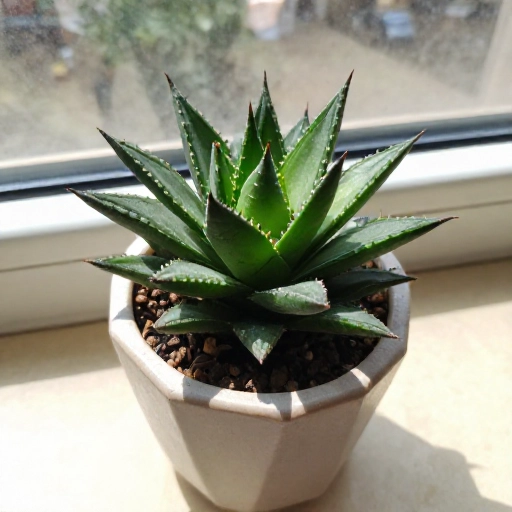
If you love succulents but worry about toxic varieties like aloe, Haworthia is your answer. These little zebra-striped succulents are safe for cats. They’re small, spiky, and very cool.
They need bright light and very little water. I keep mine on a sunny windowsill. My cat has shown zero interest—maybe because the leaves are a bit tough.
They’re perfect for terrariums or tiny pots. A great choice for succulent lovers with cats.
9. Friendship Plant (Pilea involucrata)
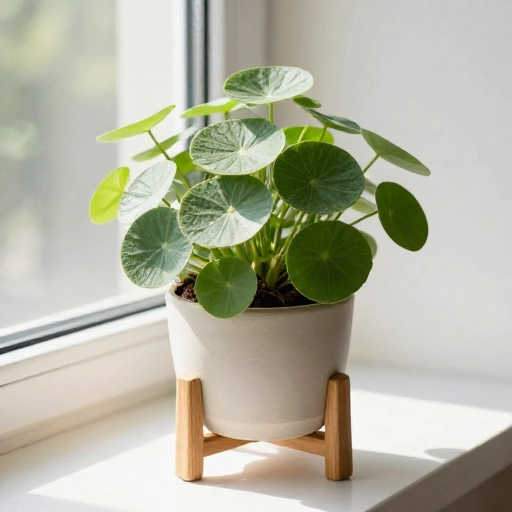
This plant has textured, quilted leaves with a bronze tint. It’s called “friendship plant” because it’s easy to propagate and share with friends. It stays compact and bushy.
It’s non-toxic and safe around cats. I’ve given cuttings to friends with cats, and everyone loves it. It’s a conversation starter.
Give it bright, indirect light and keep the soil moist. It’s a sweet, low-growing plant that adds a lot of charm.
10. Rattlesnake Plant (Calathea lancifolia)
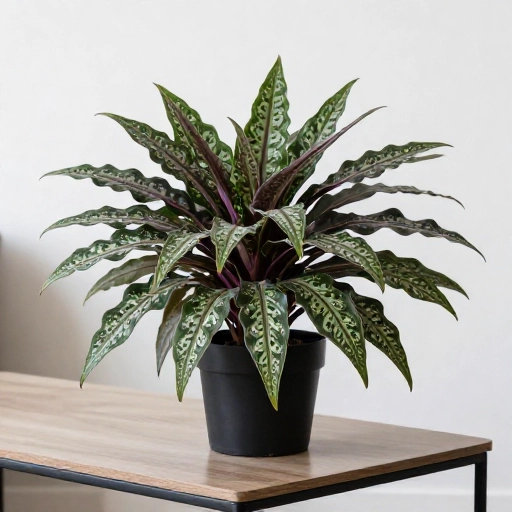
Another Calathea, but this one has wavy, lance-shaped leaves with dark green spots. The undersides are a rich purple. It’s dramatic but safe.
My cat once tried to play with a leaf, but the plant was totally fine—and so was she. It’s a bold choice for any room.
It loves humidity and indirect light. Keep the soil consistently moist. It’s a bit needy, but the payoff is gorgeous.
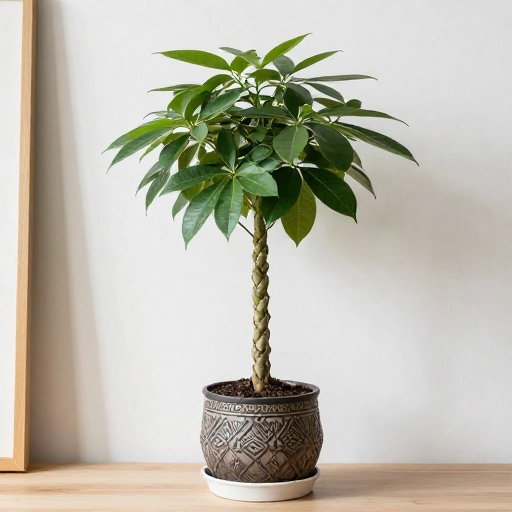
11. Money Tree (Pachira aquatica)
The Money Tree is famous for its braided trunk and large, palmate leaves. It’s said to bring good luck—and it’s totally safe for cats. Mine has never been touched.
It grows tall and looks great in a corner. It’s forgiving with light and water, making it a great option for busy plant parents.
Give it medium to bright indirect light and water when the top inch of soil is dry. It’s a classic, stylish, and safe choice.
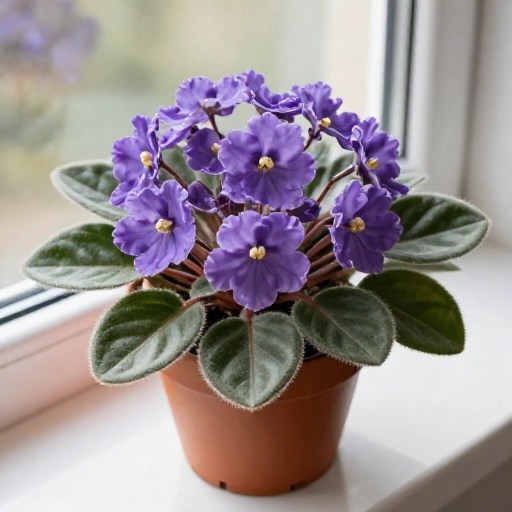
12. African Violet (Saintpaulia ionantha)
Sometimes you want flowers. African violets bloom indoors with clusters of purple, pink, or white flowers. They’re small, cheerful, and completely non-toxic.
They like bright, indirect light and consistent moisture. Don’t get water on the leaves—they can spot. I keep mine on a kitchen windowsill, and my cat ignores them completely.
They’re a lovely way to add color without worrying about your cat’s safety. Perfect for a sunny spot.
Conclusion: Green and Safe
You don’t have to choose between a stylish home and a safe one. These 12 plants prove that you can have both. Whether you want tall palms, trailing ferns, or tiny succulents, there’s a cat-safe option that fits your style.
Start with one or two. See how your cat reacts. Most cats lose interest after a sniff or two. And with these plants, even a nibble is no big deal.
Your home can be a jungle—just a cat-safe one.
Frequently Asked Questions
Are succulents safe for cats?
Not all succulents are safe. Avoid aloe vera, jade plants, and snake plants. But safe options like Haworthia, Echeveria (some varieties), and Ponytail Palm are fine. Always double-check with the ASPCA list.
What if my cat eats a safe plant anyway?
Even non-toxic plants can cause mild stomach upset if eaten in large amounts. Monitor your cat. If they vomit or act strange, call your vet. But with these 12, you’re generally safe.
Can I still have a Monstera or Pothos with cats?
Those are toxic. If you really want them, place them in a hanging planter or a room your cat can’t enter. But for peace of mind, stick with the list above. It’s easier.
How do I stop my cat from eating plants?
Provide cat grass or catnip as a distraction. Use citrus peels or bitter spray on the soil. Place plants in hard-to-reach spots. And choose safe plants so you don’t have to stress.
Where can I find these plants?
Most garden centers, big box stores, and online plant shops carry these. Ask for “pet-friendly” or “non-toxic” plants. Many sellers label them clearly now.