10 Signs Your Cat May Be in Pain

Cats are masters at hiding discomfort. It’s a survival instinct from their wild ancestors—showing weakness could make them a target. As a cat parent, it can feel impossible to know when something’s wrong until it’s advanced. But our furry friends do drop clues. You just need to know what to look for.
I’ve learned this the hard way with my own cats. The good news is that once you know the signs, you can step in early and make a huge difference in their comfort. Here are ten common signs that your cat might be hurting, and what you can do about it.
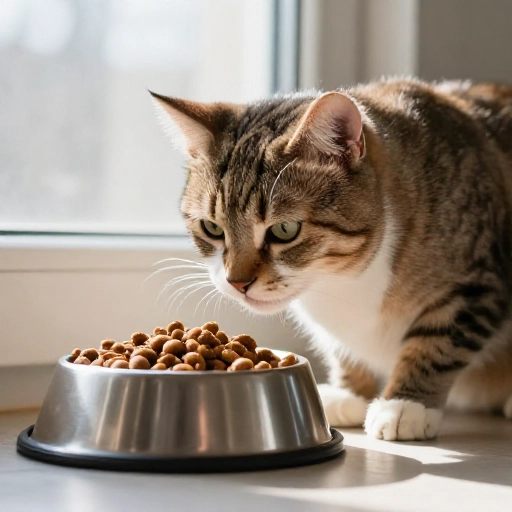
1. Changes in Eating or Drinking Habits
A sudden loss of appetite or drinking way more water than usual can be a red flag. Dental pain, nausea, or internal issues often make eating uncomfortable. Some cats might even approach the bowl but walk away, as if they want to eat but can’t.
Watch for weight loss or changes in how quickly they finish their meals. If your cat is suddenly picky about dry food but still eats wet food, that’s a hint that chewing hurts.
Keep a log of their eating patterns for a few days. If it doesn’t return to normal, a vet visit is a good idea.
2. Hiding More Than Usual
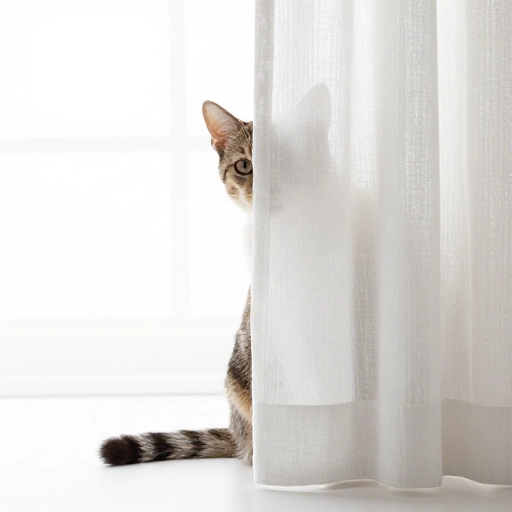
When a cat doesn’t feel good, their first instinct is often to disappear. Under the bed, inside a closet, behind the couch—any spot that feels safe and away from the action. If your social kitty suddenly becomes a ghost, pain could be the reason.
It’s not just about hiding either. They might avoid their favorite sunny spot or the perch they used to love. That’s because jumping or even walking there feels hard.
Pay attention to where they spend their time. If it’s a new, dark, hard-to-reach corner, something might be off.
3. Changes in Grooming
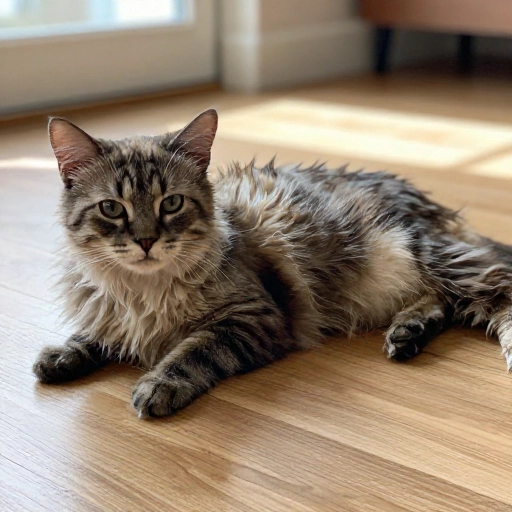
A cat in pain might over-groom a specific spot—like their lower back or a paw—as a way to soothe themselves. You might notice bald patches or irritated skin. On the flip side, some cats stop grooming entirely. Their coat can look greasy, matted, or dull.
Look for fur that’s stuck together or dandruff near the base of the tail. If their usual shiny coat looks rough, pain might be draining their energy.
A quick brush can help you spot changes in their fur texture or any sore areas.
4. Unusual Posture
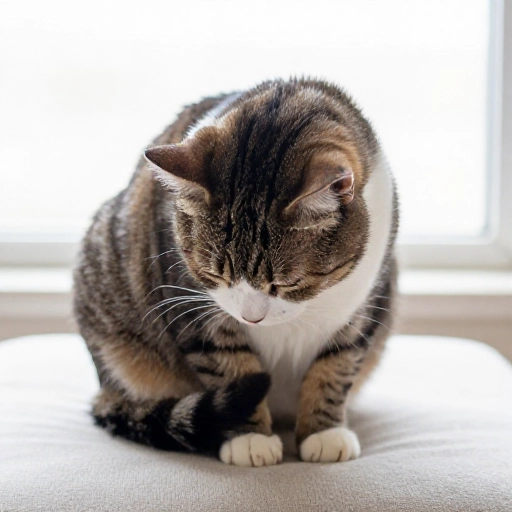
You know your cat’s normal loaf, stretch, and curl. Pain can change how they hold their body. A hunched back, tucked belly, or head held lower than usual are common signs. They might also sit in a “meatloaf” position with their paws tucked tightly underneath.
Watch for a stiff tail that doesn’t swish or curl like before. If they flinch when you touch a certain spot, that’s a clear clue.
Take a photo of your cat’s posture when they’re resting. It helps to compare normal vs. not-so-normal.
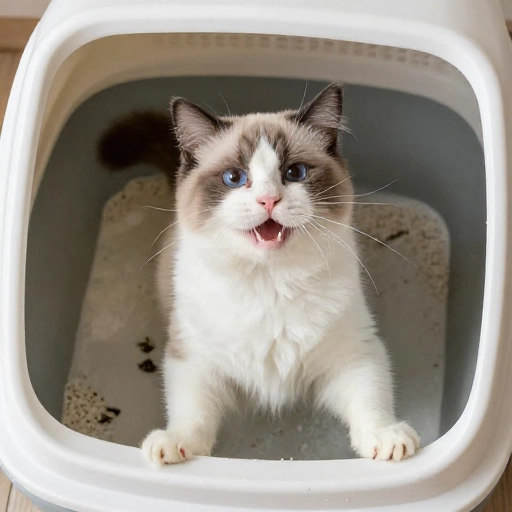
5. Changes in Litter Box Habits
Pain can make using the litter box a challenge. Arthritis in the hips or knees might make stepping in and out painful. Some cats start peeing outside the box because the squatting hurts. Others might cry out while trying to go.
Watch for smaller, more frequent trips to the box or straining without producing much. Blood in the urine or stool is always a sign to call the vet.
Make sure the box has low sides for easy entry. And clean it often—some cats avoid a dirty box even more when they’re sore.
6. Changes in Sleeping Patterns
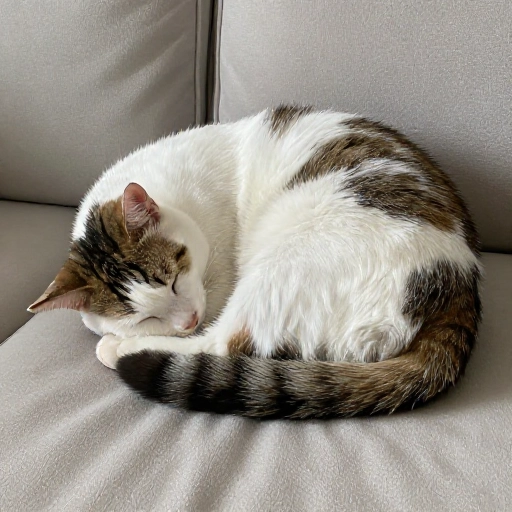
Pain often disrupts sleep. Your cat might sleep more than usual to conserve energy, or they might seem restless and unable to settle. You might find them sleeping in strange positions—like sitting upright or with their head hanging off a surface.
If they wake up frequently or seem groggy and slow to get up, that’s another sign. A comfortable cat sleeps deeply and stretches out. A cat in pain often stays tense, even while dozing.
Notice if they’re sleeping in new spots that are warmer or softer than usual. That can be a way to soothe aching joints.
7. Vocalizing More (or Less)
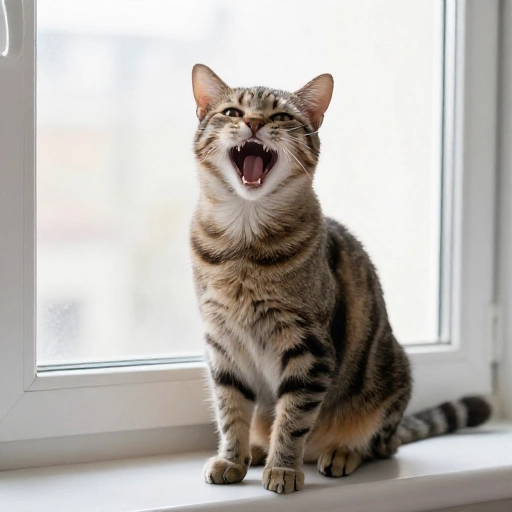
Some cats become more chatty when they hurt. You might hear low growls, hisses, or yowls, especially when they’re moving or being touched. Others go quiet—even a normally talkative cat might stop meowing entirely because it takes too much energy.
Pay attention to the tone. A sudden, sharp meow when you pick them up is a big clue. Or if they start crying at odd hours, that could mean discomfort.
Record any new sounds on your phone. It helps the vet understand what you’re hearing at home.
8. Changes in Activity Level
If your cat used to chase toys or race up the stairs but now prefers to sit and watch, pain could be slowing them down. They might hesitate before jumping on the couch or take a running start just to make it onto the bed.
On the other hand, some cats get restless and pace, especially if the pain is from something like a urinary issue. Watch for limping, stiffness after naps, or a reluctance to play.
Try gentle, low-impact play like a feather wand on the floor. If they show interest but don’t pounce, that’s a sign they want to play but it hurts.
9. Aggression or Irritability
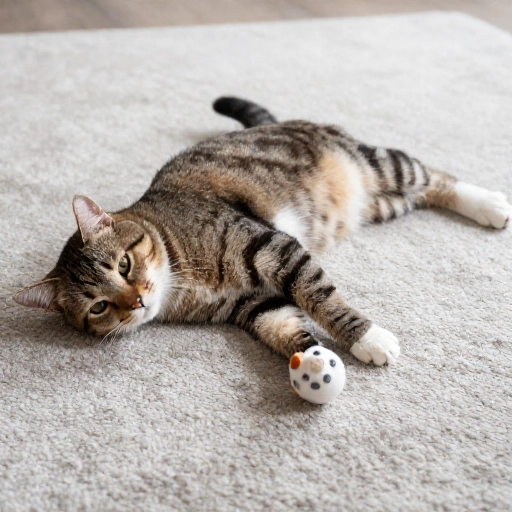
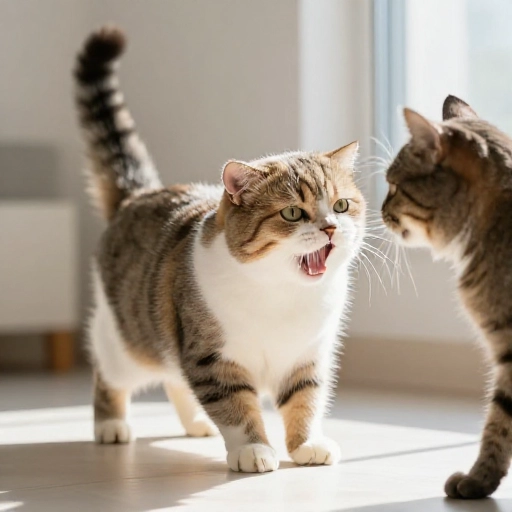
A sweet cat that suddenly hisses, swats, or bites might be reacting to pain. It’s their way of saying “back off.” You might notice this when you try to pet a certain area, or even when another cat approaches. Guarding a painful spot is common.
Look for ears flattened back, a twitching tail, or dilated pupils. These are subtle warnings before a swat. Even a cat that’s never bitten before might snap if they’re hurting.
Respect their space. If they’re acting grumpy, give them a quiet spot and don’t force affection. Let your vet rule out pain as the cause.
10. Changes in Facial Expression
Cats have subtle facial cues when they’re in pain. Squinting eyes, ears that are slightly rotated outward, or a tense mouth with the whiskers pulled back can all signal discomfort. Some cats develop a blank stare or look “dazed.”
Compare their relaxed face to their current one. A healthy cat has soft eyes and relaxed whiskers. A painful cat might look worried or “hard” around the eyes.
Take a photo of their face when they’re calm and happy. It’s easier to spot changes when you have a baseline.

Conclusion
Noticing these signs early can save your cat from weeks or months of hidden pain. Trust your gut—you know your cat better than anyone. If something feels off, it probably is. A quick vet check can give you peace of mind and get your kitty back to their happy, purring self.
Remember, pain in cats is often treatable. Whether it’s dental issues, arthritis, or something else, there are solutions. You just have to be their voice.
FAQ
1. Can cats hide pain for a long time?
Yes, cats can hide pain for weeks, months, or even years. That’s why subtle changes in behavior are so important to notice. By the time obvious symptoms show up, the issue may be advanced.
2. What should I do if I think my cat is in pain?
Start by observing and taking notes. Then call your vet. Never give human painkillers to a cat—many are toxic. Your vet can recommend safe options.
3. Are there home remedies for cat pain?
Some things like soft bedding, warm blankets, or low-sided litter boxes can help with comfort. But pain usually needs a vet’s diagnosis. Don’t rely on home remedies alone.
4. Do cats purr when they’re in pain?
Yes, they do. Purring can be a sign of contentment, but also a self-soothing mechanism when they’re stressed or hurting. Don’t assume a purring cat is a pain-free cat.
5. How can I tell if my cat’s pain is an emergency?
If your cat stops eating or drinking for more than 24 hours, is vomiting, has trouble breathing, or can’t move, get to a vet immediately. Sudden extreme changes always warrant a call.