Maximize Comfort: The Best Dog Beds for Every Breed (Pinterest Guide to Happier Naps)
Every dog has a sleep personality. My husky sprawls like a starfish, my neighbor’s dachshund burrows under blankets, and my sister’s Great Dane basically needs a small mattress. The bed that works for one breed can be a total flop for another.
After years of washing muddy covers, replacing flattened foam, and watching my dogs circle a bed before deciding it’s “just okay,” I’ve figured out what actually matters. Size, joint support, temperature, and sleep style change the game.
This guide breaks down the best dog beds for every breed—from tiny Chihuahuas to giant Mastiffs. I’ll keep it practical so you can scan, pin, and find the perfect match without guessing.
1. Why Breed Size Changes the Whole Bed Game
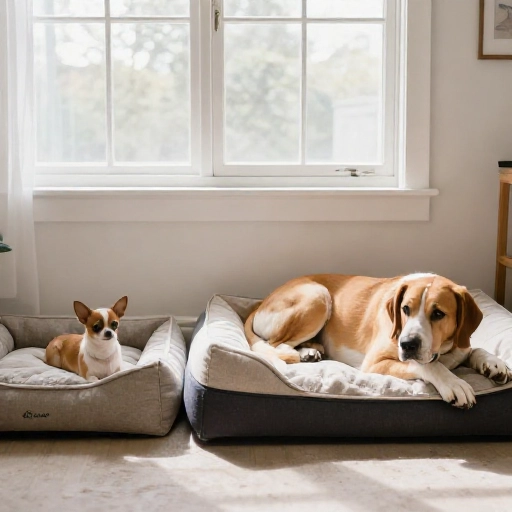
Small breeds like Yorkies, Chihuahuas, and Maltese need low-entry beds. They can jump, but tiny joints still appreciate a bed that’s easy to step into and cozy enough to trap body heat.
Medium breeds—think beagles, Frenchies, and Australian shepherds—are the Goldilocks group. They need room to stretch but don’t need a giant slab of foam that takes over the living room.
Giant breeds like Great Danes, Saint Bernards, and Mastiffs need serious support. A cheap bed flattens in weeks, and that’s rough on elbows and hips. I always size up for giants.
2. Orthopedic Dog Beds for Seniors and Large Breeds
If your dog is stiff in the morning or slow to get up, an orthopedic bed isn’t a luxury—it’s practical. I look for solid memory foam, not shredded fill that clumps after a month.
Large breeds carry more weight, so foam density matters. A thick base with a supportive core can help distribute pressure and ease achy joints.
Bonus points if the cover unzips and goes in the washing machine. Senior dogs have accidents sometimes, and I don’t want a bed that’s impossible to clean.
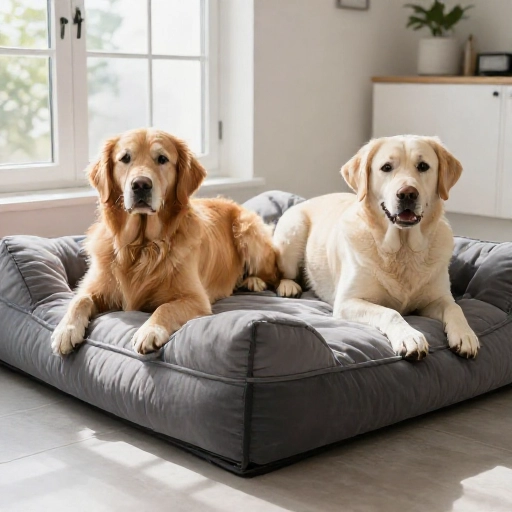
3. Bolster Beds for Curlers, Cuddlers, and Anxious Breeds
Some dogs sleep curled in a tight ball. Pugs, Frenchies, Chihuahuas, and many pit mixes love a bed with raised edges they can lean against.
A bolster bed gives them a sense of security. It’s like a hug they can adjust. My pug mix rests his chin on the rim and still keeps an eye on the door.
Look for a bolster that keeps its shape. Floppy edges that collapse after a week defeat the purpose.
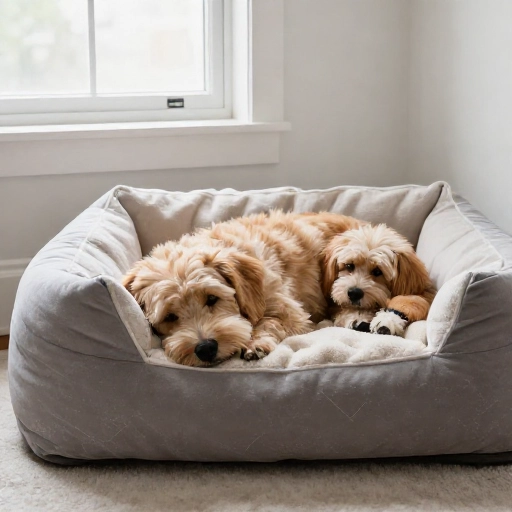
4. Cooling Beds for Double-Coated and Flat-Faced Breeds
Huskies, Malamutes, Akitas, and Chow Chows run hot. So do flat-faced breeds like pugs and bulldogs. A thick, fluffy bed can turn into a sauna.
I switch to elevated mesh cots or gel-infused mats when the weather warms up. Airflow underneath makes a bigger difference than most people expect.
If your dog sprawls on the tile floor instead of their bed, that’s a hint. They’re trying to cool down. A breathable bed can bring them back to their spot.
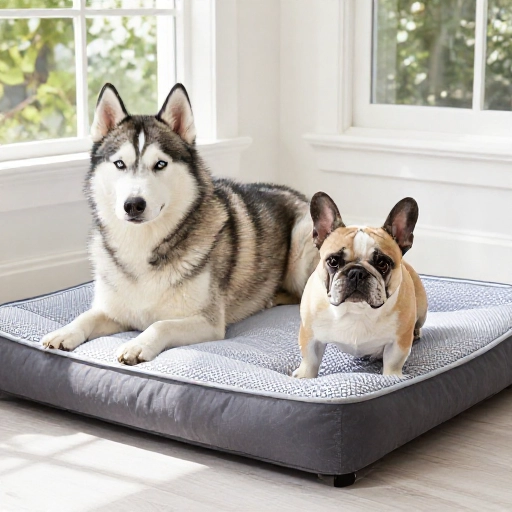
5. Burrow and Cave Beds for Sighthounds and Cold-Natured Dogs
Greyhounds, whippets, Italian greyhounds, and dachshunds often love to burrow. They want to be covered, tucked in, and hidden from drafts.
A cave-style bed gives them that den feeling. Hairless breeds and tiny seniors appreciate the extra warmth too.
Check that the hood is sturdy. A flimsy top that collapses on your dog’s head is annoying, not cozy.
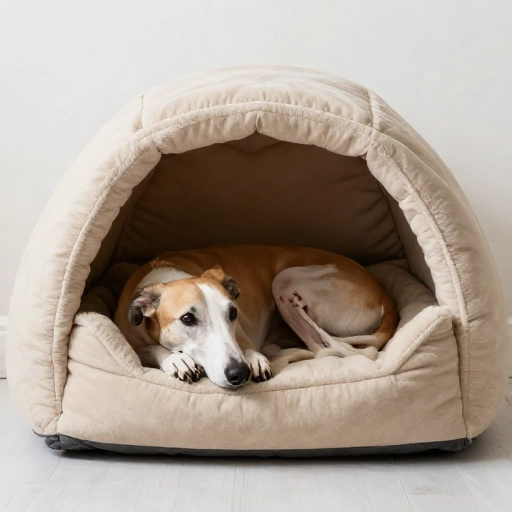
6. Waterproof and Heavy-Duty Beds for Puppies, Seniors, and Chewers
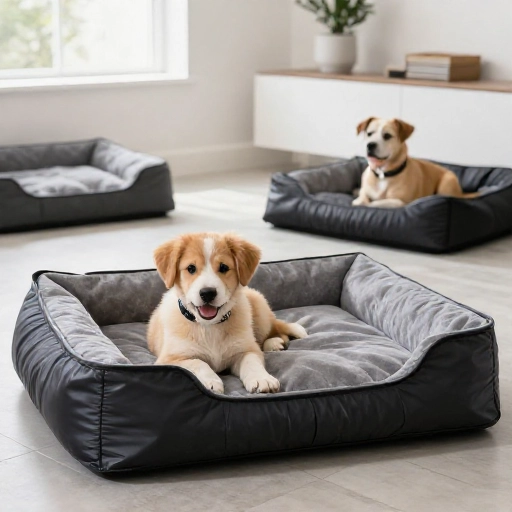
Puppies have accidents. Seniors sometimes do too. And some dogs treat their bed like a chew toy. That’s why I keep at least one waterproof bed in rotation.
A waterproof liner is non-negotiable during puppyhood. It saves the foam and saves my sanity. Heavy-duty ballistic fabric can also survive a determined chewer—at least for a while.
No bed is completely indestructible. If your dog destroys everything, supervise them with the bed until you know their style.
7. Elevated Cot Beds for Hot Sleepers and Outdoor Lovers
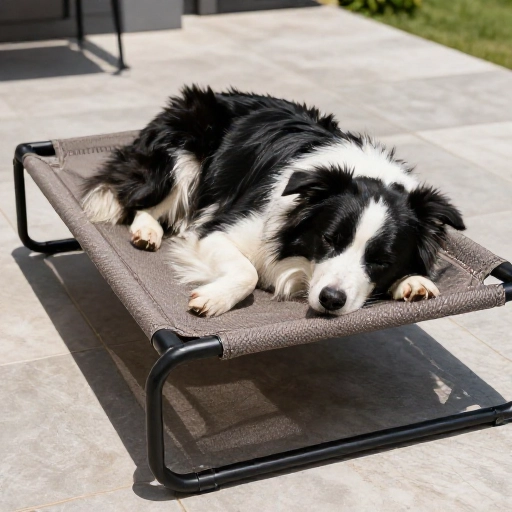
Elevated cot beds keep dogs off the ground and let air move underneath. That means cooler naps and fewer hot spots in summer.
My Australian shepherd uses one on the patio after hikes. It’s easy to hose down, and mud falls right through the mesh.
They’re also great for dogs who like to sprawl. No walls, no fluff—just a firm, breathable surface.
8. Calming Donut Beds for Anxious, Rescue, and Velcro Dogs
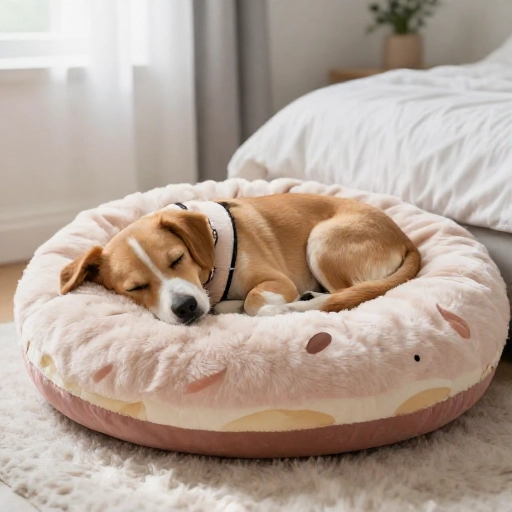
Rescue dogs and anxious pups often relax faster in a donut bed. The raised rim mimics the feeling of curling up with a littermate.
If your dog follows you room to room, a portable calming bed helps. I put one in my office so my dog can settle instead of pacing.
Faux fur can be soothing, but washable covers are a must. Anxiety sometimes comes with drool or accidents.
9. Washable, Low-Allergen Beds for Shedders and Allergy-Prone Homes
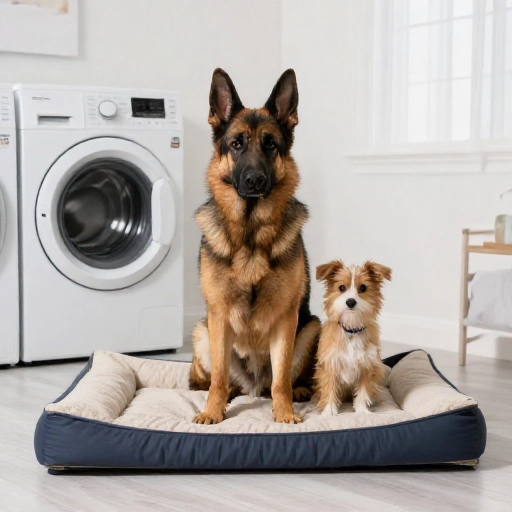
Labs, German shepherds, golden retrievers, and huskies shed. A lot. I keep two covers per bed so one can be in the wash while the other is in use.
Look for removable, machine-washable covers. Avoid beds with deep crevices that trap hair and dust.
If allergies are an issue, choose smooth fabrics over shaggy ones. They collect less dander and are easier to vacuum.
10. Travel and Multi-Use Beds for Adventurous Breeds
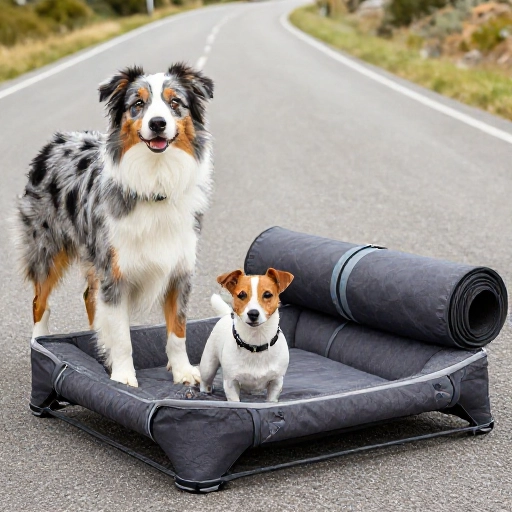
Border collies, Jack Russells, Labs, and other active breeds often join road trips, hikes, and hotel stays. A foldable travel bed makes those adventures easier.
I look for a mat with a waterproof bottom and a soft top. It can double as a crate mat, a camping bed, or a spot at a friend’s house.
Multi-use beds save space and keep your dog comfortable in unfamiliar places. That consistency helps them settle faster.
Final Thoughts: Match the Bed to the Breed, Not the Trend
The best dog bed isn’t the most expensive or the most Instagrammable. It’s the one that fits your dog’s size, sleep style, and health needs.
Start with size and support, then think about temperature, anxiety, and cleaning. When you get those right, your dog sleeps deeper, moves easier, and gives you fewer 3 a.m. wake-up calls.
Frequently Asked Questions
How often should I replace a dog bed?
If the foam stays flattened after you press it, or the cover can’t be cleaned anymore, it’s time. Most beds last one to three years, depending on the dog and quality.
Are orthopedic dog beds worth it?
Yes, especially for seniors, large breeds, and dogs with arthritis. Solid memory foam can make getting up easier and improve their quality of sleep.
How do I measure my dog for a bed?
Measure your dog from nose to tail while they’re stretched out. Add 6–12 inches so they can sprawl. For curlers, a bed that’s slightly bigger than their curled size works.
Can I wash a memory foam dog bed?
Usually, you can wash the cover, but not the foam core. Check the care tag. Spot-clean the foam and let it air dry completely before putting the cover back on.
What bed is best for a dog that chews?
Look for heavy-duty, chew-resistant fabric and a waterproof liner. No bed is 100% chew-proof, so supervise and redirect chewing to toys.