Why Do Cats Bunny Kick Toys?
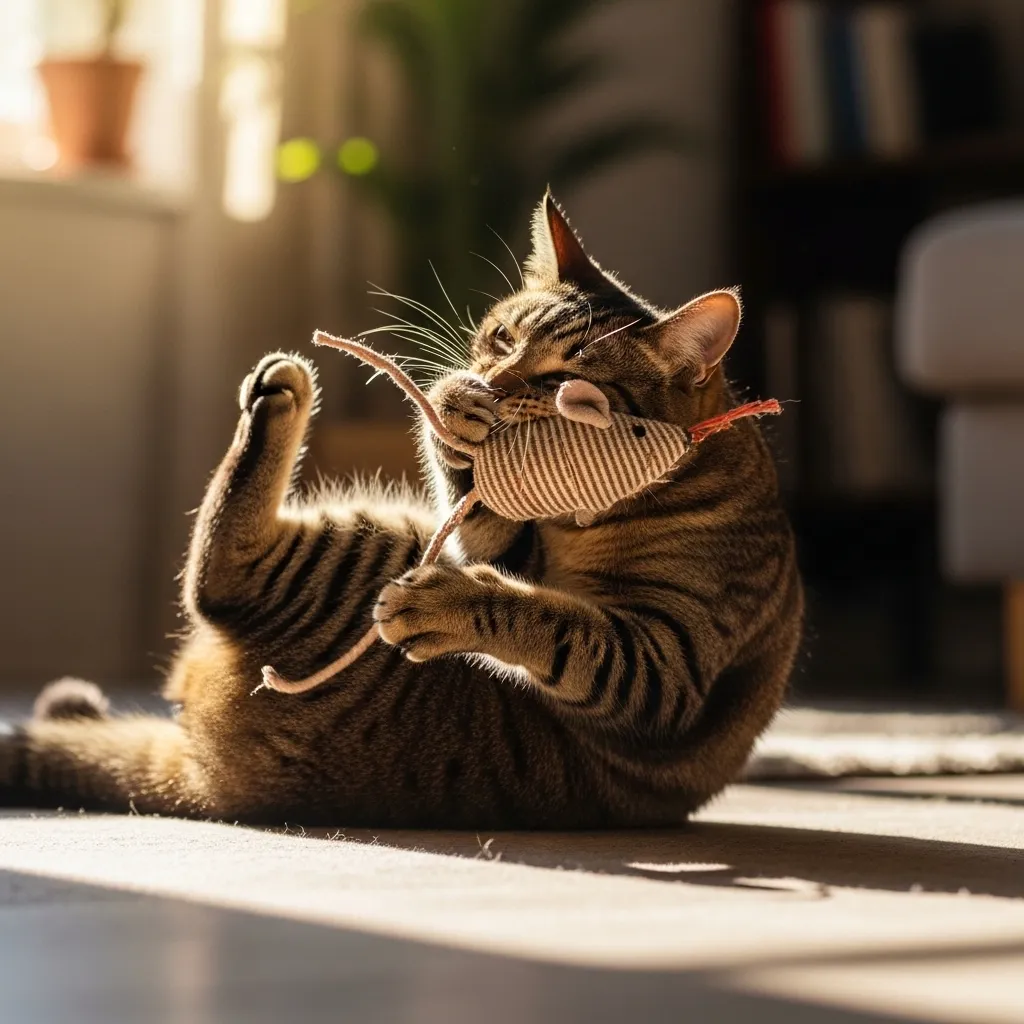
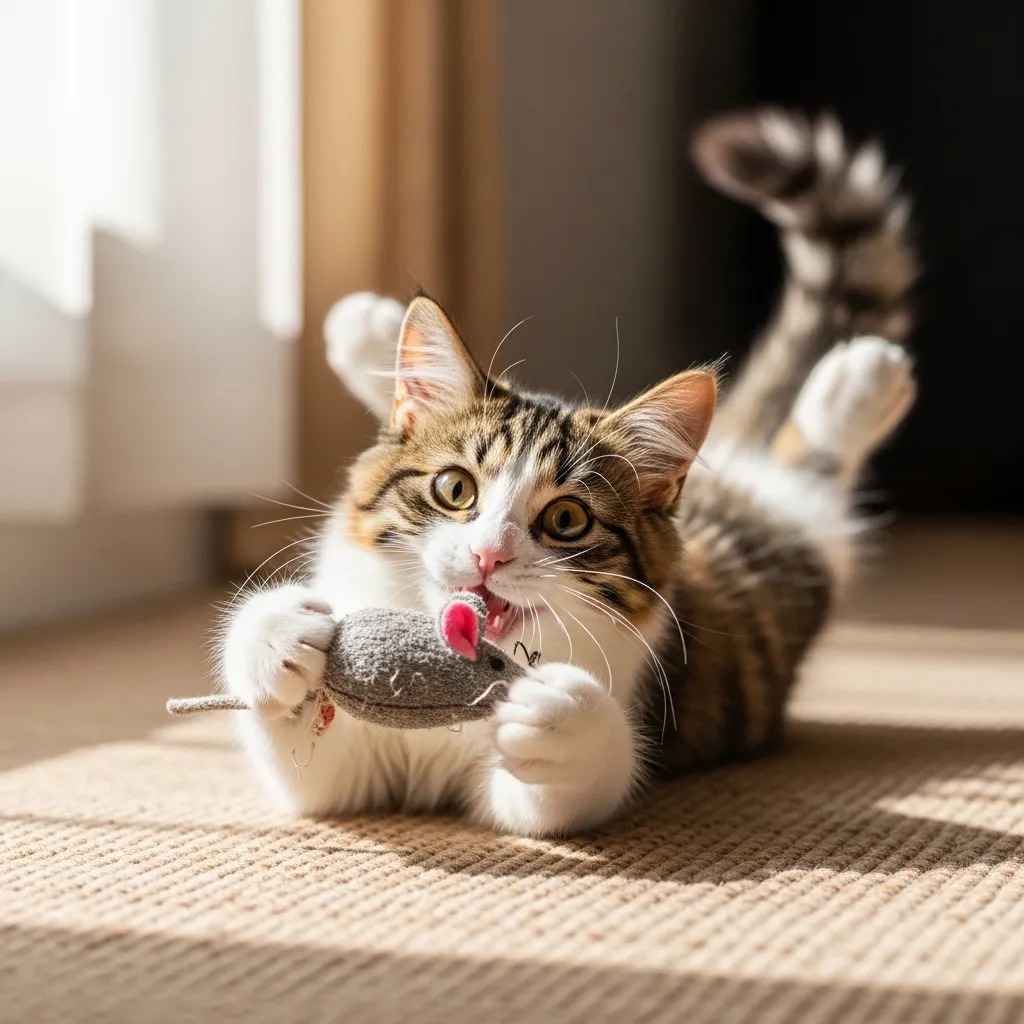
If you have a cat, you’ve seen the move. They grab a toy with their front paws, wrap their back legs around it, and start kicking like they’re riding a tiny bicycle. It looks cute, a little violent, and honestly, a bit confusing. I used to think my cat was just being dramatic.
This behavior, called bunny kicking, is actually a natural instinct. It’s not random or aggressive in a bad way. It’s how cats would kill prey in the wild, especially small animals that fight back. Your cat isn’t being mean. They’re just practicing an ancient survival skill.
Understanding why your cat does this helps you pick better toys and play in a way that makes them happy. Let’s break down the reasons behind the kicks.
1. It’s a Hunting Instinct
In the wild, a cat catches prey with their front claws and uses their strong back legs to kick. This motion helps them hold the prey still and deliver a final blow. It’s efficient and effective.
When your cat bunny kicks a toy, they’re replaying that whole sequence. The toy becomes the prey. The kicks are how they would finish the hunt.
This is why interactive toys that mimic movement trigger the strongest kicking response. It feels real to them.
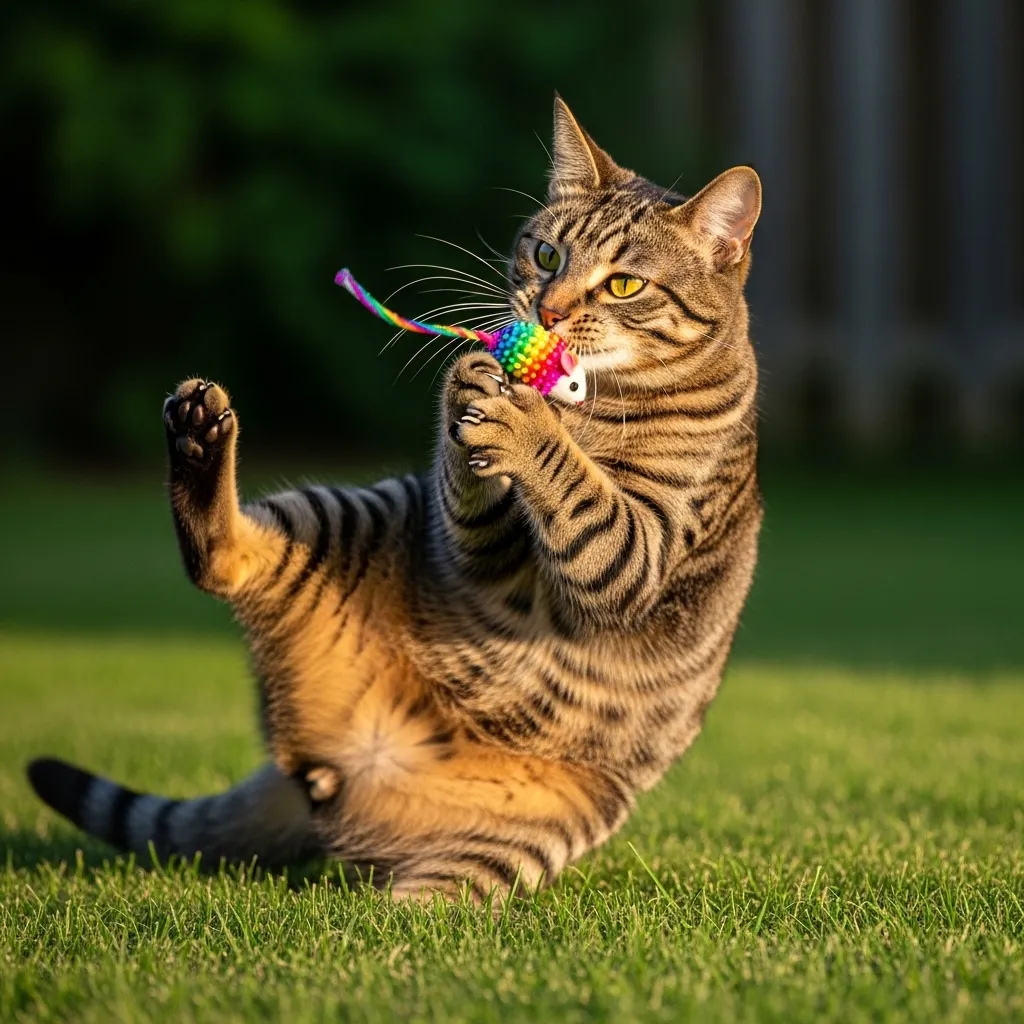
2. They’re Using Their Strongest Muscles
A cat’s back legs are incredibly powerful. They can jump several times their body length. Bunny kicking lets them use that strength on a toy.
It’s a full-body workout. They engage their core, back, and leg muscles all at once. For a house cat, this is a great way to burn energy.
Think of it as their version of a hard workout session. It feels good to let loose.
3. It Helps Them Practice Self-Defense
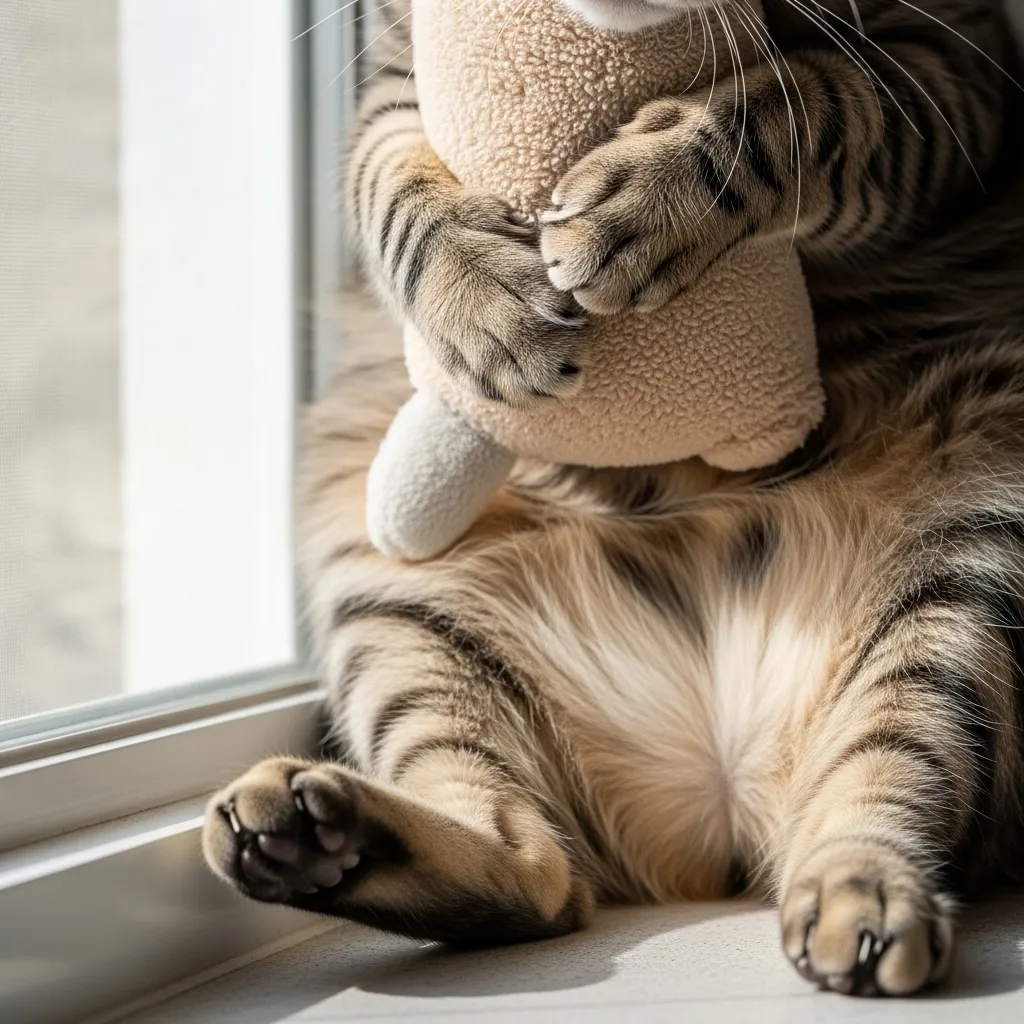
Bunny kicking isn’t just for hunting. Cats also use this move to defend themselves. If a cat is on their back, they can kick upward to keep an attacker away.
When they roll over with a toy, they are practicing being on the defensive. It’s a safe way to rehearse a fight without any real danger.
This is especially common with kittens. They learn the move from their littermates during rough play.
4. It’s a Sign of Excitement and Focus
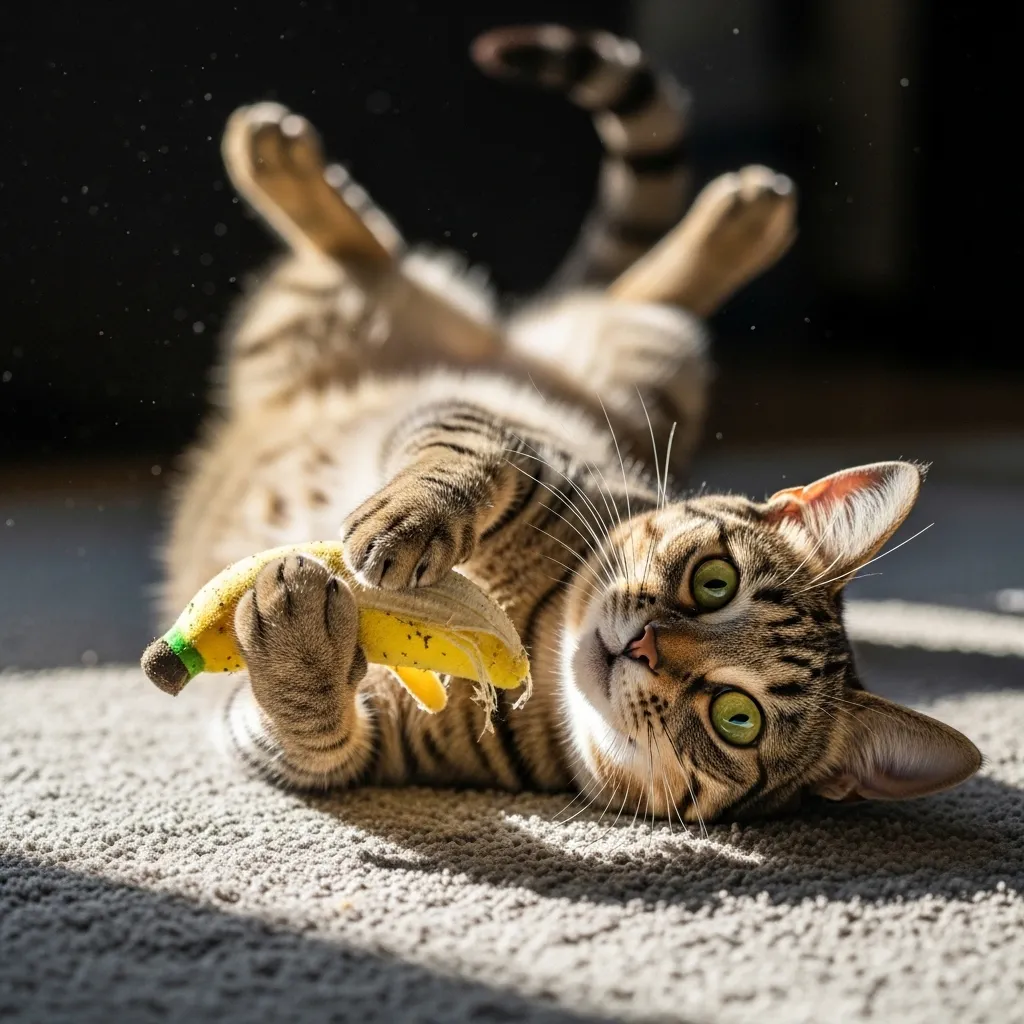
Watch your cat’s eyes when they start kicking. They are usually locked on the toy. Their body is tense, and their ears might be forward. This is pure focus.
Bunny kicking is a peak moment in play. It means the toy has fully captured their attention. They are in “hunt mode.”
If your cat stops and starts kicking, it means they are really into the game. It’s a good sign they are having fun.
5. Some Toys Are Designed for It
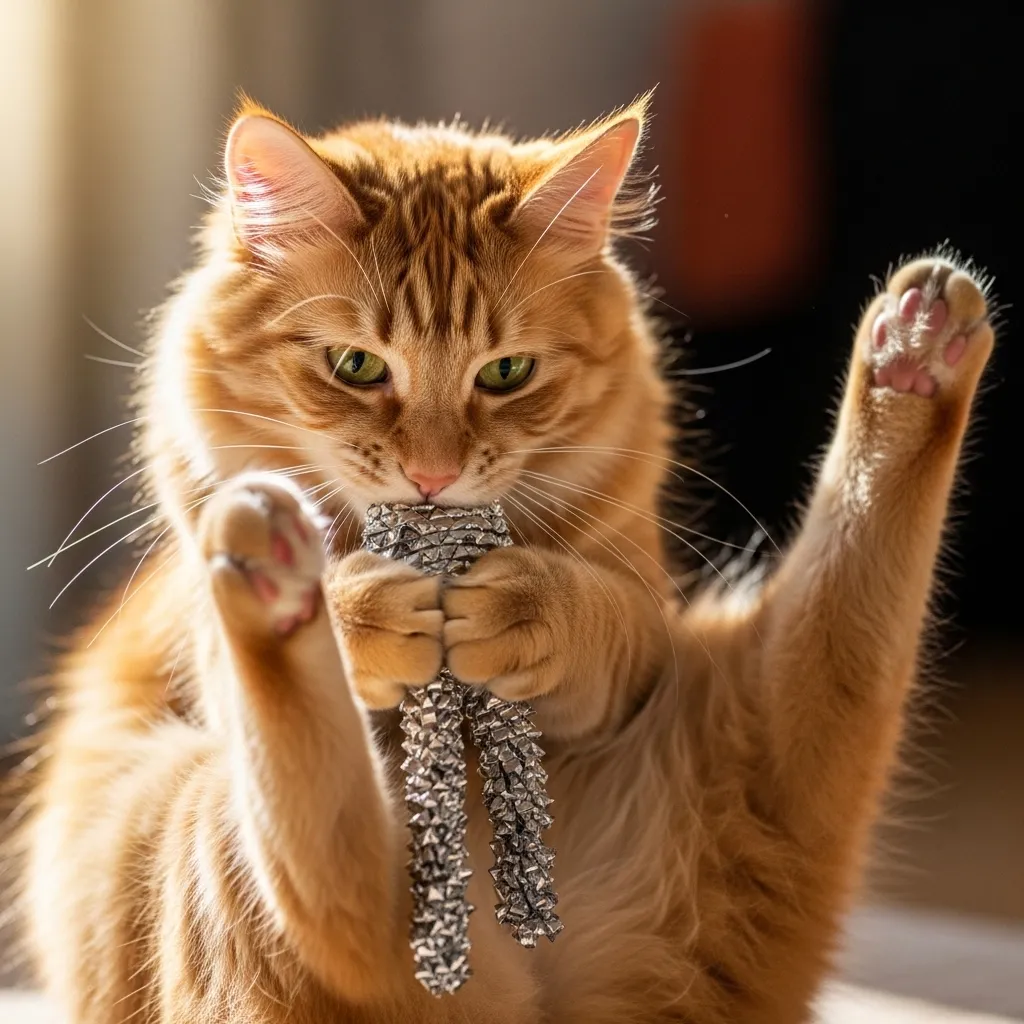
Not all toys kick the same. Long, soft toys like kicker sticks are perfect for this behavior. They are easy to grab and hold with front paws.
Small, round toys often get ignored for kicking. Cats prefer something they can wrap their whole body around. That’s why a plush fish or a stuffed tube works so well.
If your cat loves to kick, buy toys specifically made for it. They are usually filled with catnip or crinkle paper for extra fun.
6. It Releases Built-Up Energy
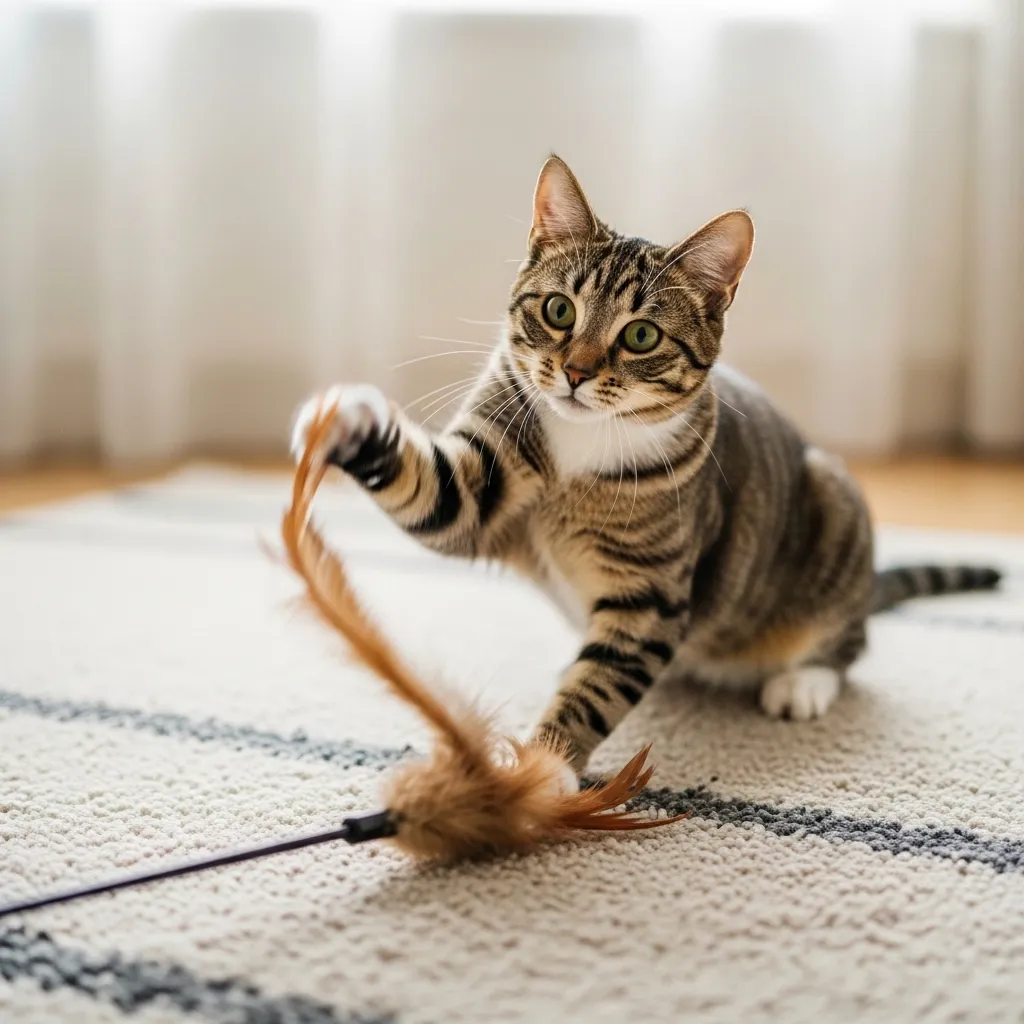
Indoor cats have a lot of energy with nowhere to go. Bunny kicking is a physical outlet. It lets them burn off that energy in a safe way.
A cat that bunny kicks a lot might need more playtime during the day. It’s their way of saying, “I need to move.”
Short, frequent play sessions can help. Aim for two to three sessions of 10 minutes each. It makes a big difference.
7. It’s a Natural Reaction to Texture
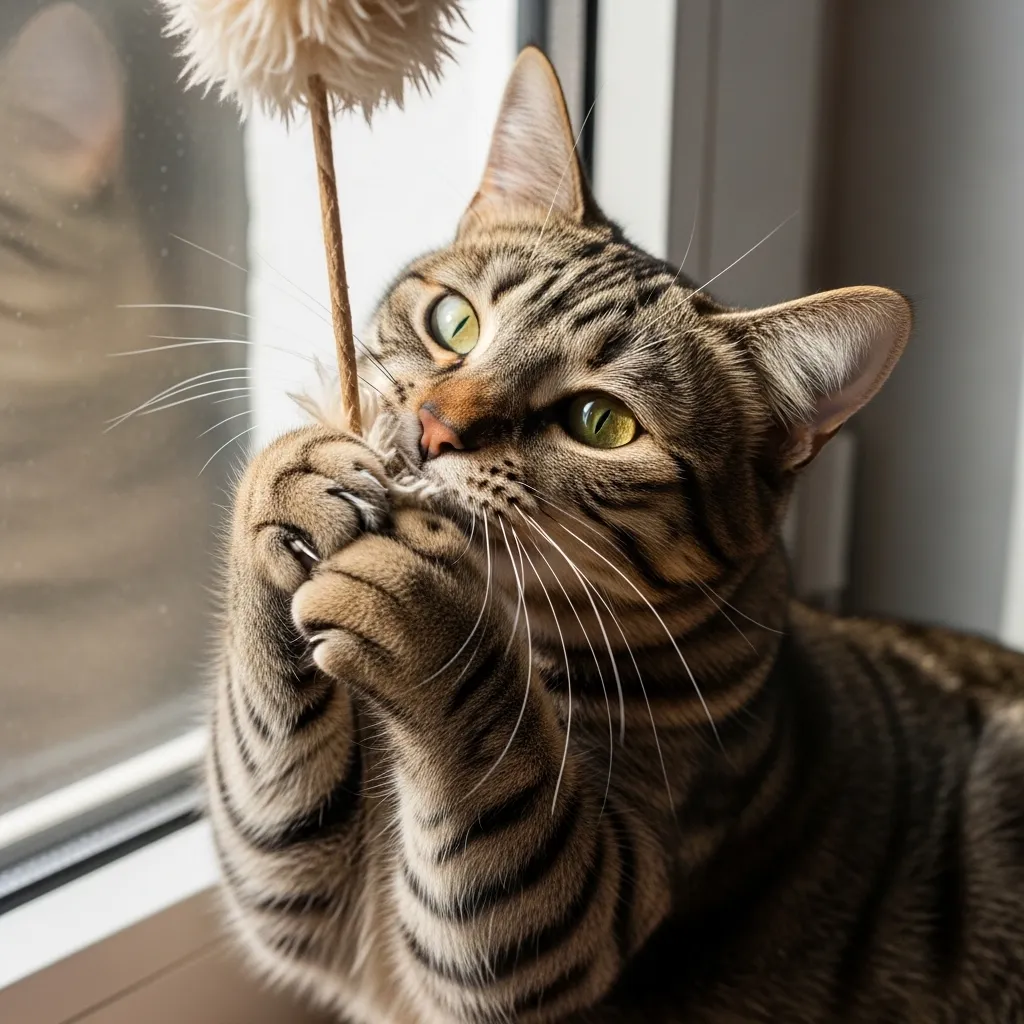
Certain fabrics trigger the kicking response. Fleece, faux fur, and wool seem to be irresistible to many cats. The texture feels like prey fur.
Your cat might kick a soft blanket or a fuzzy slipper. It’s not the object itself, but how it feels against their paws. The texture tricks their instinct.
If your cat kicks your clothes, try offering a toy with a similar texture instead. It’s an easy swap.
8. It Can Be a Way to Relieve Stress
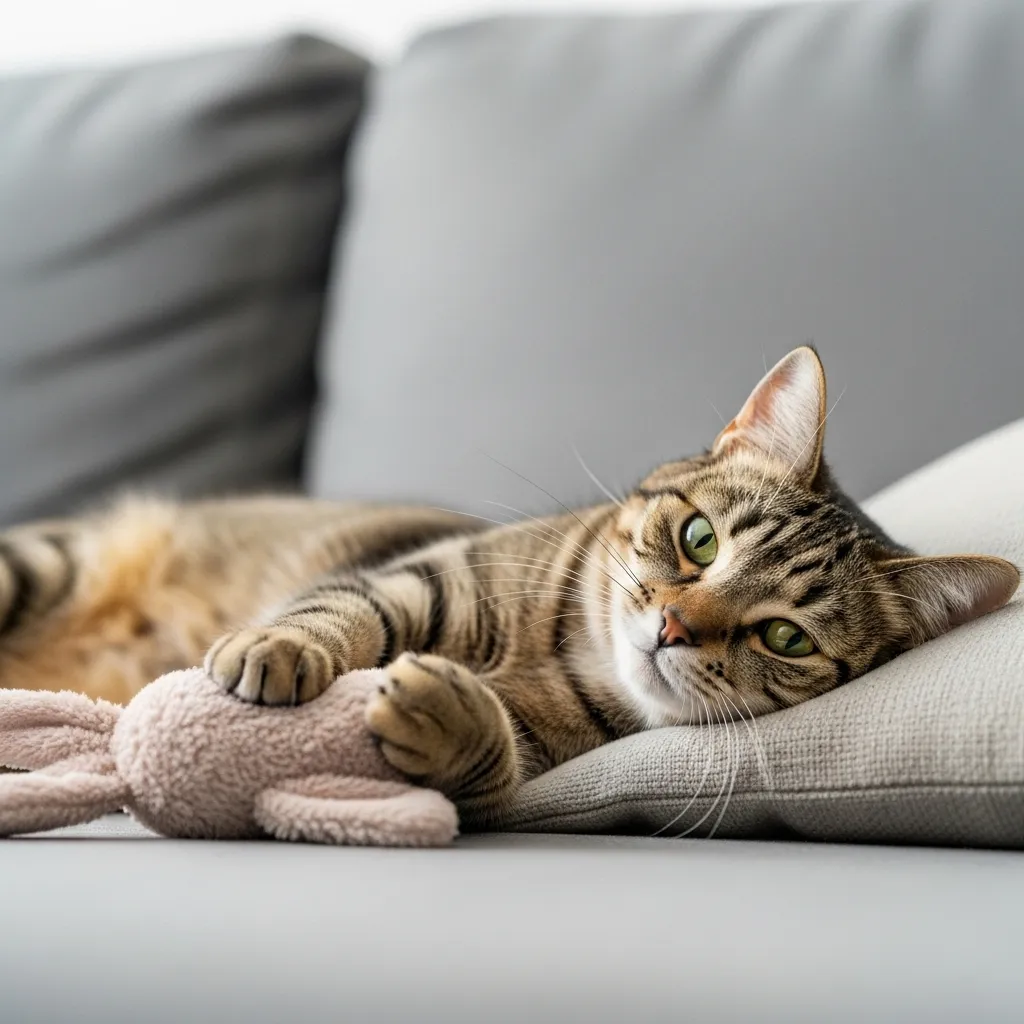
Just like people exercise to feel better, cats kick to release tension. It’s a repetitive motion that can be calming.
If your cat has had a stressful day, they might grab a toy and start kicking. It helps them process their feelings. It’s a healthy coping mechanism.
Providing a safe toy for kicking can reduce unwanted behaviors like scratching furniture.
9. It’s a Learned Behavior from Kittenhood
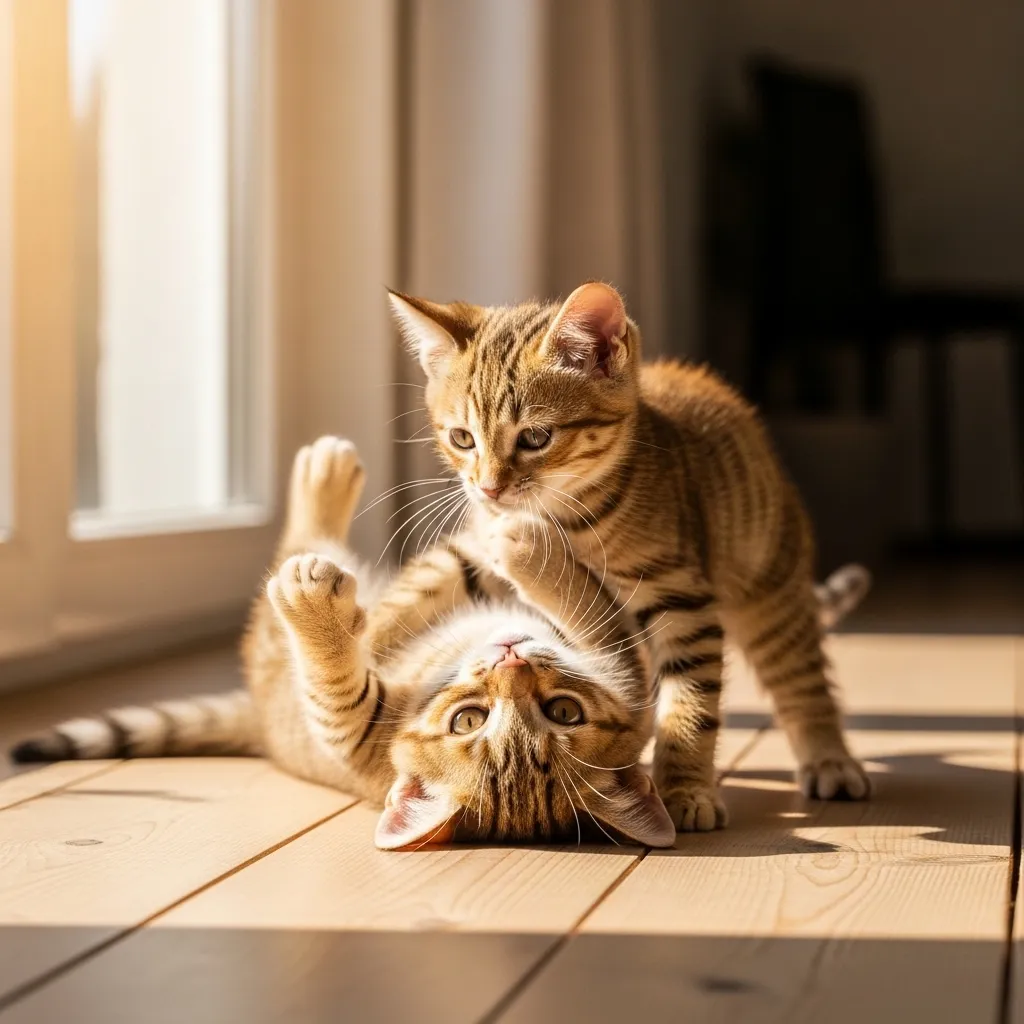
Kittens start bunny kicking when they are very young. They practice on their siblings during wrestling matches. It’s a skill they develop over time.
If a kitten didn’t have littermates, they might kick toys less often. But most cats pick it up naturally. It’s wired into their brain.
Watching kittens learn to kick is adorable. They are clumsy at first, but they get better with practice.
10. It’s Simply Fun for Them
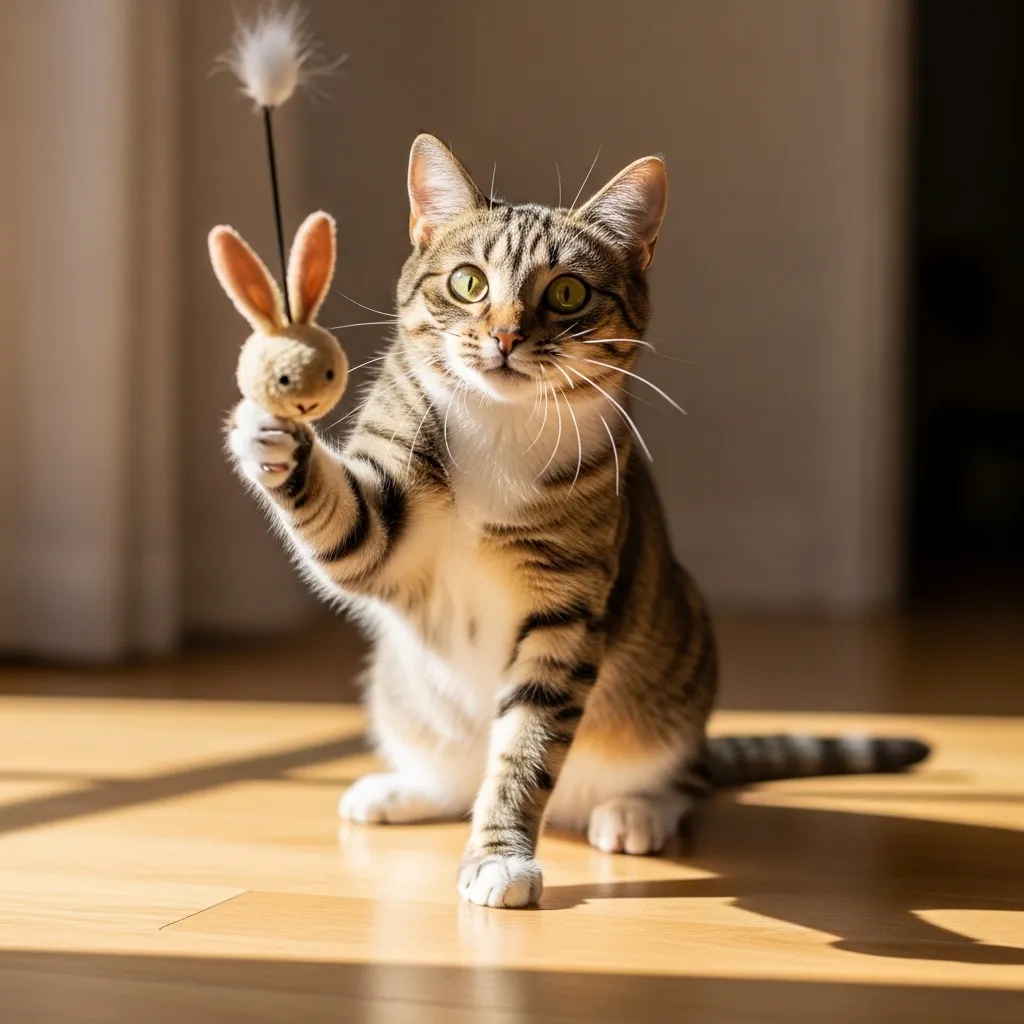
At the end of the day, cats bunny kick because it feels good. It’s a satisfying motion that gives them a sense of control and success.
They get to be a predator for a few minutes. They get to wrestle, bite, and kick without any consequences. It’s pure, joyful play.
If your cat is kicking, let them enjoy it. It’s one of the best parts of being a cat.
Conclusion
Bunny kicking is a normal, healthy cat behavior. It comes from their hunting instincts, helps them exercise, and gives them a way to have fun. It’s not aggression, it’s instinct.
The best thing you can do is provide the right toys and let them kick to their heart’s content. It keeps them happy, active, and mentally sharp. So next time your cat grabs a toy and starts kicking, just smile. They are being exactly who they are.
FAQ
Is bunny kicking a sign of aggression in cats?
No, it’s usually a sign of play and hunting instinct. If your cat kicks a toy, they are having fun. If they kick your hand, it’s still play, but it can hurt. Use a toy instead.
Why does my cat bunny kick me?
If your cat kicks your arm or leg, they might be overstimulated or playing too rough. It’s their instinct taking over. Stop play and give them a toy to kick instead.
Should I stop my cat from bunny kicking?
No, let them kick. It’s a healthy behavior. Just make sure they have appropriate toys to kick so they don’t damage your furniture or hurt you.
What toys are best for bunny kicking cats?
Long, soft toys like kicker sticks, stuffed fish, or plush tubes are ideal. They are easy to hold and kick. Catnip-filled toys are often a big hit.
Do all cats bunny kick?
Most cats do, but some more than others. It depends on their personality, play style, and how much they were encouraged to play as kittens. It’s very common.