14 Most Common Health Issues of Beagles: What Every Owner Needs to Know

I’ve had Beagles in my life for over fifteen years, and I can tell you this—they’re cheerful, stubborn, and full of heart. But they also come with a few health quirks that every owner should know about early on. When I brought home my first Beagle, I didn’t realize how much I’d need to learn about their ears, their weight, and even their eyes.
Beagles are generally healthy dogs, but they are prone to certain conditions because of their genetics and body structure. The good news is that many of these issues can be managed or prevented with the right care. In this article, I’ll walk you through the 14 most common health issues in Beagles, so you know what to watch for and how to keep your pup happy.
Whether you’re a new owner or have had Beagles for years, this guide will help you spot problems early and give your dog the best life possible.
1. Obesity
Beagles live to eat. I’m not exaggerating—their noses lead them straight to food, and they can pack on weight fast. Obesity is the number one health issue in Beagles, and it leads to joint problems, diabetes, and heart disease.
I measure every meal and keep treats to a minimum. A Beagle who looks a little round might actually be overweight. You should be able to feel their ribs without pressing hard. Daily walks and playtime are non-negotiable.
If your Beagle is gaining weight, swap some kibble for green beans or carrots as treats. They love the crunch, and it’s much healthier.

2. Ear Infections
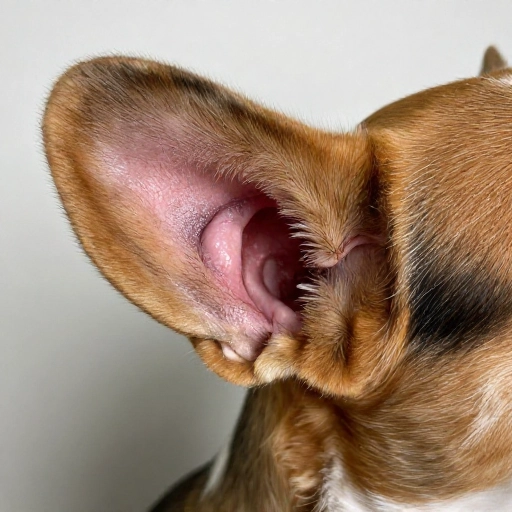
Those floppy ears are adorable, but they trap moisture and dirt. Ear infections are very common in Beagles. I learned this the hard way when my dog started shaking his head nonstop.
Check your Beagle’s ears once a week. Look for redness, a bad smell, or dark wax. Clean gently with a vet-approved solution—never use cotton swabs deep inside.
Dry their ears thoroughly after baths or rainy walks. Prevention is way easier than treating a painful infection.

3. Hip Dysplasia
Hip dysplasia isn’t just for big dogs. Beagles can get it too. This condition happens when the hip joint doesn’t fit properly, causing pain and arthritis over time.
You might notice your Beagle running stiffly, avoiding stairs, or struggling to get up after napping. Keep your dog lean—extra weight makes hip problems much worse.
Joint supplements with glucosamine can help, and low-impact exercise like swimming is great. Always talk to your vet if you see limping.

4. Cherry Eye
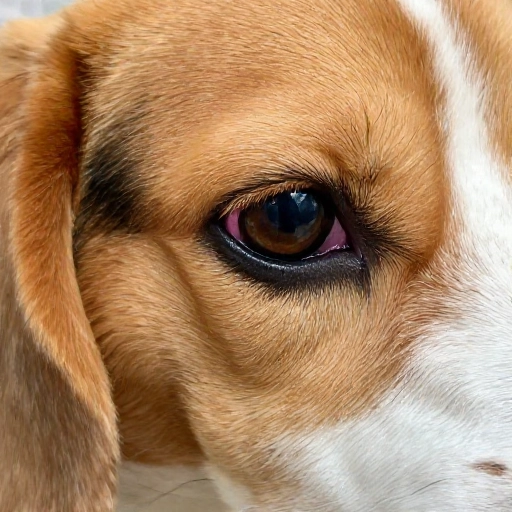
Cherry eye sounds scary, but it’s a gland in the eyelid that pops out and looks like a red cherry. Beagles are prone to this because of their facial structure.
I remember the first time I saw it—I panicked. But it’s not an emergency. You still need a vet to push it back or do a small surgery if it keeps happening.
Don’t try to fix it yourself. Keep the eye clean and get professional help. Most Beagles recover quickly.
5. Hypothyroidism
This means your Beagle’s thyroid doesn’t produce enough hormone. It leads to weight gain, hair loss, and low energy. I thought my Beagle was just getting lazy, but it turned out to be his thyroid.
Other signs include dry skin, a dull coat, and feeling cold all the time. The good news? It’s treatable with daily medication.
A simple blood test can diagnose it. Once on meds, your Beagle will bounce back within weeks.

6. Allergies
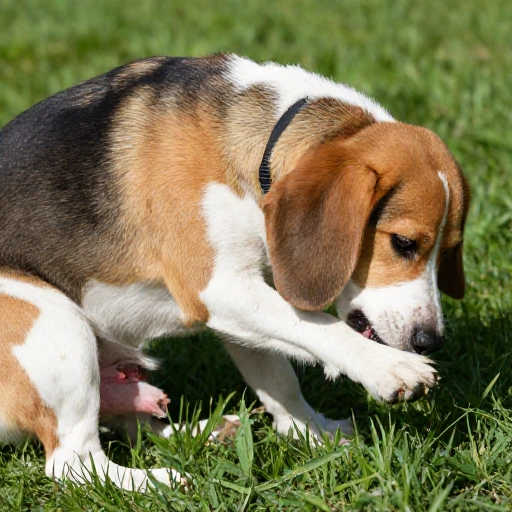
Beagles get allergies just like people. They can be allergic to food, pollen, dust, or even grass. You’ll see itching, red paws, ear infections, or constant licking.
I switched my Beagle to a limited-ingredient diet and saw a huge difference. Keep a journal of when symptoms flare up—it helps you find the trigger.
Your vet might recommend antihistamines or special shampoos. Don’t ignore the scratching; it can lead to hot spots.
7. Epilepsy
Seizures are more common in Beagles than many people realize. Epilepsy can be genetic, and it usually shows up between one and five years old.
Witnessing a seizure is frightening, but stay calm. Keep your dog away from furniture, time the seizure, and call your vet. Most Beagles with epilepsy live full lives with medication.
Never put your hands near their mouth during a seizure—they can’t swallow their tongue, and you might get bitten accidentally.

8. Intervertebral Disc Disease (IVDD)
Beagles have long backs, which makes them prone to disc problems. IVDD happens when the cushioning between spine bones bulges or ruptures.
You might see your dog yelping in pain, walking wobbly, or refusing to jump. This is serious—get to a vet right away.
Keep your Beagle from jumping off furniture. Use ramps for beds and cars. Maintaining a healthy weight is huge for prevention.
9. Glaucoma
Glaucoma is increased pressure inside the eye, and it can cause blindness fast. Beagles are genetically predisposed to it.
Look for red eyes, cloudiness, squinting, or your dog bumping into things. This is a medical emergency—don’t wait.
Treatment includes eye drops or surgery. Regular vet checkups can catch it early before damage is done.
10. Progressive Retinal Atrophy (PRA)
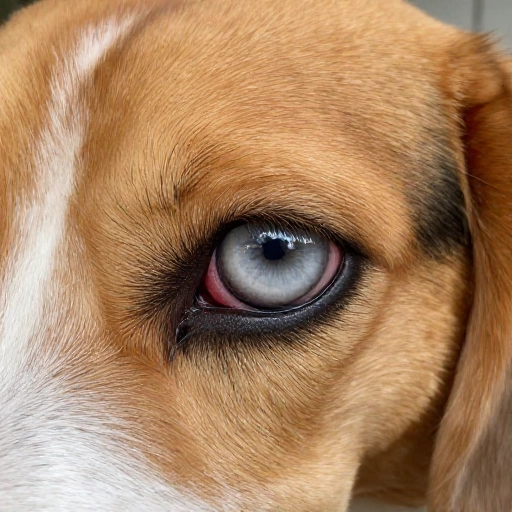
PRA is a degenerative eye disease that slowly leads to blindness. It’s inherited, and you might not notice until your Beagle starts acting clumsy at night.
There’s no cure, but dogs adapt amazingly well. Keep furniture in the same place and use scent cues to help them navigate.
If your Beagle seems unsure in dim light, have their eyes checked. Many blind Beagles live happy, active lives with a little extra support.

11. Patellar Luxation
This is when the kneecap pops out of place. You might see your Beagle skip a step or hold up a leg for a few seconds before putting it down again.
It can be mild or severe. Mild cases are managed with joint supplements and keeping them lean. Severe cases might need surgery.
Watch for any limping that comes and goes. Your vet can test for this easily during an exam.

12. Bladder Stones
Beagles are prone to bladder stones, especially females. These stones form from minerals in the urine and can cause pain, blood, or trouble peeing.
If your Beagle strains to pee or has accidents in the house, don’t assume it’s a behavior issue—it could be stones.
Your vet might recommend a special diet or surgery to remove them. Make sure your dog drinks plenty of water and has frequent potty breaks.

13. Dental Disease
Small mouths and crowded teeth mean Beagles often get plaque and gum disease. Bad breath is usually the first sign.
I brush my Beagle’s teeth a few times a week with dog toothpaste. Dental chews help too, but they’re not enough on their own.
Untreated dental disease can harm the heart and kidneys. Annual cleanings at the vet are worth it.

14. Ear Hematomas
When a Beagle shakes their head hard from an ear infection, blood vessels in the ear flap can burst. This creates a swollen, warm pocket of blood called a hematoma.
It looks scary, but it’s treatable. Your vet may need to drain it or do a small surgery. The key is treating the ear infection first.
I always keep my Beagle’s ears clean and dry to prevent the cycle of itching, shaking, and hematomas.
Conclusion
Beagles are wonderful companions, but they do need a little extra attention when it comes to health. The more you know about these common issues, the better you can protect your dog from pain and discomfort.
I’ve learned that regular vet visits, a good diet, and daily care make all the difference. Your Beagle depends on you to notice when something’s off. Trust your gut—if something seems wrong, it probably is.
Take care of those floppy ears, keep the weight in check, and love them through every sniff and howl. They’re worth it.
Frequently Asked Questions
1. What is the average lifespan of a Beagle?
Most Beagles live between 12 and 15 years. With good care, some reach 16 or 17.
2. How often should I clean my Beagle’s ears?
Once a week is great. If they swim or get bathed, dry their ears right after to prevent infections.
3. Can Beagles be left alone all day?
Beagles get lonely and bored easily. They can be left for 4–6 hours max, but longer than that may lead to barking or destructive behavior.
4. How much exercise does a Beagle need?
At least 30–60 minutes of active exercise daily. A tired Beagle is a well-behaved Beagle.
5. Are Beagles good with kids and other pets?
Yes, they’re usually very friendly and social. They do best with early socialization and supervision around small animals due to their hunting instincts.