15 Training Tips for Swiss Shepherd Owners
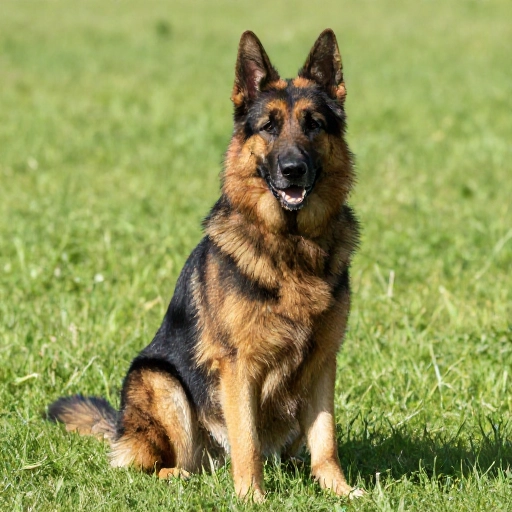
Bringing a Swiss Shepherd into your home is like gaining a shadow that’s always ready for an adventure. I remember the first time I saw those intelligent eyes and that sturdy frame—I knew training wasn’t just about commands, it was about building a partnership. These dogs are incredibly smart and eager to please, but they also come with their own unique quirks.
Over the years, I’ve discovered that training a Swiss Shepherd is less about being the boss and more about being a clear, consistent leader. They thrive on routine and purpose. Whether you’re a first-time owner or have had dogs before, these 15 tips will help you and your Swiss Shepherd communicate better and enjoy every step of the journey together.
Let’s get started with a simple truth: patience and playfulness go a long way. Grab some treats, put on your walking shoes, and let’s dive into the training techniques that actually work.
1. Start Socialization Early and Often
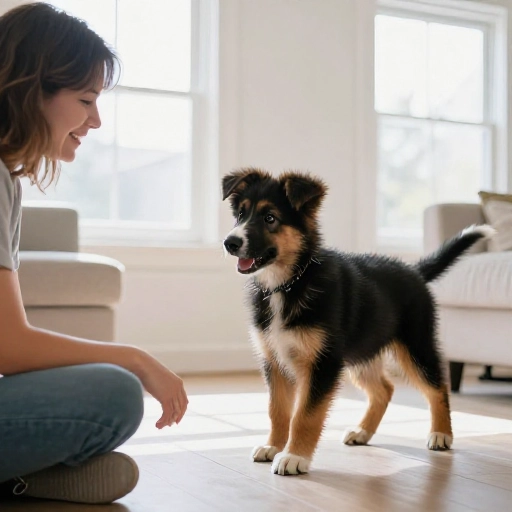
Puppyhood is a golden window. I took my Swiss Shepherd to see gentle adult dogs, friendly cats, and even the noisy vacuum cleaner. The goal is to make every new encounter feel safe and fun.
Bring treats to the park, the pet store, and even just outside your front door. Let them watch the world go by. A well-socialized Swiss Shepherd grows into a calm, confident adult who doesn’t react to every little thing.
Remember, socialization isn’t just about other dogs—it’s about people, sounds, and different surfaces. Walk them on grass, gravel, and pavement.
2. Use Positive Reinforcement Every Time
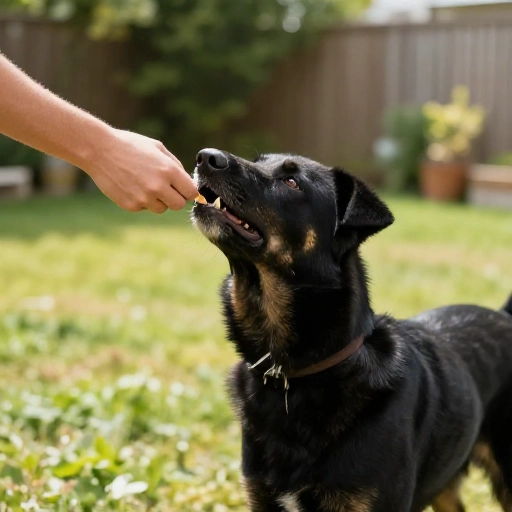
Forget old-school dominance methods. Swiss Shepherds respond beautifully to praise, treats, and play. When I say “sit” and my dog sits, that gets a happy “Yes!” and a small reward.
Keep training sessions short—five to ten minutes is perfect. This keeps your dog engaged and excited to learn. Harsh corrections can damage trust, and trust is everything with this breed.
If your dog makes a mistake, just ignore it and redirect. Show them what you want, not what you don’t want.
3. Be Consistent with Your Cues
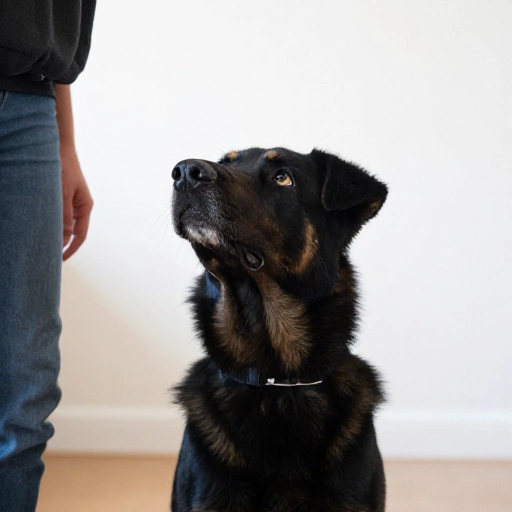
It’s easy to accidentally teach your dog two different words for the same action. I once used “down” and “lie down” interchangeably, and it confused my dog completely.
Pick one word for each behavior and stick with it. Use the same hand signals too. When everyone in the family uses the same cues, your Swiss Shepherd will learn faster and feel more secure.
Consistency also means routines. Feeding, walks, and training at the same times each day help your dog know what to expect.
4. Make Training a Game
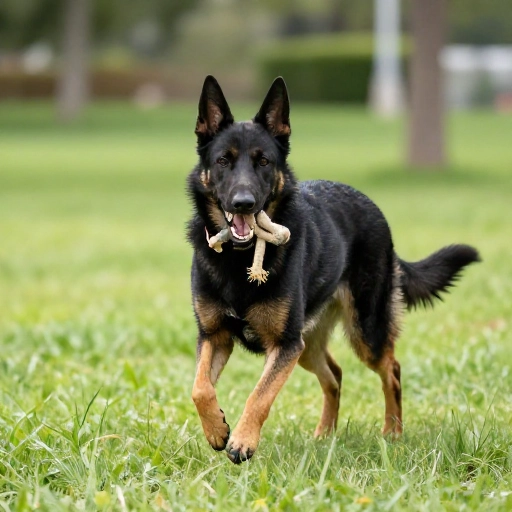
Swiss Shepherds love to work, but they also love to play. Turn training into a fun challenge. I hide treats around the house and ask my dog to “find it”—it sharpens their nose and their focus.
Use a happy, upbeat voice. If you sound bored, your dog will feel bored too. Reward effort, not just perfection. If they try hard but miss the mark, that’s still a win.
Games like tug-of-war (with a “drop it” rule) and fetch can reinforce obedience while keeping things light.
5. Teach a Reliable “Leave It”
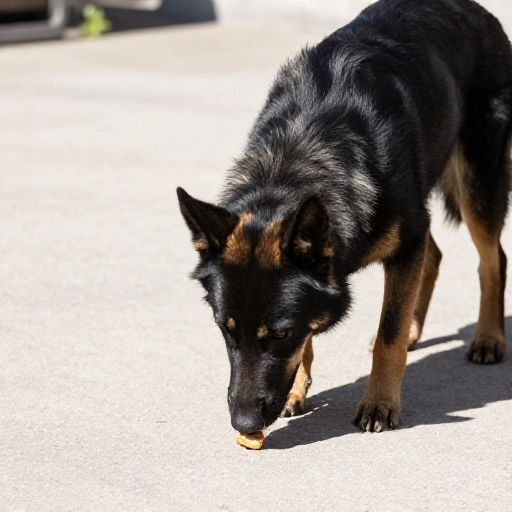
This command can save your dog’s life. I started by placing a treat on the floor and covering it with my hand. When my dog stopped trying to get it, I said “yes” and gave a different treat from my pocket.
Gradually, I uncovered the treat and used a leash to prevent grabbing. Now my Swiss Shepherd will walk past dropped food on the sidewalk. It takes patience, but it’s worth every second.
Practice this daily in different environments so it becomes second nature.
6. Use a Long Line for Recall Training
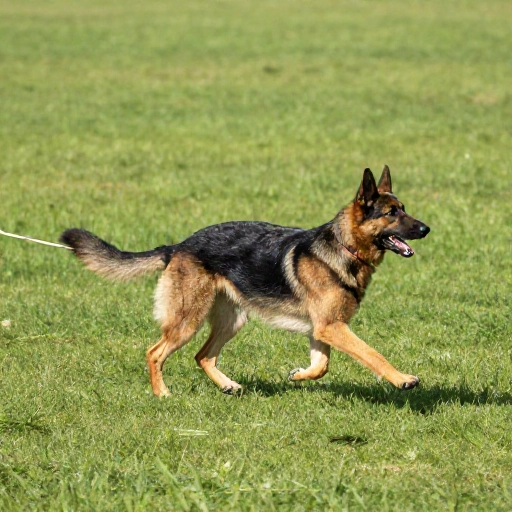
Swiss Shepherds have a strong sense of independence. Off-leash recall is not automatic. I used a 30-foot long line in a safe, open field to practice “come” from a distance.
Call your dog’s name in a happy tone, then run backward a few steps. When they reach you, reward with a party—treats, pets, and praise. Never call your dog to you for something they dislike, like a bath or nail trim.
Build distance slowly. Before you know it, your dog will come running every time.
7. Give Them a Job to Do
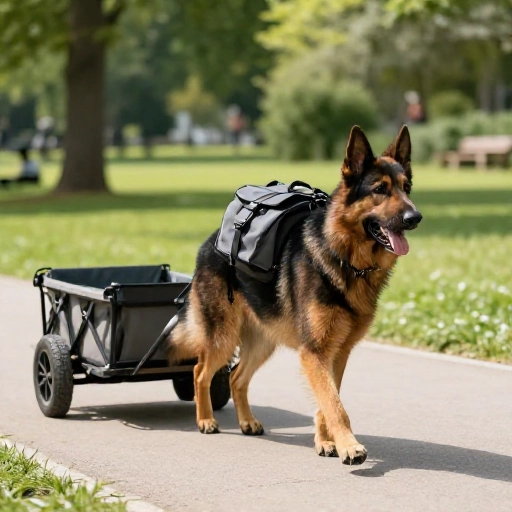
Swiss Shepherds are working dogs at heart. They need a purpose. I taught mine to carry a small backpack on hikes, or to “go to bed” on a mat when I’m cooking.
Simple tasks like picking up a toy and putting it in a basket can be mentally tiring. A tired Swiss Shepherd is a happy, well-behaved companion.
If they don’t have a job, they might invent their own—like rearranging your couch cushions.
8. Don’t Skip Basic Obedience Refreshers
Even after your dog knows “sit” and “stay,” keep practicing. I do a quick five-minute refresher before every walk. It sets the tone for the whole outing.
Practice in different places—the backyard, the sidewalk, a busy park. This helps your dog learn that commands apply everywhere, not just in the living room.
It also strengthens your bond. Your dog will look to you for guidance in new situations.
9. Manage Their Energy with Structured Exercise
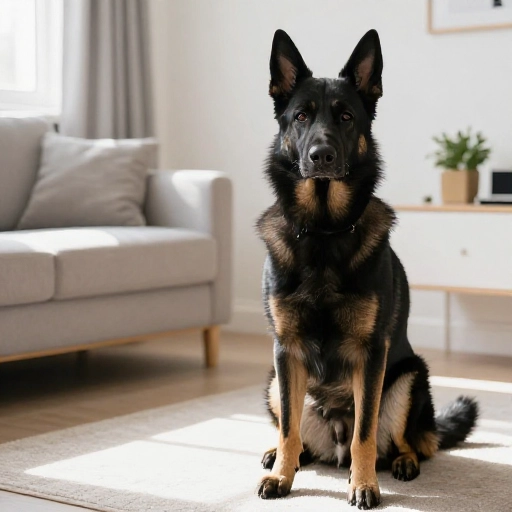
A Swiss Shepherd with pent-up energy is a handful. But running wild isn’t the answer. Structured exercise like heel work, fetch with rules, or agility drills works wonders.
I aim for at least 45 minutes of purposeful activity each day. A brisk walk where they walk politely on a loose leash counts. So does a game of fetch where they must “drop it” before the next throw.
Mental exercise is just as important. Puzzle toys and nose work games tire them out faster than a jog.
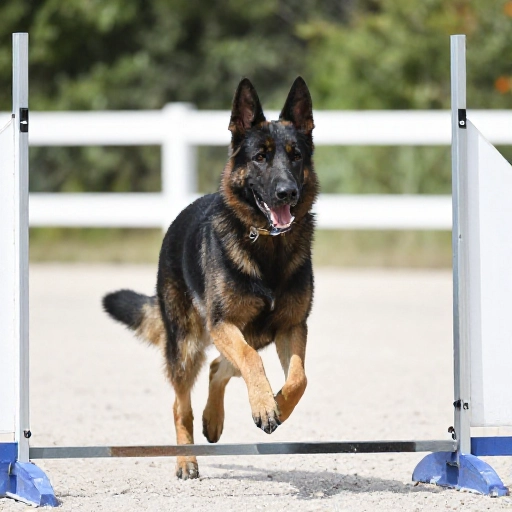
10. Use Crate Training for Calmness
Crate training isn’t a punishment—it’s a safe space. I introduced the crate with the door open, tossing treats inside. My Swiss Shepherd now goes there to nap on her own.
Feed your dog in the crate, and give them special toys only in there. This builds a positive association. A crate also prevents accidents when you can’t supervise.
Never use the crate for time-outs. It should be a cozy den, not a jail.
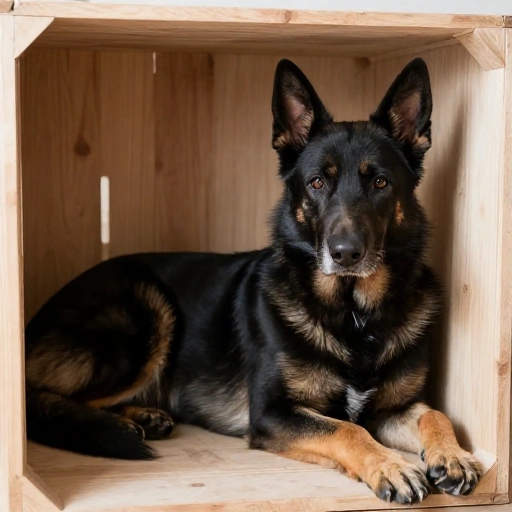
11. Address Jumping Before It Becomes a Habit
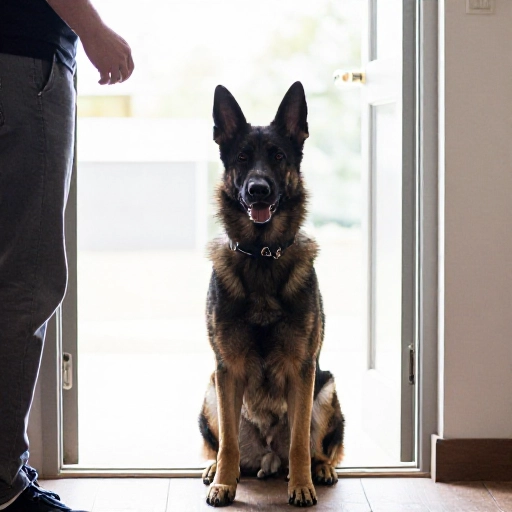
Swiss Shepherds are big dogs, and a jumping greeting can knock someone over. I taught my dog to sit when someone comes to the door. If she jumps, I turn my back and ignore her.
Ask visitors to do the same. Only when all four paws are on the floor does she get attention. It takes consistency, but it works.
Reward the calm behavior with a treat or a gentle pat. Eventually, sitting becomes the automatic greeting.
12. Practice Loose Leash Walking Every Day
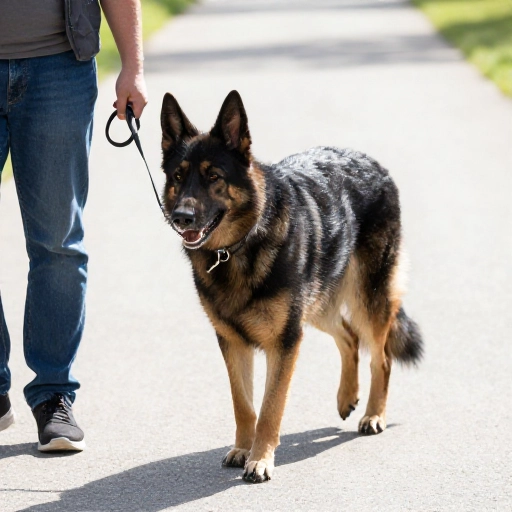
Pulling on the leash is a common struggle. I started by stopping the moment the leash tightened. I didn’t move until my dog came back to my side. Then we walked again.
Use treats to reward a loose leash. Hold them at your side to encourage your dog to stay close. Change directions often so your dog has to pay attention to you.
It’s not about a perfect heel—it’s about a walk where neither of you is stressed.
13. Teach “Place” for Calm Settling
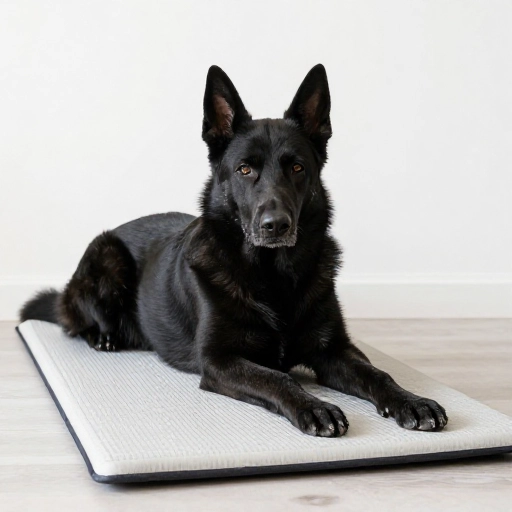
The “place” command is a game-changer. I taught my Swiss Shepherd to go to a specific mat and lie down until released. It’s great for when guests arrive or during dinner.
Start by luring them onto the mat with a treat, then say “place.” Gradually increase the time they stay. Use a release word like “free” to end the exercise.
This teaches impulse control and gives your dog a clear job to do in busy moments.
14. Stay Patient with Stubborn Moments
Swiss Shepherds can be independent thinkers. Some days, your dog might decide that listening isn’t fun. Don’t take it personally. I’ve had days where my dog looked at me like I was speaking another language.
When this happens, take a break. Go back to something easy, like “sit,” and end on a positive note. Frustration only confuses your dog.
Training is a marathon, not a sprint. Celebrate small victories every single day.
15. End Every Session with Fun
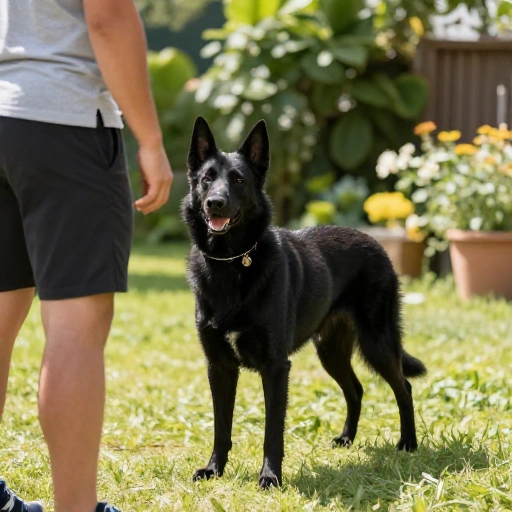
Always finish training on a high note. I end with a quick game of tug or a few minutes of free play. This leaves my dog excited for the next session.
If you stop when your dog is frustrated, they’ll associate training with stress. Keep it positive, keep it short, and keep it playful.
A happy Swiss Shepherd is a willing learner. Make training something they look forward to.
Conclusion
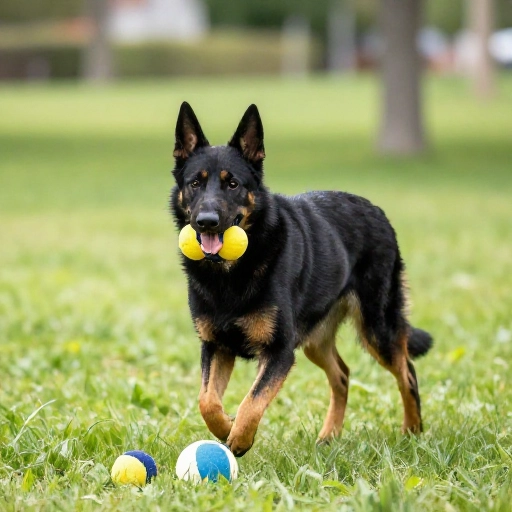
Training a Swiss Shepherd is one of the most rewarding experiences I’ve ever had. These dogs are loyal, intelligent, and full of heart. They just need a little guidance and a lot of love.
Remember, every dog learns at their own pace. Some days will feel easy, and others will test your patience. That’s okay. Stick with these tips, stay consistent, and you’ll build a bond that lasts a lifetime.
Now go out there, grab some treats, and enjoy the journey with your Swiss Shepherd. You’ve got this.
Frequently Asked Questions
How much exercise does a Swiss Shepherd need daily?
Most Swiss Shepherds need at least 45 to 60 minutes of purposeful exercise each day. This can include walks, fetch, agility, or mental games. A tired dog is a happy dog.
Are Swiss Shepherds good with children?
Yes, when properly socialized and trained, Swiss Shepherds can be wonderful family dogs. They are protective and gentle, but always supervise interactions between dogs and young children.
How do I stop my Swiss Shepherd from barking at everything?
Start by teaching a “quiet” command. Reward calm behavior and identify what triggers the barking. Sometimes it’s boredom, so more mental stimulation can help. Consistency is key.
At what age should I start training my Swiss Shepherd puppy?
You can start basic training as early as 8 weeks old. Focus on socialization, name recognition, and simple cues like “sit.” Keep sessions short and full of praise.
Do Swiss Shepherds do well in apartments?
They can adapt, but they need plenty of exercise and mental stimulation. A Swiss Shepherd in an apartment requires a committed owner who provides daily walks, playtime, and training to keep them content.