Never Buy Dog Probiotics Again: 6 Homemade Solutions

If you’ve ever shopped for dog probiotics, you know the price tag can make you wince. Those little packets and capsules add up fast, especially when you have a pup with a sensitive stomach. I used to spend a small fortune on them, but then I realized the best probiotics might already be in my kitchen.
You don’t need expensive supplements to keep your dog’s gut happy. With just a few simple ingredients, you can whip up powerful, natural probiotics that your dog will actually love. These homemade solutions are gentle, effective, and so much cheaper. Let’s get started.
1. Plain Yogurt & Kefir: The Classic Duo
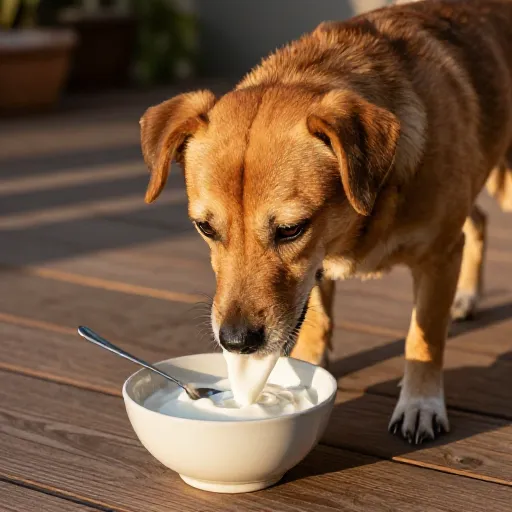
The easiest way to add probiotics to your dog’s diet is with plain, unsweetened yogurt or kefir. Look for brands that say “live and active cultures” on the label. Flavored yogurts have too much sugar, which is bad for dogs.
Start with just one teaspoon for small dogs or one tablespoon for larger breeds. Mix it into their regular food. Kefir is even more potent because it has more strains of good bacteria. It’s also thinner, so it mixes like a dressing. My dog thinks it’s a special treat every time.
Just make sure your dog isn’t lactose intolerant. A little bit is usually fine, but watch for any tummy gurgles.
2. Fermented Veggies (No Salt Needed)
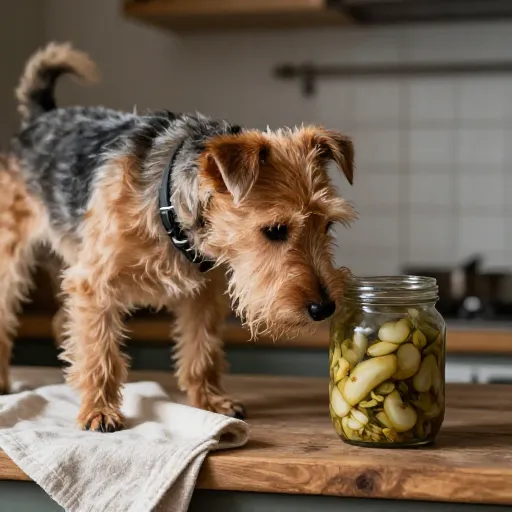
Fermented vegetables are packed with natural probiotics, and you don’t need a fancy kit. Carrots, green beans, or even plain cabbage work great. The trick is to ferment them without salt, since too much salt is dangerous for dogs.
Chop the veggies small, pack them into a clean jar, and cover them with filtered water. Let the jar sit on your counter for two to three days, then move it to the fridge. The liquid itself is the probiotic gold. Give your dog a tablespoon of the brine with their meals, or toss a few fermented carrot slices on top of their kibble.
It’s crunchy, tangy, and dogs go wild for it.
3. Goat’s Milk: A Gentle Powerhouse
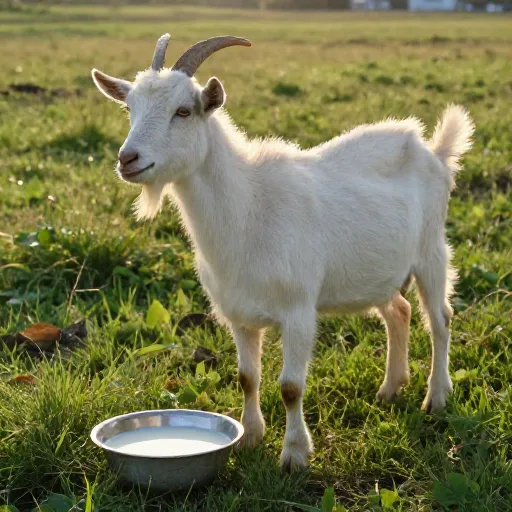
Goat’s milk is naturally easier for dogs to digest than cow’s milk. It’s full of probiotics, enzymes, and vitamins. You can buy raw goat’s milk from a local farm or a pet store, but always check that it’s raw and unpasteurized for the best bacteria.
Pour a small amount over your dog’s food as a topper. It’s creamy and hydrating, which is great for picky eaters or older dogs with dental issues. If you can’t find raw goat’s milk, look for freeze-dried goat’s milk powder and mix it with water. It’s almost as good and keeps forever in your pantry.
Start with a few tablespoons and see how your dog reacts. Most pups love it immediately.
4. Bone Broth with a Fermented Twist
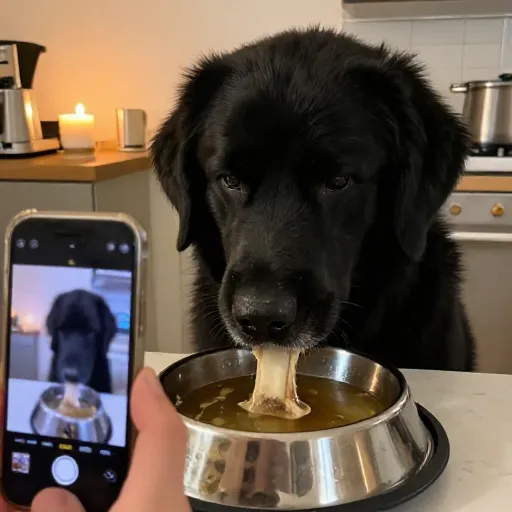
Bone broth is amazing for gut health on its own, but you can make it even better. Simmer chicken or beef bones with a splash of apple cider vinegar to draw out the minerals. Once it’s cool, stir in a little plain kefir or a tablespoon of fermented veggie brine.
This creates a supercharged broth that soothes the stomach and delivers live probiotics. It’s perfect for dogs who are recovering from an upset tummy or who refuse to eat plain food. I freeze this in ice cube trays for easy portions.
Just warm it up slightly before serving—never hot—and watch your dog lap it up.
5. Homemade Probiotic Sprinkle (Save Your Vegetable Scraps)
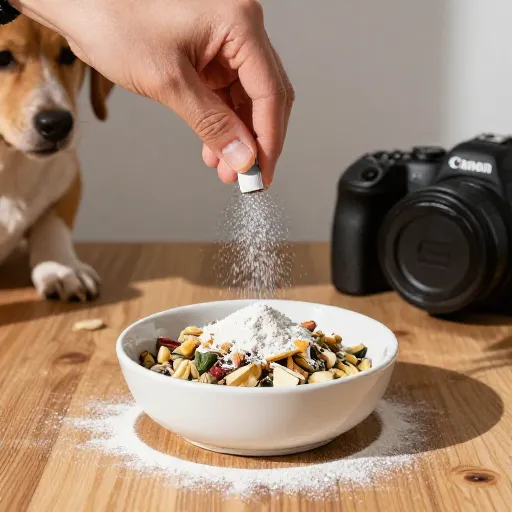
Don’t throw away those vegetable peels and cores! Carrot peels, apple cores (no seeds), and beet scraps can be turned into a probiotic powder. Lightly steam them, then spread them on a baking sheet. Dry them in a low oven (200°F) until they’re crispy.
Grind the dried scraps into a fine powder using a blender or coffee grinder. Store it in a jar. Sprinkle this powder over your dog’s food once a day. It’s full of prebiotic fiber, which feeds the good bacteria already in your dog’s gut. Think of it as fertilizer for their microbiome.
It’s zero waste and your dog gets the benefits.
6. Water Kefir: The Fizzy Gut Healer
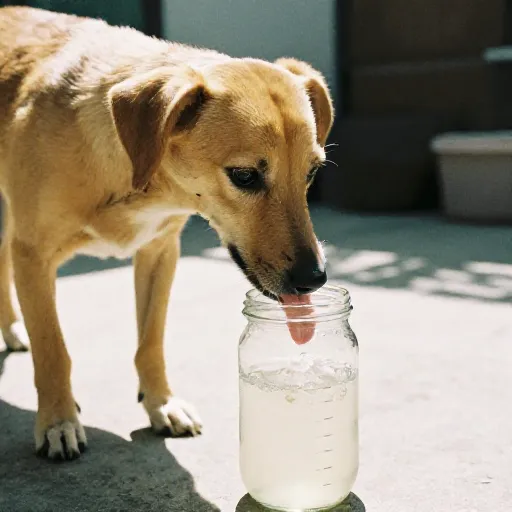
Water kefir is like soda for dogs, but healthy. You can buy water kefir grains online and grow them in sugar water (the sugar feeds the grains, not your dog). After 24 to 48 hours, you get a fizzy, probiotic-rich drink.
Dilute it with a little water and give your dog a few tablespoons. It’s incredibly hydrating and packed with diverse bacteria strains. Unlike milk kefir, it’s dairy-free, so it’s safe for every dog. The bubbles make it fun, and most dogs think it’s a treat.
Keep the grains alive by feeding them sugar water every few days. They multiply, so you’ll have unlimited probiotics forever.
Conclusion
You really don’t need to buy expensive probiotic powders anymore. These six homemade solutions are easy, affordable, and just as effective. Start with one that feels simple for you, like plain yogurt or fermented veggies. Your dog’s gut will thank you, and your wallet will too.
Always introduce new foods slowly and watch for any reactions. Every dog is different, so find what works best for your furry friend.
Frequently Asked Questions
1. Can I give my dog probiotics every day?
Yes! Daily probiotics are safe and beneficial for most dogs. Start with a small amount and increase gradually. If your dog has a health condition, check with your vet first.
2. How long does homemade probiotic food last?
Fermented veggies and kefir last about two weeks in the fridge. Bone broth stays good for five days. Always smell and check for mold before feeding.
3. What if my dog has a sensitive stomach?
Start with goat’s milk or plain yogurt in tiny amounts. These are gentle options. If your dog gets diarrhea, stop and try a different solution.
4. Can puppies eat homemade probiotics?
Yes, but in very small amounts. Puppies have developing immune systems. Stick to plain yogurt or goat’s milk and consult your vet for the right dosage.
5. Do I still need to give probiotics if my dog eats raw food?
Raw food already has some natural bacteria, but adding a fermented veggie or kefir can boost gut health even more. It’s a nice addition, not a necessity.