14 Cat Activity Wall DIY Plans for Small Spaces
If you live in a tiny apartment, you already know the struggle. Your cat wants to climb, scratch, and perch up high, but you barely have floor space for your own stuff. The good news? You don’t need a giant cat tree to make your feline happy.
Cat activity walls are a game-changer. They use vertical space, which is basically free real estate in small homes. Plus, they look way cooler than those beige carpet towers. I’ve rounded up 14 DIY plans that are perfect for renters, small apartments, and anyone who loves a good weekend project.
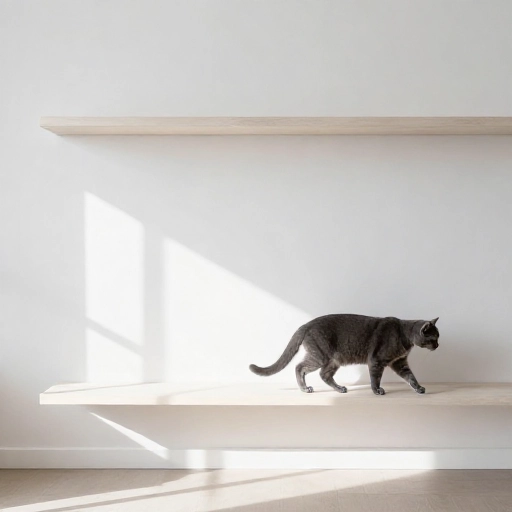
1. The Floating Shelf Catwalk
This is the easiest way to start. Grab a few sturdy wooden shelves and mount them at staggered heights along a blank wall. Cats love jumping from one level to the next, and it gives them a sky-high view of their kingdom.
For a polished look, paint the shelves to match your trim. Make sure to use wall anchors that can hold at least 30 pounds. You want these to be rock-solid when your cat launches off them at 3 a.m.
Add a soft cushion or a folded blanket on the top shelf to create a cozy lookout spot. Your cat will claim it as their throne within minutes.
2. DIY Cardboard Perch Boxes
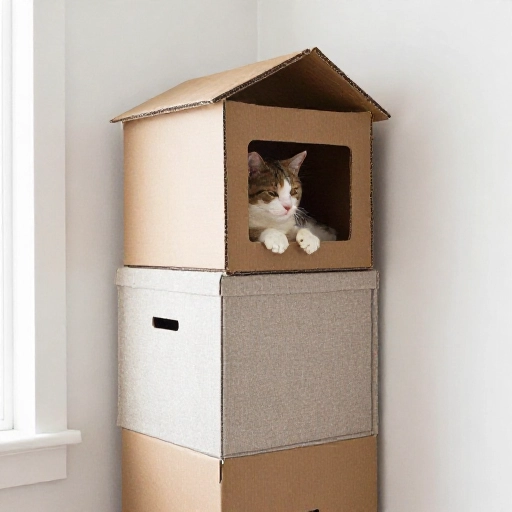
Don’t throw away those Amazon boxes just yet. Stack and glue them together to create a modular climbing wall. Cover them with contact paper or fabric for a cleaner look.
Cut circular holes in the sides so your cat can hop from one box to the next. This is perfect for kittens or cats who love to hide. The best part? It’s totally free and replaceable when it gets scratched up.
Use heavy-duty double-sided tape to attach the boxes to the wall at different heights. Just keep it low to the ground at first, then build up as your cat gets more confident.
3. Rope-Wrapped Wall Steps
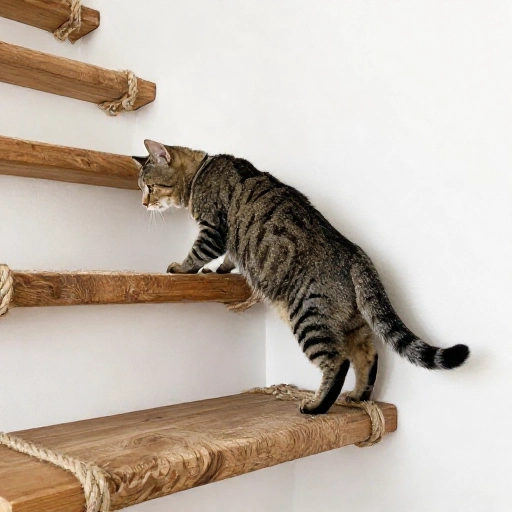
Take simple wooden steps and wrap them in sisal rope. This gives your cat a natural scratching surface and a climbing aid all in one. It’s a two-for-one deal that saves floor space.
Mount them in a zigzag pattern going up the wall. The rough texture feels amazing for their claws, and it looks rustic and charming in any room.
Use a hot glue gun to secure the rope, and make sure to wrap it tightly. Start at the bottom and work your way up so the rope ends stay hidden underneath.
4. The Ladder Wall Climber
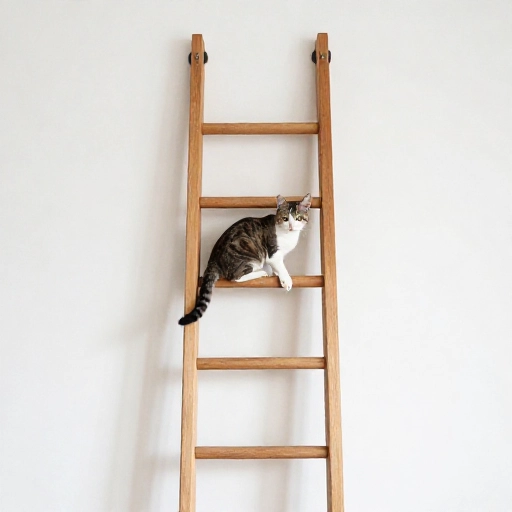
An old wooden ladder can become the coolest cat activity wall ever. Lean it against the wall at a steep angle or mount it flat horizontally. Either way, your cat will love the challenge.
If you mount it flat, space the rungs far enough apart for your cat to squeeze through and climb behind it. This creates a fun tunnel effect that cats absolutely adore.
Sand down any rough edges and give it a fresh coat of paint. You can even hang a small toy from the top rung to encourage play.
5. Felt Wall Cubes
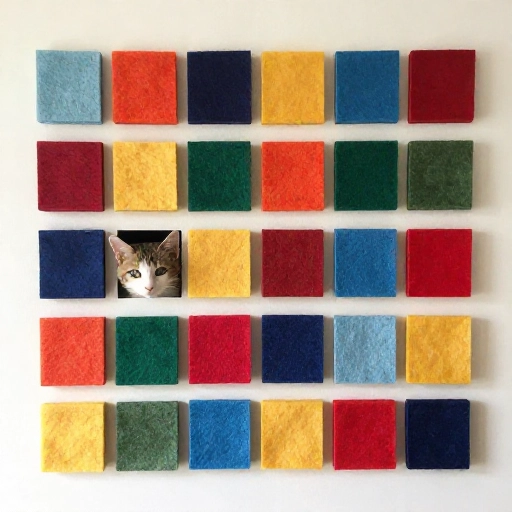
These are adorable and super functional. Use square wooden frames and cover them with felt fabric. Mount them on the wall like little cubby holes where your cat can nap or hide.
Arrange them in a honeycomb pattern for a modern look. The felt adds warmth and texture, and it’s easy to clean with a lint roller.
You can cut a small hole in the back of each cube to connect them. This lets your cat travel through the entire wall setup without touching the ground.
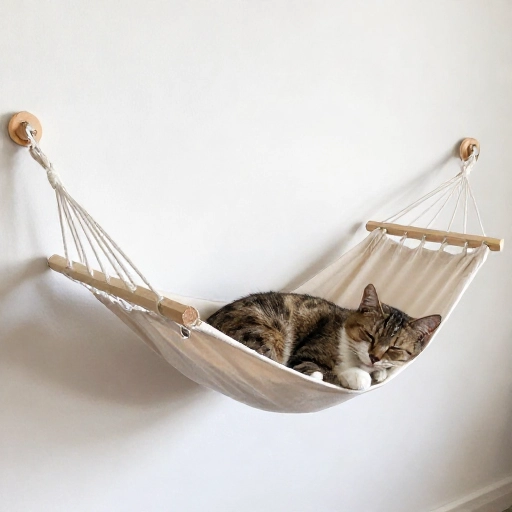
6. Wall-Mounted Cat Hammock
Cats love to swing, and a wall-mounted hammock is the perfect spot for a lazy afternoon. You can buy a cat hammock frame or make one from a wooden hoop and strong fabric.
Mount two sturdy brackets to the wall and attach the hammock securely. Make sure the fabric is tightly woven so claws don’t snag easily.
Place it near a window for the ultimate sunbathing spot. Trust me, your cat will spend hours here watching birds and drifting off to sleep.
7. The Corner Shelf Climber
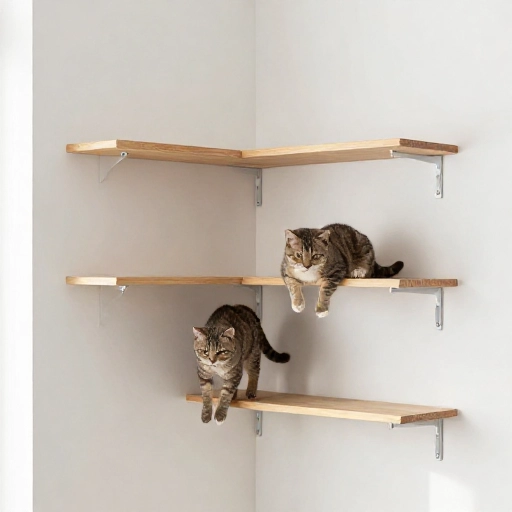
Don’t ignore those awkward corners in your apartment. They’re perfect for a cat activity wall. Use corner shelves that fit snugly into the 90-degree angle of your walls.
This is a space-saving genius move because corners are often wasted space anyway. Your cat gets a multi-level climbing area without taking up any floor room.
Add a small plush bed on the top corner shelf. It creates a cozy nook that feels safe and enclosed, which cats love for napping.
8. Scratch Pad Wall Panels
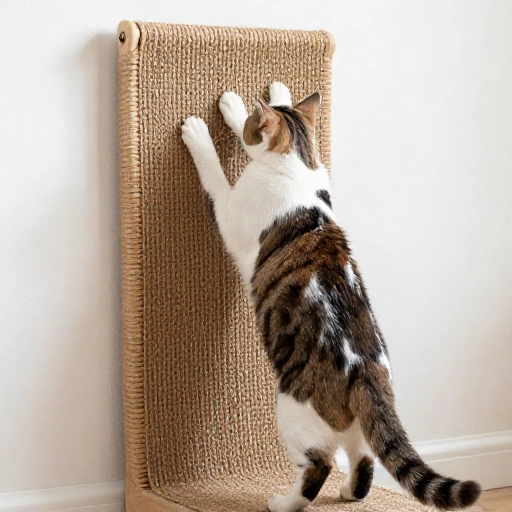
If your cat loves to scratch vertical surfaces, this one’s for you. Get large cardboard scratch pads or sisal mats and mount them directly on the wall.
You can frame them with cheap wooden trim to make them look intentional and stylish. It’s like wall art, but for your cat’s claws.
Mount them at different heights so your cat can stretch fully while scratching. This helps them mark their territory and keeps your furniture safe.
9. Hanging Rope Ladder
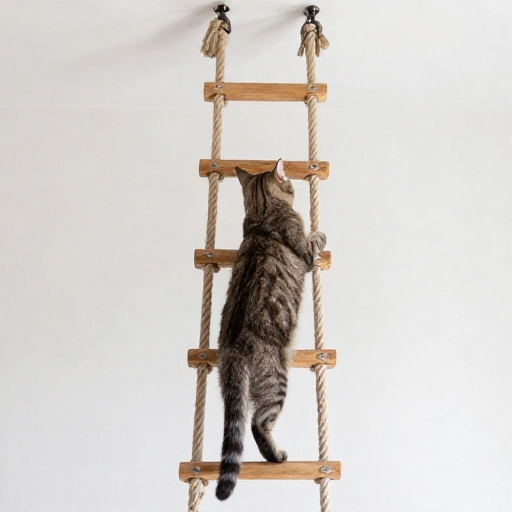
This one adds a playful, bohemian vibe to your space. Use wooden dowels and thick cotton rope to create a vertical ladder that hangs from a ceiling mount or a high shelf.
Cats love to climb up and down the rungs, and the slight sway adds an element of fun. Just make sure it’s anchored securely to support your cat’s weight.
Place it near a windowsill so your cat can climb up to a window perch. It’s a great way to add vertical play space in a tiny corner.
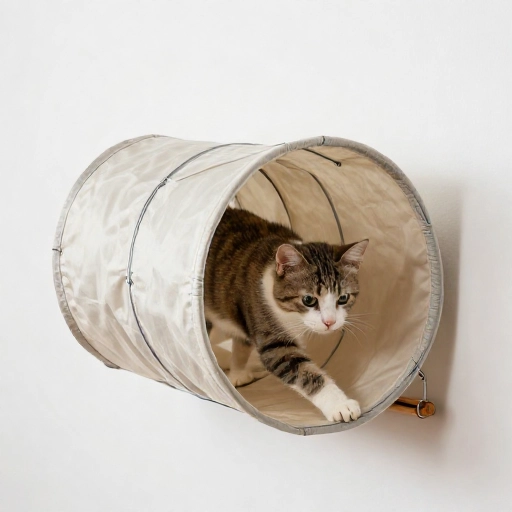
10. Wall-Mounted Tunnel
Flexible tunnels are usually floor hogs, but you can mount one on the wall. Use a sturdy fabric tunnel and secure it with industrial-strength velcro or wall clips.
Arrange it in a curve or a wave pattern up the wall. This creates a fun slide-like experience for your cat to run through.
Make sure the fabric is thick and durable. You can stuff a little crinkle paper inside to make it extra enticing.
11. The Minimalist Floating Step Set
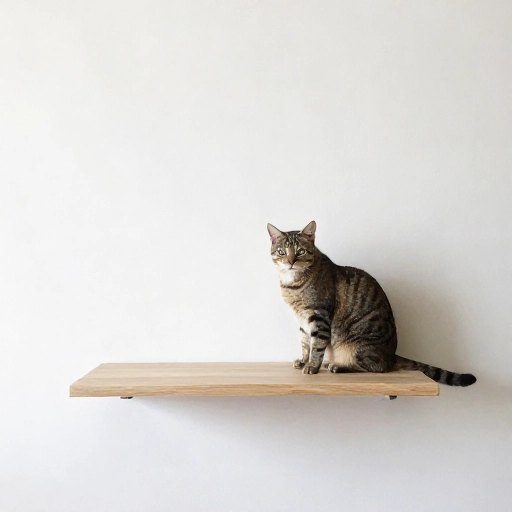
For a sleek, modern look, go with simple floating wood steps. No carpet, no rope, just beautiful stained wood. This looks like high-end furniture, not a cat toy.
Stagger them up the wall in a random pattern. The varying heights keep it interesting for your cat and add visual appeal to your room.
Add a non-slip grip tape on each step so your cat doesn’t slide off when landing. This is both practical and invisible.
12. Repurposed Drawer Wall Perch
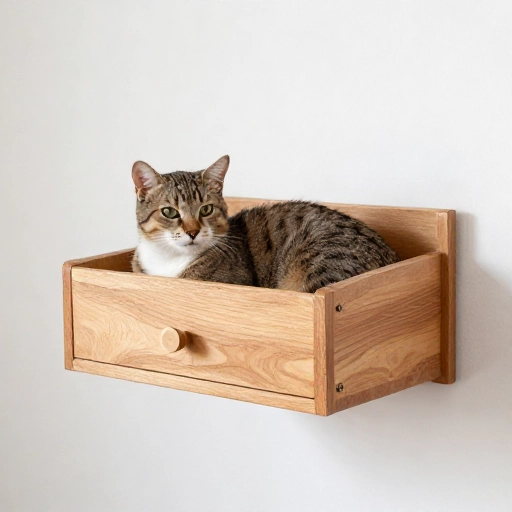
Hit up a thrift store and grab a few old wooden drawers. Mount them on the wall with the opening facing out. They instantly become little cat caves.
Paint them in bright, fun colors to add a pop of personality to your walls. Line the inside with a soft blanket or a pillow for extra comfort.
Stack them at different angles for a quirky, artistic look. This is a great conversation starter and a cozy spot for your cat.
13. The Sill-to-Shelf Bridge
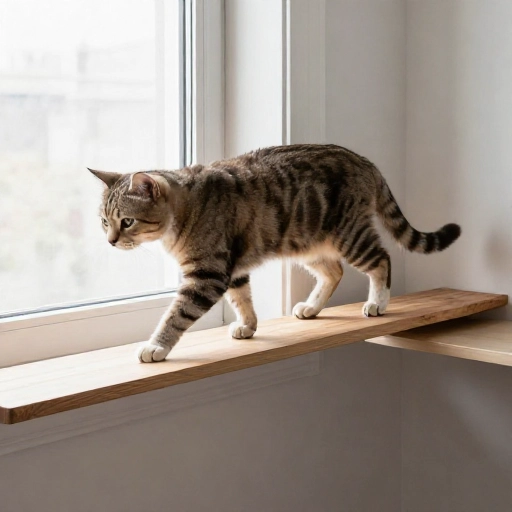
If you have a radiator or a low window sill, you can build a bridge to connect it to a higher shelf. This gives your cat a continuous path to explore.
Use a wide wooden plank and attach it securely to the wall. Add a little lip on the edges so your cat feels safe walking across it.
This works especially well in narrow hallways or above doorways. It turns dead space into a fun highway for your feline.
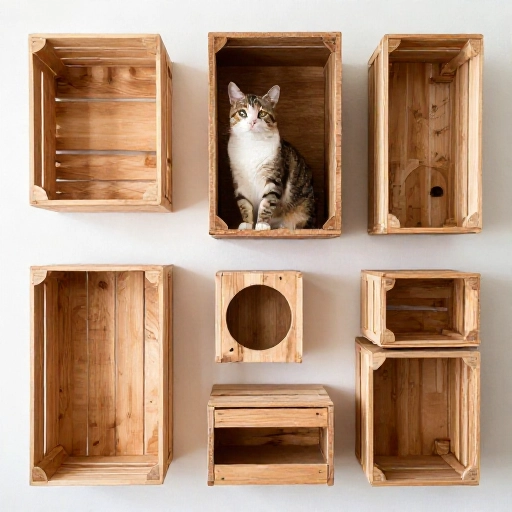
14. The Crate & Cubby Combo
Use a few wooden crates (the kind you can find at craft stores) and mount them on the wall in a square or rectangle pattern. This creates multiple levels and hiding spots.
Turn some crates sideways for a different look, and leave others open-facing. You can even add a small curtain to one opening for a private hideaway.
This is a budget-friendly option that looks rustic and charming. It’s also super modular, so you can rearrange the crates whenever you want a new layout.
Final Thoughts
Building a cat activity wall doesn’t have to be complicated or expensive. The goal is to give your cat more vertical space to explore, scratch, and nap. Start with one or two simple ideas and see how your cat reacts.
Remember to always use secure wall anchors and check the weight limits. Safety is the number one priority. Once you see how much joy your cat gets from their new climbing wall, you’ll wonder why you didn’t do this sooner.
Your small space can feel huge to your cat with just a little creativity. Happy building, and enjoy watching your furry friend conquer their new territory!
Frequently Asked Questions
Q1: How much weight can a cat activity wall hold?
It depends on your wall anchors and materials. Use heavy-duty drywall anchors or find a stud. Most proper installations can hold 30-50 pounds, which is way more than enough for an average house cat.
Q2: Can I install a cat wall if I’m renting?
Yes! Use removable adhesive hooks or command strips for lighter items. For heavier shelves, consider using a tension rod system or ask your landlord for permission. You can also patch holes easily with spackle when you move out.
Q3: What’s the best material for cat wall scratching posts?
Sisal rope and corrugated cardboard are the top choices. They’re durable and feel great for your cat’s claws. Avoid carpet, as cats may mistake it for your floor carpet and get confused.
Q4: How high should I mount the shelves for my cat?
Start low, around 1-2 feet off the ground, and gradually go higher. This lets your cat build confidence. Always make sure there’s a clear landing zone below in case they slip.
Q5: My cat is older and not very active. Is this still worth it?
Absolutely. Older cats still enjoy a warm, high perch to observe the room. Just keep the steps lower and closer together. You can even add ramps instead of jumps to make it easier on their joints.