9 DIY Dog Skin Irritation Remedies You Can Make at Home

Seeing your dog constantly scratch, lick, or chew at their skin is heartbreaking. I’ve been there, watching my own pup get uncomfortable from itchy, irritated skin. While a vet visit is always the first step for serious issues, many common irritations can be soothed with simple, natural ingredients you likely already have in your kitchen.
These DIY remedies are about gentle, supportive care. They’re perfect for tackling minor hot spots, dry patches, or seasonal itchiness between grooming sessions. Let’s explore nine of my favorite at-home solutions to help your furry friend find relief.
1. The Soothing Oatmeal Bath
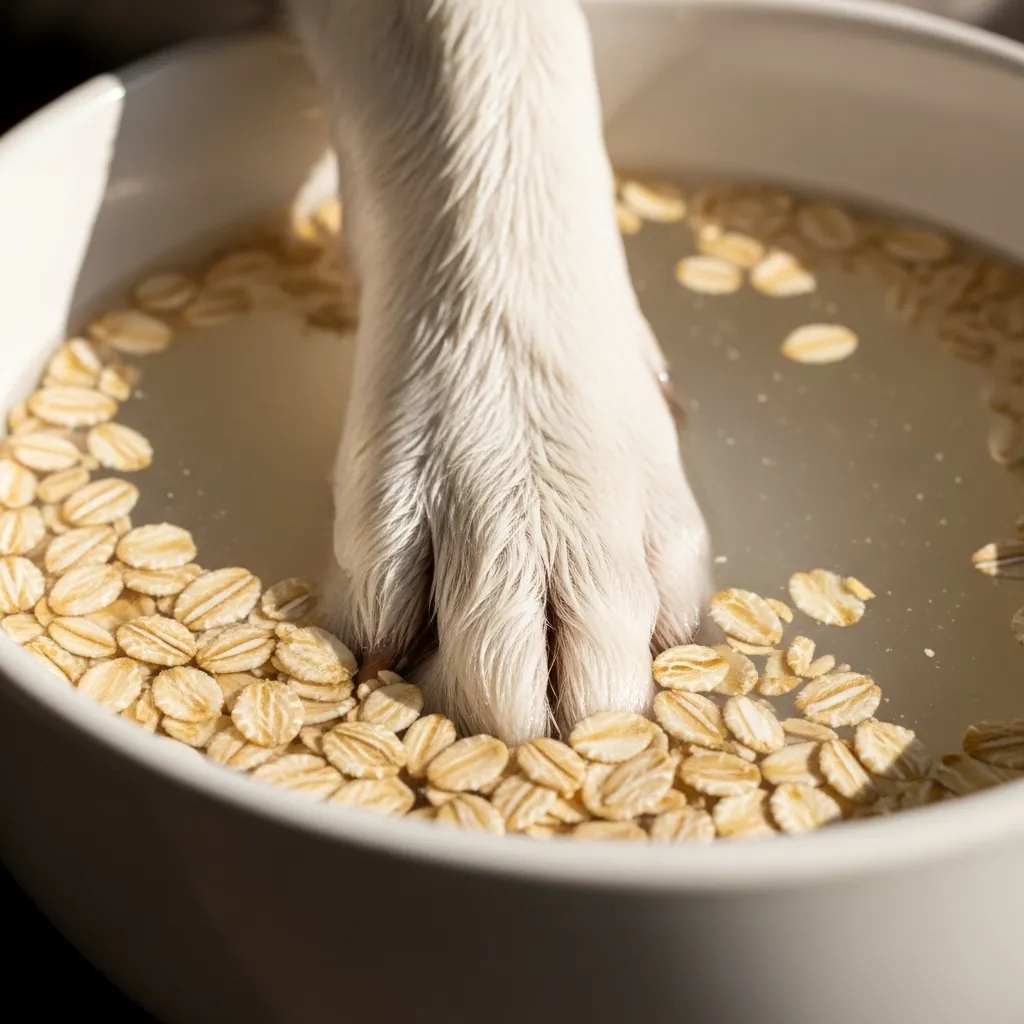
This is my go-to for general itchiness. Oatmeal contains compounds called avenanthramides that have anti-inflammatory and antioxidant properties, which calm irritated skin beautifully.
You don’t need a fancy product. Simply grind plain, uncooked oatmeal into a fine powder using a blender or food processor. For a full bath, use about one cup of this oat powder. Dissolve it in a tub of lukewarm water and let your dog soak for 10-15 minutes. The key is lukewarm water, as hot water can further dry out their skin.
After the soak, gently pat them dry with a towel. This bath can provide immediate, noticeable relief from all-over itch.
2. Coconut Oil Magic
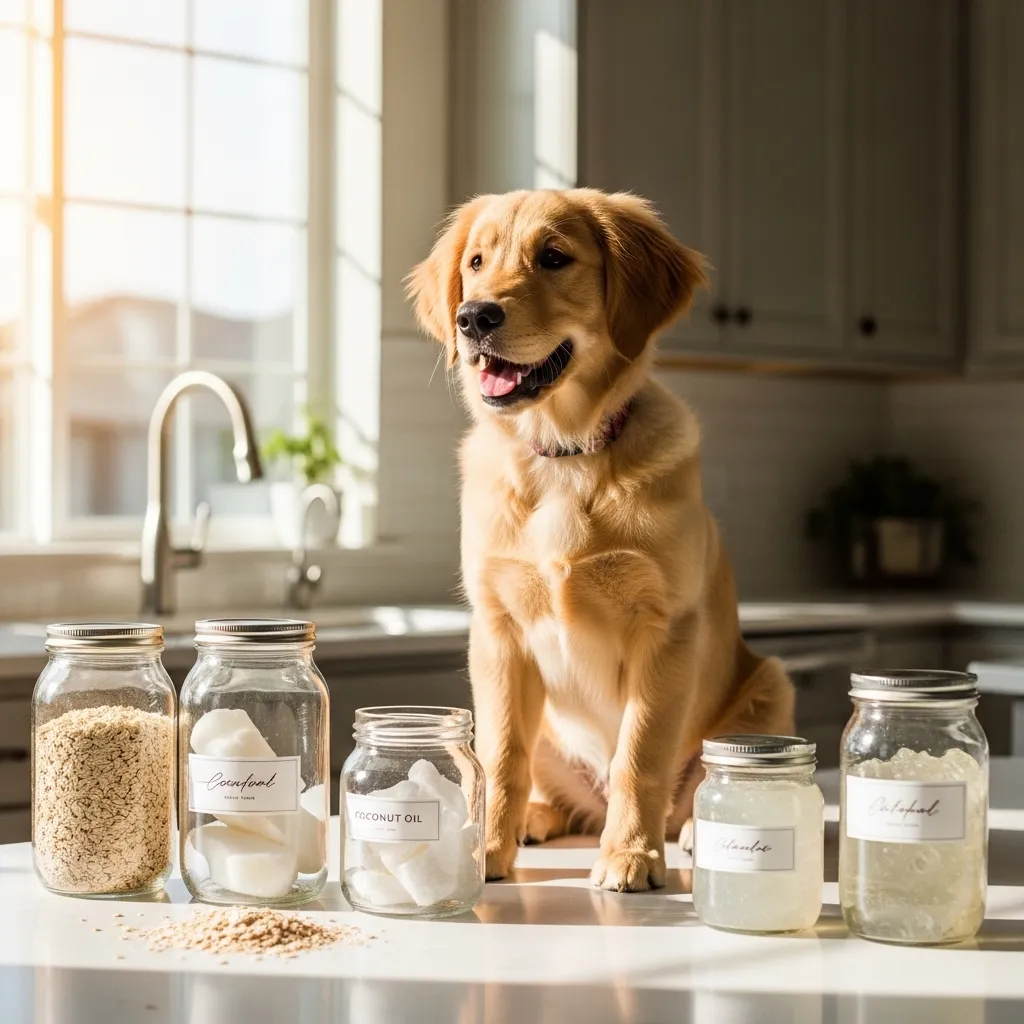
I keep a jar of organic, virgin coconut oil in my pantry just for my dog. It’s a fantastic multi-purpose remedy. Coconut oil is naturally antibacterial and antifungal, and it creates a protective, moisturizing barrier on the skin.
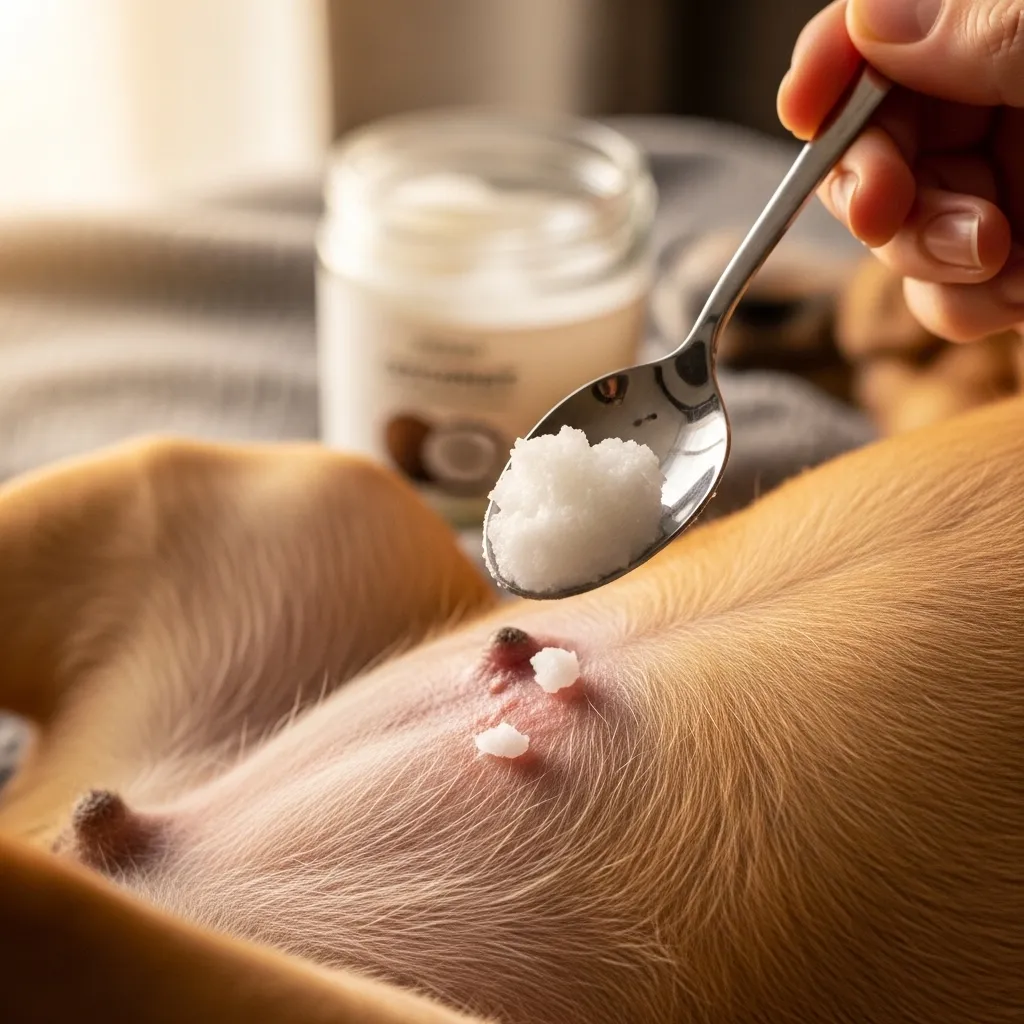
For small, dry patches or hot spots, I warm a small amount between my fingers until it melts, then massage it gently into the affected area. You can also add a teaspoon to their food daily; the healthy fats work from the inside out to improve skin health and coat shine.
Just start with a small amount to ensure your dog tolerates it well, both topically and internally.
3. Aloe Vera Gel Relief
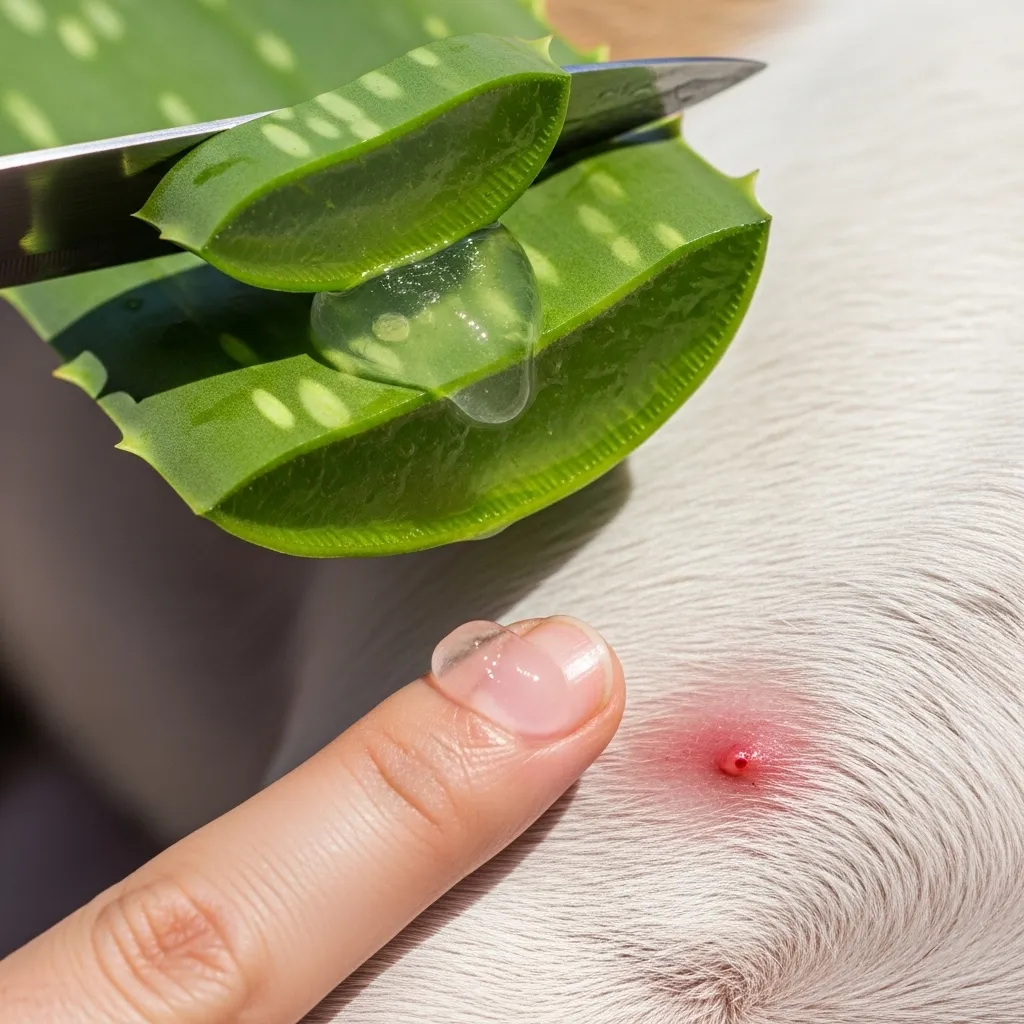
Pure aloe vera gel is incredibly cooling and healing for inflamed skin, much like it is for our sunburns. It’s perfect for soothing hot spots or bug bites.
It’s crucial to use 100% pure aloe vera gel, free from alcohol, fragrances, or other additives that could sting. I apply a thin layer directly from the plant leaf or a trusted bottle onto the clean, irritated spot.
Because some dogs might try to lick it off, I sometimes distract my pup with a treat or a short walk right after application to let it absorb.
4. Chamomile & Green Tea Rinse
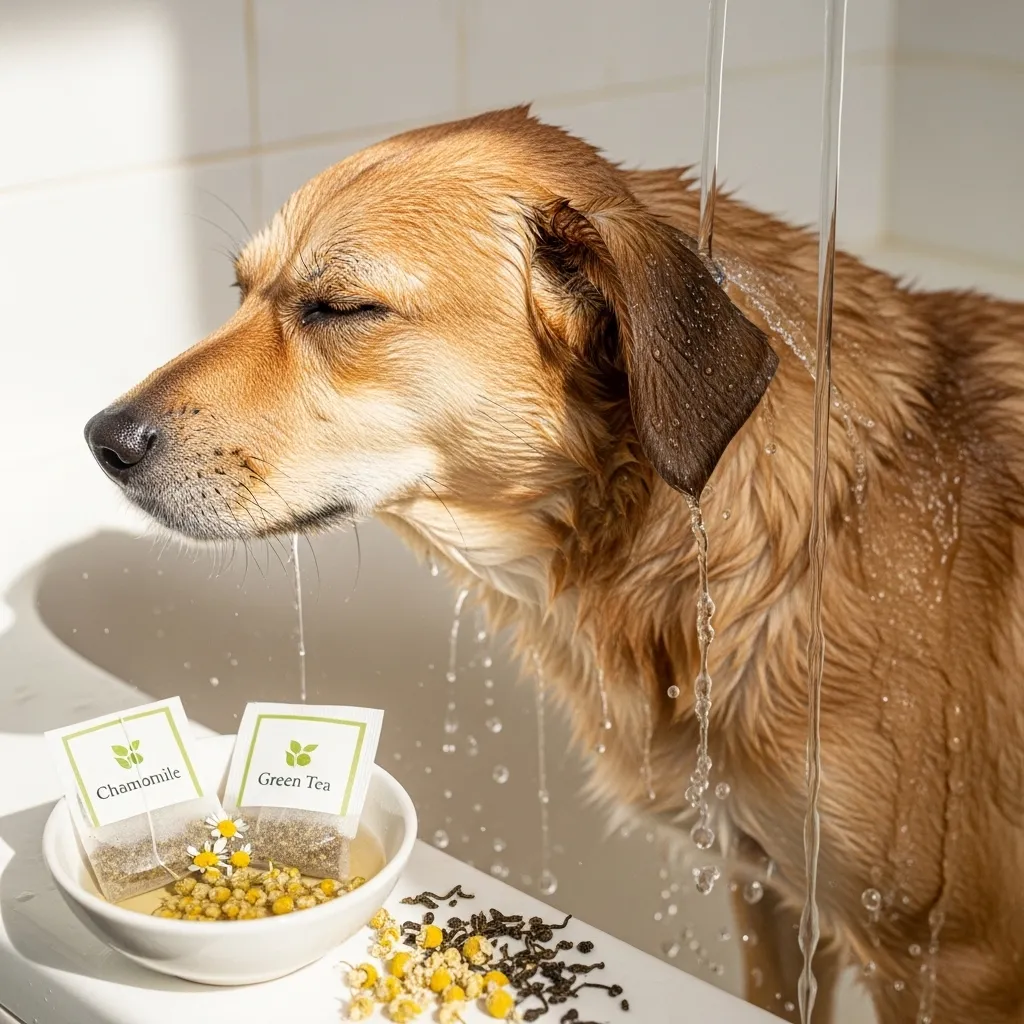
Both chamomile and green tea are packed with soothing antioxidants. A cooled tea rinse can calm itchy skin and reduce redness without any harsh chemicals.
I brew a strong pot of tea using several bags of either chamomile or green tea (or a mix of both). After it cools completely in the refrigerator, I pour it over my dog’s coat after their regular shampoo, avoiding the eyes. I let it sit for five minutes before a final rinse with cool water, or sometimes I just pat it in and let it dry for no-rinse relief.
The cool temperature adds an extra layer of comfort for itchy skin.
5. Baking Soda Paste for Hot Spots
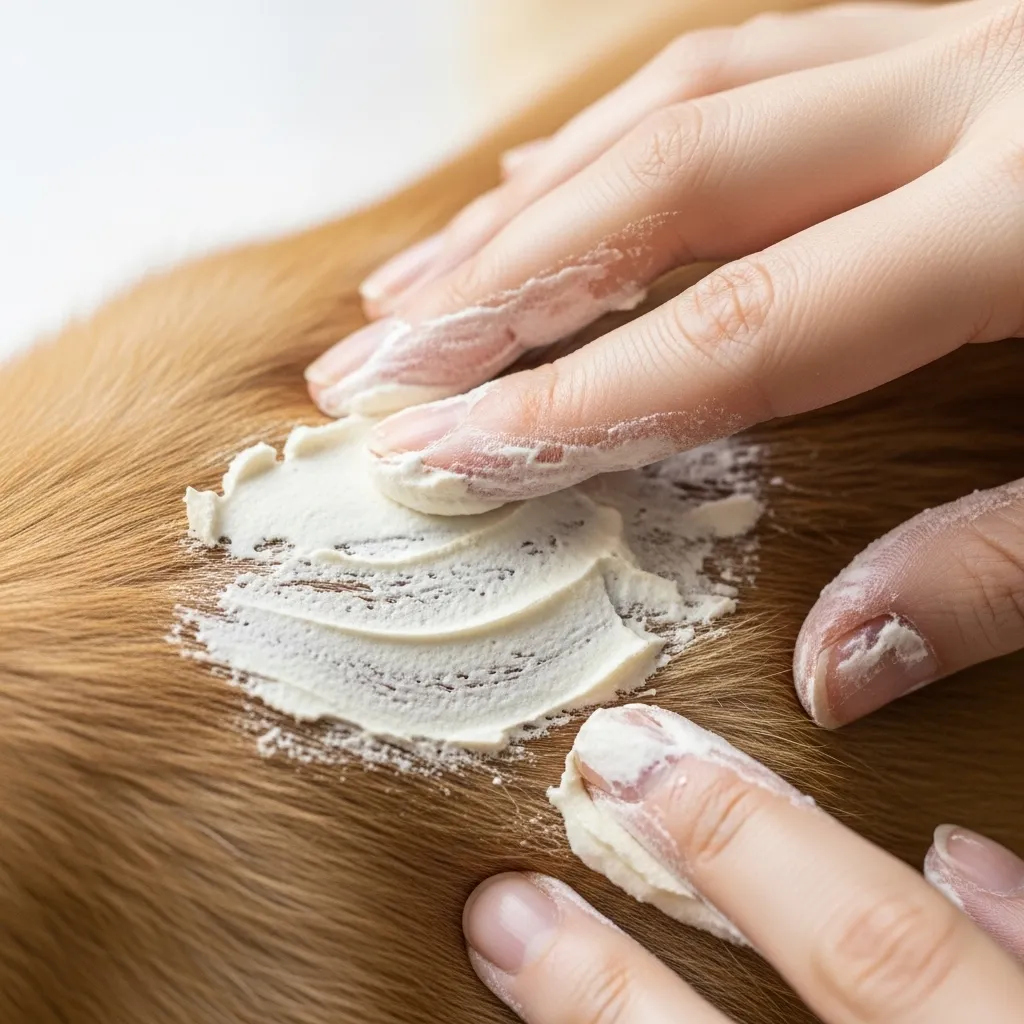
For sudden, angry-looking hot spots, a simple baking soda paste can work wonders to dry out the area and relieve itch. Baking soda helps neutralize skin pH and has mild antiseptic qualities.
I mix baking soda with just enough water to create a thick, spreadable paste. Then, I gently apply a layer directly onto the clean, dry hot spot. I let it sit for about 20 minutes before rinsing it off with cool water and patting the area dry.
This remedy is for topical use only and should not be used if the spot is open or bleeding heavily.
6. Apple Cider Vinegar Spray (Diluted!)
Raw, unfiltered apple cider vinegar (with the “mother”) is a natural antiseptic that can help restore the skin’s acid mantle and discourage yeast, which loves itchy, inflamed skin.
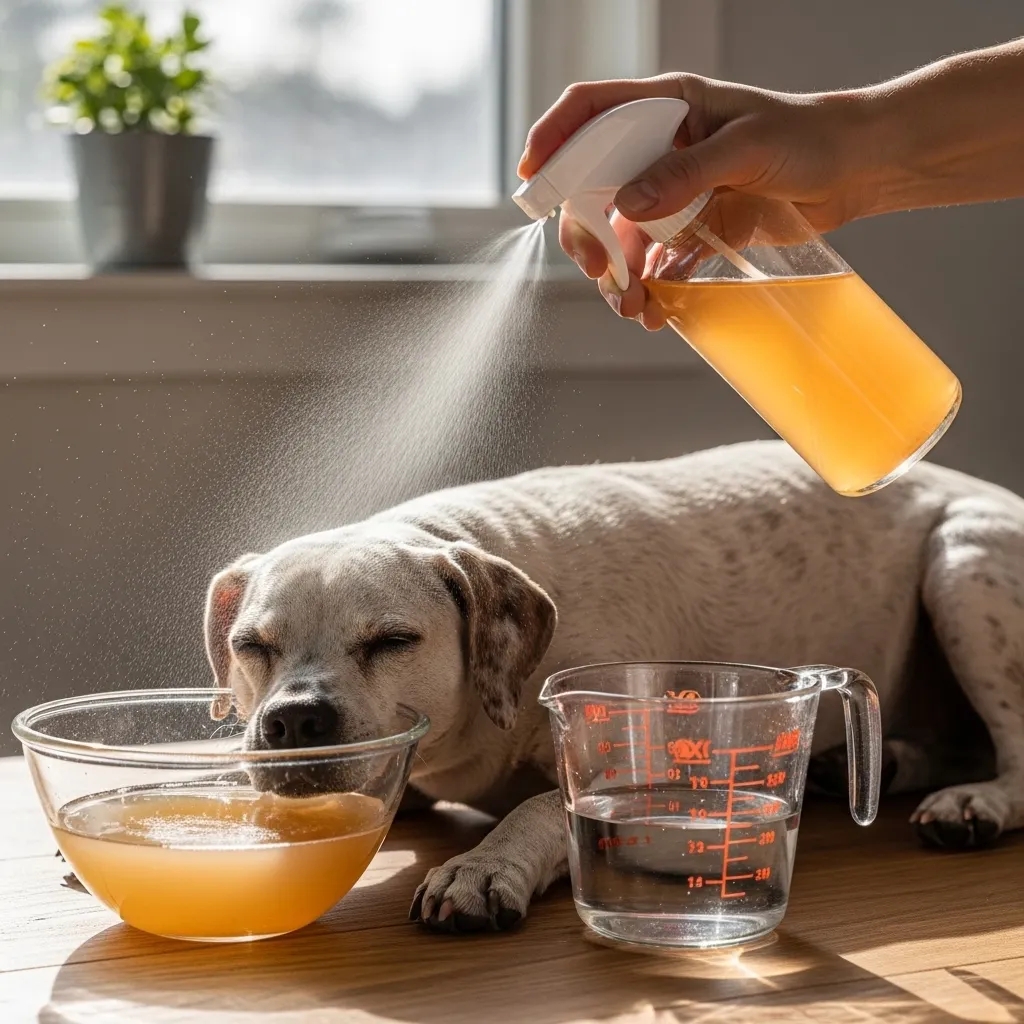
The golden rule is to always dilute it. I use a 50/50 mix of apple cider vinegar and water in a spray bottle. After testing on a small patch of skin, I spritz it onto problem areas, avoiding any open cuts or sores, as it will sting.
This spray is great for paws and can be used as a final rinse after a bath. The smell fades as it dries!
7. Plain Yogurt or Pumpkin for Gut Health
Skin health often starts from within. Many skin irritations are linked to digestive or immune system imbalances. Adding probiotics and fiber can support a healthier gut, which translates to healthier skin.
I stir a spoonful of plain, unsweetened yogurt (with live cultures) or plain canned pumpkin into my dog’s meal. The probiotics in yogurt support good bacteria, while pumpkin’s fiber aids digestion. This isn’t a quick fix, but a consistent dietary addition that builds resilience over time.
Always introduce new foods slowly and in small amounts.
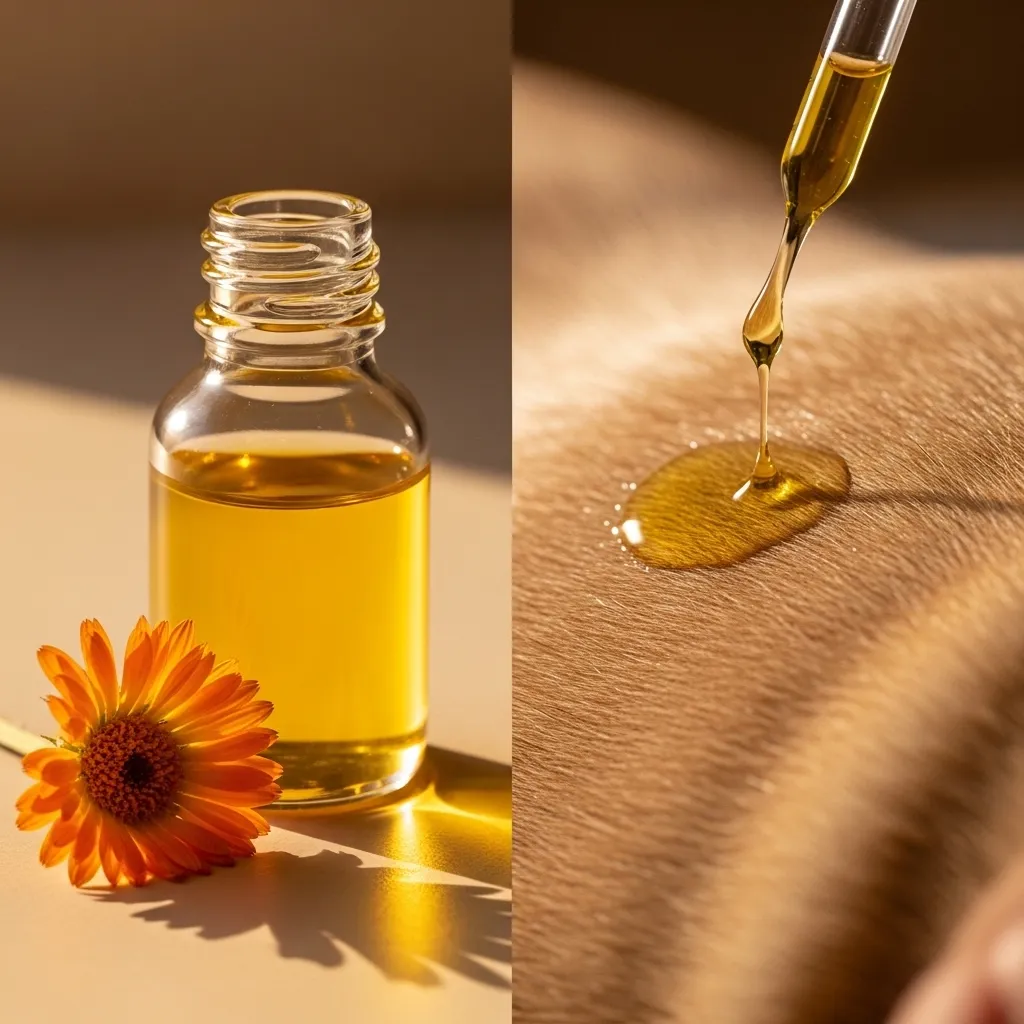
8. Calendula-Infused Oil
Calendula, or marigold, is a gentle herb renowned for its skin-healing properties. It promotes cell repair and reduces inflammation, making it ideal for minor scrapes or dry, cracked skin.
You can find calendula oil at health stores, or make your own by steeping dried calendula flowers in a carrier oil (like olive or sweet almond oil) for a few weeks. I massage a few drops of this infused oil directly onto irritated spots once or twice a day.
It’s very gentle and safe, even if your dog manages to lick a little bit.

9. An Epsom Salt Soak for Paws
If your dog is constantly licking their paws, a soothing foot soak can provide relief. Epsom salt (magnesium sulfate) helps draw out impurities and reduce swelling and inflammation.
I dissolve about half a cup of plain Epsom salts in a basin of warm water and let my dog stand in it for 5-10 minutes. It’s a relaxing treat for their tired, itchy paws, especially after walks. After the soak, I make sure to rinse their paws with clean water and dry them thoroughly between the toes.
This is a wonderful way to end a dusty or pollen-filled day.
Conclusion & Final Tips
These nine DIY remedies have helped me manage my dog’s occasional skin woes naturally. Remember, consistency and observation are key. Always patch-test any new remedy on a small area first. If your dog’s irritation is severe, widespread, or doesn’t improve within a few days, please consult your veterinarian to rule out allergies, parasites, or infections.
Caring for your dog’s skin is an act of love. With a little patience and these kitchen-cabinet solutions, you can help them feel more comfortable and get back to their happy, playful selves.
DIY Skin Care FAQ
Q: How often can I give my dog an oatmeal bath?
A: For ongoing issues, once a week is usually safe. For acute flare-ups, you might do it every 2-3 days for a short period, but over-bathing can dry the skin, so monitor their coat.
Q: My dog licks off everything I put on them. What can I do?
A: Try applying remedies right before mealtime or a walk to distract them. For persistent lickers, a recovery cone or a light, breathable sock (for paws) may be necessary to let the treatment work.
Q: Can I use human lotion on my dog’s dry skin?
A: I don’t recommend it. Many human lotions contain fragrances, alcohols, or other ingredients that can be toxic if licked or irritating to canine skin. Stick to pet-safe options like coconut oil.
Q: When should I absolutely see a vet instead of trying DIY?
A: See a vet immediately if you see signs of infection (pus, foul odor, extreme redness), if the irritation is rapidly getting worse, or if your dog seems lethargic or in pain. DIY is for mild, manageable issues.
Q: Are these remedies safe for all dogs?
A: Most are, but every dog is unique. Puppies, pregnant dogs, or dogs with specific health conditions may need extra caution. When in doubt, a quick call to your vet for advice is always the best policy.