11 Mental Stimulation Games Your Dog Will Love
We all want our dogs to be happy, but a tired dog isn’t just about physical exercise. A truly content pup needs mental challenges too. I’ve noticed that after a good brain game, my dog is calmer, more focused, and honestly, much more satisfied than after a long walk.
Mental stimulation prevents boredom, which is often the root of destructive chewing, excessive barking, or digging. It builds confidence and strengthens the bond between you. These games are perfect for rainy days, post-surgery recovery, or just when you need a quiet activity.
Here are 11 simple, fun games that will put your dog’s brain to work. Most use items you already have at home.
1. The Classic Muffin Tin Game
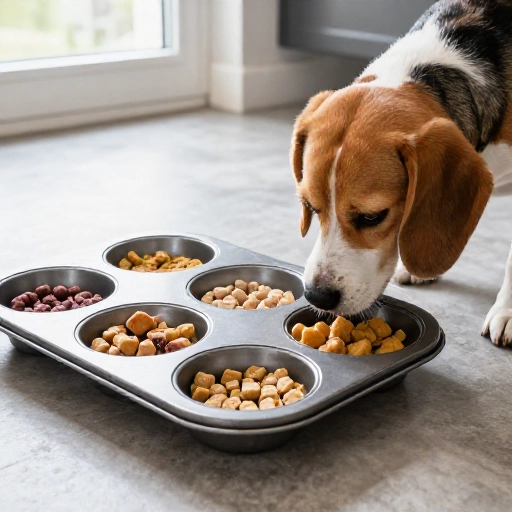
This is my absolute go-to for a quick brain workout. Grab a standard muffin tin and a few tennis balls. Place a small treat in a few of the cups, then cover every cup with a tennis ball.
Your dog will have to sniff out which cups have the treats and figure out how to nudge the ball away. It’s a fantastic problem-solving challenge. Start easy by leaving a few cups empty so the game isn’t too frustrating.
You can level up by using more balls and fewer treats. My dog loves the sound of the balls clinking as he works.
2. The Towel Roll-Up
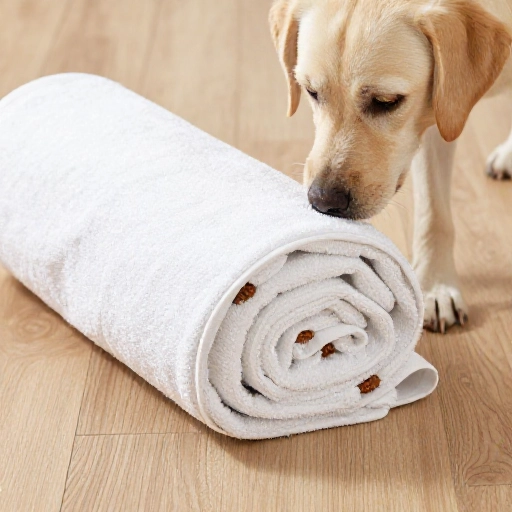
This one is so easy and uses up old kitchen towels. Lay a flat towel on the floor and sprinkle a few small, smelly treats along the center. Roll the towel up tightly like a jelly roll.
Give the rolled towel to your dog and watch them use their nose and paws to unroll it. The challenge isn’t just getting the treats; it’s figuring out the mechanics of unrolling the fabric.
For a harder version, tie a loose knot in the towel after rolling it. Always supervise to make sure they don’t eat the towel, and choose durable fabric.
3. The Shell Game (Cups & Treats)
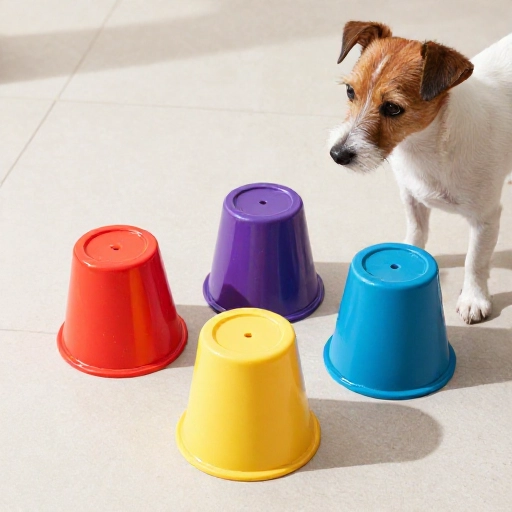
You know the old street game? It works perfectly for dogs. Use three plastic cups or small bowls. Let your dog see you place a treat under one cup. Shuffle the cups slowly.
Encourage your dog to choose the correct cup by pointing or saying “find it.” When they nudge or paw at the right cup, lift it and let them have the treat. It teaches patience and focus.
Don’t move too fast at first. The goal is for them to succeed, not to outsmart them. As they get better, you can speed up the shuffle.
4. The “Find It” Nose Work Game
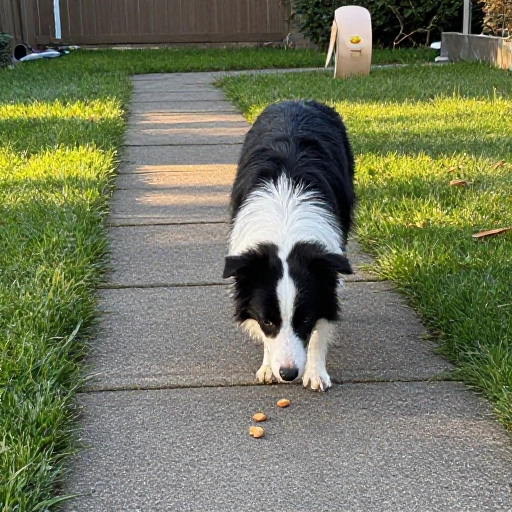
This game taps into your dog’s most powerful sense: smell. Start easy. Have your dog stay in one room while you hide a few high-value treats in plain sight in another room.
Say “find it!” and let them loose. Praise them wildly when they discover a treat. Gradually make the hides harder by placing treats behind a chair leg, under a cushion edge, or on a low shelf.
This is mentally exhausting for dogs. A 10-minute nose work session can be as tiring as a 30-minute run. It builds incredible confidence, especially for shy dogs.
5. The Cardboard Box Puzzle
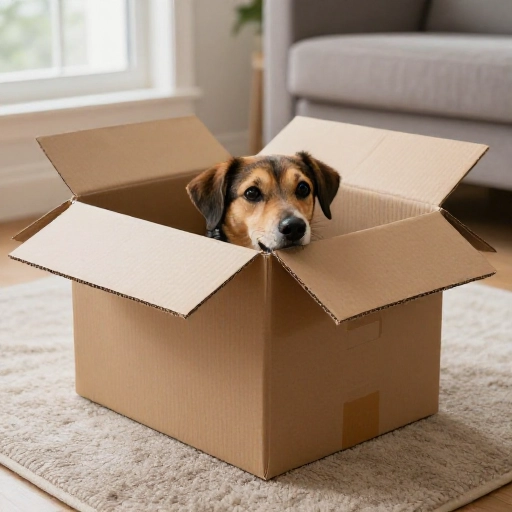
Don’t throw away your Amazon boxes! They are perfect for enrichment. Start with a simple box, close the flaps, and cut a small hole in the top. Drop a few treats inside.
Your dog will have to use their paws or nose to open the flaps or tip the box to get the goodies. It’s a great way to recycle and challenge them.
For a super challenge, place a smaller box with treats inside a larger box. Add crumpled paper for extra difficulty. Just be prepared for a little bit of a mess.
6. The “Which Hand?” Game
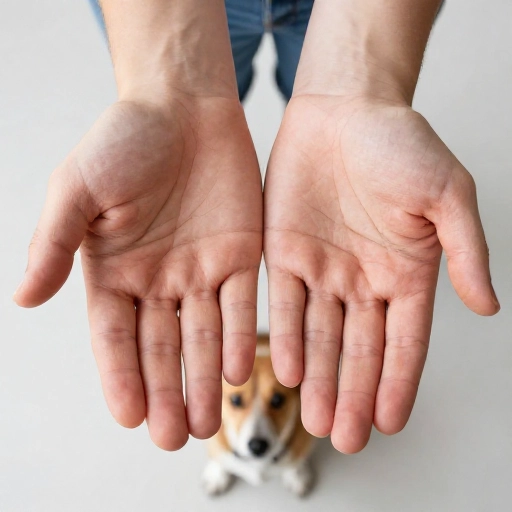
This is the easiest game on the list and takes zero preparation. Put a small, smelly treat in one hand. Close both fists. Present both hands to your dog.
Let them sniff. When they tap or paw at the correct hand, open it and give them the treat. If they choose the wrong hand, just show them it’s empty and try again.
This teaches impulse control. They learn that patience and gentle interaction get them the reward, not frantic scratching.
7. The Ice Block Treasure Hunt
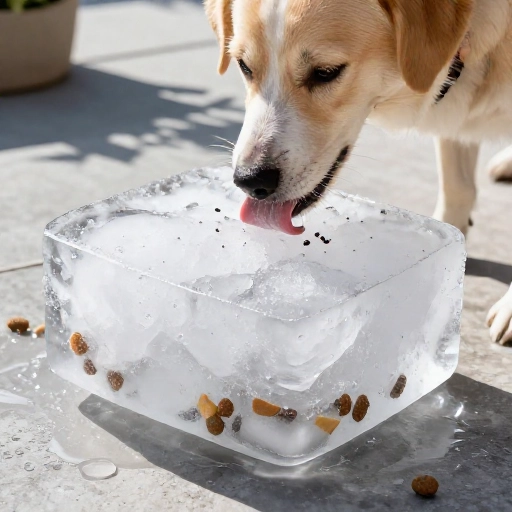
Perfect for a warm day or a teething puppy. Fill a large plastic container or a sturdy bowl with water. Drop in a handful of treats, some kibble, and maybe a few blueberries or carrot pieces.
Freeze it solid. Once frozen, pop the ice block out and give it to your dog on a towel or outside. They will spend a good 20-30 minutes licking, pawing, and figuring out how to melt the ice to get the treasures.
It’s hydrating, soothing, and mentally absorbing. Use a silicone mold for easy removal.
8. The Bottle Spinner
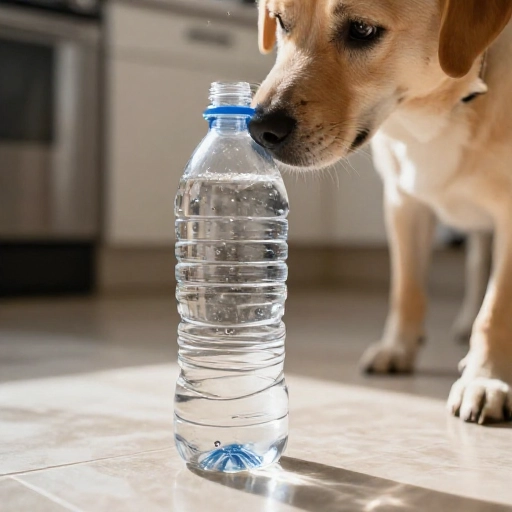
Take an empty plastic water bottle. Remove the cap and the label. Rinse it out. Drop a few small, dry treats or kibble inside. Screw the cap back on tightly.
Give the bottle to your dog. They will push it, bat it, and nudge it to get the treats to fall out of the opening. The sound and movement make it very engaging.
Supervise closely to ensure they don’t chew and swallow plastic. This game is best for dogs who are gentle toys, not aggressive shredders.
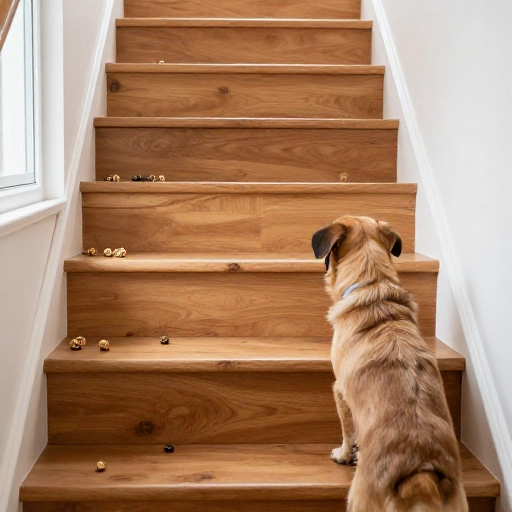
9. The Staircase Surprise
If you have stairs, you have a ready-made puzzle. Have your dog wait at the bottom of the stairs. Hide a few treats on different steps, some in plain sight and some near the wall.
Release your dog with a “find it!” command. They will have to scan each step, using their nose to locate the hidden treasures. This combines movement with scent work.
It’s fantastic for senior dogs because it is low-impact but mentally stimulating. It also helps with coordination.
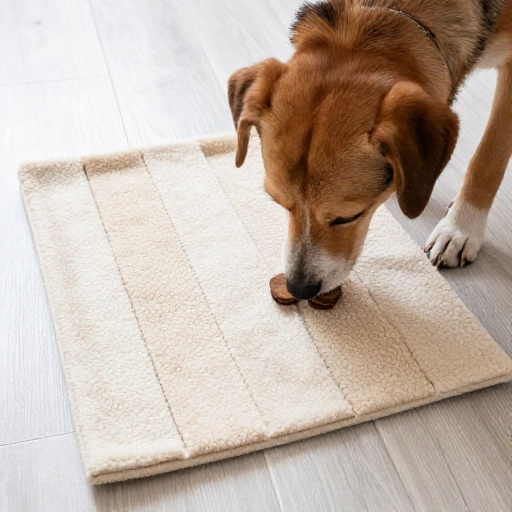
10. The DIY Snuffle Mat
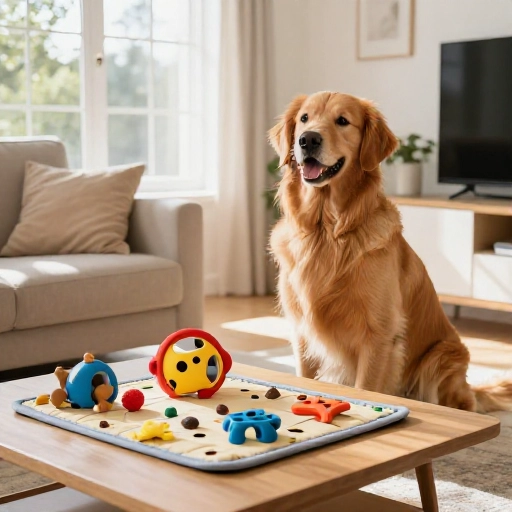
A snuffle mat mimics the experience of foraging in grass. You can buy one, but it’s easy to make. Take a rubber sink mat with suction cups on the bottom. Cut fleece fabric into long strips.
Tie the fleece strips through the holes in the mat. Flip it over so the fabric is on top. Sprinkle kibble or treats deep into the fabric strips.
Your dog will have to root around with their nose to find every piece. It slows down fast eaters and provides a satisfying, natural foraging experience.
11. The “Go to Your Bed” Trick
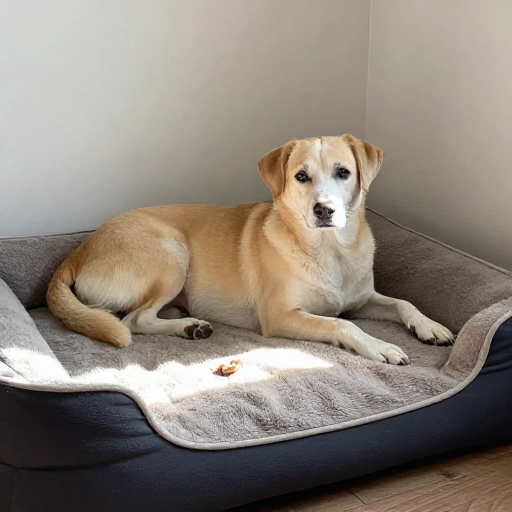
This isn’t just a command; it’s a mental game. Teach your dog to go to a specific mat or bed. Once they know the basics, make it harder. Point to a chair, then to their bed, then to a rug.
Vary the targets. Ask them to “go to your bed” from different rooms. You can even hide their bed behind a couch or under a table.
This strengthens their listening skills and understanding of object names. It’s a calm, focused exercise that builds a solid foundation for other training.
Conclusion
Mental games are a wonderful way to connect with your dog without needing a huge backyard or a lot of equipment. They turn everyday objects into exciting challenges. The best part is seeing that lightbulb moment when your dog figures out a puzzle.
Try one or two of these games this week. Watch how your dog’s confidence grows and how much calmer they become. A busy brain really does make for a happy dog.
Frequently Asked Questions
How long should a mental stimulation session last?
It depends on your dog. Start with 5 to 10 minutes. Some dogs get frustrated if it’s too long. Watch for signs of stress like yawning or turning away. Short, successful sessions are better than long, frustrating ones.
Can I do these games every day?
Absolutely. You can rotate different games throughout the week to keep things fresh. Many dogs love a daily “find it” or “muffin tin” game as part of their routine. Just don’t overdo it; mental work is tiring.
My dog gets frustrated and gives up. What should I do?
Make the game easier. Go back to a simpler version they can solve quickly. Always let them win a few times. Your job is to set them up for success, not to challenge them too much. Praise small efforts.
Are these games safe for puppies?
Yes, but you must supervise. Puppies explore with their mouths. For the bottle game, use a thicker, hard plastic bottle. For the ice block, use a small size. Always remove any small pieces that could be swallowed.
What if my dog isn’t food motivated?
Use their favorite toy or a special squeaky ball as a reward. For the “find it” game, hide a stuffed toy. For the towel roll, use a toy instead of a treat. The key is using something they value as the prize.