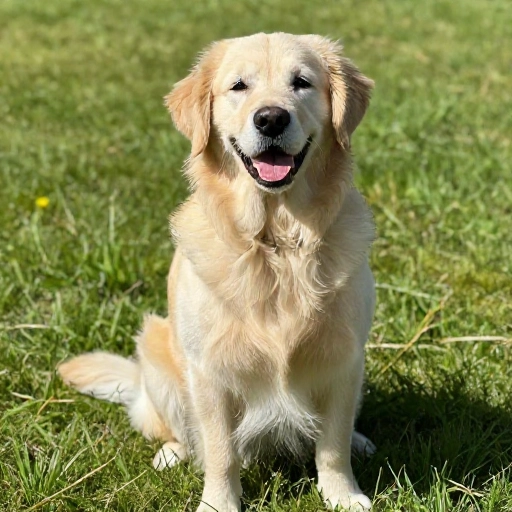
How to Bathe a Dog at Home Step by Step: The Calm, Clean, No-Drama Way
I used to think bathing my dog at home would be a disaster. Wet fur everywhere, a slippery tub, and a dog looking at me like I’d betrayed him. Then I learned a few simple steps that changed everything.
Now bath time is less of a wrestling match and more of a routine. It still takes planning, but it’s totally doable—even if your dog hates water. Below is the exact step-by-step method I use to bathe my dog at home without losing my patience.
If you want a clean dog, a calmer pup, and a bathroom that doesn’t look like a hurricane hit it, keep reading.
1. Gather Everything Before You Touch the Water
The biggest mistake I made early on was starting the bath and then running around for shampoo. Your dog will not wait patiently while you search under the sink. Trust me.
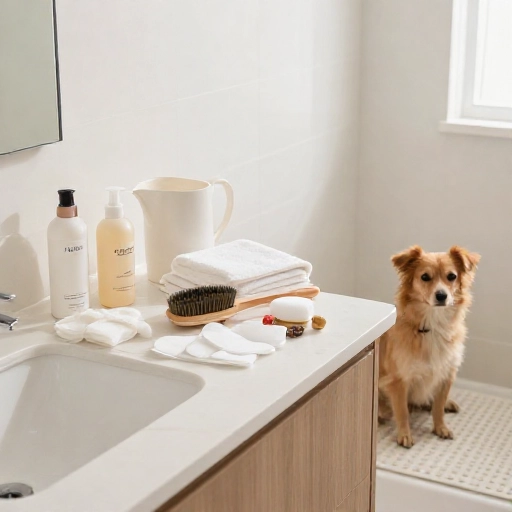
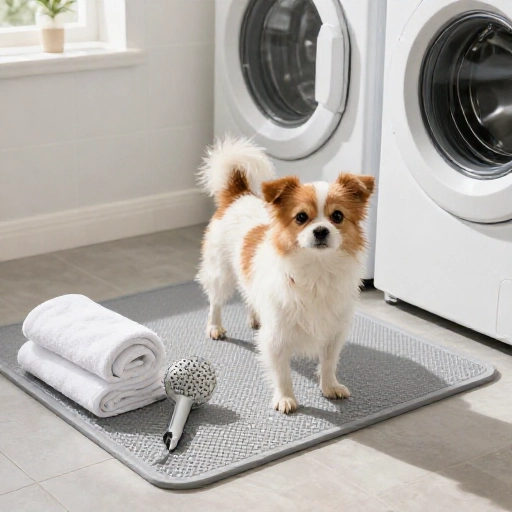
Before you even turn on the tap, line up everything within arm’s reach: dog shampoo, conditioner if you use it, a washcloth, two towels, a cup or pitcher for rinsing, and a non-slip mat. If your dog is tiny, a sink works. For bigger dogs, a tub or a sturdy plastic tub is ideal.
I also keep a few treats in a zip-top bag nearby. A quick reward during the bath can reset a nervous dog’s mood faster than anything else.
2. Pick the Right Spot and Make It Less Slippery
Slippery floors are scary for dogs. A scared dog will try to climb out, which makes the whole bath harder. I put a rubber bath mat in the tub and a towel on the floor just outside.
If your dog is small, a kitchen sink can work, but only if you can control the sprayer. For medium and large dogs, a bathtub with a handheld shower head is the easiest setup.
Close the bathroom door before you start. It keeps a wet dog from escaping and gives you a contained space if they shake.
3. Brush First—It Changes Everything
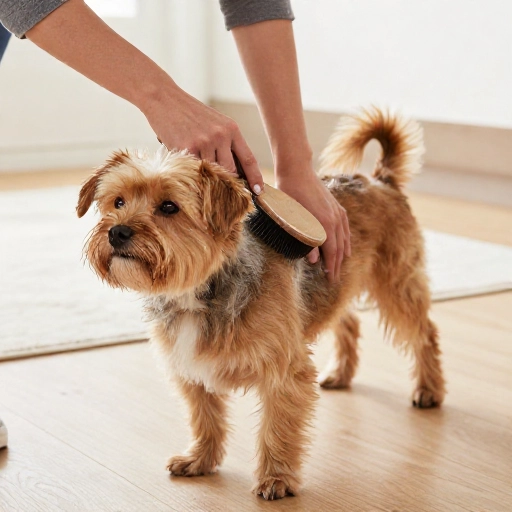
I never skip brushing now. A good brush session before the bath removes loose hair, dirt, and tangles. If you wash a matted coat, the mats tighten up and become almost impossible to brush out later.
Use a brush that matches your dog’s coat type. Short-haired dogs do well with a rubber curry brush. Long-haired dogs need a slicker brush or comb. Go gently, especially around the ears, belly, and tail.
If you find a tough knot, work it out before the water hits. Your future self will thank you.
4. Test the Water and Keep It Lukewarm
Dogs have sensitive skin. Water that feels hot to you can be uncomfortable or even burn them. I aim for lukewarm—about the temperature of a baby’s bath.
Test it on the inside of your wrist before your dog gets in. If it feels warm but not hot, it’s usually right. Also check the water pressure. A hard blast can scare a dog, so use a gentle spray or a cup.
Fill the tub just an inch or two deep if your dog prefers standing in water. Some dogs feel more secure that way.
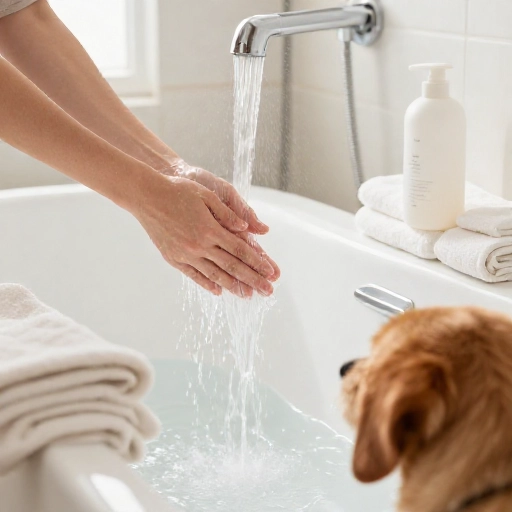
5. Wet Your Dog Gently from the Neck Down
Start at the neck and work your way back. I avoid the head at first because water in the ears and eyes can make a dog panic. Use your hand or a cup to pour water slowly.
Talk in a calm, happy voice. I say things like “good boy” and “almost done” even if he’s giving me side-eye. Your tone matters more than your words.
Make sure the coat is completely wet down to the skin. If the fur is thick, part it with your fingers so water reaches the undercoat.
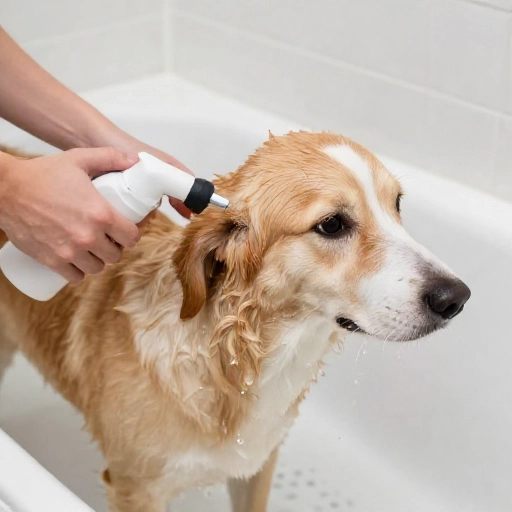
6. Use Dog Shampoo the Right Way (Not Too Much)
Only use shampoo made for dogs. Human shampoo can mess with their skin’s pH and leave them itchy. I pour a small amount into my hand, rub it between my palms, and then massage it into my dog’s coat.
Start behind the ears, then move along the back, sides, belly, legs, and paws. Avoid the eyes, inside the ears, and the nose. If your dog has skin issues, ask your vet about a medicated shampoo.
Don’t scrub too hard. A gentle massage is enough. If you’re using a flea shampoo, follow the label’s timing exactly.
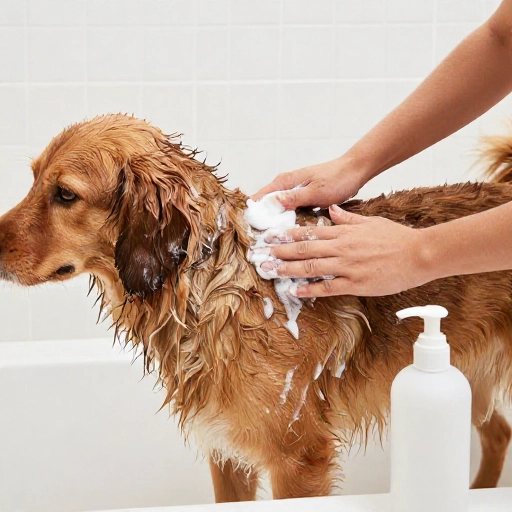
7. Rinse, Rinse, Rinse (This Is Where Most People Rush)
Leftover shampoo is the number one reason dogs get itchy after a bath. I rinse at least twice as long as I think I need to. The water should run clear, not soapy.
Pay extra attention to the armpits, belly, groin, and between the toes. Those spots trap shampoo easily. I use a cup to pour clean water over each area, then check with my fingers.
If your dog has a thick double coat, rinse with a handheld sprayer and use your fingers to lift the fur. When you think you’re done, rinse one more time.
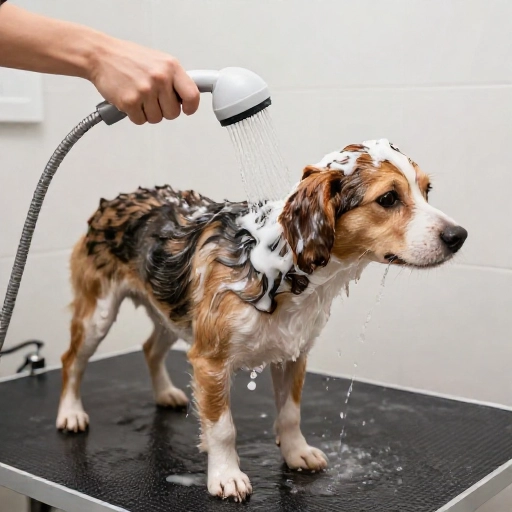
8. Wash the Face with a Washcloth, Not the Hose
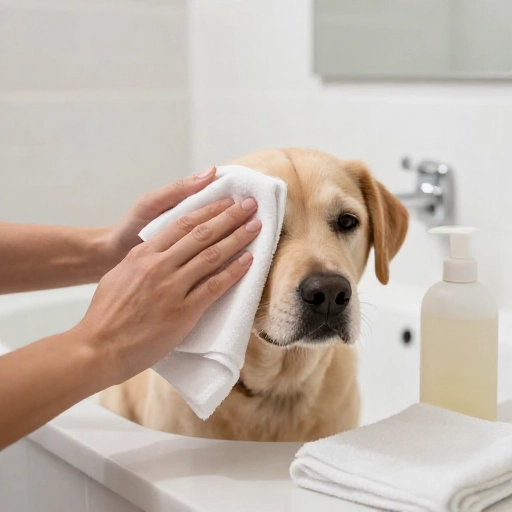
The face is the part most dogs hate. I never spray water directly on my dog’s head. Instead, I wet a soft washcloth with lukewarm water and wipe gently.
Wipe around the eyes, muzzle, and cheeks. For wrinkles or folds, use a separate clean cloth or cotton pad and be very gentle. Never put water or shampoo inside the ears.
If your dog’s face is dirty, a little dog-safe face wipe can help. But plain water on a washcloth is usually enough.
9. Dry Your Dog Properly to Avoid Wet-Dog Smells
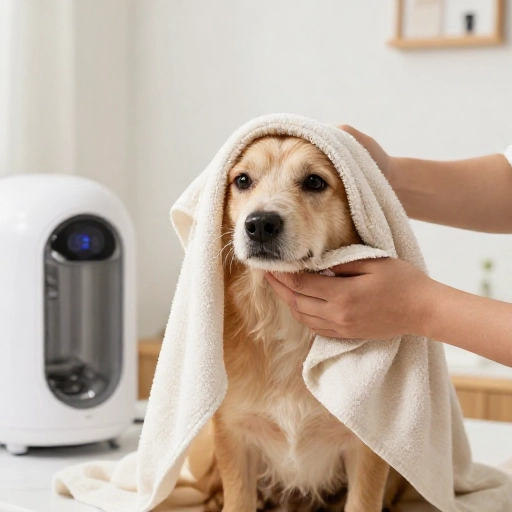
Drying is just as important as washing. I wrap my dog in a big towel and press, not rub, to soak up water. Rubbing can tangle long coats and irritate skin.
For short-haired dogs, a towel dry followed by air drying in a warm room is often enough. For long or double coats, use a pet-safe blow dryer on the lowest heat setting. Keep it moving so you don’t burn their skin.
Never leave a dog wet in a cold room. A damp coat can lead to chills and that classic wet-dog smell. If your dog will tolerate it, a quick brush after drying helps the coat look smooth.
10. Make It a Positive Experience for Next Time
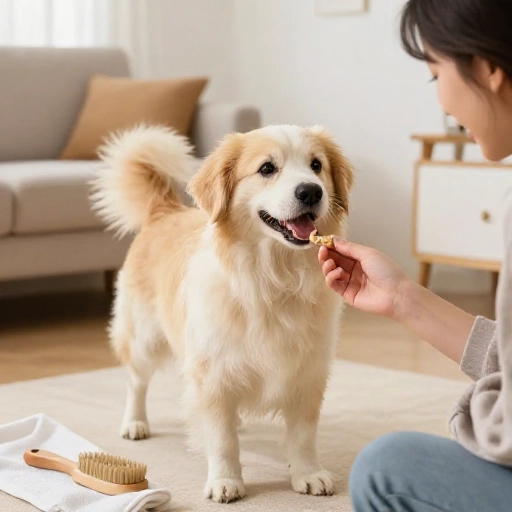
The bath ends, but the memory stays. I give my dog a high-value treat right after toweling off. I also keep the post-bath energy calm and happy, not rushed.
If your dog was nervous, don’t scold them. That only makes the next bath harder. Instead, note what went well and what you’d change. Maybe the water was too cold, or the sprayer was too loud.
Short, positive sessions build trust. Over time, many dogs learn that bath time means treats, praise, and a cozy towel. It may never be their favorite thing, but it can become manageable.
Conclusion
Bathing a dog at home doesn’t have to be chaotic. With a little prep, lukewarm water, dog-safe shampoo, and a lot of rinsing, you can get a clean dog without a major battle.
My best advice? Go slow, keep treats handy, and don’t rush the rinse. The more calm and predictable you are, the more your dog will trust the process.
FAQ
How often should I bathe my dog?
Most dogs do well with a bath every 4 to 8 weeks, but it depends on breed, coat, and lifestyle. Dogs with skin conditions may need a different schedule—ask your vet.
Can I use human shampoo on my dog?
No, it’s best to avoid it. Human shampoo can dry out or irritate a dog’s skin because their pH is different. Use a shampoo made specifically for dogs.
What if my dog hates water?
Try a shallow tub, a non-slip mat, and a cup instead of a sprayer. Go slowly, use treats, and keep sessions short. Some dogs also do better with a professional groomer if home baths cause too much stress.
How do I stop my dog from shaking water everywhere?
You can’t fully stop it, but you can manage it. Keep a towel over their back as they step out, and have another towel ready. Closing the bathroom door also contains the shake zone.
Should I bathe my dog before or after a walk?
I prefer after a walk, but not right after intense exercise. Let your dog cool down and drink water first. Then bathe, dry well, and keep them warm.