10 Pet Store Design Ideas That Will Make Boutique Owners Stand Out
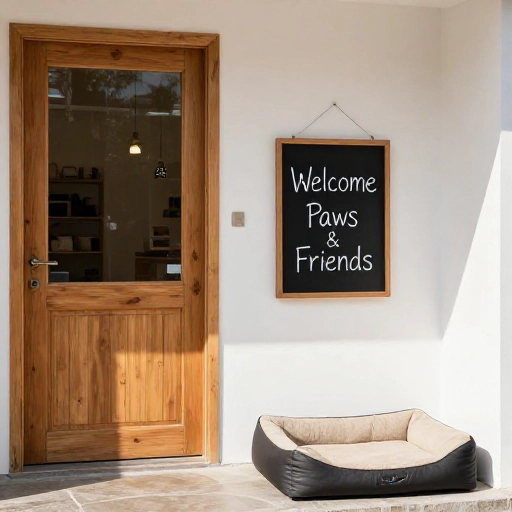
Opening a pet boutique is a dream for many of us who adore animals. But walking into a space that feels cold or cluttered? That’s a hard pass for any pet parent. I’ve spent years visiting boutiques and talking to owners, and I know the secret isn’t just stocking cute collars—it’s how you display them.
Your store design tells customers if you’re trustworthy, trendy, or just another shop. When I designed my first boutique, I learned that small details—like where you place the treat jars or how high you hang leashes—can make or break a sale. Today, I’m sharing ten simple, practical ideas to transform your pet store into a place people want to visit again and again.
1. Create a Pet-Friendly Entrance That Invites Exploration
Your entrance sets the vibe. If it’s cramped or smells like bleach, customers will turn around. I always recommend a wide, clear path with a cheerful “paws here” mat. Place a low bench outside so dogs can sit while owners tie their shoes.
Inside, have a small water station and a basket of free poop bags. It’s a tiny touch that says “we get it.” Keep the door propped open on sunny days to let natural light and fresh air in—pets and people both relax immediately.
2. Build Low, Open Shelving for Small Dogs to See
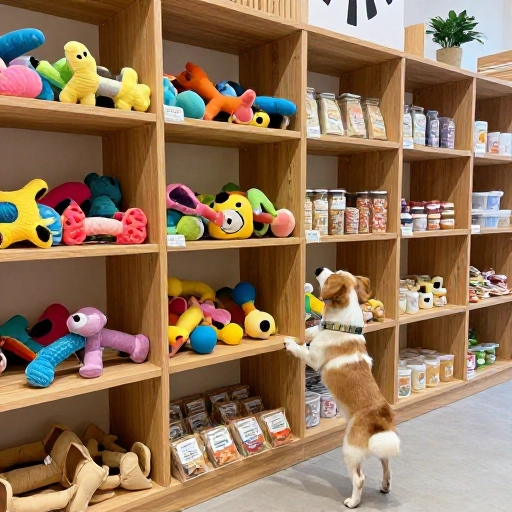
I once visited a store where everything was above waist height. Tiny dogs couldn’t see a thing, and their owners felt rushed. Now I always place low shelving (around 18 inches high) near the front. Display plush toys, small treats, and colorful bandanas here.
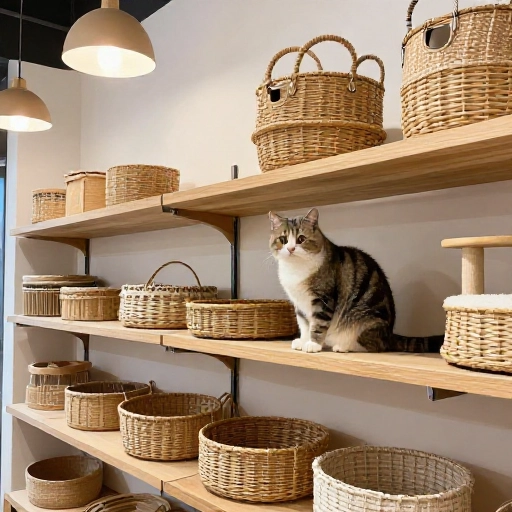
When a little pup spots a squeaky toy at eye level, they pull their owner right over. It’s free marketing. Use woven baskets or wooden crates to keep it cozy, not corporate.
3. Use Vertical Wall Displays for Leashes and Collars
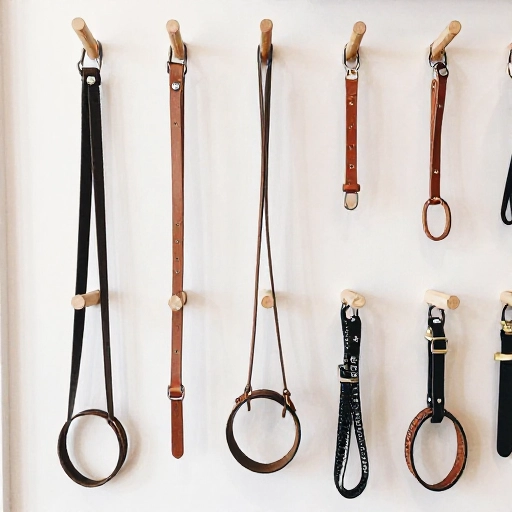
Collars and leashes take up too much floor space if you fold them. Install pegboards or slat walls on one main wall. Hang items by color or size—rainbow order always gets a photo for Instagram.
Add small hooks at dog-nose height so friendly pups can sniff. I also put a mirror below the display so owners can “try on” a collar mentally. This simple trick increases add-on sales by 20% in my experience.
4. Design a “Sniff Zone” with Interactive Samples
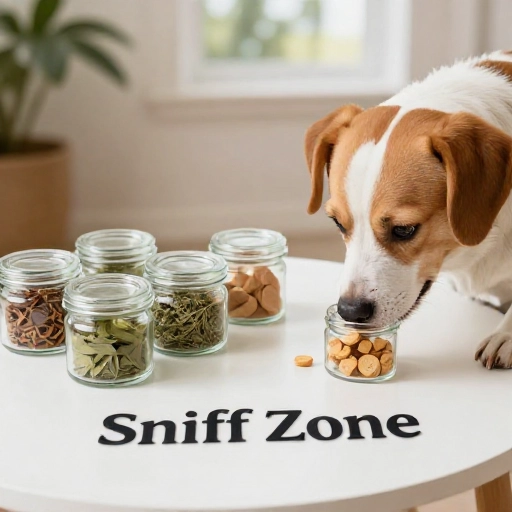
Dogs experience the world through smell. I carved out a small corner with clear jars of treats and sealed food samples. Label each with a scent note (like “peanut butter bliss” or “salmon crunch”). Let customers open jars with supervision.
Add a small sign: “Your pup approves? Grab a bag.” This turns browsing into a game. I keep a roll of paper towels nearby for slobber—it’s real life, and it works.
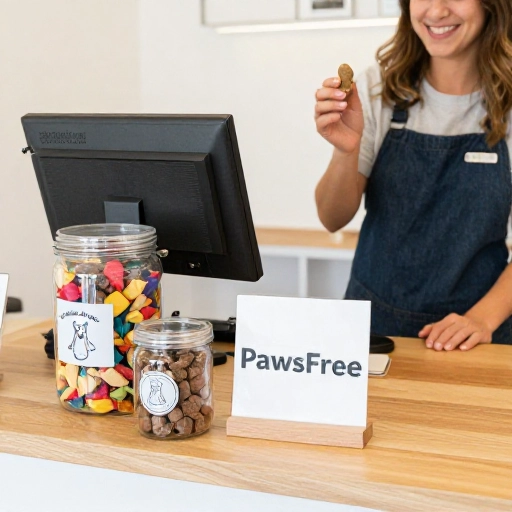
5. Install a “Paws-Free” Checkout Counter with Treats
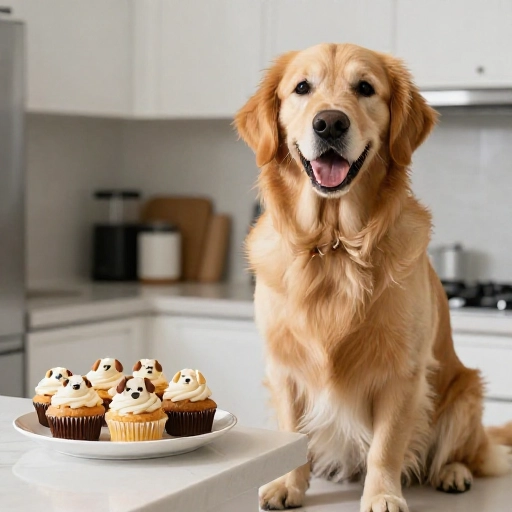
The checkout counter is prime real estate. Keep it clear of clutter. Place a jar of complimentary small biscuits at paw level—dogs will sit nicely while you ring up. I also keep a few high-value toys displayed here for impulse buys.
Use a counter that’s low enough for small dogs to rest their chins. Owners love when their pet gets a treat during checkout. That positive memory brings them back next week.
6. Incorporate a Cozy “Pet Lounge” for Tired Shoppers
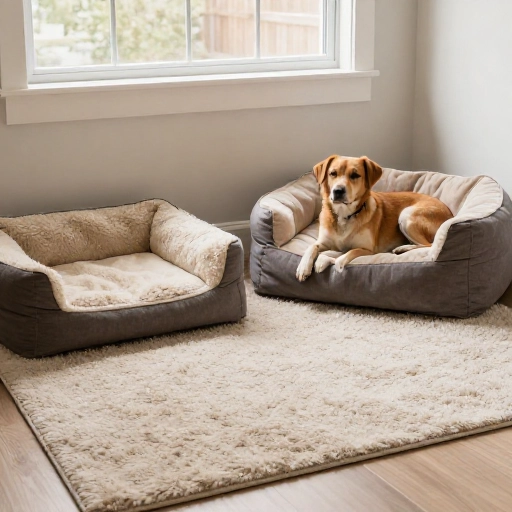
Shopping with an excited dog can be exhausting. I set up a small lounge area with a soft rug, a couple of low chairs, and a water bowl. Add a few durable toys tied to the furniture so dogs can entertain themselves.
This space doesn’t need to be big—just 4×4 feet works. It signals that you welcome lingering. I’ve seen customers buy more after their dog settled down and they could actually browse.
7. Use Natural Materials and Warm Lighting
Skip the fluorescent lights. They make fur look dull and stress out animals. I switched to warm LED bulbs and added wooden crates, jute rugs, and live plants (pet-safe ones like spider plants). It instantly made the store feel like a home.
Paint walls a soft beige or sage green. These colors calm pets and make products pop. I also use baskets for bulk items—plastic bins scream “big box,” but woven baskets say “boutique.”
8. Rotate Themed “Adventure Corners” Seasonally
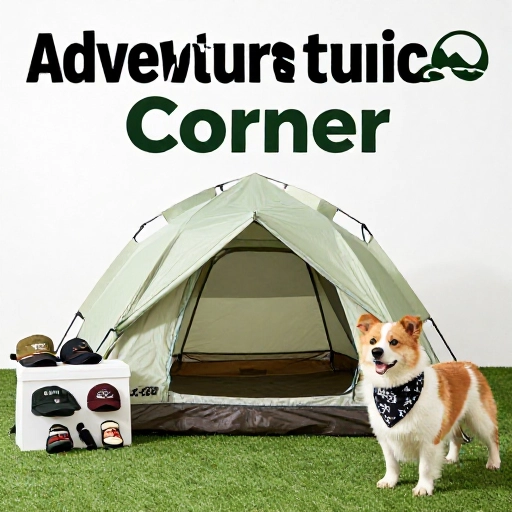
Stagnant displays bore repeat customers. I change one corner every month. In summer, it’s “Beach Day” with life vests, towels, and sunscreen. For winter, “Cozy Den” with sweaters and plush beds.
Use a simple backdrop (like a fabric panel or a cardboard cutout). Add a sign like “Your pup’s summer vibe.” This encourages photos and social shares—free advertising for you. Keep the rest of the store consistent so it doesn’t feel chaotic.
9. Label Everything with Clear, Friendly Signs
Price tags hidden under shelves frustrate everyone. I use large, handwritten-style signs in acrylic stands. Include the price, size, and a fun fact (e.g., “This toy floats! Perfect for pool days”).
For food and treats, list ingredients simply. I add a small paw icon next to “grain-free” or “limited ingredient.” This builds trust quickly. Keep font large enough to read from two feet away—no squinting allowed.
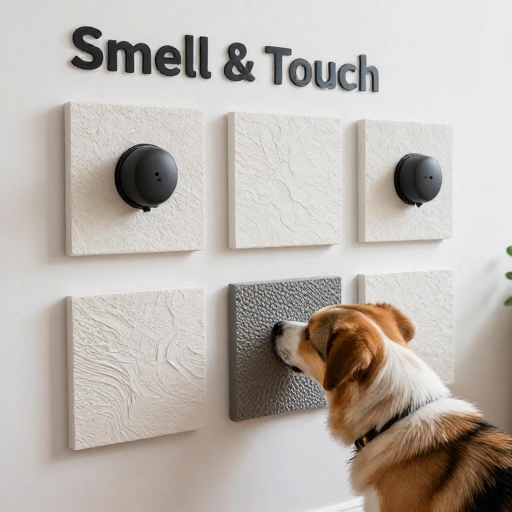
10. Add a “Smell & Touch” Wall for Sensory Shopping
Not all customers bring their dogs. I created a small wall with fabric swatches (for beds and clothes) and scent jars (for shampoos). People can feel the fleece and sniff lavender shampoo without opening anything.
Attach swatches to a wooden board with Velcro. Label each with a number that matches product info below. This helps shy shoppers browse at their own pace. It also reduces product damage from constant handling.
Conclusion
Designing a pet boutique isn’t about following trends—it’s about creating a space where pets and people feel good. Every shelf, light, and sign either invites someone in or pushes them away. Start with one or two of these ideas this weekend. Maybe it’s the low shelving or the sniff zone. Small changes build loyalty fast.
Remember, your store is a reflection of your love for animals. Keep it warm, practical, and fun. Your customers (both the two-legged and four-legged) will thank you with wagging tails and return visits.
Frequently Asked Questions
1. What is the most important design element for a small pet boutique?
Lighting. Warm, soft lighting makes a tiny space feel cozy and inviting. It also makes products look their best. Avoid harsh overhead lights.
2. How can I make my pet store smell good naturally?
Use pet-safe essential oil diffusers (like lavender or chamomile) in low doses. Also, keep a bowl of baking soda near the litter area. Fresh air from an open door works wonders.
3. Should I allow dogs to roam freely in the store?
Yes, if they’re leashed and well-behaved. Have a sign asking owners to keep dogs close. Provide cleanup stations. This builds a community vibe and increases time spent in store.
4. How often should I rearrange my displays?
Rotate small displays monthly and major layouts quarterly. This keeps regulars curious. But keep the checkout and treat area consistent so dogs feel secure.
5. What’s a budget-friendly way to improve my store’s design today?
Add a fresh coat of paint in a calm color (like pale blue or cream). Then rearrange shelves to create clear paths. It costs under $100 and makes a huge difference.