5 Natural Remedies for Dog Anxiety: A Calmer Pup Starts Here
If your dog pants during thunderstorms, hides from visitors, or gets destructive when you leave, you know how heartbreaking anxiety can be. I’ve been there, watching my own pup tremble at the sound of fireworks, and I wanted to find gentle, natural ways to help. While severe cases always need a vet, many everyday worries can be soothed with simple, holistic approaches.
These five remedies are tools I’ve gathered and tried, focusing on safety and simplicity. They work with your dog’s own biology to promote a sense of calm. Think of them as a first-aid kit for your dog’s nerves, perfect for trying before a known stressful event or as part of a daily routine for a generally anxious companion.
1. The Power of Pressure: Anxiety Wraps
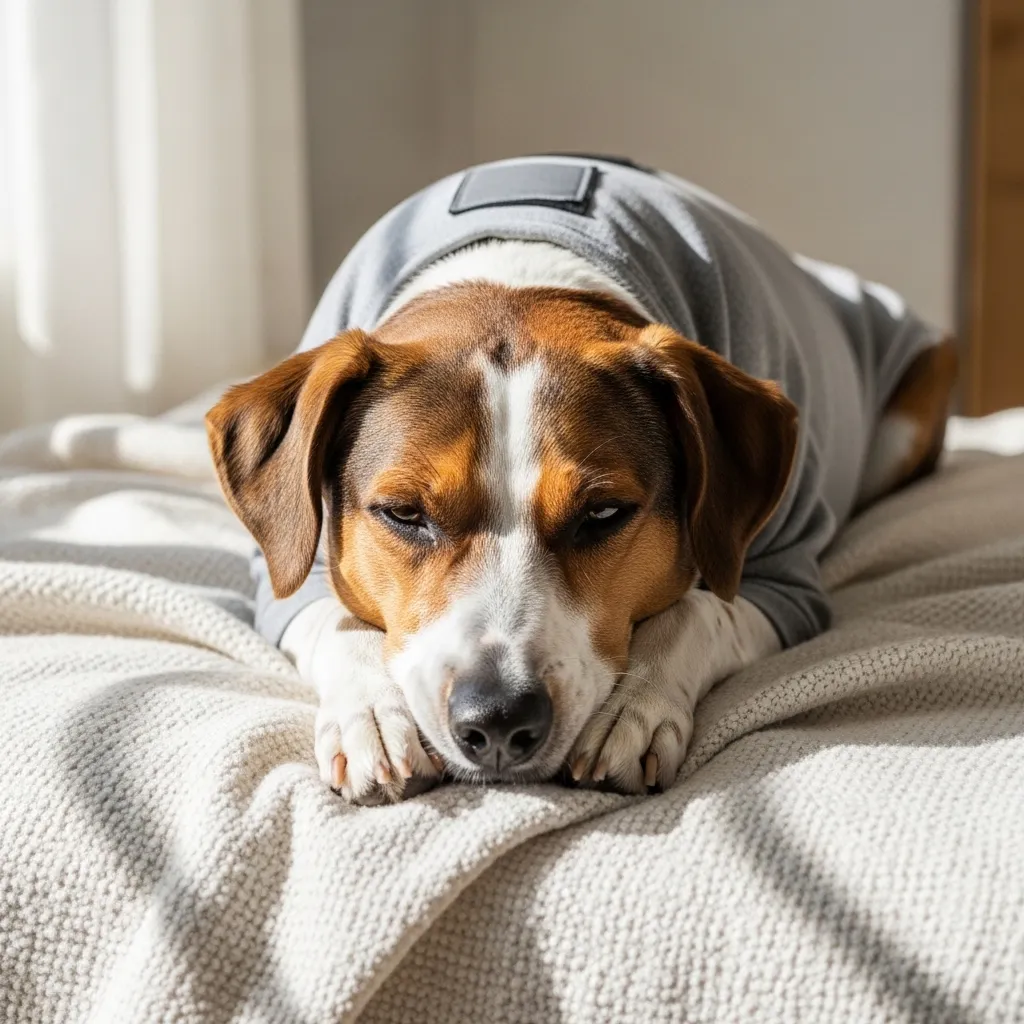
One of the quickest and most drug-free ways to calm anxiety is through gentle, constant pressure. It’s like a comforting hug that helps your dog feel secure. This technique, often called “swaddling” for dogs, can work wonders for noise phobias, travel, and vet visits.
You can use a commercially made Thundershirt or even a DIY version with a stretchy bandage. The key is a snug, but not tight, fit around the chest and torso. I always do a test run at home first with treats and play to create a positive association. Many dogs show a noticeable sigh of relief within minutes of wearing one.
2. Calming Scents: Canine Aromatherapy
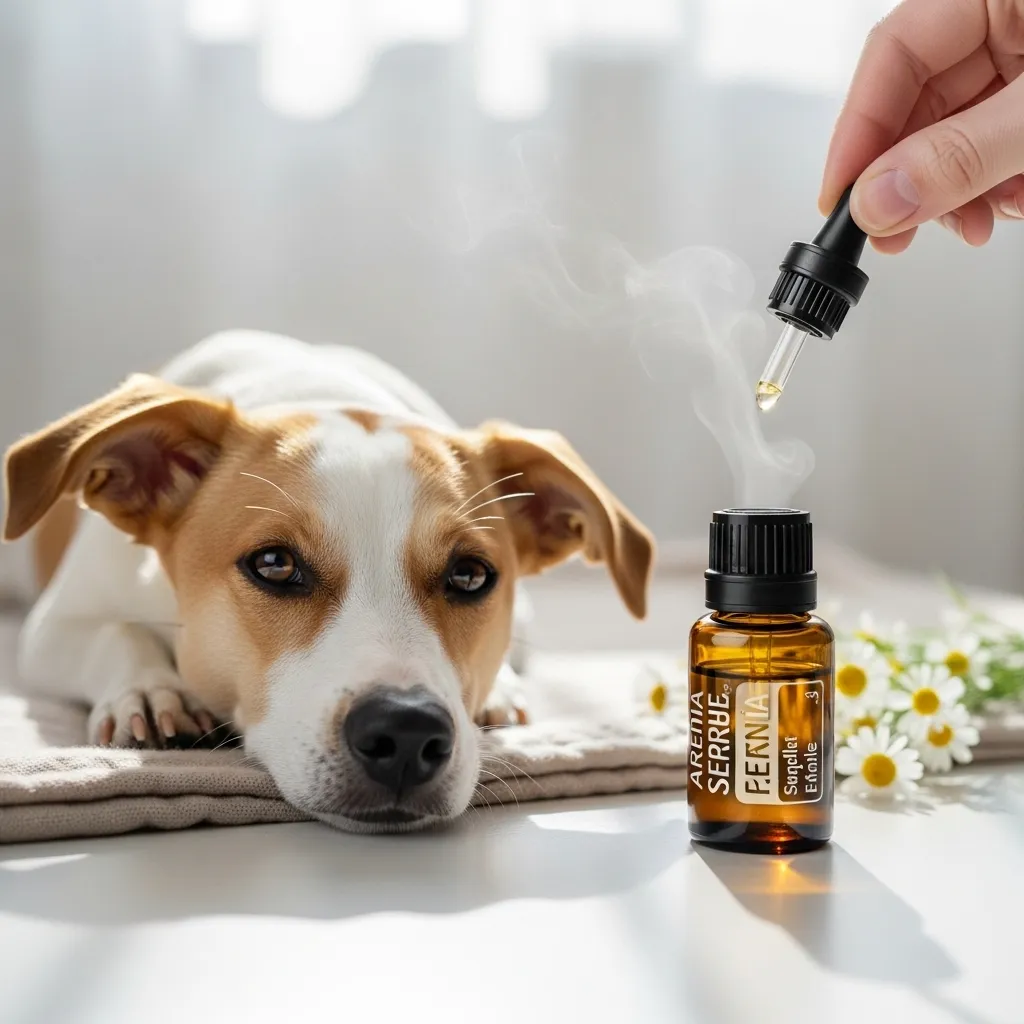
Did you know your dog’s sense of smell is their superpower? We can use it to our advantage! Certain calming scents, like lavender and chamomile, have been shown to reduce restlessness in dogs. I use them to create a peaceful environment, especially before a predicted stressor.
Safety is crucial: never apply essential oils directly to your dog’s skin or fur, and always use a high-quality, properly diluted product in a diffuser. A simpler method I love is placing a few drops of lavender oil on a bandana tied to their crate or bed, or using a ready-made calming spray on their bedding.
3. Soothing Sounds & White Noise
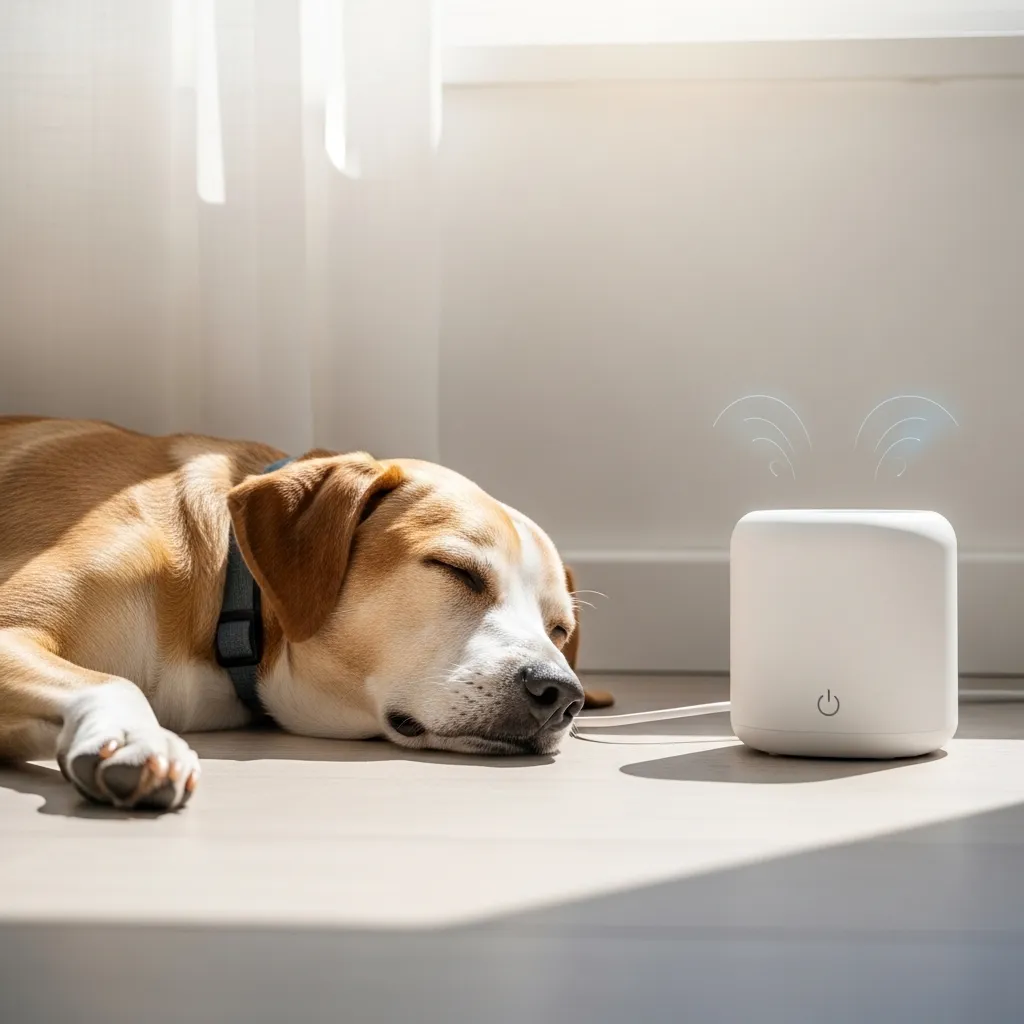
Loud, sudden noises are a huge trigger. Masking them with consistent, soothing sound can prevent anxiety from ever starting. I leave a white noise machine or a quiet TV on for my dog whenever I leave the house. It drowns out jarring street sounds and makes the empty house feel less quiet and strange.
There are even playlists and YouTube channels specifically designed for canine relaxation, featuring gentle classical music or simplified tones. Playing these during car rides or a storm can help your dog settle much faster than trying to cope with the scary noises directly.
4. Mind-Body Connection: TTouch Massage
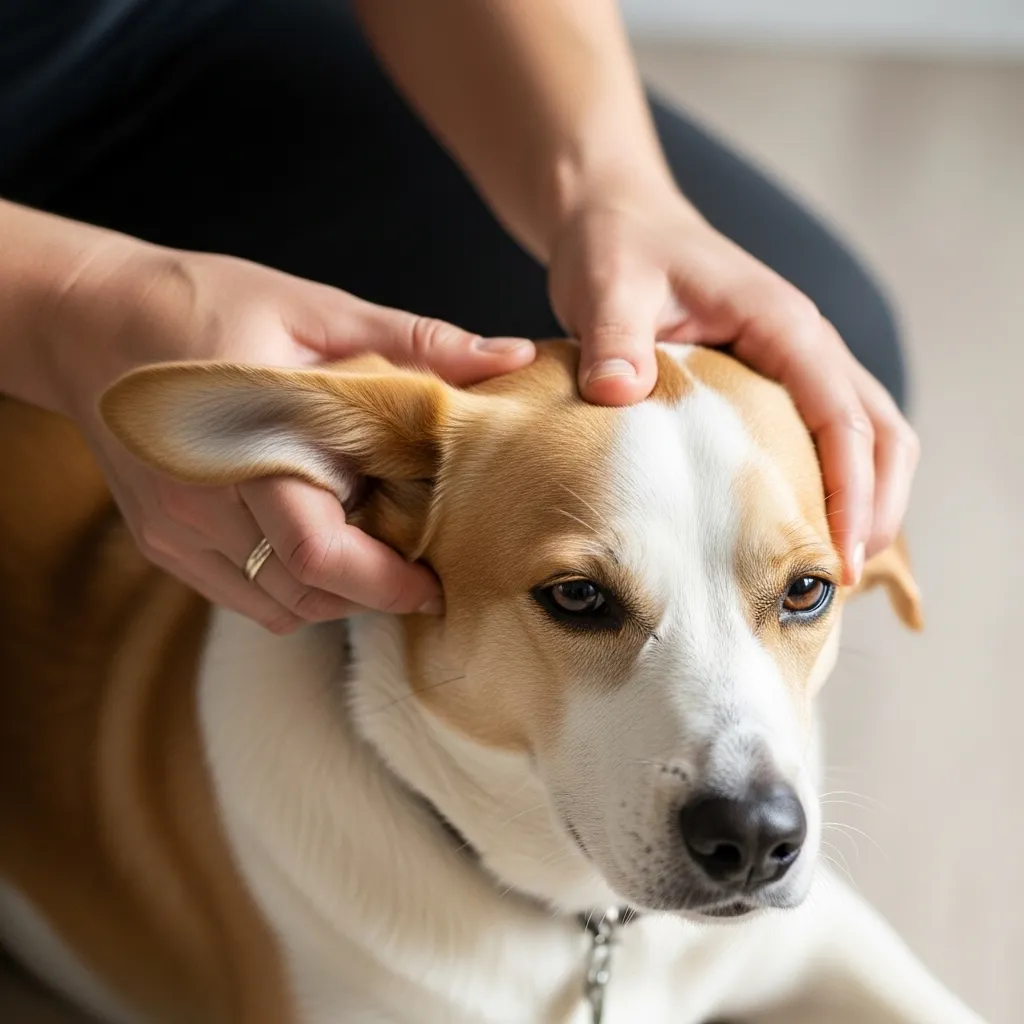
Touch is a powerful communicator. Tellington TTouch is a specific type of circular massage that helps to release tension and build confidence. It’s not about deep muscle work; it’s about light, mindful connection that calms the nervous system.
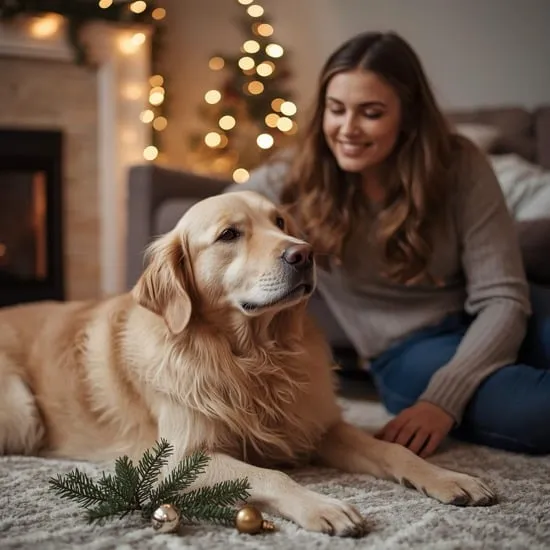
You can learn a simple ear slide or clouded leopard touch online. I spend just five minutes doing these gentle circles on my dog’s ears and along her back while we watch TV. It’s our bonding time that also teaches her body to relax on cue. It’s amazing for dogs who are fearful or overly reactive.
5. Natural Calming Supplements
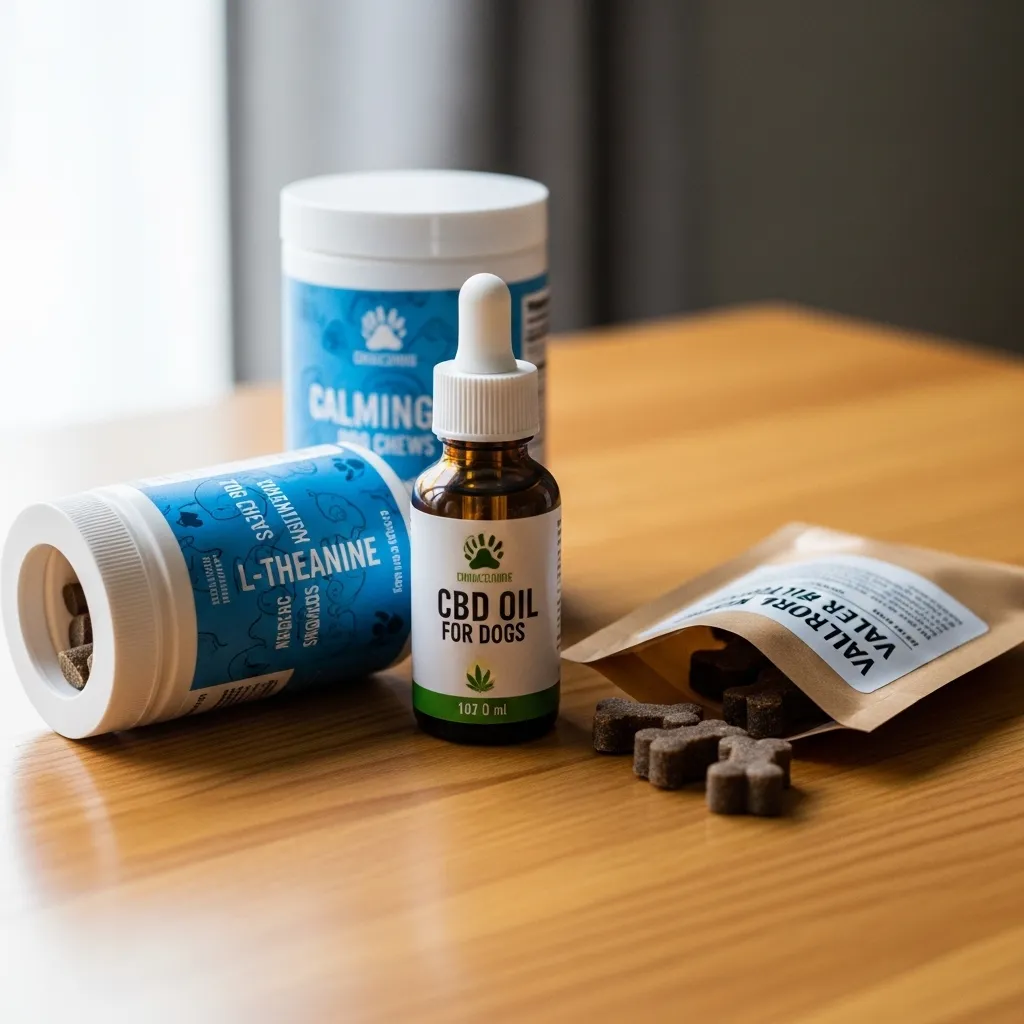
Sometimes, a little internal support is needed. Several natural supplements can take the edge off anxiety without sedation. I always consult my vet first, but my go-to ingredients to look for are L-Theanine (from green tea), L-Tryptophan, and colostrum. These support the brain’s calming neurotransmitters.
You can find them in chews, powders, or capsules. I prefer a daily chew for general anxiety, and I give it about an hour before a known stressful event. Consistency is key with supplements—they often work best when built up in your dog’s system over time as part of a holistic routine.
Creating a Safe “Den” Space
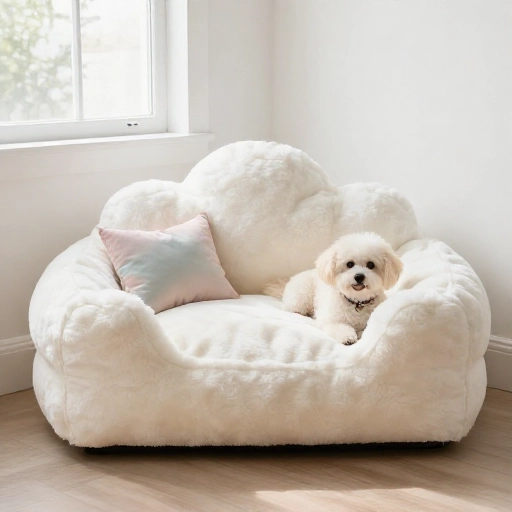
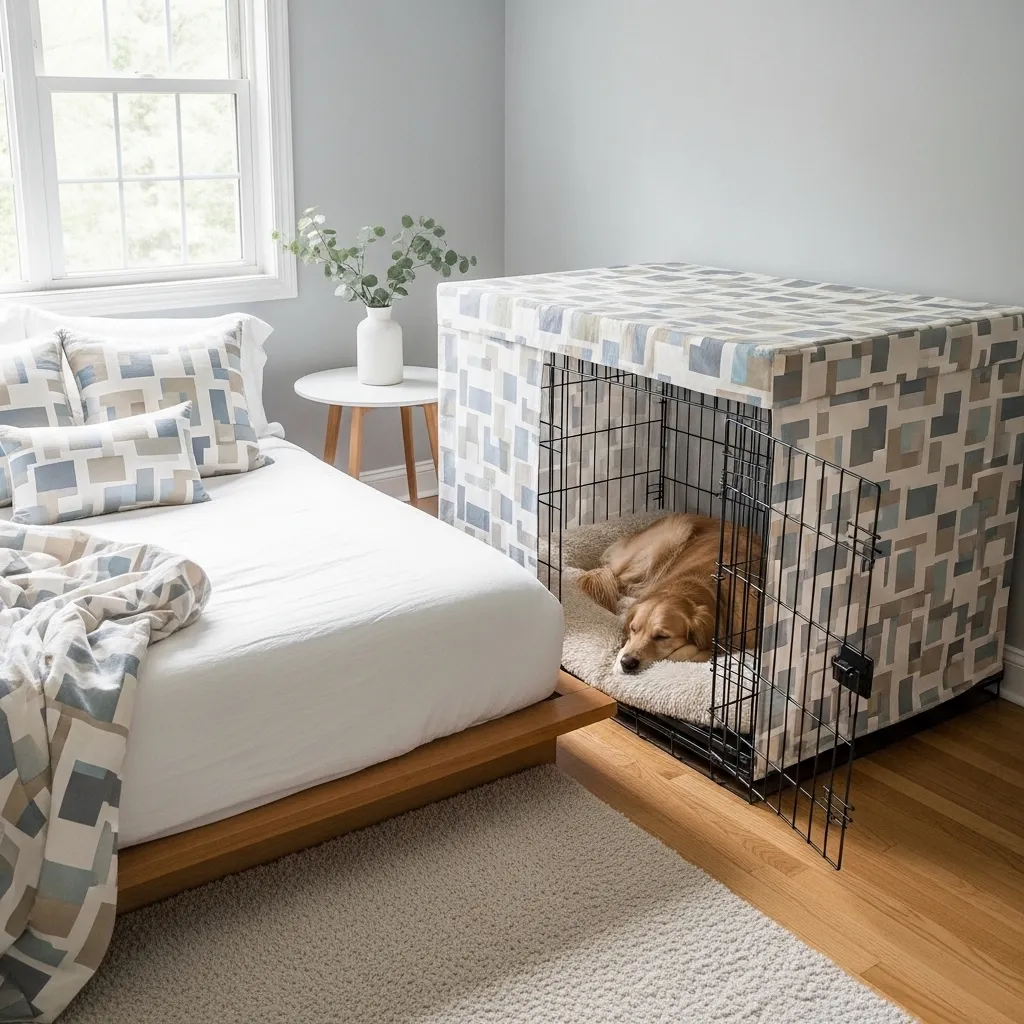
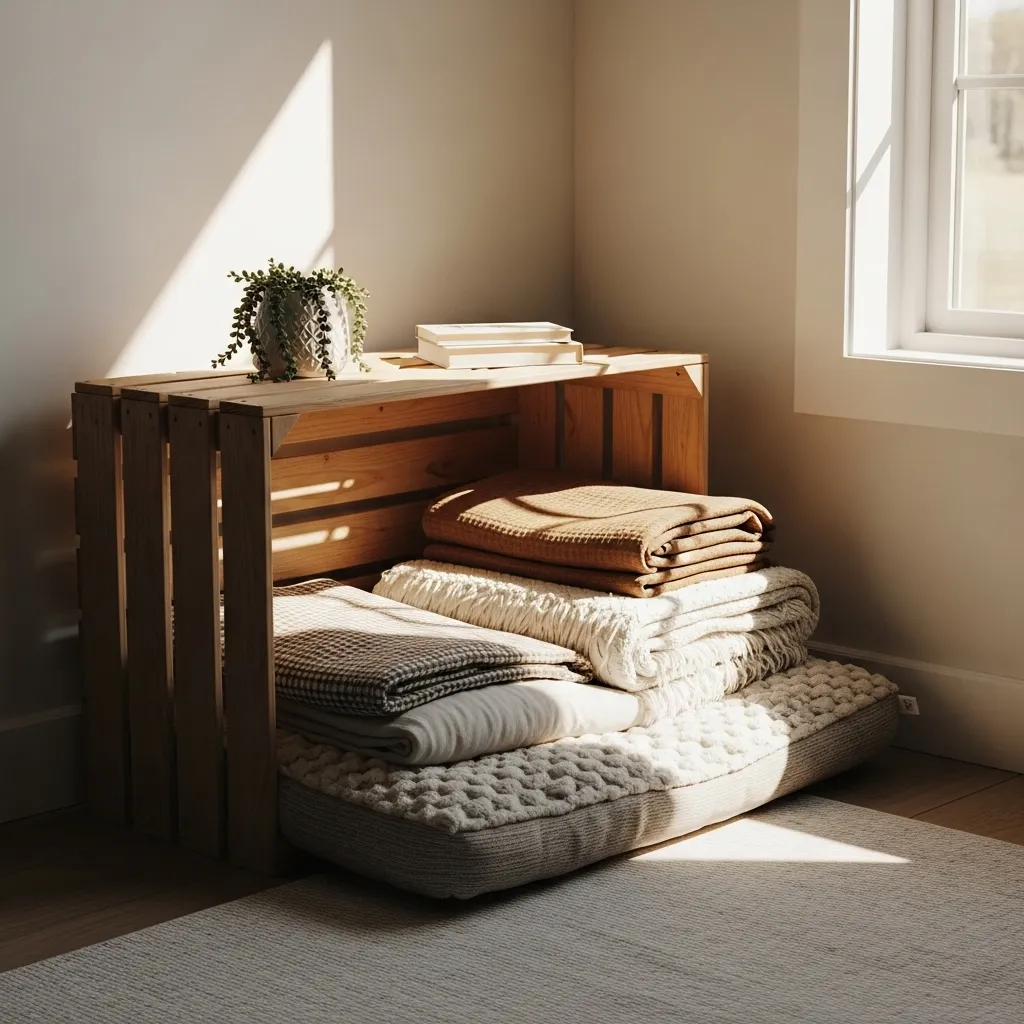
Every anxious dog needs a retreat. This is a non-negotiable safe zone where they are never disturbed. For my dog, it’s her crate with a cozy blanket draped over the top and sides to make it feel like a den. Make this space incredibly positive with special treats and toys that only appear there.
When your dog is anxious, gently guide them to their den but don’t force them in. The goal is for them to choose it as their sanctuary. This gives them a sense of control and safety, which is foundational for reducing overall anxiety levels.
The Magic of Mental Exercise
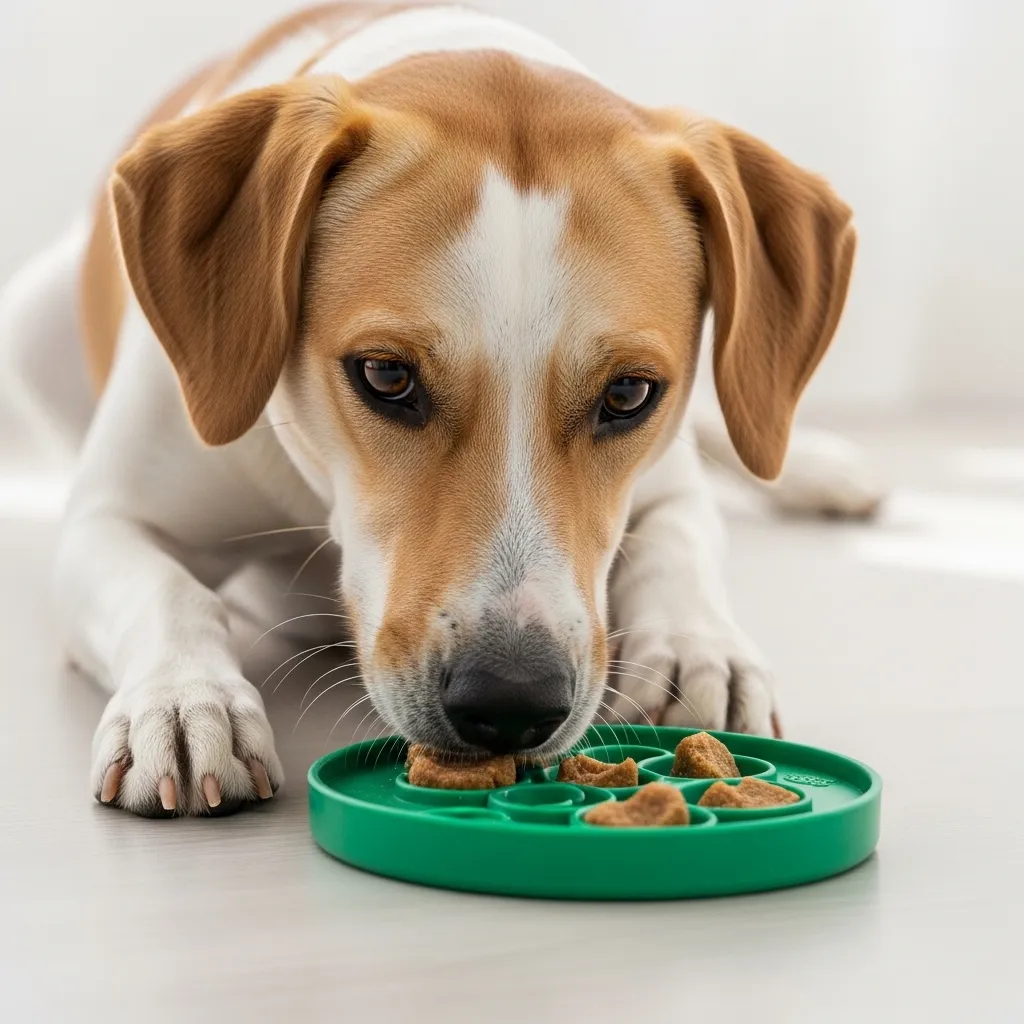
A tired dog is a calm dog, but mental fatigue is even more effective than physical exhaustion for anxiety. Puzzle toys, snuffle mats, and short training sessions work their brain, redirecting nervous energy into a focused, rewarding task.
I keep a stash of Kongs stuffed with frozen yogurt or kibble for times I need to leave. The licking and working to get the food is inherently calming. Just 15 minutes of nose work or learning a new trick can settle a restless pup more than an hour-long walk.
Routine & Predictability
Uncertainty fuels anxiety. Dogs thrive on knowing what comes next. I found that establishing a predictable daily routine for feeding, walks, and playtime created a framework of safety for my anxious dog. It reduces the “what if?” stress that can keep them on edge.
If you know a change is coming (like guests arriving), use the routine to your advantage. Give them a long, satisfying walk or play session beforehand, followed by a calming activity in their den. A predictable routine is a silent promise that their world is secure.
Calming Body Language from You
Our dogs are experts at reading our energy. If we are tense and worried about their anxiety, they sense it and it amplifies their own. I practice speaking in a soft, happy voice and moving slowly when I see my dog getting nervous. Avoid loud, frantic reassurance, which can sound like you’re joining in their panic.
Instead, model calmness. Sit down, breathe deeply, and engage in something boring. Your steady presence is the best cue that there’s nothing to fear. This one took me practice, but it made a huge difference in breaking our shared anxiety cycle.
When to Seek Professional Help
Natural remedies are fantastic tools, but they are not a substitute for professional care. If your dog’s anxiety is severe, causing self-injury, or doesn’t improve with these methods, it’s time to call your vet or a certified veterinary behaviorist.
There is no shame in this. Severe anxiety is a medical condition. A professional can rule out pain or other issues and may recommend a combined approach, possibly including prescribed medication alongside these natural strategies, for your dog’s best life.
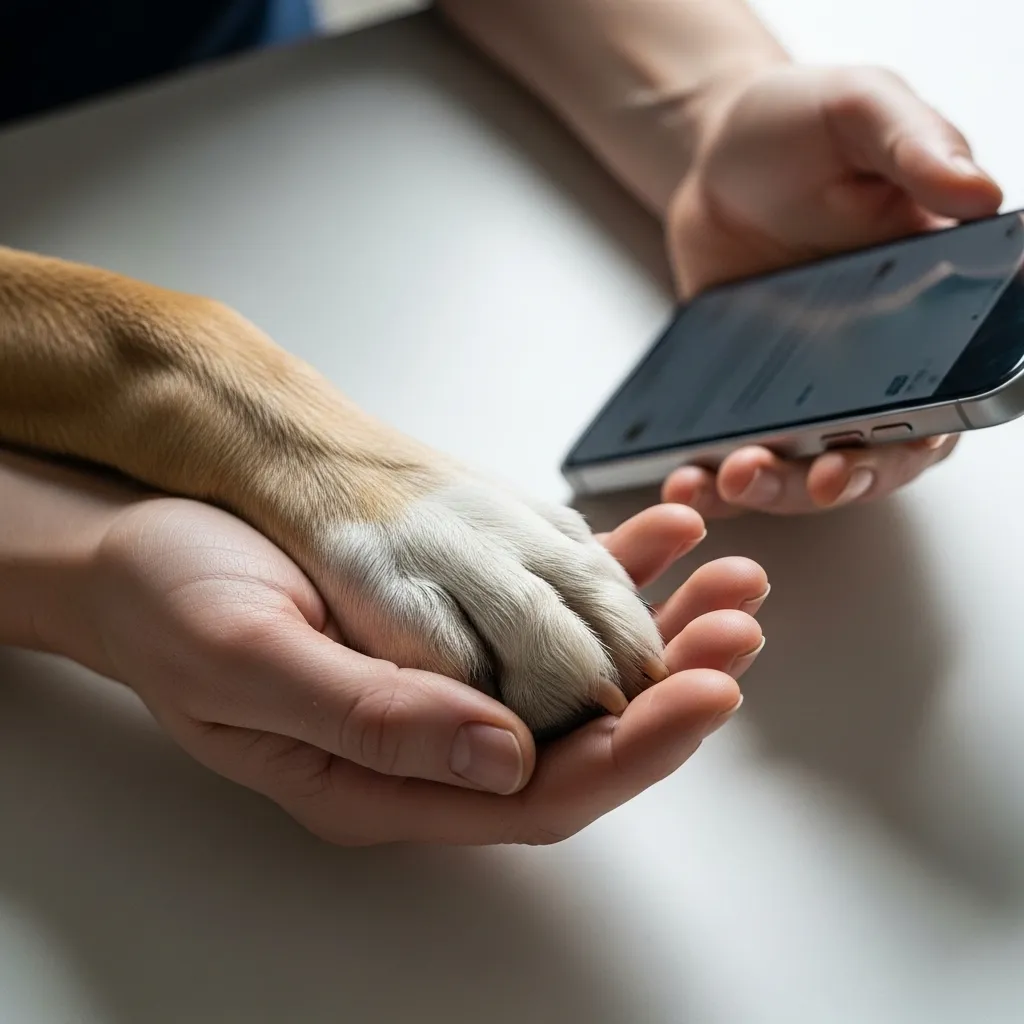
Conclusion: Patience & Consistency are Key
Helping an anxious dog is a journey, not a quick fix. I’ve learned that combining a few of these remedies—like a pressure wrap during a storm, paired with white noise and a puzzle toy—often works better than any single solution. The most important ingredient is your patient, consistent support. Celebrate the small victories, and know that by seeking out these gentle methods, you’re giving your dog a tremendous gift of comfort.
FAQs: Your Dog Anxiety Questions, Answered
Q: How quickly will I see results with these natural remedies?
A: It varies. Some, like pressure wraps or white noise, can work in minutes. Others, like supplements or routine changes, may take a few weeks of consistent use to show full effects.
Q: Can I use all of these remedies at once?
A> You can combine many of them! For example, using a calming supplement daily, providing a safe den, and using an anxiety wrap for specific events is a great layered approach. Just introduce new things one at a time.
Q: Are essential oils safe for cats if I have both pets?
A> Be extremely cautious. Many essential oils are toxic to cats. If you have cats, avoid diffusing oils in shared spaces and opt for sprays applied directly to the dog’s bedding in a separate area.
Q: My dog hates the anxiety wrap. What should I do?
A> Go slower. Associate it only with super high-value treats and fun activities for very short periods. Don’t force it. The goal is for them to love it, not just tolerate it.
Q: Will these remedies work for separation anxiety?
A> They can be helpful parts of a plan, but true separation anxiety often requires a dedicated behavior modification program. These tools (like puzzle toys, white noise, and a safe den) are excellent support strategies.