12 Simple Hand Tricks That Stop Dog Anxiety Instantly
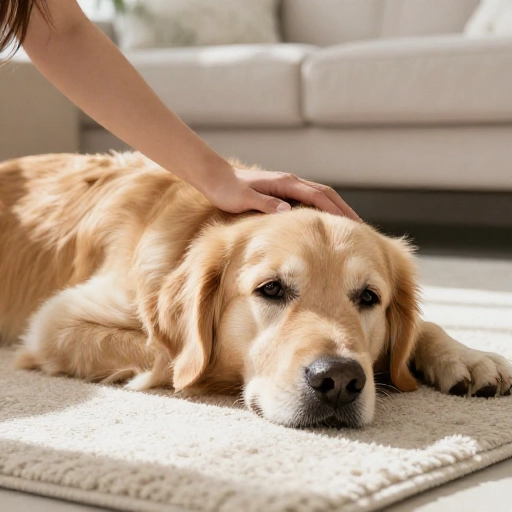
I remember the first time I saw my pup trembling during a thunderstorm. My heart broke. I tried everything—blankets, treats, soft music—but nothing seemed to reach him. Then a friend showed me a simple hand trick, and within seconds, his body relaxed. It felt like magic, but it was just pressure and calm intention.
Since then, I’ve learned that our hands can speak directly to a nervous dog’s nervous system. These aren’t complicated commands. They’re gentle touches, holds, and gestures that tell your dog, “You are safe.” The best part? You don’t need any tools or training. Just your hands and a little patience.
Below are 12 hand tricks I’ve used with my own anxious pup and with fosters who came to me shaking. Try them next time your dog seems stressed. You might be surprised how fast they work.
1. The Ear Rub
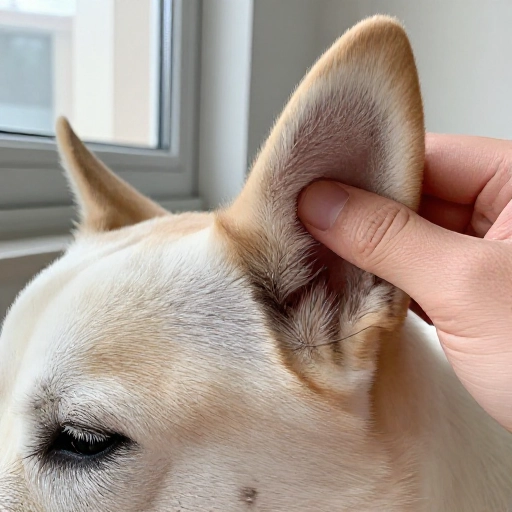
Place your thumb on the inside of your dog’s ear flap. Gently rub in small circles. Use the pads of your fingers, not your nails. This releases endorphins and lowers heart rate. Most dogs close their eyes within seconds.
Do this for about 30 seconds. If your dog pulls away, stop. If they lean in, keep going. You can do one ear at a time or both if your dog allows.
2. The Shoulder Squeeze
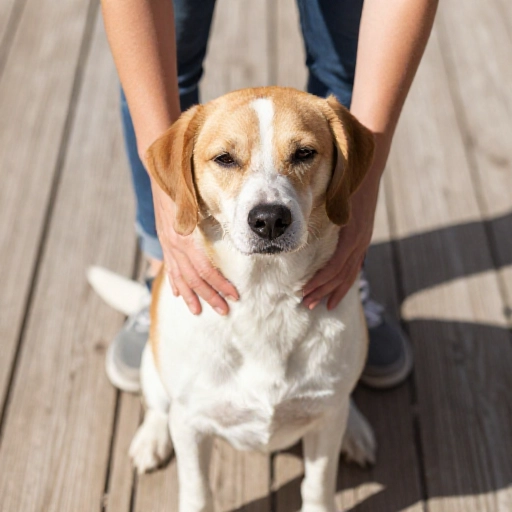
Put one hand on each side of your dog’s chest, just behind their front legs. Apply light, steady pressure. Do not squeeze hard—just enough to feel like a firm hug. Hold for 10 seconds, then release.
This mimics the feeling of being held securely. It works especially well for dogs who pace or pant. Repeat three times. You’ll often see their jaw unclench.
3. The Paw Press
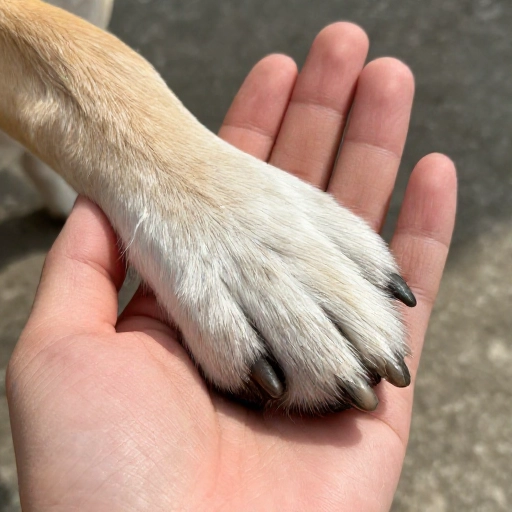
Take one of your dog’s front paws in your hand. Place your thumb on the pad and your fingers around the top. Gently press the pad. Hold for five seconds. Switch paws.
This activates pressure points that calm the nervous system. Some dogs will sigh or yawn—both good signs. Do not force it if they pull away. Try again later.
4. The Temple Touch
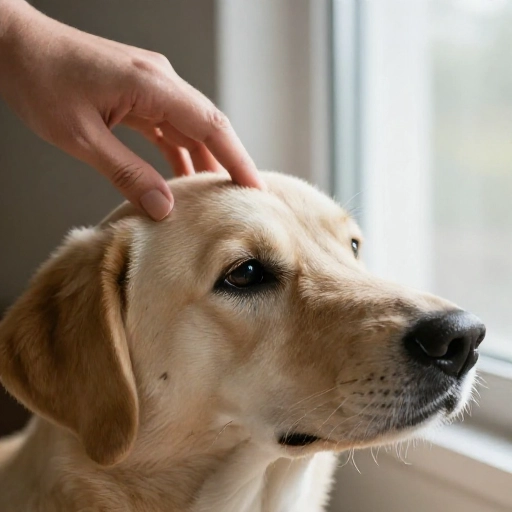
Use your fingertips to lightly touch the bony area just behind your dog’s eyes. This is near the temples. Make small, slow circles. Keep your touch very light—just enough to feel the skin move.
This helps release tension in the head and jaw. Many anxious dogs hold stress in their face. You might see their eyelids droop. Stay here for 20 to 30 seconds.
5. The Spine Stroke
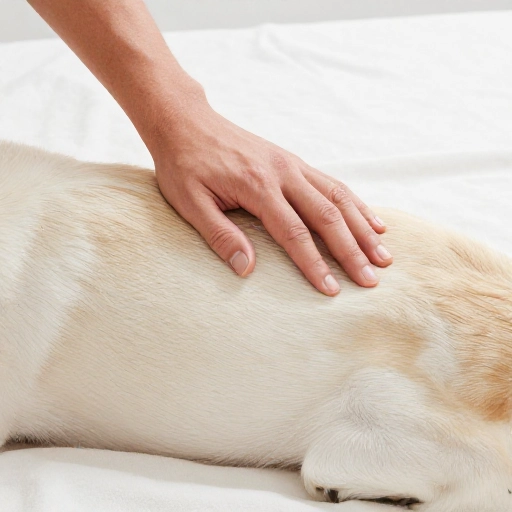
Run your hand from the top of your dog’s head, down their neck, all the way to the base of their tail. Use your whole palm. Keep the motion slow and steady. Repeat five to ten times.
This stroke mimics how a mother dog calms her puppies. It activates the parasympathetic nervous system. Dogs often stop trembling after just a few passes.
6. The Chest Rest
Place your hand flat on your dog’s chest, over their heart. Keep your palm still. Do not rub or pat. Just let your hand rest there. Breathe slowly and deeply yourself.
Your dog will feel your heartbeat and breathing. This creates a shared rhythm of calm. Stay for one to two minutes. It’s especially good for dogs who are scared of loud noises.
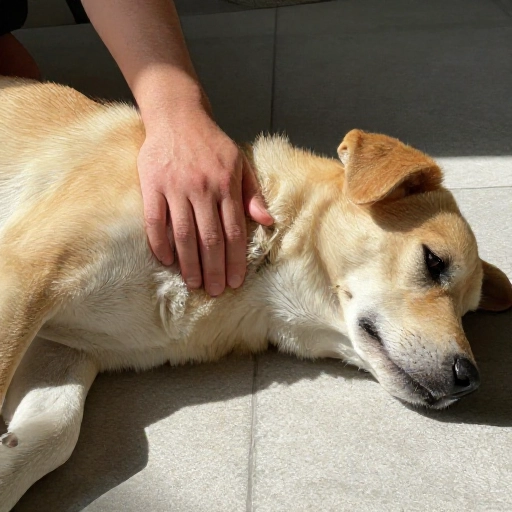
7. The Tail Base Hold
Gently cup the base of your dog’s tail where it meets their back. Hold it loosely, not tight. You can also rest your hand there without moving. The tail base is full of nerve endings.
This trick works fast for dogs who are hypervigilant or on edge. It grounds them physically. Hold for 15 to 20 seconds. Most dogs will turn their head to look at you, then relax.
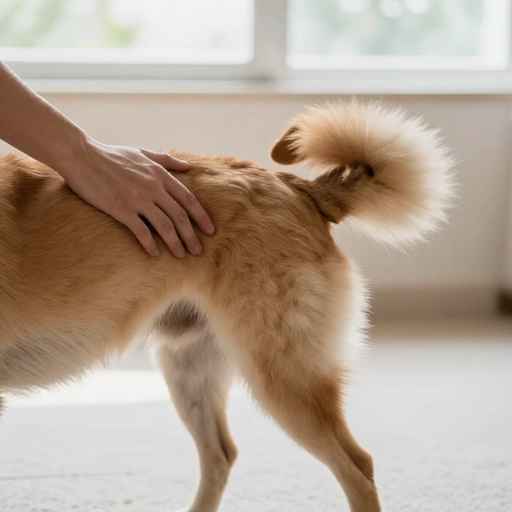
8. The Jaw Release
Place your thumb on one side of your dog’s jaw and your fingers on the other. Gently massage in small circles where the jaw hinges. Use light pressure. You might feel the muscles loosen.
Anxious dogs often clench their jaw without you noticing. This releases that tension. Do it for about 30 seconds. If your dog licks their lips, it means they are processing relaxation.
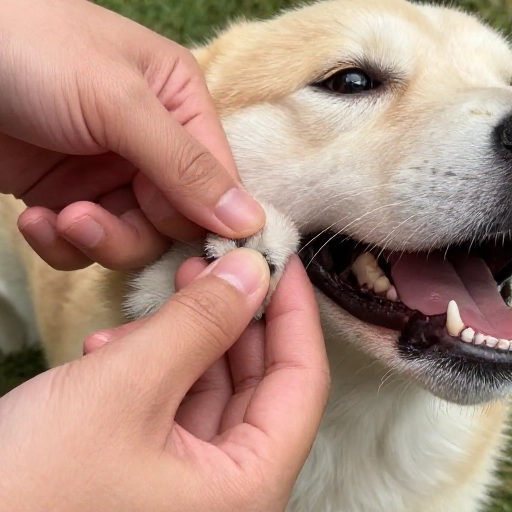
9. The Forehead Rest
Rest your open palm on your dog’s forehead, between their eyes and ears. Do not press down. Just let your hand sit there. Close your eyes and breathe slowly.
This simple contact can stop a racing mind. It’s like a calm hand on a worried friend’s shoulder. Hold for one to two minutes. Dogs who are overstimulated often melt into this.
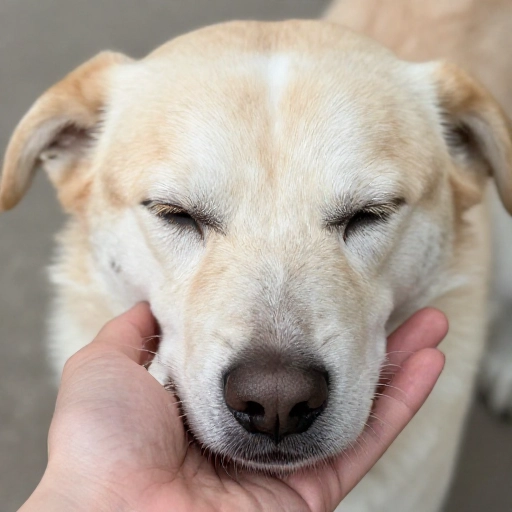
10. The Ribcage Rock
Place both hands on either side of your dog’s ribcage. Gently rock your dog side to side, very slowly. The motion should be tiny—like a gentle sway. Do it for 30 seconds.
This movement mimics being in a mother’s den or a warm car ride. It disrupts the freeze response. Dogs who are stiff with fear often soften after this. Keep the rhythm slow.
11. The Hip Press
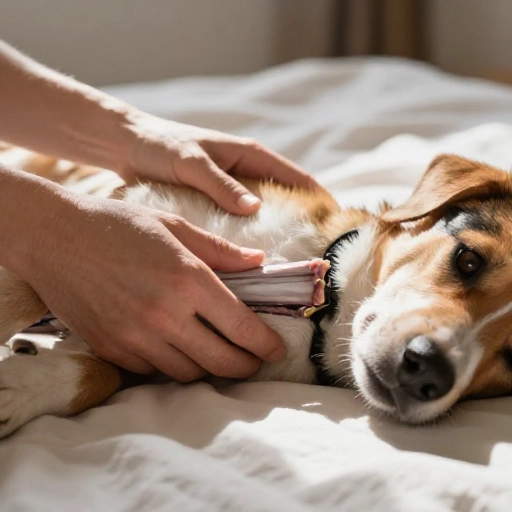
Put your hand on your dog’s hip, near where the back leg meets the body. Apply firm, steady pressure. Do not rub. Just hold. Wait for your dog to take a deep breath or sigh.
This spot is often tight in anxious dogs. The pressure releases stored tension. Hold for 20 seconds per side. It works well after a walk or during a stressful event like a vet visit.
12. The Nose Tap
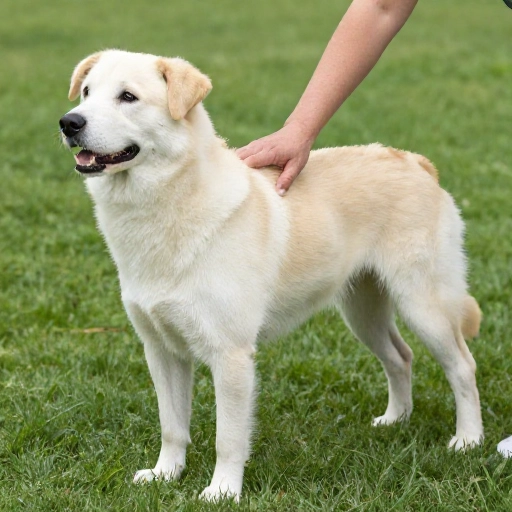
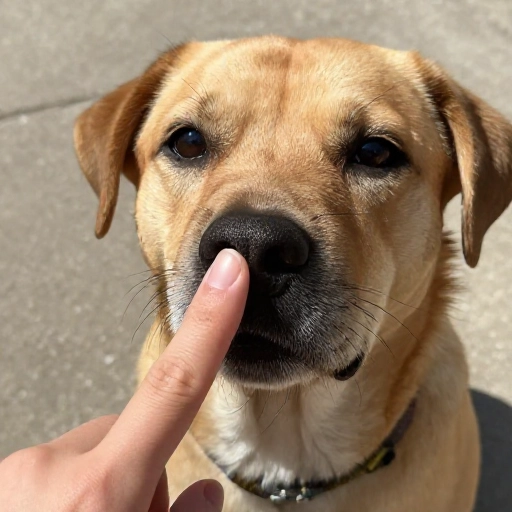
Use one finger to gently tap the top of your dog’s nose, right between their nostrils. Tap three times, very lightly. Wait a few seconds, then tap again. Do this five times total.
This draws your dog’s attention to their own body, away from the stressor. It’s a quick reset. Pair it with a calm word like “easy.” Most dogs will blink and refocus.
Conclusion
These hand tricks have changed how I connect with my dog during anxious moments. They don’t replace training or vet care, but they give you something to do right now. Your hands are already powerful. You just need to know where to place them.
Try one trick at a time. Watch your dog’s body language. If they relax, you’ve found a winner. If not, try another. Every dog is different, but calm touch speaks a language they all understand.
Frequently Asked Questions
Can these hand tricks work for all dogs?
Most dogs respond well to gentle touch, but every dog is different. Some may need time to trust your hands. Start slow and watch for signs of comfort like soft eyes or a relaxed mouth.
How long should I do each trick?
Most tricks work within 30 seconds to two minutes. If your dog seems more stressed, stop and try a different trick later. Short, gentle sessions are best.
What if my dog doesn’t like being touched?
Respect their space. You can try the chest rest or forehead rest without moving your hands. Some dogs prefer still touch over rubbing. Go at their pace.
Can I use these during thunderstorms or fireworks?
Yes, these tricks are great during loud noises. Start before your dog is fully panicked. The ear rub and chest rest are especially helpful during noise stress.
Should I use treats with these tricks?
Treats can help your dog associate the touch with something positive. But the touch itself is the main tool. If your dog is too anxious to eat, just focus on the hand trick.