6 Immune Boosting Cat Food Recipes Your Feline Will Love
Let me be real with you—I used to worry about my cat’s health all the time. Every sneeze, every lazy afternoon, I’d wonder if she was getting enough nutrients to fight off bugs. That’s when I started experimenting with homemade cat food that actually supports the immune system.
These six recipes aren’t fancy or complicated. They’re practical, made with simple ingredients you can find at any grocery store. And the best part? My picky eater actually licks the bowl clean. If you want to give your cat a little extra protection without the stress, these recipes are for you.
Equipment You’ll Need
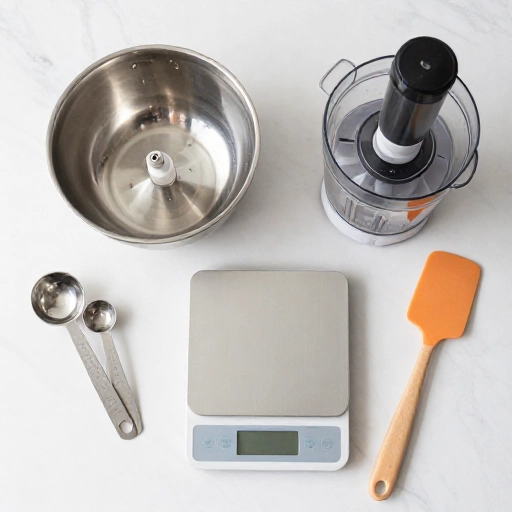
Before we dive in, let me share what I keep handy. You don’t need a professional kitchen—just a few basics. A good blender or food processor makes things easy. I use a small stainless steel bowl for mixing and a silicone spatula to scrape every bit. For storage, glass jars with lids work wonders. They keep the food fresh and are easy to clean.
You’ll also need a kitchen scale if you’re measuring precise portions. Trust me, it helps avoid overfeeding. Oh, and don’t forget a fine grater for things like ginger or turmeric. It makes a difference in texture.
Ingredients for Immune-Boosting Cat Food
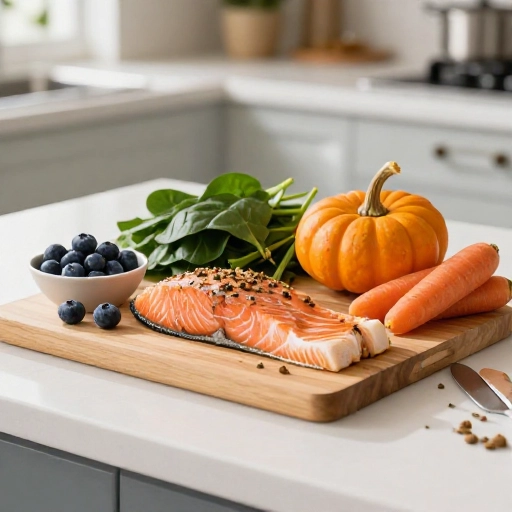
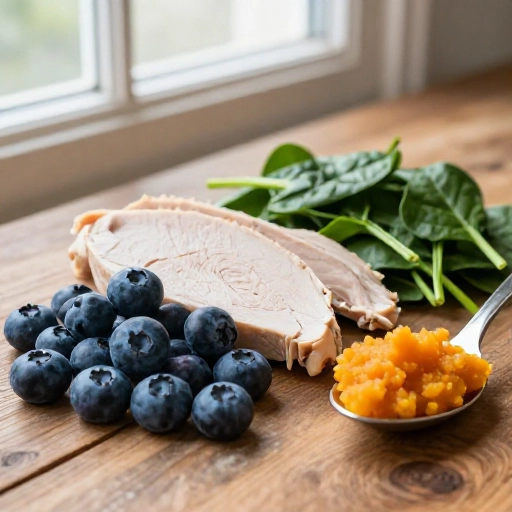
Here’s the thing—cats need specific nutrients. I focus on high-quality protein, healthy fats, and a few superfoods. For these recipes, you’ll want chicken thighs (skinless), salmon or sardines (packed in water, no salt), pumpkin puree, blueberries, spinach, and a little bit of turmeric. I also use coconut oil for healthy fats and probiotics from plain yogurt or a cat-safe supplement.
Don’t skip the taurine. Cats can’t make it themselves, so I add a taurine powder that’s safe for felines. It keeps their heart and eyes strong. For extra immune support, a dash of oregano oil (very small) or bee pollen can help.
How to Make These 6 Immune-Boosting Recipes
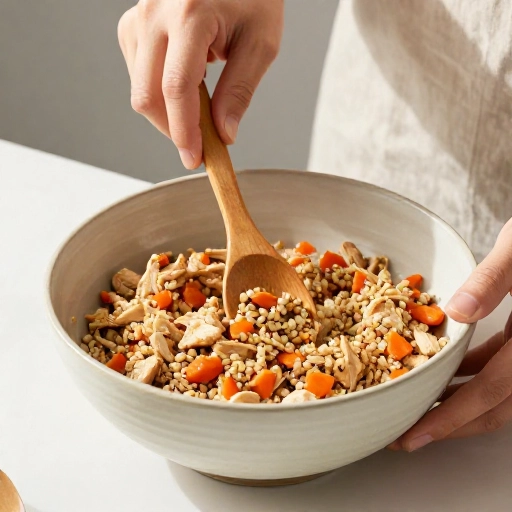
I keep it simple. Each recipe takes about 20 minutes prep. Here’s my go-to method for the most popular one—turkey and pumpkin blend. First, boil 1 pound of ground turkey until fully cooked. Drain any fat. In a bowl, mix the turkey with ¼ cup pumpkin puree, a tablespoon of chopped spinach, and a pinch of turmeric. Add a teaspoon of coconut oil and a dash of taurine powder. Blend until it’s a smooth paste.
For the salmon version, use canned salmon (boneless) and swap spinach for a few blueberries. For chicken lovers, poach chicken breast and shred it. Mix with a little bone broth and a sprinkle of bee pollen. Each recipe makes about 4 servings. Store in the fridge for up to 3 days or freeze for later.
Remember to serve at room temperature. Cold food upsets some cats’ tummies. Start with a small spoonful to see if they like it.
Why These Recipes Work
I’ve tried a lot of commercial foods, but homemade gives me control. These ingredients are packed with vitamins. Pumpkin is great for digestion and has beta-carotene. Blueberries are full of antioxidants. Turmeric reduces inflammation. And salmon provides omega-3s that support a shiny coat and a strong immune system.
The best part? No fillers, no artificial junk. Just real food that helps your cat stay healthy. I noticed my cat had more energy after a week. Her fur got softer, and she stopped getting those little sniffles. It’s not a miracle—it’s just good nutrition.
Conclusion
Making your own cat food doesn’t have to be overwhelming. Start with one recipe, see how your cat reacts, and tweak as you go. These six options cover different tastes and needs. Your cat might surprise you—mine went from picky to excited at meal time.
Remember, always check with your vet before changing your cat’s diet, especially if they have health issues. But for everyday immune support, these recipes are a simple, loving choice. Give them a try, and watch your furry friend thrive.
Frequently Asked Questions
Can I feed these recipes to my cat every day?
Yes, but rotate the recipes for variety. Cats can get bored, and different recipes offer different nutrients. Start with 2-3 times a week and adjust based on your cat’s reaction.
Do I need to add supplements?
Taurine is a must. I recommend a cat-specific taurine powder. You can also add a probiotic powder for gut health. Always check with your vet first.
How long does homemade cat food last?
In the fridge, it stays fresh for about 3 days. For longer storage, freeze in small portions. Thaw in the fridge overnight before serving.
My cat is picky. How do I introduce these recipes?
Start with a tiny amount mixed into their regular food. Gradually increase the homemade portion over a week. Patience is key—don’t force it.
Can I use raw ingredients instead of cooked?
I prefer cooking to avoid bacteria. Raw diets can work, but they need careful handling. For safety, I recommend cooking all meats for these recipes.