Homemade Beef & Veggie Dog Food: A Tail-Wagging Recipe
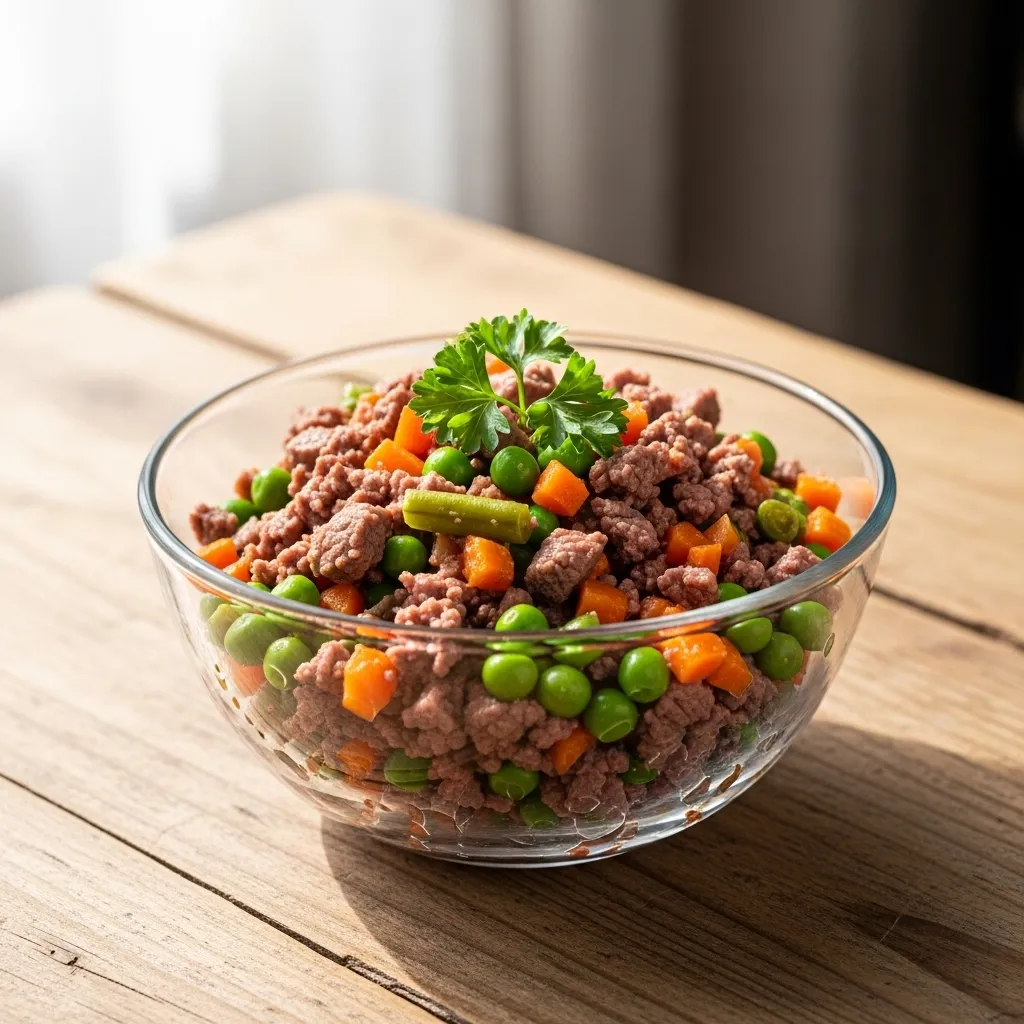
I love seeing my dog’s excitement at mealtime, but I started wondering what was really in his bowl. After some research, I decided to try making his food myself. This beef and veggie recipe was our happy starting point—it’s wholesome, simple, and I know every single ingredient that goes into it.
Before you begin, always chat with your vet! They can help you make sure this recipe is balanced and right for your pup’s specific needs. Homemade food is a commitment, but the joy of cooking for your best friend is incredibly rewarding. Let’s get into the kitchen!
1. Why Choose Homemade? The Core Benefits
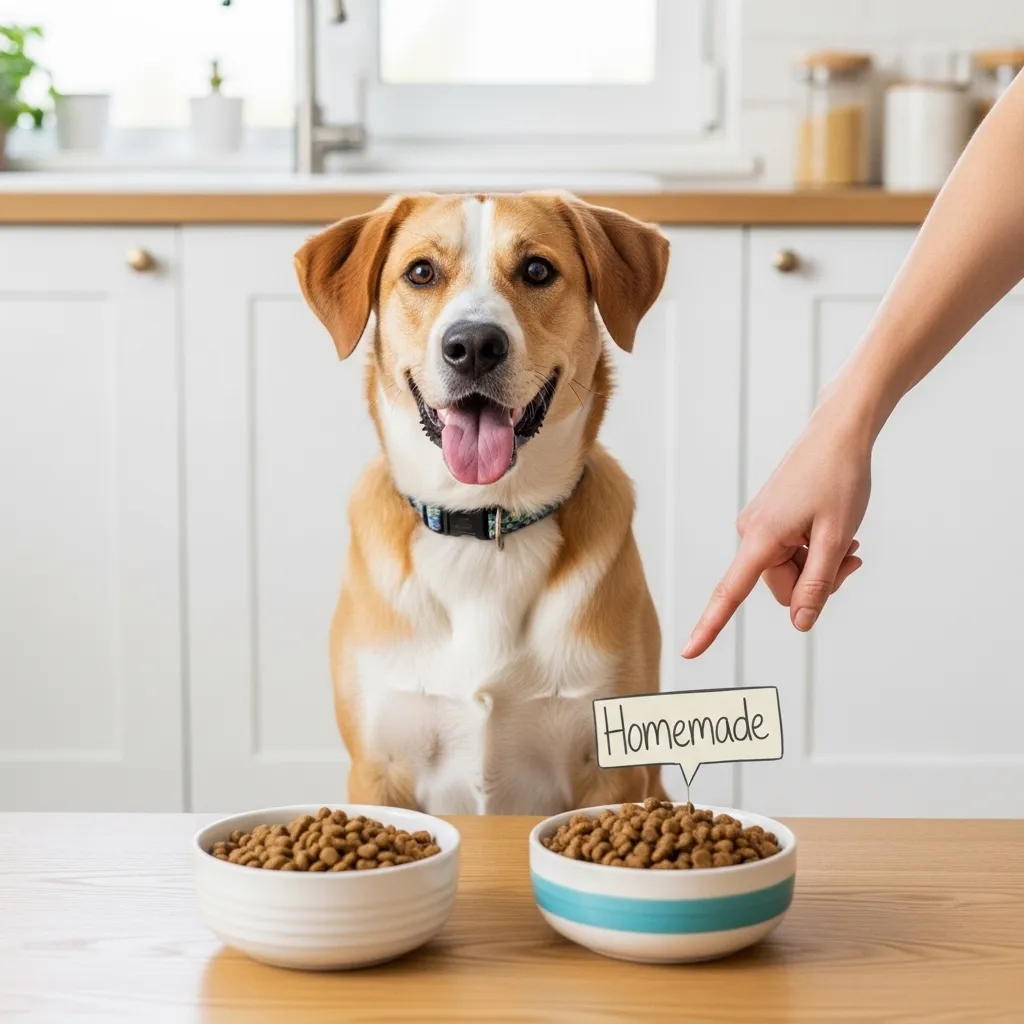
When I switched, the first thing I noticed was my dog’s shinier coat and more consistent energy. I’m not saying kibble is bad, but for us, homemade means total control. I can pick high-quality beef and fresh vegetables, avoiding any mystery fillers or preservatives I can’t pronounce.
It’s also perfect for dogs with sensitive stomachs or specific allergies. You can easily swap out ingredients. Seeing your dog thrive on food you made with your own hands? That’s a feeling store-bought bags just can’t match.
2. The Protein Powerhouse: Picking Your Beef
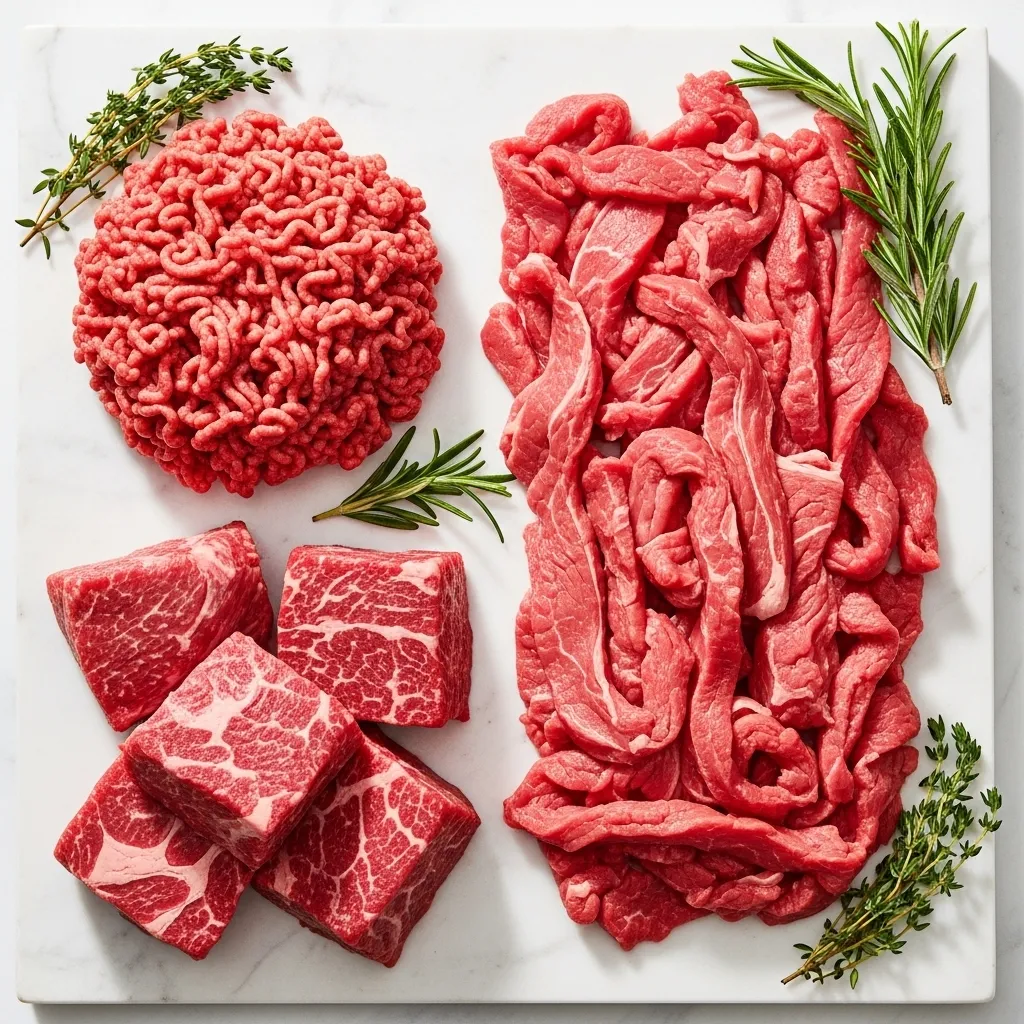
I use lean ground beef—usually 90% lean or higher. The lower fat content is easier on my dog’s digestion. You can also use stewing beef or chuck roast, chopped small or ground. The key is to cook it thoroughly until it’s no longer pink.
Always drain and rinse the cooked beef with hot water after browning. This removes excess grease and fat, which is a crucial step for keeping your pup’s pancreas happy and healthy.
3. Veggie Medley: The Colorful Nutrition Boost
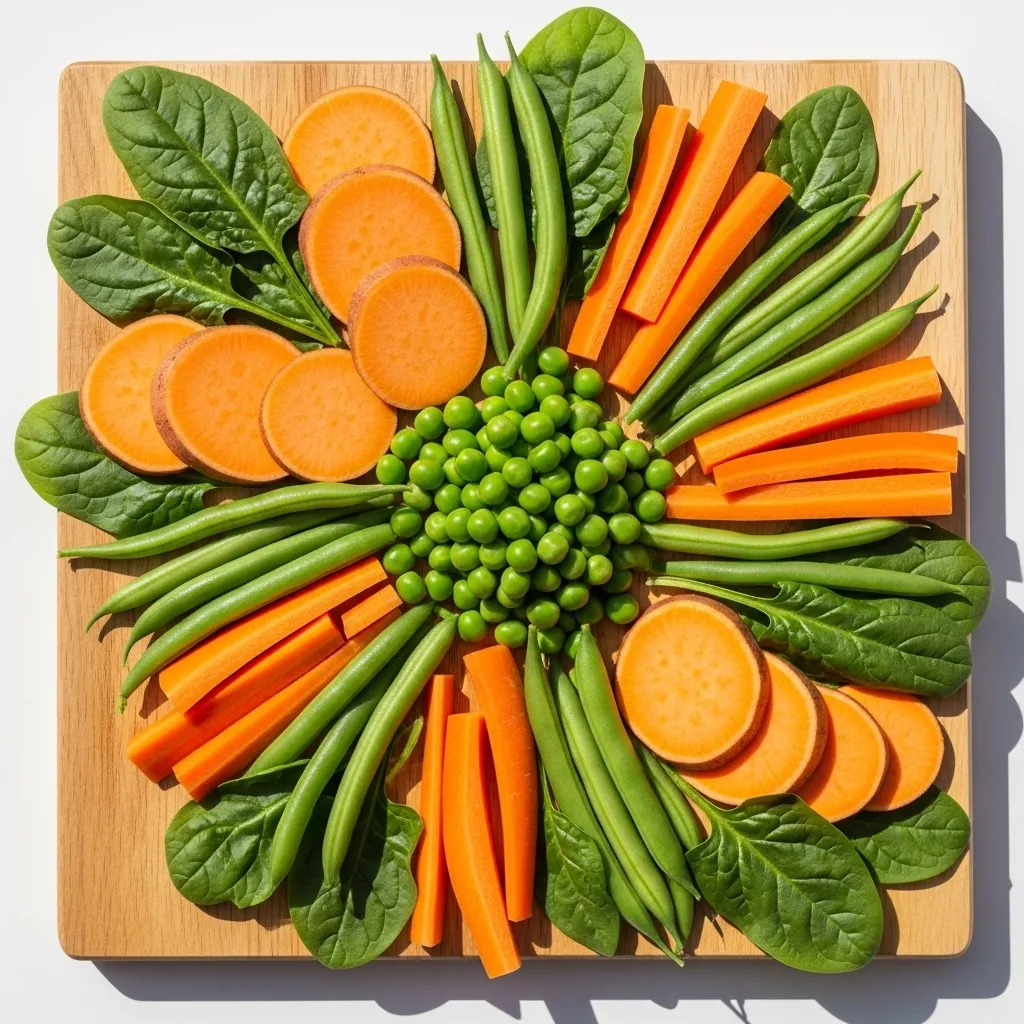
This is where you can get creative! My go-to veggies are carrots, green beans, peas, and spinach. They’re packed with vitamins and fiber. I chop them finely or even give them a quick pulse in the food processor so they mix in seamlessly.
Some veggies, like spinach, are best lightly cooked to break down oxalates. Others, like peas, can be tossed in frozen. Just avoid onions, garlic, and mushrooms—they’re toxic for dogs.
4. The Essential Carbohydrate: Brown Rice or Quinoa
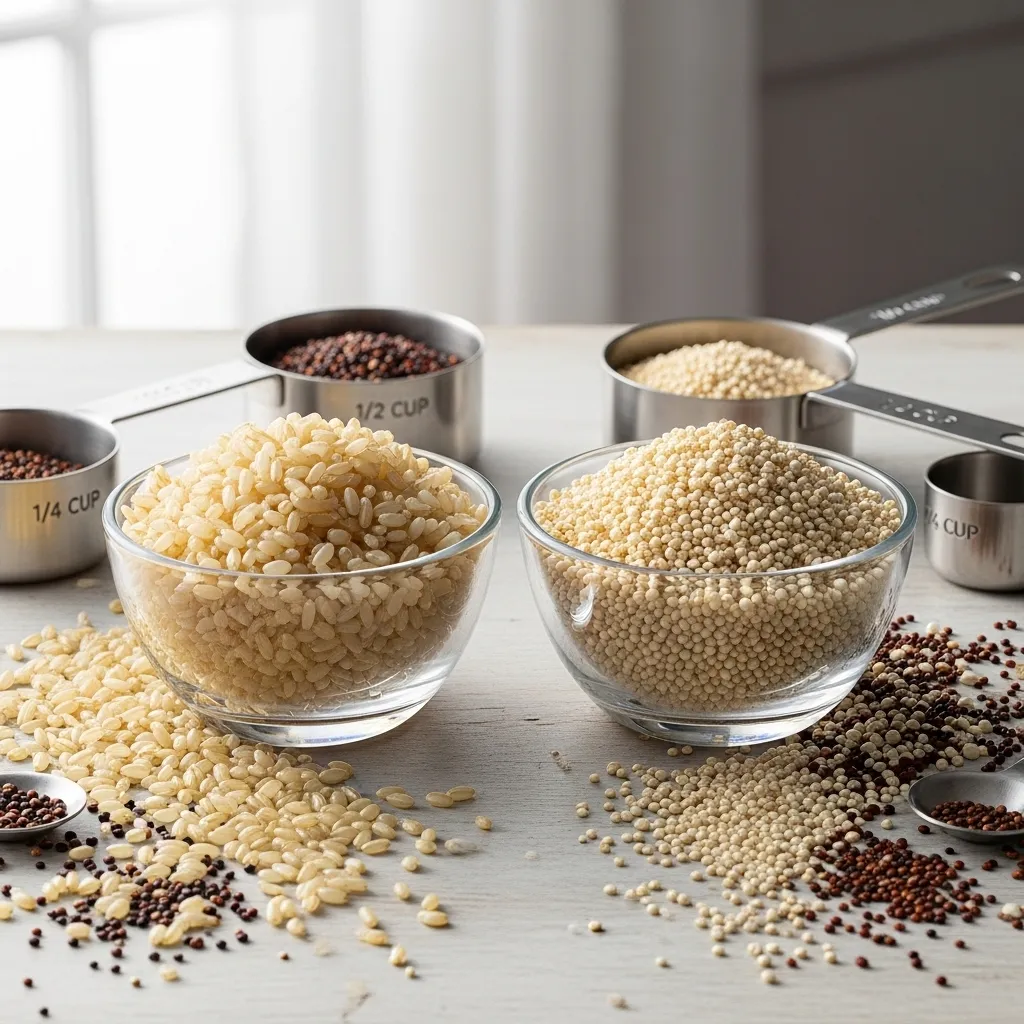
Carbs provide lasting energy. I almost always use cooked brown rice because it’s gentle and affordable. It acts as a fantastic base that soaks up all the good flavors from the beef and veggies.
For a grain-free option, try cooked quinoa or even sweet potato. Quinoa is a complete protein, which is a great bonus. Just make sure whichever carb you choose is fully cooked and soft for easy digestion.
5. The Secret Sauce: Healthy Fats & Supplements
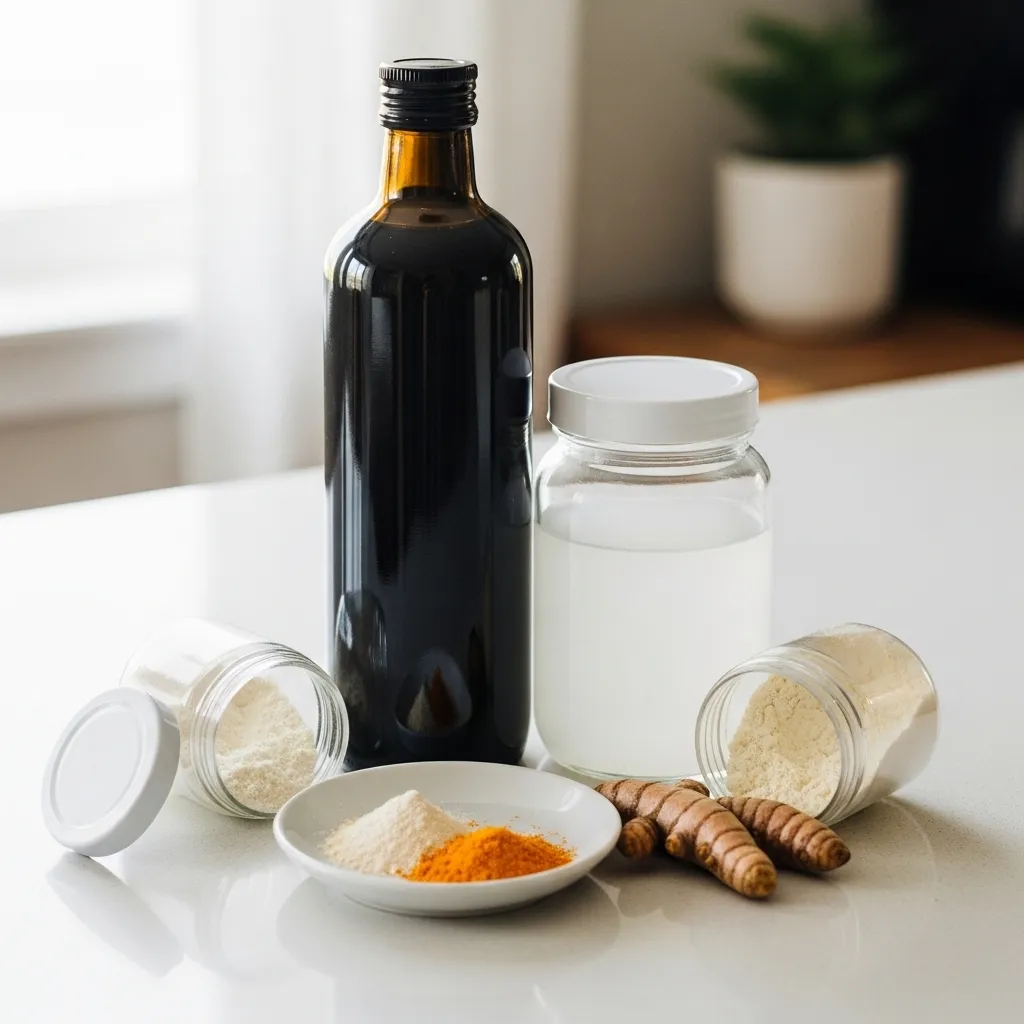
After cooking, I always stir in a spoonful of fish oil or coconut oil. These healthy fats are amazing for skin, coat, and joint health. This is a non-negotiable step in my kitchen!
Most homemade diets need a balanced supplement to ensure your dog gets all necessary vitamins and minerals, like calcium. I use a pre-mixed powder recommended by my vet. Never skip this—it’s what makes the meal complete.
6. Step-by-Step Cooking Guide
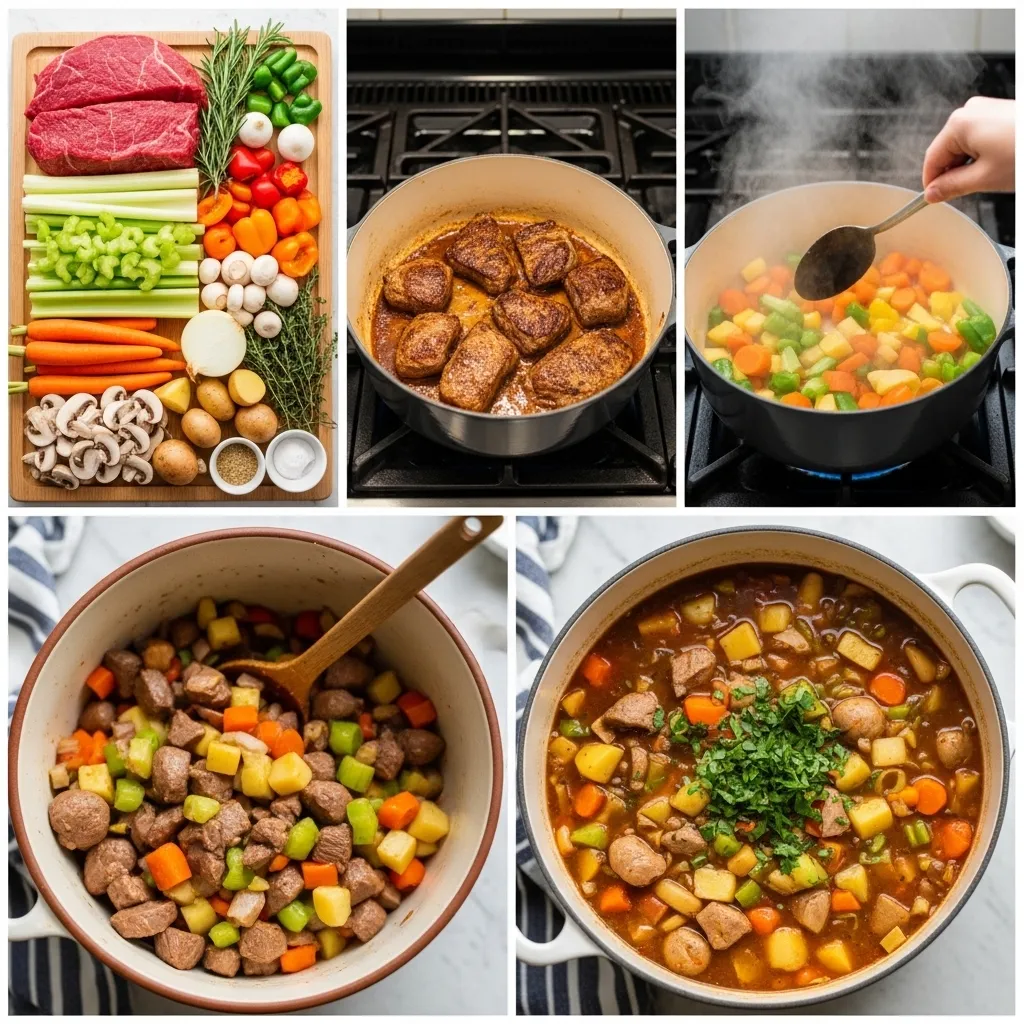
Here’s my simple process: First, I cook the brown rice separately according to package directions. While that’s simmering, I brown the lean ground beef in a large pot, drain, and rinse it. I return the beef to the pot.
Next, I add my chopped veggies and just enough water or low-sodium broth to cover everything. I let it simmer until the veggies are tender. Finally, I stir in the cooked rice, let it cool, and add my oils and supplement.
7. Portioning & Storing for Freshness
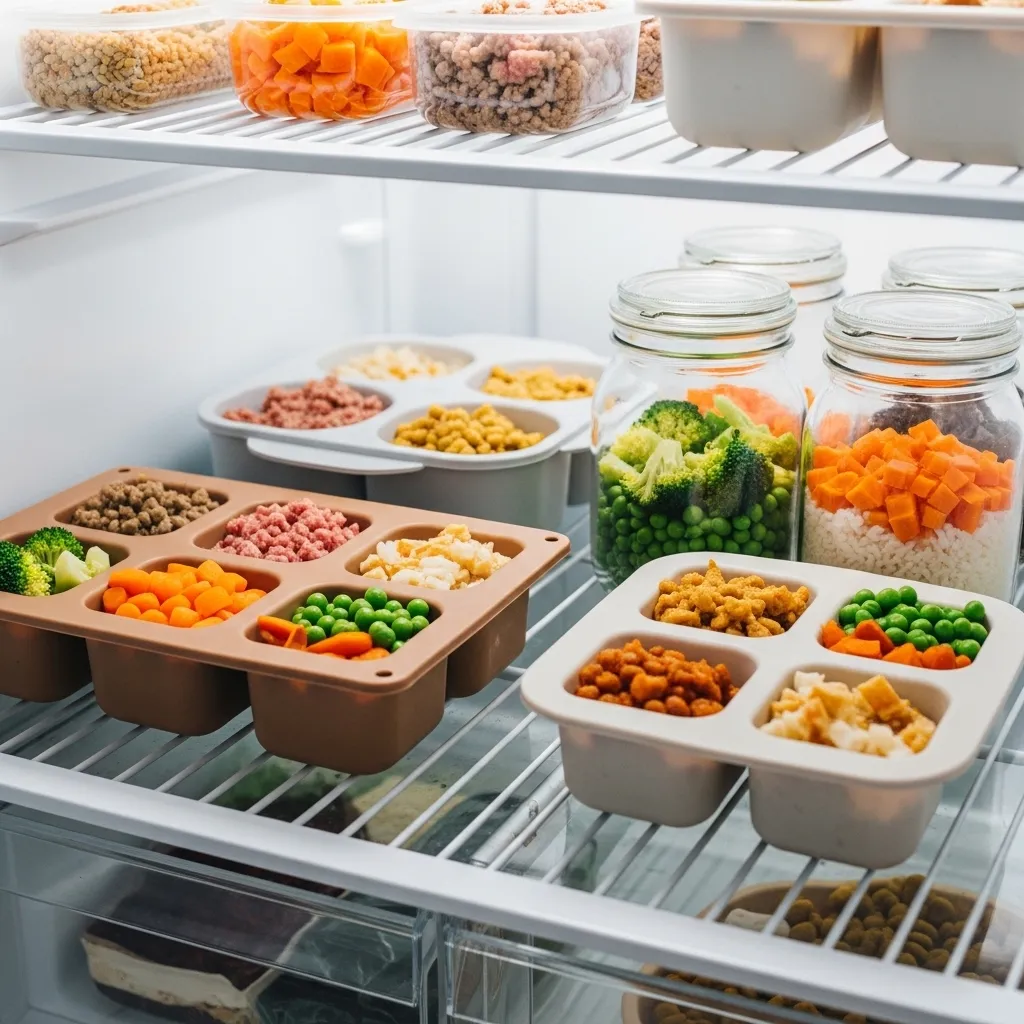
I let the food cool completely before portioning. I use a measuring cup to serve based on my vet’s guidance for my dog’s weight. The rest goes into airtight containers.
- Fridge: Stays good for 3-4 days.
- Freezer: My best friend! I freeze portions in weekly batches using silicone molds or freezer bags. It thaws perfectly overnight in the fridge.
8. Making It Your Own: Simple Ingredient Swaps
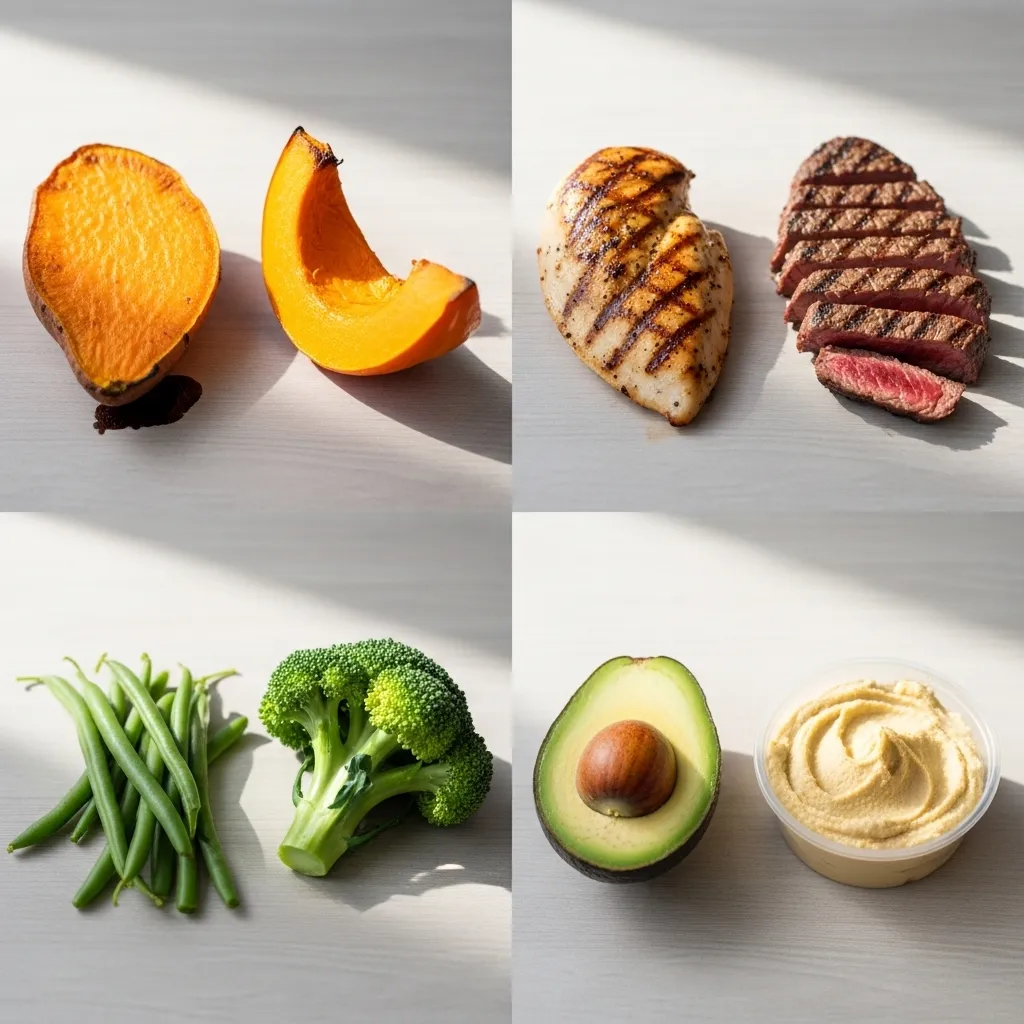
This recipe is wonderfully flexible. If your dog loves turkey or chicken, use that instead of beef. If green beans aren’t a hit, try zucchini or broccoli florets (in moderation).
You can also mix up the carbs—try oatmeal or mashed pumpkin. The goal is to keep the general formula: lean protein, digestible veggies, a healthy carb, and those crucial supplements.
9. The Transition: Switching from Kibble Safely
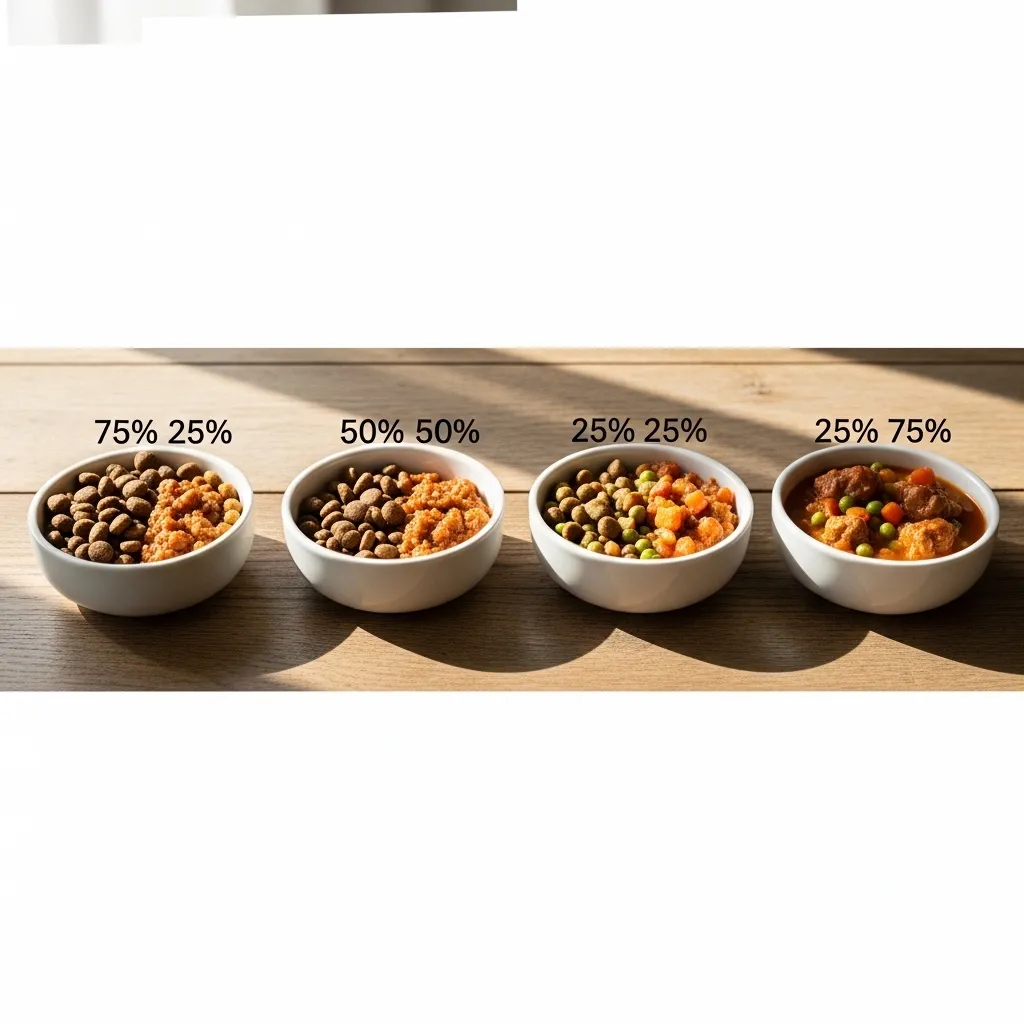
Don’t switch your dog’s food cold turkey! A sudden change can cause an upset stomach. I mixed the new homemade food with his old kibble over 7-10 days.
Start with 25% new food, 75% old. Slowly increase the homemade portion each day while decreasing the kibble. Watch your pup closely—their tummy will tell you if the pace is right.
10. My Dog’s Verdict: What to Look For
The true test is your dog’s bowl and their overall health. An empty bowl and a happy dance are great first signs! Over time, look for a shinier coat, healthy skin, consistent energy levels, and firm stools.
Every dog is different. Keep notes on what they love and how they react. This recipe is a foundation for you to build the perfect, personalized meal plan for your four-legged family member.

Final Thoughts
Making this beef and veggie dog food has become a joyful part of my routine. It connects me to my dog’s wellbeing in a new way. It does require planning, but the benefits we’ve seen are worth every minute. Start simple, talk to your vet, and enjoy the process of nourishing your best friend.
Your Homemade Dog Food FAQ
Q: How much of this should I feed my dog?
A: This varies by dog size, age, and activity level. My vet gave me a daily calorie target. I use a kitchen scale and measuring cup to portion accordingly. Always start with a professional recommendation.
Q: Can I make a big batch and freeze it?
A> Absolutely! Freezing is the best way to meal-prep. Portion it into daily servings before freezing for easy thawing. It keeps well for 2-3 months in the freezer.
Q: Do I really need to add a supplement?
A> Yes, I strongly recommend it. Meat and veggies alone don’t provide all the vitamins and minerals (like calcium and phosphorus) in the right balance for dogs. A vet-approved supplement is essential for long-term health.
Q: My dog has allergies. Can I adjust this?
A> Of course! That’s one of the biggest perks. If your dog is allergic to beef, use a novel protein like turkey or duck. Swap out any problem veggies. You control every single ingredient.
Q: Is this more expensive than commercial dog food?
A> It can be, depending on your ingredient choices. I find buying in bulk and seasonal veggies helps manage cost. For me, the health benefits and peace of mind are priceless investments.