13 Healthy Cat Food Tips for Happy Cats
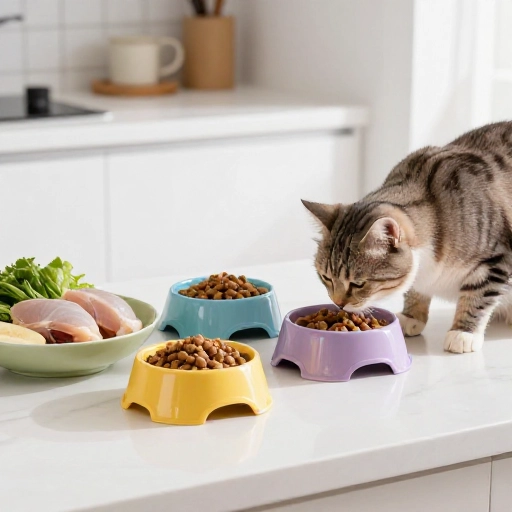
As a cat mom, I know how much it means to see our furry friends purring with contentment. A big part of that happiness starts with what’s in their bowl. Choosing the right food can feel overwhelming with so many options at the store, but it doesn’t have to be complicated.
I’ve gathered my top tips over the years—some from my own experience and some from trusted sources. These are simple, practical ways to make sure your cat is getting the nutrition they need without any of the stress. Let’s dive into making mealtime a joy for both of you.
Remember, every cat is unique. What works for one might not work for another, so always pay attention to your cat’s behavior and energy levels. These tips are a starting point for a happier, healthier kitty.
1. Always Check the First Ingredient
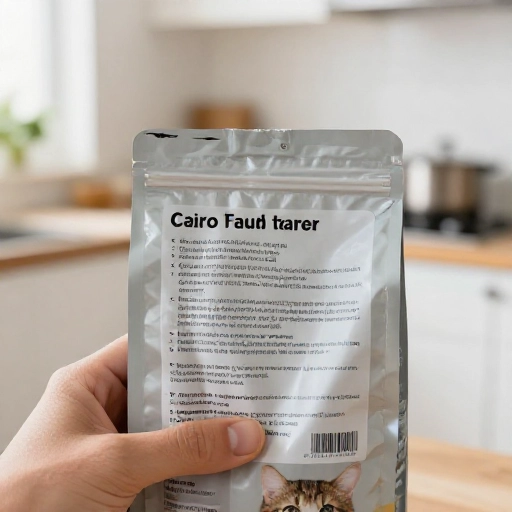
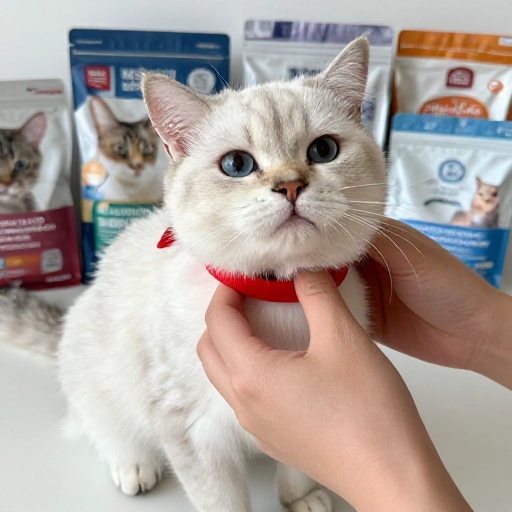
The first ingredient on the label tells you the most about the food. Look for a named protein source like chicken, salmon, or turkey. Avoid vague terms like “meat meal” or “poultry by-product.”
Cats are obligate carnivores, meaning they need meat to thrive. A high-quality protein should always be the star of the show. If the first ingredient is corn or wheat, put that bag back on the shelf.
Your cat’s body is designed to digest animal proteins, not fillers. A meat-first recipe supports strong muscles, a shiny coat, and steady energy.
2. Wet Food Is Your Friend
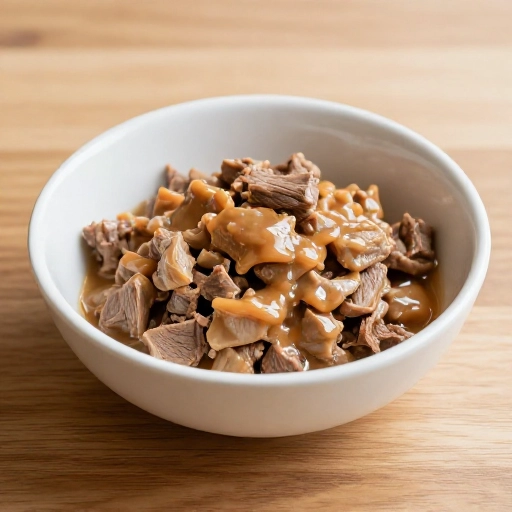
I love giving my cats wet food for a few reasons. First, it’s packed with moisture, which helps keep their urinary tract healthy. Many cats don’t drink enough water on their own, so wet food is a sneaky way to hydrate them.
Second, wet food often has fewer carbs and more protein than dry kibble. That’s closer to what a cat’s natural diet looks like. It also tends to be more palatable, so picky eaters usually love it.
Try offering wet food at least once a day. Even a small can mixed with their dry food can make a big difference in their overall health.
3. Don’t Overdo the Treats
Treats are fun, but they’re not a meal. I keep a strict limit on how many my cats get each day. Too many treats can lead to weight gain and picky eating habits.
Look for treats with simple ingredients—like freeze-dried chicken or fish. Avoid treats with added sugars, artificial colors, or mystery fillers. Your cat won’t miss them, and their waistline will thank you.
Use treats as a training tool or a special bonding moment, not a daily staple. A happy cat is a healthy cat, and that starts with balanced meals.

4. Rotate Proteins for Variety
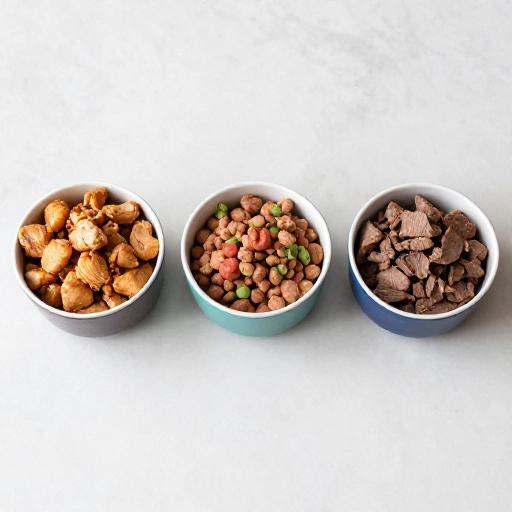
I rotate between chicken, fish, and beef flavors to keep things interesting. This prevents my cats from getting bored with their food and also exposes them to a wider range of nutrients.
Different proteins offer different amino acids and fatty acids. For example, fish is rich in omega-3s for skin and coat health, while chicken provides lean muscle support. A varied diet mimics what they’d eat in the wild.
Start slowly when introducing a new protein. Mix a little with their current food over a week to avoid tummy upsets. Your cat will appreciate the adventure.
5. Measure Every Portion
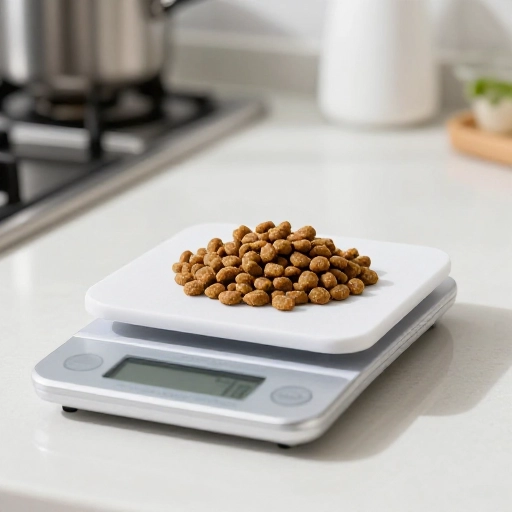
I used to guess how much to feed my cats, but that led to a chubby belly on one and a skinny one on the other. Now I use a kitchen scale or a measuring cup for accuracy.
Check the feeding guide on the package, but adjust based on your cat’s activity level and body condition. An active outdoor cat needs more calories than a couch potato.
Overfeeding is one of the easiest ways to cause obesity. A simple habit of measuring can keep your cat at a healthy weight and prevent joint issues later in life.
6. Choose Grain-Free? Not Always Necessary
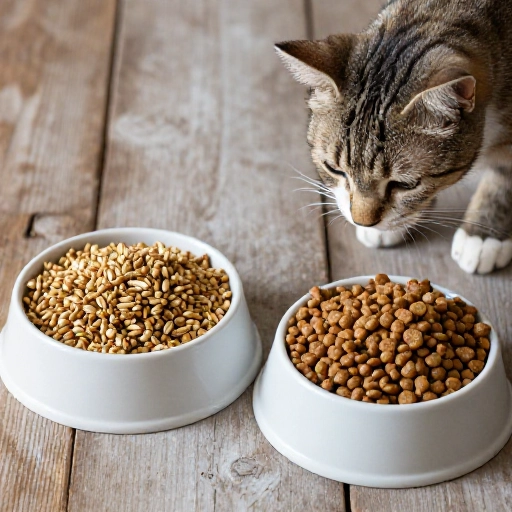
Many people think grain-free is automatically better, but that’s not true for every cat. Some cats do fine with grains like rice or oats, which provide fiber and energy.
Unless your cat has a diagnosed grain allergy, there’s no need to avoid grains entirely. In fact, some grain-free foods replace grains with legumes, which can cause digestive issues in sensitive cats.
Focus on the protein source and overall ingredient quality. If your cat thrives on a food with grains, there’s no reason to switch just because of a trend.
7. Keep Fresh Water Available at All Times
Even with wet food, your cat needs access to fresh, clean water. I change my cats’ water bowl twice a day and wash it daily to prevent bacteria buildup.
Consider a pet water fountain—many cats love running water and will drink more. Place the bowl away from their food, as some cats prefer to drink in a separate spot.
Dehydration can lead to urinary crystals and kidney problems. A simple water routine is a small effort for a huge health payoff.

8. Avoid Artificial Additives
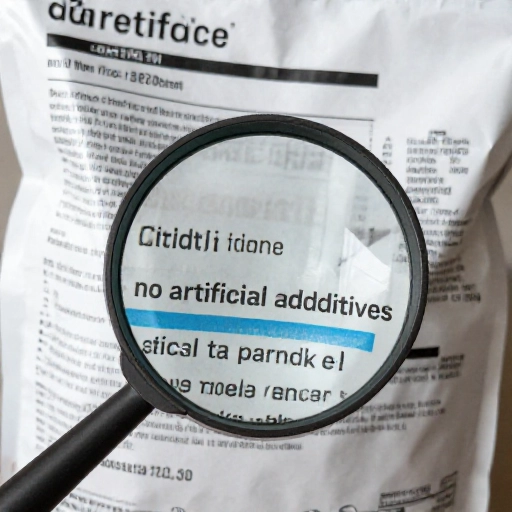
I read labels like a detective. I avoid foods with artificial colors, flavors, or preservatives like BHA, BHT, and ethoxyquin. These chemicals are unnecessary and can be harmful over time.
Natural preservatives like vitamin E (often listed as mixed tocopherols) are much safer. The same goes for natural flavors from real meat or fish.
Your cat’s food should look and smell like real food. If it’s bright neon colors or has a weird chemical smell, it’s best to skip it.
9. Feed Multiple Small Meals
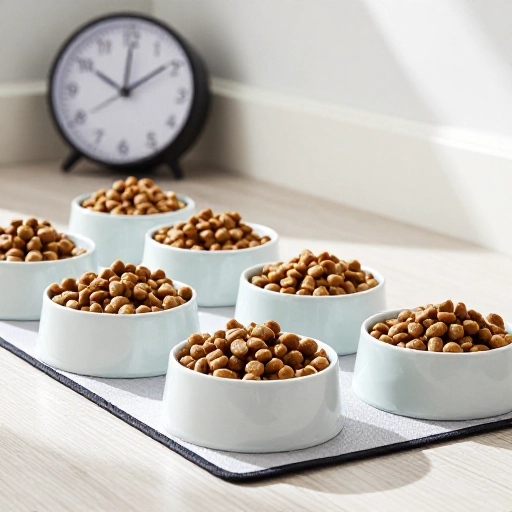
Cats are natural grazers. In the wild, they eat several small prey meals a day. I try to mimic that by feeding my cats two to three smaller portions rather than one big meal.
This helps regulate their blood sugar and prevents them from getting too hungry. It also reduces the chance of vomiting from eating too fast.
If you work long hours, an automatic feeder can help. Just make sure it’s clean and the food stays fresh. Your cat will love the routine.
10. Don’t Switch Food Too Often
Cats have sensitive stomachs. I learned this the hard way after a sudden switch gave one of my cats diarrhea. Now I always transition slowly over 7 to 10 days.
Start by mixing 25% new food with 75% old food, then gradually increase the new ratio. This gives their gut time to adjust to the new ingredients.
Patience is key. A slow transition prevents stress and keeps your cat’s digestion happy. A healthy gut means a happy cat.
11. Watch for Food Allergies
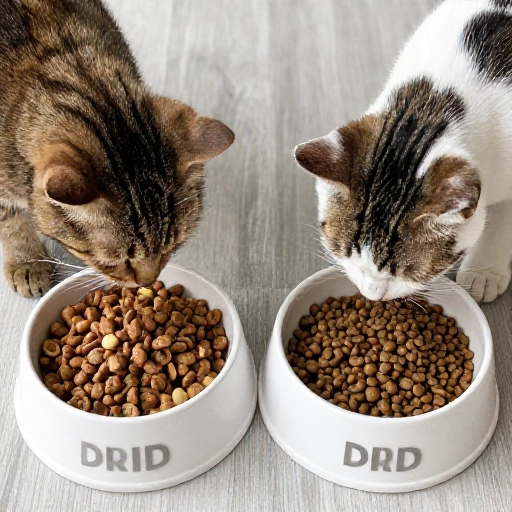
Some cats are allergic to common proteins like chicken or beef. Signs include itchy skin, ear infections, or chronic vomiting. If you notice these, talk to your vet about an elimination diet.
Try a novel protein like duck, rabbit, or venison. These are less likely to trigger allergies. You might be surprised how much better your cat feels on a limited ingredient diet.
Keep a food diary to track any reactions. It’s a simple tool that can help you pinpoint the culprit and find the perfect diet for your cat.
12. Store Food Properly
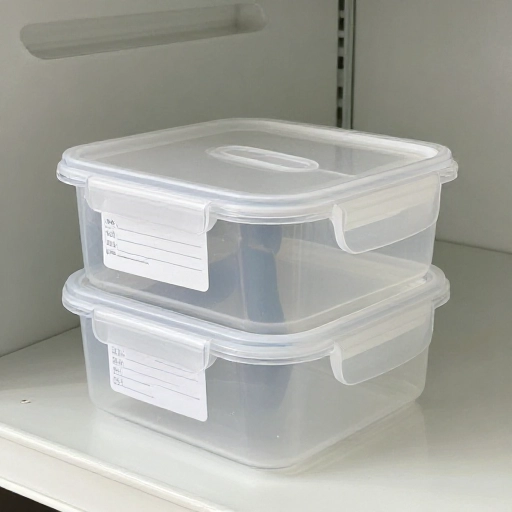
I store dry kibble in an airtight container to keep it fresh and prevent pests. Heat, light, and air can degrade the nutrients and make the food go rancid.
Wet food should be refrigerated after opening and used within a few days. Never leave it out at room temperature for more than an hour.
Check expiration dates before buying. Fresh food tastes better and has more nutritional value. Your cat deserves the best.
13. Know When to Consult a Vet
Every cat is different, and sometimes professional advice is the best tool. If your cat is losing weight, vomiting frequently, or refusing to eat, see a vet right away.
A vet can recommend a diet tailored to your cat’s age, health, and lifestyle. They can also help with special needs like kidney disease or diabetes.
Your vet is your partner in keeping your cat healthy. Don’t hesitate to ask questions about food choices or portions. A happy cat starts with a well-informed owner.

Conclusion
Feeding your cat doesn’t have to be a guessing game. With these tips, you can feel confident that you’re giving your furry friend the nutrition they need to thrive. Small changes—like checking labels, measuring portions, and adding wet food—can make a huge difference.
Remember, every cat is unique. Pay attention to their cues, listen to your vet, and enjoy the simple joy of a happy, healthy cat at your side. Your love and care are the best ingredients of all.
FAQ
How much should I feed my cat each day?
It depends on their weight, age, and activity level. Check the feeding guide on the food package and adjust as needed. A typical adult cat eats about 200-250 calories per day, but always consult your vet for personalized advice.
Is dry food bad for cats?
Not necessarily, but it should not be the only food. Dry food is convenient but low in moisture. Combining it with wet food is a great way to balance nutrition and hydration.
Can I give my cat human food?
Some human foods are safe, like plain cooked chicken or fish. Avoid onions, garlic, grapes, and chocolate. Always check with your vet before sharing your dinner with your cat.
How do I know if my cat has a food allergy?
Look for signs like itchy skin, ear infections, or digestive issues. An elimination diet under vet guidance can help identify the allergen. Switching to a novel protein often solves the problem.
Should I feed my cat the same food every day?
Variety is good, but sudden changes can upset their stomach. Rotate proteins slowly and stick to a few trusted brands. This keeps meals interesting without causing digestive stress.